


Editorial note: Olivea publishes this article and includes its own product among those reviewed. Learn more
11 Best Polyphenol Olive Oils: 250 to 1,000+ mg/kg (2026)
Extra virgin olive oil is famous for the wrong reason. The benefit is not the oil, it is a small group of polyphenols inside it, and most bottles do not carry enough of them to matter.
Olive polyphenols (like oleocanthal, oleuropein, and hydroxytyrosol) are the compounds behind the EU-recognized cardiovascular health claim for olive oil, and they are the part of the bottle that most brands never measure. Our guide to what the numbers mean covers the compounds; this page ranks the oils.
However, not all olive oils are created equal when it comes to these beneficial compounds. Some contain several times the polyphenol content of standard supermarket options.

After testing and analysis, we identified the 11 most polyphenol-rich extra virgin olive oils available today, ranked by the number where a producer publishes one and by our composite score where they do not.
The eleven, in ranked order:
-
Olivea Ultra-High Phenolic Olive Oil: Best Overall Polyphenol-Rich Olive Oil For Health
-
Olivea High Phenolic Extra Virgin Olive Oil: Best Everyday Organic EVOO with High Polyphenols
-
Quattrociocchi Superbo Organic Olive Oil: Internationally Recognized EVOO with Bold Flavor & Phenolic Punch
-
Laudemio Frescobaldi Extra Virgin Olive Oil: Italian Olive Oil with Notable Polyphenols
-
Castillo de Canena Family Reserve Picual: Award-Winning Spanish High-Polyphenol EVOO
-
Apollo Olive Oil Mistral Organic: California's Award-Winning Antioxidant EVOO
-
Rincón de la Subbética Hojiblanca Organic: Mild-Intensity EVOO from Hojiblanca Olives
-
Gundry MD Polyphenol-Rich Olive Oil: Moroccan Olive Oil with High Polyphenols
-
Desert Miracle Ultra-Premium Extra Virgin Olive Oil: Chef-Approved EVOO for Desserts and Baking
-
Atlas Organic Extra Virgin Olive Oil: Carbon Neutral Moroccan Olive Oil
-
Mina Single Origin Moroccan Extra Virgin Olive Oil: Everyday Moroccan Olive Oil with a Polyphenol Kick
How We Rate Polyphenol-Rich Olive Oil
What makes an exceptional polyphenol-rich olive oil? After evaluating dozens of EVOOs, we identified five key factors:

1. Polyphenol Content & Potency
We prioritized oils with high polyphenol counts (250+ mg/kg, the EU health-claim threshold), favoring those with lab-verified levels. Early-harvest oils typically contain more of these beneficial compounds, indicated by their characteristic peppery kick.
2. Quality & Production Standards
We selected only true extra virgin oils with ultra-low acidity (up to 0.3%), giving preference to organic, single-origin, or certified varieties that ensure purity and careful handling. We also paid attention to where these oils are sourced, favoring the Mediterranean region whose climate is optimal for olive tree growth and polyphenol concentration in the fruit.
3. Freshness & Packaging
Since polyphenols degrade over time, we valued oils with recent harvest dates and protective packaging (dark bottles, nitrogen-flushing). Quick processing after harvest preserves maximum antioxidants.
4. Taste Profile
Great high-polyphenol oils balance intensity with flavor. We looked for green, robust flavors with herbaceous notes and that distinctive throat "cough" indicating oleocanthal presence, without overwhelming bitterness.
5. Brand Transparency
We favored producers who publish lab results, use third-party testing, and maintain traceability from grove to bottle, ensuring you get what you pay for.
What the New Harvest Does to These Numbers
Every polyphenol figure on this page is a snapshot of one pressing. The number is highest in the weeks after early harvest, drifts down over the following twelve months, and resets when the next harvest is pressed. Across the Northern Hemisphere that happens between October and December, so as of September 2026 the freshest, highest-testing oil of the year is a few weeks away. The same producer's number will move from one season to the next, and that movement is a sign the figure is real rather than a marketing constant. When the 2026-27 oils land, ask for the current harvest's lab sheet, not last year's.

Two things to expect. Among the producers here that publish a number, early-harvest lots will test at the top of their range, while oils bought in late spring or summer are working from the bottom of it. And in Greece, where both of our oils come from, the 2026 growing season in Messinia has run hot and dry, which tends to concentrate phenolics in the fruit at the cost of some yield, so we expect a strong number and a smaller volume from this pressing. The full harvest-timing guide, including what to do with the bottle you already have, is in our healthiest olive oils roundup, and every Olivea batch result goes on our lab results page once the new oil is tested.
Polyphenol-Rich Olive Oils Ranked (Comparison Table)
Olivea Ultra High Phenolic leads on the published number; the rest of the list is ordered by our composite score across the five criteria above.
Each cell is rated Excellent, Good or Low against the five categories above, with a short note on each oil.
Note: Scroll to the left to view full content.
|
Olive Oil (Brand & Product) |
Polyphenol Content & Potency |
Quality & Production Standards |
Freshness & Packaging |
Taste Profile |
Brand Transparency |
Notes |
|
Olivea Ultra-High Phenolic EVOO (Greece) |
Excellent: ~1000+ mg/kg; extremely potent phenolic content. |
Excellent: Single-origin, early-harvest Olympia-variety olives cold-pressed within hours of picking. |
Excellent: Harvest-to-bottle in hours (very low acidity) with dark glass bottling to lock in peak freshness. |
Excellent: Bold and peppery, with a balanced finish, a hallmark of high-phenolic oil. |
Excellent: Fully lab-tested and traceable; openly shares antioxidant levels and origin. |
Highest published figure on the list; batch results public. |
|
Olivea High Phenolic EVOO, organic (Greece) |
Excellent: 500+ mg/kg from early-harvest olives, lab-tested every batch. |
Excellent: Certified Organic, handpicked olives with rigorous small-farm quality standards. |
Excellent: Cold-pressed within hours of picking to preserve nutrients and aroma. |
Excellent: Smooth, balanced flavor with a gentle peppery bite on the finish. |
Excellent: Single-origin Messinia; batch lab results published. |
Everyday bottle with a published 500+ mg/kg figure and USDA Organic certification. |
|
Quattrociocchi Superbo Organic EVOO (Italy) |
Excellent: Ultra-high polyphenol content (~800 mg/kg) delivering exceptional antioxidant potency. |
Excellent: Certified organic & award-winning Italian estate production ensures top-notch quality. |
Excellent: Bottled in dark glass to preserve peak freshness and phenolic potency. |
Good: Extremely robust (grassy, artichoke notes with an intense peppery kick); potent bitterness may overwhelm delicate palates. |
Good: Harvest date & polyphenol count provided; otherwise fairly standard transparency (no extensive public lab reports). |
The benchmark Italian ultra-high oil; publishes a number, no full lab report. |
|
Laudemio Frescobaldi Extra Virgin Olive Oil (Italy) |
Excellent: ~650+ mg/kg polyphenols in recent harvests, notably high for a Tuscan olive oil. |
Excellent: Prestigious Tuscan estate oil from early October harvest; exceptional purity from perfectly healthy, whole olives and artisanal processing. |
Good: Olives picked and pressed within hours (yielding low acidity), though the signature clear bottle means care is needed to avoid light exposure. |
Excellent: Intensely green and fruity (fresh-cut grass, artichoke, thistle notes) with a prominent bitter and spicy kick that attests to its polyphenol richness. |
Good: Backed by centuries-old Frescobaldi reputation: focuses on heritage and quality. Health data like polyphenol counts are known via third parties, not on the label. |
Heritage Tuscan oil; figure known via third parties, not on the label. |
|
Castillo de Canena Family Reserve Picual EVOO (Spain) |
Excellent: Impressive polyphenol content (~600 mg/kg) provides a powerful antioxidant boost. |
Good: Single-estate Spanish EVOO with ultra-low acidity and top awards, but not organic-certified. |
Excellent: Harvest-dated, bottled in protective glass. |
Excellent: Bold grassy notes with a peppery finish; robust yet balanced flavor profile praised by connoisseurs. |
Good: Clear harvest date and origin labeling, but less detailed in public lab disclosures than some high-phenolic brands. |
World-class Picual; number is producer-reported, not lab-published. |
|
Apollo Olive Oil Mistral Organic (USA) |
Excellent: ~500 mg/kg polyphenols (lab-tested); among the highest for U.S.-produced oils. |
Excellent: Organic, estate-grown olives with innovative vacuum milling to preserve nutrients and aroma. |
Excellent: Early harvest (yielding <0.2% acidity) plus oxygen-free milling deliver exceptional freshness and nutrient retention. |
Good: Intensely robust and bitter, with a lingering chili-like pepper burn that can provoke a "cough", ultra-healthy but very bold in flavor. |
Good: Publishes polyphenol data and harvest info; known for educating consumers, though as a niche producer it's not broadly recognized outside enthusiast circles. |
The strongest US entry; publishes harvest data, batch reports inconsistent. |
|
Rincón de la Subbética Hojiblanca Organic (Spain) |
Good: ~356 mg/kg polyphenols, high by standard EVOO metrics, though modest next to others here. |
Excellent: DOP-certified organic estate oil, repeatedly crowned world's best; ultra-low 0.14% acidity signifies top-tier quality and careful production. |
Excellent: Harvest-dated and shipped in dark glass, often boxed. |
Good: Mild intensity Hojiblanca profile, smooth green herb and mint notes, with virtually no bitterness or throat burn. |
Good: Esteemed cooperative with protected designation of origin; quality stats (e.g. phenolic content) are available via retailers but not front-and-center on the label. |
Mildest oil here at about 356 mg/kg; the pick if bitterness is the barrier. |
|
Gundry MD Polyphenol-Rich Olive Oil (Morocco) |
Low: "Supercharged" claiming up to 30x more hydroxytyrosol than conventional olive oil; marketed as extremely polyphenol-rich, but no exact phenolic count published. |
Excellent: First-press, USDA organic olives from harsh Moroccan desert conditions, yielding a uniquely high-nutrient oil. |
Good: Presumably cold-pressed quickly after harvest (as claimed), but bottling and harvest details are not clearly disclosed by the brand. |
Low: Very bitter, robust flavor that "may take some getting used to," indicating a notably harsh taste even by high-phenolic standards. |
Good: Relies on broad marketing claims (e.g. 30x polyphenols) with limited specific sourcing details; brand provides hype over granular transparency in origin/labs. |
Big claims, no published figure; see our full review below. |
|
Desert Miracle Ultra-Premium Extra Virgin Olive Oil (Morocco) |
Low: Marketed as "naturally high in polyphenols," though exact numbers are not disclosed. |
Excellent: Organic, estate-grown olives in an optimal desert microclimate, ultra-premium quality with low-yield, high-nutrient production. |
Excellent: Extremely low acidity (~0.2%), indicating prompt milling; packed in dark glass (with optional gift box) to preserve freshness and phenols. |
Excellent: Delicately complex flavor (hints of herbs, almond, basil) with a light bitterness and ample pepper that builds then mellows to a sweet finish. |
Good: Renowned producer with sustainability ethos and DOP-level quality control, though specific phenolic counts aren't disclosed in consumer materials. |
Award-winning Moroccan oil; no published polyphenol figure. |
|
Atlas Organic EVOO (Morocco) |
Low: Marketed as "naturally high in polyphenols," though exact numbers are not disclosed. |
Excellent: USDA Organic certified, single-origin Moroccan oil with carbon-neutral sustainable farming practices. |
Excellent: Low free acidity indicates prompt, careful milling; packaged in quality glass bottles (500 ml to 1 L) to maintain freshness. |
Good: Smooth, mild flavor profile ("soft and delicious" on the palate), very pleasant but lacking the pronounced peppery punch of more robust oils. |
Good: Well-regarded producer with strong certifications, though detailed phenolic test results aren't publicly advertised to consumers. |
Solid organic everyday oil in large formats; no published figure. |
|
Mina Single-Origin EVOO (Morocco) |
Low: Marketed as "naturally high in polyphenols," though exact numbers are not disclosed. |
Excellent: Single-estate, early-harvest olives cold-extracted immediately; ultra-low <0.2% acidity reflects excellent quality control. |
Low: Some batches shipped in plastic (for larger sizes), raising concerns, potential light exposure and oxidation if not used quickly. |
Good: Light, smooth taste with herbal notes and minimal bitterness; easy to enjoy, but little peppery kick (indicating moderate phenolic levels). |
Excellent: Fully traceable to the specific grove (down to the tree); no blending means clear single-origin integrity and authenticity. |
Accessible supermarket option; no published figure, some plastic packaging. |
Two of the eleven are ours, and they sit where the published numbers put them. Both publish batch lab results, which is the standard we hold everyone else on the list to.
The Ultra-High Phenolic EVOO is the highest verified figure on the list, for anyone who wants the most polyphenols a bottle can carry.
Meanwhile, Olivea's High Phenolic Extra Virgin Olive Oil is the everyday bottle: a published 500+ mg/kg figure with a flavor you can cook with.
1. Olivea's Ultra-High Phenolic Olive Oil: Best Overall Polyphenol-Rich Olive Oil For Health

Polyphenol Content
Olivea's Ultra-High Phenolic EVOO is in a league of its own, lab tests show an astonishing 1000+ mg/kg of total polyphenols, about 20x more than what is in standard EVOO.
Notable Features
-
Single-Origin Messinia: 100% Olympia-variety olives, early harvest, from family farms
-
Cold-Pressed: Extracted within hours of harvest
-
Single-Origin, Small-Scale Production: Sourced from family farms in Messinia, Greece
-
Lab-Tested Every Batch: qNMR and HPLC at the University of Athens Department of Pharmacognosy, with results published
-
Medical Advisory Board: a board of Harvard-trained cardiologists set the 1,000 mg/kg minimum for this line; Gold at the 2026 Olympia International Olive Oil Awards
About Olivea Ultra-High Phenolic EVOO
Olivea's Ultra-High Phenolic EVOO is a boutique Greek olive oil crafted specifically for its health benefits. The olives are grown by family farms in Messinia, in the southern Peloponnese, under the kind of sun and dry summers that push phenolic content up.
Harvested early in the season while still green, the olives are quickly cold-pressed. The result is an EVOO that is bursting with polyphenols, 20x more than standard EVOO.
In addition to quantity, Olivea emphasizes quality: it's a single-origin, estate bottled oil obtained directly from hand-picked olives and produced in small batches to maintain an ultra-high antioxidant content.
Why Olivea Ultra-High Phenolic EVOO Is #1
Olivea Ultra-High Phenolic simply outperforms all competitors in antioxidant content while maintaining exceptional quality. It's rare to find an oil consistently delivering such stratospheric polyphenol levels without quality defects. It is proof that a very high number and a usable kitchen oil are not mutually exclusive.
Olivea is committed to transparency, sharing lab reports and educating consumers about polyphenols rather than relying on marketing hype. Despite the oil's robust flavor profile, it is remarkably versatile, especially when used in small amounts to boost salads, soups, or even smoothies with both flavor and health benefits.
Pros & Cons of Olivea Ultra-High Phenolic EVOO
|
Pros |
Cons |
|
Highest published polyphenol figure on this list (1,000+ mg/kg). |
Limited availability; often sells out. Retail is currently Erewhon in Los Angeles, otherwise online. |
|
Single-estate Greek EVOO, early-harvest and cold-pressed for maximum quality and freshness. |
Intended more as a health supplement oil; for everyday cooking or large-volume use, one might opt for Olivea's High Phenolic EVOO. |
|
Naturally rich in hydroxytyrosol, the compound behind the EU-recognized cardiovascular health claim. |
|
|
USDA Organic certified, hand-picked, bottled at source. |
Who Is Olivea Ultra-High Phenolic EVOO For?
Olivea's Ultra High Phenolic EVOO is for people who read the number and want the highest verified one available. If you follow a Mediterranean diet for cardiovascular reasons, the research behind olive polyphenols, from EUROLIVE onward, is the reason this oil exists.
It suits anyone who takes a daily spoonful of EVOO, since each spoonful carries as much hydroxytyrosol as an olive oil can; we compare the best oils for that habit separately. It's also great for foodies who appreciate robust, peppery olive oils and want to experience the peak of olive flavor and nutrition.
Used raw, on salads, hummus or steamed vegetables, or simply straight, is where the number does the most.
2. Olivea High Phenolic Extra Virgin Olive Oil (Greek): Best Everyday Organic EVOO with High Polyphenols

Polyphenol Content
Olivea's High Phenolic EVOO is no slouch in the polyphenol department either, typically testing around 500+ mg/kg of polyphenols. This solidly qualifies it as a high-polyphenol olive oil, about 2: 3 times the phenolic content of standard extra virgins. It is below its Ultra High Phenolic sibling and comfortably above the 250 mg/kg that the EU health claim requires.
Notable Features
-
High Polyphenols (Organic): 500+ mg/kg phenolic content, a high figure for an organic EVOO, lab-tested every batch
-
USDA Organic Certified: Made from organically grown olives in Messinia, Greece, with no chemicals, great for those who prioritize organic foods
-
Single-Origin Messinia: early-harvest olives from family farms in Messinia, Greece
-
Fresh & Cold-Pressed: Early harvest, first cold press extraction, packaged immediately for freshness
-
Smooth, Balanced Flavor: Medium-robust taste; ideal for both cooking and raw use
About Olivea High Phenolic EVOO
This is the flagship organic extra virgin from Olivea, made with the same care as the Ultra-High Phenolic version but geared more toward daily culinary use. It is single-origin from Messinia, Greece, the same family farms as the Ultra High Phenolic.
Olivea's High Phenolic EVOO is fully USDA Organic certified, meaning the olives are grown without synthetic pesticides or fertilizers, they rely on natural farming methods to coax out the best fruit. The olives are handpicked early and cold-pressed, yielding an oil that retains a naturally high polyphenol content.
With its moderate intensity, this oil is incredibly versatile in the kitchen: robust enough to drizzle on a Greek salad or bruschetta, but smooth enough to bake or even sauté with.
Why We Chose Olivea High Phenolic EVOO
Olivea's Organic EVOO offers premium high-polyphenol quality in an everyday-use package. Not everyone will use a super-strong, expensive oil all the time, that's where this Organic variety shines.
It still carries a lab-verified 500+ mg/kg figure, with a milder flavor and a more approachable price. It's our pick for those who want a trustworthy, antioxidant-rich olive oil for daily cooking and finishing, especially if you prefer organic foods.
Pros & Cons of Olivea High Phenolic EVOO
|
Pros |
Cons |
|
High polyphenol content for an organic EVOO (500+ mg/kg), lab-tested every batch. |
Not as extreme in polyphenols as the ultra tier; for the highest figure, the Ultra High Phenolic is the one. |
|
Certified USDA Organic, no chemicals; olives from Messinia, Greece known for quality. |
Retail is currently limited to Erewhon in Los Angeles; elsewhere it is online. |
|
Smooth, balanced flavor (fruity with mild pepper), great versatility for salads, cooking, and finishing. |
|
|
Early-harvest, cold-pressed and estate-bottled, ensures freshness and retention of phenolic compounds. |
Who Is Olivea High Phenolic EVOO For?
This olive oil is perfect for health-conscious home cooks. If you cook often and want a high-polyphenol oil in the pantry, this is the one; we compare it with the other certified oils in our organic olive oil roundup.
Olivea High Phenolic EVOO will appeal to those who value organic products and want the peace of mind of knowing their olive oil is pure and chemical-free. The flavor profile is approachable, so it's great for families or anyone easing into robust EVOOs, you can use it liberally on everything from salad dressings to roasting vegetables to dipping bread.
It's also a smart choice for people following the Mediterranean diet or an anti-inflammatory diet, as you can use this oil generously to get those polyphenols daily.
In short, it is for anyone who wants the number without the intensity in their everyday olive oil.
3. Quattrociocchi Superbo Organic Olive Oil: Internationally Recognized EVOO with Bold Flavor & Phenolic Punch

Polyphenol Content
Quattrociocchi Superbo Organic Olive Oil boasts an impressive polyphenol content of approximately 800 mg/kg. It is the highest figure from a traditional European estate on this list.
Notable Features
-
Single-Varietal Moraiolo Olives: Produced exclusively from early-harvest Moraiolo olives grown on the Quattrociocchi family estate in Lazio, Italy
-
Extreme Intensity Profile: Features a powerfully bitter taste and intense peppery finish characteristic of ultra-high phenolic oils
-
Award-Winning Heritage: Consistently wins international recognition, including gold medals and high ratings from olive oil competitions and guides
-
Organic Estate Production: Certified organic and produced on a family-run farm established in 1888
-
Limited Availability: Typically sold through specialty retailers and online sources rather than mainstream grocery channels
About Quattrociocchi Superbo Organic Olive Oil
This emerald-green oil represents the pinnacle of Italian high-phenolic olive oil production. The Quattrociocchi family harvests their organic Moraiolo olives early while still green to maximize polyphenol content, then cold-presses them immediately to preserve these beneficial compounds.
The resulting oil delivers an unapologetically bold experience, intensely bitter on the palate with a significant throat-prickling sensation that signals its high antioxidant content. While this intensity limits its everyday versatility, it makes Superbo exceptional as a finishing oil where its robust character can shine.
Why We Chose Quattrociocchi Superbo Organic Olive Oil
We selected Quattrociocchi Superbo as a benchmark for ultra-high polyphenol olive oils from Italy. Its combination of exceptional phenolic content and award-winning taste demonstrates what traditional European producers can achieve when focused on maximizing health benefits.
Pros & Cons of Quattrociocchi Superbo Organic Olive Oil
|
Pros |
Cons |
|
Extremely high documented polyphenol content (~800 mg/kg). |
Overwhelming intensity may be too aggressive for casual consumers. |
|
Chemical-free cultivation and in-house milling ensure quality and purity at every step. |
Comes at a high cost for a 500ml bottle. |
|
Complex, bold flavor profile appreciated by connoisseurs. |
Typically must be purchased from specialty retailers or online. |
|
Internationally recognized quality with numerous awards. |
Publishes a number but not a full batch lab report. |
Who Is Quattrociocchi Superbo Organic Olive Oil For?
Quattrociocchi Superbo is ideal for experienced olive oil enthusiasts and health-focused individuals seeking maximum antioxidant benefits who aren't deterred by intense bitterness. It appeals to those who appreciate bold flavors, organic certification, and traditional production methods.
4. Laudemio Frescobaldi Extra Virgin Olive Oil: Italian Olive Oil with Notable Polyphenols

Polyphenol Content
Laudemio Frescobaldi is a heritage Italian olive oil with reportedly high polyphenol levels for a traditional Tuscan EVOO, estimated around 650 mg/kg. While these numbers are impressive for an Italian premium oil, they aren't publicly documented through detailed lab reports that consumers can access.
Notable Features
-
Historic Frescobaldi Estate: Produced by one of Italy's oldest wine and olive oil families under the strict Laudemio consortium standards established in 1989
-
Emerald Green Early Harvest: Hand-harvested and cold-pressed green olives
-
Complex Flavor Profile: Features intense artichoke, wild arugula, and green almond notes with a pronounced bitter-spicy finish
-
Balanced Intensity: Offers a bold flavor experience that balances pleasing bitterness with a pronounced peppery finish
-
Vintage Dating: Each bottle is clearly labeled with its harvest year
About Laudemio Frescobaldi EVOO
The production of Laudemio Frescobaldi EVOO combines tradition with rigorous quality control, olives are hand-picked, promptly milled at low temperatures, and bottled quickly to preserve freshness. While mellowing slightly over time, it maintains significant pepperiness throughout its shelf life due to its initially robust phenolic content.
Culinary experts recommend using it primarily as a finishing oil where its intense character can shine, particularly on simple dishes like bruschetta, bean soups, or fresh vegetables.
Why We Chose Laudemio Frescobaldi EVOO
We selected Laudemio Frescobaldi to represent how traditional Italian producers approach high-polyphenol oils. Its inclusion highlights that established estates have been producing antioxidant-rich oils for generations, though with less emphasis on laboratory measurements than newer health-focused brands.
Despite not publishing specific polyphenol data, its consistent quality and historical significance make it worthy of consideration, though anyone who wants a batch figure will have to find it through third parties.
Pros & Cons of Laudemio Frescobaldi EVOO
|
Pros |
Cons |
|
Notably high polyphenols for a heritage Italian oil (~500: 700 mg/kg). |
Does not publish hard polyphenol numbers on the bottle or marketing, relies on reputation and taste. |
|
Produced by the renowned Frescobaldi estate under the strict Laudemio quality consortium. |
Intense bitter-spicy profile, while cherished by aficionados, the strong pungency can be too much for those accustomed to mild oils. |
|
Annual early harvest ("emerald green olives"), swiftly cold-pressed and bottled in signature glass. |
Being a small-batch, single-region product, availability can be limited. |
|
Luxurious, complex flavor (artichoke, greens, almond, with a lengthy spicy finish). |
In sheer phenolic strength it sits below the ultra-high tier. |
Who Is Laudemio Frescobaldi EVOO For?
Laudemio Frescobaldi appeals to culinary traditionalists who value heritage, flavor complexity, and the prestige of established Italian estates. It's ideal for special occasions and gourmet applications where its distinctive character can be appreciated.
5. Castillo de Canena Family Reserve Picual: Award-Winning Spanish High-Polyphenol EVOO

Polyphenol Content
Castillo de Canena Family Reserve Picual is marketed as having approximately 600 mg/kg of polyphenols. While this places it firmly in the high-polyphenol category, the brand doesn't provide comprehensive lab documentation to verify these specific measurements.
Notable Features
-
100% Picual Varietal: Crafted exclusively from early-harvest Picual olives grown in Jaén, Spain
-
Balanced Robust Profile: Offers pronounced intensity without overwhelming bitterness
-
Award-Winning Recognition: Won prestigious accolades including a Flos Olei Hall of Fame award and multiple gold medals in international competitions
-
Family Estate Production: Produced by the Vañó family on their historical estate with complete vertical integration from cultivation to bottling
-
Traditional Processing: Hand-harvested and immediately cold-pressed green olives
About Castillo de Canena Family Reserve Picual
This flagship oil represents generations of Spanish olive cultivation tradition in Andalusia's Guadalquivir Valley. The deep green oil delivers the characteristic boldness of Picual olives, with peppery rocket and artichoke notes wrapped in a fruit-forward texture that offers surprising balance.
Every bottle is estate-bottled and numbered, reflecting their commitment to traceability. While not certified organic, the producer emphasizes sustainable farming practices and transparency. The oil exemplifies southern Spain's approach to high-quality EVOO: robust and vibrant, yet refined enough to complement diverse culinary applications.
Why We Chose Castillo de Canena Family Reserve Picual
We selected Castillo de Canena's Family Reserve Picual to showcase how Spanish producers approach high-polyphenol oils, offering geographical and varietal diversity to our selections. It demonstrates exceptional balance between health benefits and culinary versatility, providing significant antioxidant content without overwhelming bitterness.
Its consistent international recognition backs the quality; the polyphenol figure is producer-reported rather than lab-published.
Pros & Cons of Castillo de Canena Family Reserve Picual
|
Pros |
Cons |
|
High polyphenol content of around 600 mg/kg. |
Unlike some competitors, this oil doesn't carry an organic label. |
|
Made by a trusted family estate with full control from grove to bottle, ensuring authenticity. |
Its ~600 mg/kg polyphenol level, while high, is lower than the most extreme oils out there. |
|
Offers a bold Spanish Picual taste (grassy, olivey, peppery) that's more balanced than some ultra-bitter oils. |
Premium pricing positions it as a special-occasion oil. |
|
Each bottle is packed at the source in Andalusia, which means optimal freshness and transparency. |
Typically you'll need to order it from a gourmet retailer or online (it's not usually on supermarket shelves). |
Who Is Castillo de Canena Family Reserve Picual For?
Castillo de Canena Family Reserve Picual is ideal for culinary enthusiasts seeking a high-quality Spanish EVOO with notable health benefits. Its balanced profile makes it accessible to those new to robust oils while still delivering significant polyphenol content.
6. Apollo Olive Oil Mistral Organic: California's Award-Winning Antioxidant EVOO

Polyphenol Content
Apollo Olive Oil Mistral Organic is marketed at around 500 mg/kg of polyphenols. While impressive for a domestic producer, the company doesn't consistently publish comprehensive lab reports to verify these measurements for each batch. Their innovative milling process reportedly extracts significantly higher polyphenols than conventional methods, though batch-level reports are not always available.
Notable Features
-
California Estate Production: Small, artisanal operation in California's Sierra foothills with complete vertical integration from growing to milling
-
Vacuum Milling Technology: One of few producers worldwide using oxygen-free crushing environments to maximize polyphenol extraction
-
Award-Winning Reputation: Regularly wins Gold and Best of Class distinctions in competitions like the California State Fair and NYIOOC
-
Batch Traceability: Each bottle is typically vintage-dated and batch-numbered
-
Bold Flavor Profile: Characterized by intense grassiness, pronounced bitterness, and strong peppery finish
About Apollo Olive Oil Mistral Organic
This family-owned operation has been pioneering American olive oil quality since the 1990s. Their custom-built continuous vacuum mill, inspired by Tuscan technology, represents their commitment to maximizing both health benefits and flavor integrity.
Apollo's oils consistently achieve exceptionally low acidity (0.2%) and are certified extra virgin by the California Olive Oil Council. Their early-harvest approach prioritizes phenolic content over yield, creating oils with remarkable intensity that combine California terroir with Tuscan-inspired robustness.
While focused primarily on direct-to-consumer sales, their limited production often means availability can be challenging during popular seasons.
Why We Chose Apollo Olive Oil Mistral Organic
We selected Apollo to showcase exceptional American olive oil innovation. Their dedication to polyphenol content demonstrates that world-class, health-focused EVOOs aren't exclusive to Mediterranean regions. Their balance of scientific approach with sensory excellence represents an important contribution to high-polyphenol oil production.
Pros & Cons of Apollo Olive Oil Mistral Organic
|
Pros |
Cons |
|
Impressive high phenolic content for a domestic oil (typically 500 mg/kg). |
Very pungent and bitter, the bold "green" flavor can be overpowering for those accustomed to mild oils. |
|
California estate-grown and micro-milled; uses advanced vacuum milling for maximum polyphenols. |
Small-batch product with limited availability, mainly found online or in specialty stores. |
|
Harvest-to-bottle process preserves freshness (each bottle numbered for batch traceability) |
Premium pricing and quantity, given its artisanal production, it's priced higher than supermarket oils and comes in smaller bottles. |
|
Green and bold flavor with a pronounced bitter and peppery wave, exciting to olive oil aficionados looking for intensity and complexity. |
Sits below the ultra-high tier on the published number. |
Who Is Apollo Olive Oil Mistral Organic For?
Apollo Mistral Organic is ideal for American consumers seeking locally-produced, health-focused olive oil with minimal transport time. It appeals to culinary enthusiasts who appreciate robust flavors and the artisanal production story.
7. Rincón de la Subbética Hojiblanca Organic: Mild-Intensity EVOO from Hojiblanca Olives

Polyphenol Content
Rincón de la Subbética Hojiblanca Organic contains approximately 356 mg/kg of polyphenols. While this exceeds the EU's health claim threshold of 250 mg/kg, positioning it as a legitimate "high polyphenol" oil, it sits at the moderate end of this list.
Notable Features
-
Prestigious PDO Designation: Carries the protected Priego de Córdoba designation, one of Spain's most respected olive oil appellations
-
100% Organic Hojiblanca: Made exclusively from organically grown Hojiblanca olives cultivated in mountainous terrain within Andalusia's Sierras Subbéticas Natural Park
-
Immediate Processing: Olives are milled at the estate within hours of harvest under strict PDO guidelines
-
Complex Flavor Profile: Features intense green fruitiness with herbal notes of thyme and mint
-
Award-Winning Reputation: Consistently wins top international recognition
About Rincón de la Subbética Hojiblanca Organic
Produced by Almazaras de la Subbética cooperative, this emerald green oil represents Spanish olive oil craftsmanship at its finest. The harsh mountainous terrain and organic cultivation practices naturally enhance the olives' phenolic content, while expert production methods ensure exceptional quality.
With ultra-low acidity (typically 0.14%) and careful bottling under nitrogen in dark glass, the producer prioritizes preserving both health benefits and sensory qualities. The cooperative carefully selects only their finest lots for the Rincón label, maintaining remarkable consistency year after year.
Why We Chose Rincón de la Subbética Hojiblanca Organic
We selected Rincón de la Subbética to showcase Spanish excellence in balancing polyphenol content with extraordinary flavor. While not attempting to reach extreme phenolic numbers, it demonstrates how a well-crafted oil can deliver significant health benefits while maintaining gastronomic appeal. Its consistent award recognition validates that phenolic-rich oils need not sacrifice sensory quality.
Pros & Cons of Rincón de la Subbética Hojiblanca Organic
|
Pros |
Cons |
|
Prestigious Spanish PDO (Priego de Córdoba) and fully organic.. |
Only mid-tier in absolute phenolic count compared to some others on this list. |
|
Balanced flavor profile combining complexity with approachability. |
Specific phenolic details aren't heavily advertised on the bottle to consumers. |
|
Prestigious producer with origin certifications and a long heritage. |
Its price can be relatively high for a Spanish oil. |
|
Backed by a cooperative that invests in quality, immediate milling, organic farming, sustainable practices. |
Less widely available outside specialty retailers. |
Who Is Rincón de la Subbética Hojiblanca Organic For?
Rincón de la Subbética appeals to culinary enthusiasts who want Spanish excellence with a published polyphenol figure. Its balanced approach makes it accessible to those who find ultra-bitter oils overwhelming while still delivering antioxidant properties.
8. Gundry MD Polyphenol-Rich Olive Oil: Moroccan Olive Oil with High Polyphenols

Polyphenol Content
Gundry MD's Polyphenol-Rich Olive Oil claims to have "up to 30x more hydroxytyrosol" than conventional olive oil. However, exact measurements of phenolic compounds aren't publicly disclosed, leaving consumers to rely on marketing claims rather than verified data.
Notable Features
-
Celebrity Doctor Branding: Developed by Dr. Steven Gundry, a cardiac surgeon with a significant marketing presence
-
Moroccan Desert Source: Sourced from North African olive groves, though specific farm details aren't provided
-
Distinctive Flavor Profile: Features a robust, bitter taste with a pronounced peppery finish
-
Marketing-Focused Approach: Heavily promoted through Dr. Gundry's platforms with bold claims about its "30x" concentration that cannot be independently verified
-
Wellness-Focused Product: Positioned as a health supplement rather than a culinary oil, often recommended as a daily "shot" for maximum benefits
About Gundry MD Polyphenol-Rich Olive Oil
This oil represents Dr. Gundry's philosophy that concentrated polyphenols can deliver enhanced health benefits. The deep green oil has a thick mouthfeel and pungent taste that reflects its polyphenol content. While the company conducts quality testing on each batch, it would be helpful to see published lab results to better understand its specific composition.
The oil is produced using cold-pressing techniques and organic practices, though its intense flavor makes it less versatile for everyday cooking compared to more balanced high-polyphenol options. Many users incorporate it as a small daily dose rather than using it throughout their culinary routines.
Why We Chose Gundry MD Polyphenol-Rich Olive Oil
This oil is well-suited for dedicated followers of Dr. Gundry's protocols and those prioritizing convenience in their wellness routines. It is designed for people who want a daily polyphenol routine and are comfortable taking the brand's word on the number.
Those who want a published figure will not find one here; our full review covers what the brand does and does not disclose.
9. Desert Miracle Ultra-Premium Organic Extra Virgin Olive Oil: Moroccan Olive Oil with High Polyphenols

Polyphenol Content
Desert Miracle is a premium Moroccan EVOO that markets itself as naturally rich in polyphenols but doesn't disclose specific measurements or provide lab reports to verify these claims. The oil's distinctive peppery kick and ultra-low acidity (up to 0.2%) suggest significant polyphenol presence, though consumers must rely on reputation rather than documented data when assessing its antioxidant potency.
Notable Features
-
Desert Oasis Origin: Grown in a Moroccan desert where over 300,000 olive trees thrive in unique conditions that enhance polyphenol development
-
Meticulous Production: Features early-harvest olives pressed immediately in modern mills, resulting in ultra-low acidity and preserved nutrients
-
Balanced Flavor Profile: Herbs, almond and basil with light bitterness and a pepper finish that builds, then mellows
-
Culinary Recognition: Selected by luxury hotels and Michelin-starred restaurants as a premium finishing oil
-
Award-Winning Quality: Regularly recognized in international competitions
About Desert Miracle Ultra-Premium EVOO
Produced by Atlas Olive Oils, Desert Miracle balances health benefits with culinary excellence. While carrying the peppery kick indicative of its polyphenol content, it remains approachable with a smooth entry and delicate bitterness. Many consumers appreciate that it delivers antioxidant benefits without sacrificing pleasure, making it a gateway to high-phenolic EVOOs without the intensity of the ultra-high tier.
Why We Chose Desert Miracle Ultra-Premium EVOO
We selected Desert Miracle to showcase Morocco's contribution to high-polyphenol olive oils and demonstrate that health-focused products needn't sacrifice culinary quality. For those who find ultra-phenolic oils too bitter, it offers an accessible entry point while still providing significant health benefits. Its organic certification, consistently low acidity, and recognition from culinary professionals add credibility to its quality claims.
Pros & Cons of Desert Miracle Ultra-Premium EVOO
|
Pros |
Cons |
|
Ultra-premium quality: organic, estate-produced with extremely low acidity (~0.2%). |
Limited transparency regarding specific polyphenol measurements for each harvest. |
|
Balanced, gourmet flavor profile that's both robust and refined. |
Premium pricing positions it as a special-occasion oil rather than everyday kitchen staple. |
|
Multi-award-winning Moroccan olive oil, trusted by chefs and sommeliers. |
Polyphenol levels are lower than specialized ultra-high phenolic products. |
|
Sustainably produced by a family estate with a long history: offers confidence in authenticity and consistency. |
Less consistently available than mainstream brands. |
Who Is Desert Miracle Ultra-Premium EVOO For?
Desert Miracle is ideal for food enthusiasts who also prioritize health benefits. It's perfect for those who want to enjoy their olive oil's taste rather than merely tolerating it as a supplement. The balanced profile makes it suitable for family meals, from drizzling on finished dishes to cooking applications where flavor matters. Anyone who finds ultra-phenolic oils too intense will find it an easier way to bring polyphenols into daily cooking.
10. Atlas Organic Extra Virgin Olive Oil: Carbon Neutral Moroccan Olive Oil

Polyphenol Content
Atlas Premium Organic EVOO promotes its robust polyphenol profile, but doesn't publish specific lab measurements or detailed reports to verify these claims. The oil's low acidity (typically 0.2-0.4%) and noticeable peppery finish suggest it likely exceeds the EU health claim threshold, but consumers must rely on taste characteristics and awards rather than documented data when evaluating its antioxidant potency.
Notable Features
-
Certified Organic Moroccan Blend: Produced by Atlas Olive Oils from a blend of Moroccan varieties (primarily Picholine du Languedoc), grown without pesticides
-
Award-Winning Recognition: Has received international awards for quality
-
Larger Format Availability: Offered in generous 750 mL and 1L containers, making it more economical for daily use compared to some specialty oils
-
Balanced Flavor Profile: Features a medium-robust character with green fruit notes and a moderate peppery finish
-
Early Harvest Processing: Olives are cold-pressed shortly after harvesting to preserve freshness and nutrient content
About Atlas Premium Organic EVOO
This oil represents Atlas Olive Oils' flagship organic offering for broader consumption. Unlike single-estate boutique oils, Atlas Premium is blended from various plots to achieve consistency year after year. The golden-green oil provides a "smooth yet lively" experience that's robust enough to suggest significant polyphenol content without overwhelming bitterness.
Its versatility makes it suitable for both cooking and finishing applications. The brand emphasizes sustainability with carbon-neutral production practices, and each bottle is vintage-dated for transparency, though specific polyphenol measurements remain undisclosed.
Why We Chose Atlas Premium Organic EVOO
We selected Atlas Premium Organic as an approachable everyday high-polyphenol oil that balances health benefits with culinary versatility. It demonstrates that antioxidant-rich olive oil can be both accessible and enjoyable for regular consumption. The value proposition, significant polyphenols in larger containers at reasonable pricing, makes daily use of high-quality EVOO more practical for many consumers.
Pros & Cons of Atlas Premium Organic EVOO
|
Pros |
Cons |
|
Certified USDA Organic, made from organic olives in Morocco with no chemicals and produced by a reputable family estate. |
Not as extreme in phenolics as the ultra tier, and no published figure. |
|
Smooth, balanced flavor, very versatile for salads, cooking, and finishing. |
Only available through select importers/online, you might not find Atlas on every supermarket shelf. |
|
Packaged in larger bottles (750ml+), offering great value per ounce for a high-quality oil. |
Does not publish detailed polyphenol lab data to consumers. |
|
Highly awarded Moroccan EVOO with origin certifications. |
Lacks the singular terroir character of single-estate oils (since it's a blend). |
Who Is Atlas Premium Organic EVOO For?
Atlas Premium Organic is well-suited for health-conscious home cooks seeking to incorporate more polyphenols into their daily diet without the extreme bitterness or cost of ultra-specialized oils. It's ideal for those who appreciate quality but need an oil versatile enough for a wide range of cooking applications.
11. Mina Single Origin Moroccan Extra Virgin Olive Oil: Everyday Moroccan Olive Oil with a Polyphenol Kick

Polyphenol Content
Mina Extra Virgin Olive Oil is marketed as having above-average polyphenol content, particularly in their "New Harvest" offerings. While the brand promotes the oil's peppery finish as evidence of its antioxidant properties, they don't publish specific measurements or lab reports.
Notable Features
-
Single-Origin Moroccan Source: Produced from Picholine Marocaine olives grown in Morocco's Meknes region, with farm-to-bottle traceability
-
"New Harvest" Freshness Focus: Labeled with harvest dates to emphasize freshness, which correlates with better polyphenol retention
-
Accessible Distribution: Widely available in mainstream grocery stores and online retailers
-
Mild Flavor Profile: Features a gentle peppery finish that indicates some polyphenol presence without the intense bitterness of specialized oils
-
Various Size Options: Available in multiple formats from 500mL to large 5L bottles
About Mina Single Origin Moroccan EVOO
Mina Single Origin Moroccan EVOO strikes a balance between quality and accessibility, with production practices that ensure consistent, mild flavor. The cold-pressed oil typically maintains low acidity (less than 0.2%), indicating decent quality standards.
While not certified organic, the company emphasizes natural farming methods and Non-GMO Project verification. Their transparency about harvest dating is commendable in the mainstream market, though they don't provide the detailed polyphenol analysis that health-focused consumers increasingly seek.
The oil's light, smooth fresh flavor makes it versatile for everyday cooking, though it lacks the character and the published figure of the specialist oils above.
Why We Chose Mina Single Origin Moroccan EVOO
We selected Mina to represent an accessible entry point into polyphenol-conscious olive oil consumption. It demonstrates that consumers can find moderately better options at conventional retailers without special ordering. For those transitioning from standard cooking oils to healthier alternatives, Mina offers a gentle introduction to the peppery qualities of polyphenol-rich oils.
Pros & Cons of Mina Single Origin Moroccan EVOO
|
Pros |
Cons |
|
Above-average polyphenol content for a widely available supermarket oil. |
Lower polyphenol level than the specialist oils on this list, and no published figure. |
|
Single-origin, farm-to-bottle sourcing with full traceability (family farm in Morocco). |
No published lab analysis to verify polyphenol content claims. |
|
Smooth and mild flavor with a gentle pepper finish, highly versatile. |
Lacks the complexity and distinctive character of premium options. |
|
Widely available and affordably priced for the quality. |
Best treated as a cooking upgrade rather than a polyphenol source. |
Who Is Mina Single Origin Moroccan EVOO For?
Mina is ideal for mainstream consumers seeking an upgrade from standard cooking oils without committing to specialty products. It suits families looking for a versatile, mildly peppery oil that can be used generously in everyday cooking.
Frequently Asked Questions About Polyphenol-Rich Olive Oil
What counts as a high polyphenol olive oil?
The EU health claim sets the floor: 5 mg of hydroxytyrosol and its derivatives per 20 g of oil, which works out to 250 mg/kg. Most supermarket extra virgin tests well under that. We treat 250 to 500 mg/kg as high, 500 to 1,000 as very high, and anything verified past 1,000 mg/kg as ultra high. The threshold itself is explained in our EFSA claim breakdown.
Which olive oil has the most polyphenols?
Among oils that publish a lab figure, Olivea Ultra High Phenolic tests above 1,000 mg/kg, the highest on this list. Several producers, including all three Moroccan brands here, market their oils as polyphenol-rich without publishing a number, so their true figure cannot be compared. A claim without a number is not a ranking.
Are Moroccan olive oils higher in polyphenols?
Some are marketed that way, and hot, dry growing conditions can raise phenolic content, but none of the Moroccan oils on this list publishes a lab result, so the claim cannot be checked. The Greek, Italian and Spanish producers here that do publish figures range from about 356 to more than 1,000 mg/kg. Origin predicts less than harvest timing and testing do.
How do I read a polyphenol number on a label?
Look for total polyphenols in mg/kg, the test method, and the harvest it applies to. The same oil can read differently by HPLC, NMR or the older Folin method, so a number without a method is hard to compare. A figure tied to a specific harvest and batch is worth more than a brand-level claim. Our guide to what the numbers mean walks through it.
Does a higher polyphenol number mean a more bitter olive oil?
Usually. Oleocanthal and oleacein, the compounds that drive pungency and bitterness, make up a large share of total polyphenols, so higher numbers tend to mean more throat catch. Variety and ripeness shift the balance: Rincón de la Subbética at about 356 mg/kg is mild, Quattrociocchi at about 800 is intense, and Olivea Ultra High Phenolic above 1,000 is bold but balanced.
The Best Polyphenol-Rich Olive Oils: Final Verdict
Eleven oils, and the honest split is simple. Seven publish a number: Olivea Ultra High Phenolic above 1,000 mg/kg, Quattrociocchi around 800, Laudemio around 650, Castillo de Canena around 600, Olivea High Phenolic above 500, Apollo around 500, and Rincón de la Subbética around 356. The other four market polyphenol richness without a figure. If the number is the reason you are buying, buy from the first group.

What the Lab Says About Olivea
Two oils on this list are ours. The Ultra High Phenolic EVOO tests above 1,000 mg/kg, about 20 times a typical supermarket extra virgin, and the High Phenolic EVOO above 500 mg/kg. Both are single-origin from family farms in Messinia, Greece, early-harvest and cold-pressed, USDA Organic certified, and tested batch by batch by qNMR and HPLC at the University of Athens Department of Pharmacognosy, with results published. The Ultra High Phenolic took Gold at the 2026 Olympia International Olive Oil Awards, and our medical advisory board of Harvard-trained cardiologists set the 1,000 mg/kg minimum for that line. The research behind that threshold is on our science page.

Which One to Buy
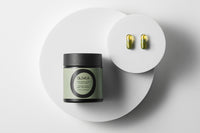
For the highest verified number, used raw or as a daily spoonful, the Ultra High Phenolic. For everyday cooking with a high number and a gentler profile, the High Phenolic. For the hydroxytyrosol without the calories, the Olivea capsule carries a lab-verified 23.5 mg per capsule, and our hydroxytyrosol dosage guide puts that in context. If you are reading this in September or October, the new harvest is weeks away, and early-harvest oil bought soon after pressing will carry the highest number you can get this year. For the wider ranking that weighs polyphenols alongside processing, packaging and transparency, see our healthiest olive oils guide; for the daily-use angle, the best olive oil to drink daily; and for where the polyphenols go once you swallow them, the best olive oil for gut health and how well they are absorbed; and for the long-running cohort studies, olive oil and longevity.
This article is educational and is not medical advice. These statements have not been evaluated by the Food and Drug Administration. This product is not intended to diagnose, treat, cure, or prevent any disease. Polyphenol figures for other producers come from their own published reports or independent lab tests at the time of writing and may change between harvests.
Editorial Information
Editorial note. This article is published by Olivea and includes Olivea’s own product among those reviewed. Pros, cons, and rankings reflect the editorial perspective of the Olivea team.
Comparison note. Specs, prices, and label information for non-Olivea products are based on publicly available sources at the time of publication and may have changed. Verify directly with each brand before purchase.
