

The Truth About Olive Oil Shots: Expert Insights + Real Science
Drinking a tablespoon of extra virgin olive oil out of a shot glass is no longer a niche habit. It has celebrity converts, a seven day challenge format built on top of it, and a small industry of bottles marketed for sipping straight. The ritual is harmless, and olive oil is genuinely good for you. What gets lost in the videos is which part of it is actually doing the work.

This article covers the plain oil version of the ritual: no lemon, no cayenne, no warm water. If you want the citrus version, we cover it separately in the olive oil and lemon shot. Here, the question is narrower and more useful. Does taking olive oil as a shot do anything that eating the same olive oil would not, and what makes one shot worth more than another?
The Short Answer
A shot of olive oil a day is a reasonable way to take a measured dose of olive polyphenols, and a poor way to get most of what the trend promises. There is no absorption advantage to swallowing oil straight rather than eating it with food. There is no detox, no liver flush, and no fat loss in a shot glass, and a tablespoon carries about 120 calories that have to fit somewhere in your day.
What the research does support is the compound rather than the format. Hydroxytyrosol and its derivatives are the only olive polyphenols with an EU recognized claim for helping protect blood lipids from oxidative damage, and the trials behind that claim used real daily doses of genuinely high phenolic oil over weeks, not a photogenic week. Which means two people can run the identical ritual and take in wildly different amounts of the thing that matters, depending entirely on the bottle they poured from.
What an Olive Oil Shot Actually Is
An olive oil shot is a measured serving of extra virgin olive oil, usually one tablespoon and sometimes two, swallowed on its own instead of eaten with food. Most people take it first thing in the morning. Some take it in the evening, which we look at in olive oil before bed. Sipping oil is old practice in olive growing regions. Filming it is the new part.
One tablespoon is the number worth anchoring to. It is roughly 13.5 grams of oil and about 120 calories, which you can read off our own nutrition panel rather than take on faith. It also sits inside the range human trials have used: the foundational olive polyphenol trial gave participants 25 mL a day, a little under two tablespoons.

Why the Shot Is Having Another Moment
The habit went mainstream on the back of olive oil's reputation, not on the back of a study about shots. Olive oil is the fat at the center of the Mediterranean diet, it has decades of cardiovascular research attached to it, and a spoonful of it feels like the simplest possible health intervention. Compared with a cabinet of capsules, pouring one ingredient into a glass is easy to believe in.

Once the format existed, the variants followed: the lemon version, the empty stomach version, the bedtime version, and the seven day olive oil challenge, which packages a week of it as a before and after. Every one of those versions travels with a set of claims the original research never made. Detox, cleansing, a flatter stomach, weight loss, clearer skin by the weekend. The claims are worth taking seriously enough to check, which is what the next section does.
What a Daily Shot Can Actually Do
Start with the one thing that happens immediately. In a controlled crossover trial, adding about 10 grams of extra virgin olive oil to a single meal raised GLP-1, the gut hormone tied to blood sugar control, and lowered post meal glucose. That is a real effect and it happens the first time you do it. It is also a response to the meal rather than a lasting change, and it repeats every time, which is a better argument for making olive oil permanent than for completing a challenge.
The effects people actually want take longer and depend on the polyphenols. In EUROLIVE, 200 men took 25 mL of olive oil a day in three week periods, and the changes in HDL and oxidized LDL tracked the phenolic content of the oil they were given. A meta-analysis pooling 26 randomized trials of high phenolic versus low phenolic oil pointed the same way. A more recent randomized trial of purified hydroxytyrosol ran 16 weeks at 15 mg a day before reporting improvements in oxidative stress and inflammation markers. None of those windows is short.
Two more results are worth stating precisely, because they are the ones most often stretched. In a large cross-sectional analysis, people with higher total plasma polyphenols had roughly 29 percent lower odds of showing elevated inflammation markers. That is an association across many dietary polyphenols rather than an olive specific cause and effect. And the trial usually cited for the headline heart numbers, PREDIMED, found about 30 percent fewer major cardiovascular events in people assigned a Mediterranean diet supplemented with extra virgin olive oil. That result belongs to a whole dietary pattern, not to a shot glass.
Here is where the common claims land once you hold them against the evidence.
| The claim | What the evidence shows |
| Olive polyphenols may support heart health | Supported for genuine high phenolic oil taken consistently. Hydroxytyrosol and its derivatives carry an EU recognized claim for helping protect blood lipids from oxidative damage. |
| A daily shot lowers your cholesterol by itself | Overstated. The 30 percent figure comes from a trial of an entire Mediterranean diet supplemented with EVOO, not from drinking oil straight. |
| Something happens the first time you take one | Partly true, at meal level. A single olive oil meal raised GLP-1 and lowered post meal glucose in a controlled trial. It is acute and it repeats. |
| It detoxes you or flushes your liver | No. Your liver and kidneys do that continuously, and no oil or shot speeds them up. |
| It helps you lose weight | No. A tablespoon adds about 120 calories. No trial shows daily olive oil shots causing weight loss. |
| It makes you regular | Partly, and for an unglamorous reason. The effect is driven by the fat itself, not the polyphenols, so refined oil would do the same thing. |
| Drinking it straight absorbs better than oil in food | No. Olive phenols rank among the best absorbed dietary phenols either way, and food does not block them. |
| It reduces inflammation | Careful. Higher total plasma polyphenols track with lower odds of elevated inflammation markers in cross-sectional data, and a 16 week hydroxytyrosol trial improved several markers. Neither makes a shot an anti-inflammatory treatment. |
| It helps you sleep | No. There is nothing sedative in olive oil. Any benefit of an evening shot is the routine, not the oil. |
The Number That Decides What Your Shot Is Worth
Every benefit above traces back to the polyphenols, and most olive oil barely contains them. They peak in early harvest fruit and fall away with time, heat, and light, so a bottle that spent a year under supermarket lights can hold a small fraction of what it started with. The shot glass looks identical either way, which is why the ritual itself tells you nothing about the dose.

Content is measured in milligrams per kilogram, and the EU wrote its threshold in those terms. The health claim on olive polyphenols applies to oils providing at least 5 mg of hydroxytyrosol and its derivatives per 20 grams of oil, which is roughly a tablespoon and a half. Our breakdown of the EFSA 5 mg threshold explains how that number was set and why so many bottles fall under it. A label that never states its polyphenol number is telling you something by omission, and our guide to spotting real olive oil covers the other tells. For choosing a bottle you intend to drink straight, the daily shot roundup ranks the options, and the polyphenol rankings go wider.
This is also where we set our own bar. Our medical advisory board of Harvard trained cardiologists set a 1,000 mg/kg minimum for the Ultra High Phenolic EVOO, which is single origin Messinia fruit, USDA Organic, and tested batch by batch at the University of Athens by qNMR. The Everyday High Phenolic EVOO sits above 500 mg/kg and is built for cooking rather than sipping. Hydroxytyrosol is the lead compound in both, and the reason the number on the label is worth reading before the ritual is worth starting.
Shot, Spoon in Your Food, or Capsule
There are three honest ways to get a daily dose of olive polyphenols, and the shot is only one of them. None is a trick. They differ in how much you control the dose, how many calories come along, and whether you will still be doing it in month three.
| Factor | Straight shot | Oil with food | Hydroxytyrosol capsule |
| Dose control | Good if you measure. The polyphenol amount still depends entirely on the bottle. | Looser. Easy to use more or less than you think across a day of cooking. | Fixed. The same milligram dose every day regardless of harvest or storage. |
| Calories | About 120 per tablespoon, on top of your meals. | Same per tablespoon, but usually replacing another fat rather than adding one. | Negligible, since a capsule holds a fraction of a spoonful of oil. |
| Taste | Peppery and assertive if the oil is fresh. Some people never get used to it. | The point. Good oil makes vegetables and bread better. | None to speak of. |
| Tolerability | A slug of pure fat on an empty stomach does not suit everyone. | Gentlest option, since the fat arrives with other food. | Small oil volume, so easy on most stomachs. |
| Suits you if | You like the ritual and want to feel the bite. | You cook most days and would rather have the oil in the food than in a glass. | You want the compound without the fat, the taste, or the guesswork. |
Worth repeating, because it is the most common misreading of the whole trend: the shot is not the reason the research worked. Most of the trials behind olive oil's reputation studied people eating it as part of their normal diet. Drinking it separately is a convenient way to guarantee a daily dose, and that is the entire advantage.
The Downsides Worth Knowing
The calories are the first honest cost. At about 120 per tablespoon, a daily shot added on top of everything else is roughly 840 calories a week of pure fat, with very little fullness in exchange. Fat eaten with food at least comes with the satiety of the meal around it. If the shot replaces a fat you were already using, the math is fine. If it stacks on top, it stacks.

The taste is the second. A genuinely fresh, high phenolic oil catches at the back of the throat and can make you cough, and that bite comes from the phenolic compounds themselves, so the sting is information rather than a fault. Most people stop flinching within a few days. Some never do, and a health habit you dread is a habit you drop.
Digestion is the third. Olive oil is roughly 99 percent fat, and a straight tablespoon on an empty stomach is more fat, faster, than many people are used to. Some notice looser stools or an earlier trip to the bathroom, which is a normal response to a slug of fat rather than evidence that something is working, as we cover in does olive oil make you poop. People prone to acid reflux may find a fat shot uncomfortable, particularly close to lying down. That is general education rather than a diagnosis, and anyone managing reflux, gallbladder disease, or another digestive condition should follow their own doctor's guidance.
The fourth is cost, and it is the one nobody films. Drinking oil straight burns through a bottle fast, and the bottles worth drinking are not the cheap ones. A tablespoon a day is about 33 servings from a 500 mL bottle, so a genuine high phenolic oil used purely as a shot is a monthly expense. That is a reasonable thing to spend money on. It is not a reasonable thing to spend money on by accident, with an oil whose polyphenol content nobody has measured.
How to Take an Olive Oil Shot Properly
If you are going to do it, do it in a way that matches what the research actually tested.

Start with the bottle, not the schedule. Choose an oil with a stated polyphenol number and a recent harvest date, and store it away from heat and light with the cap on. Measure one tablespoon rather than free pouring, since more oil adds calories rather than benefit. Take it whenever you will repeat it, because olive phenols are absorbed well with or without food and no hour of the day beats another. If a straight fat dose does not sit well on an empty stomach, take it with breakfast instead. The polyphenols do not mind.
If swallowing plain oil is the sticking point, stirring it into warm water with lemon is a legitimate workaround rather than an upgrade, and our lemon olive oil shot lays it out as a two minute morning drink. Adding lemon does not change what the polyphenols do. It changes whether you keep going, which matters more. For the compound level math on how many milligrams the trials used, hydroxytyrosol dosage has the numbers, and the best olive oil to drink daily covers choosing an oil for regular drinking.
If You Would Rather Not Drink Oil
Plenty of people like the idea of the dose and not the experience of the shot. That is the gap our own supplement was built for, and it is worth being plain about what it is and is not.

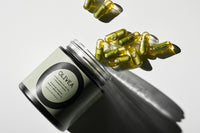
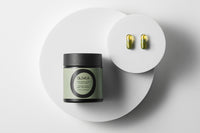
The Olivea hydroxytyrosol supplement uses a capsule in capsule design, with 200 mg of olive extract held inside 400 mg of extra virgin olive oil, and is lab verified at 23.5 mg of hydroxytyrosol per capsule. That is about four times the daily amount the EU threshold is written around, in a fixed dose that does not vary with harvest, storage, or how heavy your pour was that morning. What it is not is a replacement for eating well, and it is not a drug. It is a way to make the dose consistent. Olive oil capsules covers the category more broadly, and the evidence behind all of it sits on backed by science along with our published lab results.
Frequently Asked Questions
What are the benefits of taking an olive oil shot?
The credible benefits belong to the polyphenols rather than to the shot format. Hydroxytyrosol and its derivatives carry an EU recognized claim for helping protect blood lipids from oxidative damage, and trials of high phenolic olive oil have reported changes in HDL and oxidized LDL over three weeks or more. A single olive oil meal also raises GLP-1 and lowers post meal glucose. The practical benefit of the shot itself is that it guarantees a measured daily dose.
Is a shot of olive oil a day good for you?
For most healthy adults, a daily tablespoon of high phenolic extra virgin olive oil is a sensible habit, provided the calories fit your day and the oil is genuinely phenol rich. It is not medicine and it does not replace a good diet. People managing reflux, gallbladder conditions, or digestive disorders should ask their own doctor before adding a daily fat shot.
Do you have to drink olive oil straight to get the benefits?
No. Almost all of the research behind olive oil's reputation studied people eating it as part of their normal diet, drizzled, dressed, or cooked with. Olive polyphenols are absorbed well either way, so a spoon stirred into food counts the same as a spoon in a glass. The shot is a dosing convenience, not a delivery upgrade.
How many calories are in a shot of olive oil?
About 120 calories per tablespoon, which is standard for any olive oil regardless of quality, since the number comes from the fat rather than the polyphenols. A two tablespoon shot is closer to 240. If the shot is added on top of an unchanged diet, that is roughly 840 to 1,680 calories a week, so it is worth deciding where those calories come from.
Which olive oil is best for taking shots?
One with a published polyphenol number, a recent harvest date, and a dark bottle. Content is measured in milligrams per kilogram, the EU claim threshold is written around 5 mg of hydroxytyrosol and derivatives per 20 grams of oil, and plenty of supermarket bottles fall short of it. Early harvest, single origin, cold pressed oils tested by an independent lab are the ones worth drinking straight.
Can olive oil shots cause side effects?
They can be uncomfortable rather than harmful. A tablespoon of pure fat on an empty stomach may cause looser stools, mild nausea, or reflux symptoms in people who are prone to them, and the peppery bite of a fresh high phenolic oil makes some people cough. Taking the oil with food usually settles it. Anyone with a digestive condition should check with their doctor first.
The Honest Read
The honest verdict on olive oil shots is an unglamorous one. They are a tidy way to guarantee a daily dose of the most studied compounds in the Mediterranean diet, with about 120 calories and a peppery aftertaste attached. The trend gets one thing right: consistency is what the trials were measuring. It gets one thing badly wrong: the glass is not the variable. The polyphenol number on the bottle is, and if the label will not tell you what it is, the ritual is mostly for the camera.
This article is educational and is not medical advice. These statements have not been evaluated by the Food and Drug Administration. This product is not intended to diagnose, treat, cure, or prevent any disease. Talk to your doctor before starting any new routine, especially if you have acid reflux, GERD, gallbladder disease, or another digestive condition.
