


Editorial note: Olivea publishes this article and includes its own product among those reviewed. Learn more
11 Healthiest Olive Oils + 5 Brands to Avoid (2026)
The healthiest olive oil is an extra virgin oil with a high, published polyphenol number. Polyphenols such as hydroxytyrosol and oleocanthal are the compounds behind olive oil's EU-recognized cardiovascular claim. The EU sets the bar at 5 mg of hydroxytyrosol and its derivatives per 20 g of oil, about 250 mg/kg. Six supermarket and direct-to-consumer oils we sent for lab testing came back between 312 and 389 mg/kg. High-phenolic oils start at 500 mg/kg. Olivea Ultra High Phenolic tested at 1,046 mg/kg by NMR and 874 mg/kg by HPLC for the 2025-26 harvest, with every certificate published on the Olivea lab results page.
What to look for on the bottle:
- A polyphenol number, on the label or the producer's website. 250 mg/kg clears the EU claim; 500 or more is a high-phenolic oil.
- A harvest date inside the last twelve months. Early harvest oil carries more polyphenols than late harvest oil from the same grove.
- Extra virgin, cold extracted, and a single origin you can name.
- Dark glass or a tin. Clear plastic lets in light and air, and the polyphenols fade faster.
- A lab report you can read, from a named laboratory, for the harvest you are buying.
When Harvard researchers tracked over 90,000 people for 28 years, they found something worth paying attention to: those who consumed just half a tablespoon of olive oil daily had a 19% lower risk of death from any cause. Swapping butter for olive oil? That dropped mortality risk by up to 34%.
The secret lies in polyphenols, powerful antioxidants that give high-quality extra virgin olive oil its distinctive peppery kick. These compounds, particularly oleocanthal and hydroxytyrosol, are the reason olive oil carries an EU-recognized cardiovascular health claim, and they are the part of the bottle that most brands never measure. The more of them an oil has, the more it can do, which is why this list is ranked by the number rather than the label.

After extensive testing and analysis, we've identified the 11 most potent extra virgin olive oils available today. The EU's health claim for olive polyphenols requires 5 mg of hydroxytyrosol and its derivatives per 20 g of oil, which works out to 250 mg/kg; our top picks deliver two to four times that amount, with our winner testing past 1,000 mg/kg.
Here are the healthiest olive oils that made our list:
-
Olivea Ultra High Phenolic Extra Virgin Olive Oil: Best Overall for Maximum Health
-
Olivea High Phenolic Extra Virgin Olive Oil: Best High-Polyphenol EVOO for Daily Use
-
Quattrociocchi Superbo Organic Olive Oil: Award-Winning Italian Organic Monocultivar
-
Laudemio Frescobaldi Extra Virgin Olive Oil: Consortium-Certified Tuscan Estate Oil
-
Castillo de Canena Family Reserve Picual: Early-Harvest Spanish Picual Monovarietal
-
Apollo Mistral Organic Olive Oil: Vacuum-Milled California Organic EVOO
-
Oleoestepa "Egregio" Organic EVOO: D.O.P. Certified Spanish Cooperative Oil
-
Olea Homeopathica "Theodosia" EVOO: Holistic Greek Artisanal Oil
-
Olio Piro Premium Extra Virgin Olive Oil: Tuscan "Superfood" in a Bottle
-
Guglielmi Monocultivar Ogliarola EVOO: Family-Produced Puglian Since 1954
-
Olive Truck Tuscan Blend EVOO: Farm-Fresh California Innovation
Five popular brands fell short in the same lab tests, and polyphenol content matters more than price when choosing an olive oil that delivers on its health promises.
How We Evaluate the Healthiest Olive Oils
Choosing the healthiest olive oils meant developing a rigorous methodology that goes beyond marketing claims. We weighted five key factors to identify which EVOOs truly deliver on their health promises:

1. Polyphenol Content (40%), "The Antioxidant Powerhouse"
This is where the magic happens. We prioritized oils with lab-verified polyphenol levels above 250 mg/kg (the EU's threshold for the health claim), though our top picks run well past 500 mg/kg. Higher polyphenols mean more of the compounds the research is about, and that distinctive peppery kick that signals genuine quality.
2. Processing Method (25%), "Cold and Fresh"
Temperature matters. We verified that each oil is cold-extracted below 27°C (80°F) with no heat or chemicals. Modern centrifuge extraction beats old-school pressing because it limits oxygen exposure, better protecting those precious polyphenols. All our picks are true extra virgin, mechanically extracted and unrefined.
3. Authenticity & Traceability (15%), "From Grove to Bottle Trust"
With olive oil fraud notorious (one study found 69% of imported "extra virgin" oils failed standards), we favored transparent brands. Single-origin oils, harvest dates on labels, third-party testing, and industry awards all counted in a brand's favor. You should know exactly what you're getting.
4. Nutritional Profile (10%), "Beyond the Basics"
While polyphenols took center stage, we also considered ultra-low acidity (the best hover around 0.2-0.3% versus the 0.8% maximum), vitamin E content, and favorable fatty acid ratios. These markers confirm overall excellence.
5. Storage & Packaging (10%), "Preserving the Good Stuff"
Dark glass bottles or tins beat clear containers every time. We rewarded brands using nitrogen flushing or other preservation methods. After all, what good are high polyphenols if they degrade before reaching your table?
Every oil in our top 11 excelled across these criteria, with verified polyphenol content mostly in the 400 to 900 mg/kg range.
The 2026-27 Harvest Is Weeks Away: What to Watch For
This list was updated in September 2026, which is the right moment to think about olive oil a little differently than you would in spring. Across the Northern Hemisphere the harvest runs from roughly October through December. The earliest picks, the green under-ripe fruit that produces the highest polyphenol numbers, come off the trees in October and early November, and the first bottles of that oil reach shelves between late November and February. A bottle bought in September is last year's harvest. That is fine if it has been stored well and is inside about a year of its harvest date, but it does mean the freshest, highest-polyphenol oil of the year is still a few weeks out.

With that timing in mind, check the harvest date on whatever you are using now; if it is from the 2024-25 season or earlier, finish it in cooking rather than drizzling it, because polyphenols fall meaningfully after twelve months. Second, watch the producers on this list for their new-harvest releases, and read the polyphenol number on the new batch rather than assuming it matches last year's. A good producer's number moves with the season, and that movement is a sign the figure is real. Third, if you want the highest numbers of the year, buy early-harvest oil in the weeks after it is pressed rather than waiting until spring, when the same bottle has already lost a few months of its shelf life.
On Greece specifically, where both of our oils come from, the 2026 growing season in Messinia has been hot and dry. Agronomically that cuts two ways. Water stress concentrates phenolic compounds in the fruit, which is why dry-farmed and deficit-irrigated groves tend to produce higher-polyphenol oil, but the same stress can reduce fruit yield. We are optimistic about the polyphenol numbers on this year's pressing and less certain about the volume, which is the usual trade in a dry year, and the same conditions apply to the other Greek producers worth watching. As with every batch, the qNMR and HPLC results from the University of Athens go on our lab results page once the new harvest is pressed and tested, so the number is public before anyone has to take our word for it.
Healthiest Olive Oils at a Glance: Top 11 Comparison
Polyphenol content, origin, price per ounce and a health score for the eleven oils. Olivea's Ultra High Phenolic EVOO leads on the polyphenol number; the rest of the list is ordered by our composite score. Use this quick reference to compare key metrics:
|
Brand & Oil |
Polyphenol Content |
Origin |
Price |
Health Score |
Best For |
|
1. Olivea Ultra High Phenolic EVOO |
~1000+ mg/kg |
Greece (Messinia) |
~$2.66/oz |
10/10 |
The highest verified polyphenol number, for raw use and daily spoonfuls |
|
2. Olivea High Phenolic EVOO |
~500+ mg/kg |
Greece (Messinia) |
~$2.07/oz |
9.8/10 |
Daily cooking with high antioxidants and organic quality |
|
3. Quattrociocchi Superbo Organic EVOO |
~800 mg/kg |
Italy (Lazio) |
~$2.50/oz |
9.5/10 |
Finishing oil for experienced EVOO enthusiasts who love intense flavors |
|
4. Laudemio Frescobaldi EVOO |
~650 mg/kg |
Italy (Tuscany) |
~$2.50/oz |
9.3/10 |
Gourmet Italian dishes where heritage and health benefits matter equally |
|
5. Castillo de Canena Picual Reserve EVOO |
~600 mg/kg |
Spain (Andalusia) |
~$2.00/oz |
9.2/10 |
Spanish cuisine lovers seeking a high-polyphenol cooking oil |
|
6. Apollo Mistral Organic EVOO |
~500 mg/kg |
USA (California) |
~$1.58/oz |
9.1/10 |
Fresh California oil for locavores wanting high polyphenols |
|
7. Oleoestepa "Egregio" Organic EVOO |
~780 mg/kg |
Spain (Andalusia) |
~$1.95/oz |
9.4/10 |
Budget-conscious health seekers wanting exceptional polyphenol value |
|
8. Olea Homeopathica "Theodosia" EVOO |
~580 mg/kg |
Greece (Crete) |
~$2.95/oz |
9.0/10 |
Holistic wellness enthusiasts preferring medium-intensity Greek oil |
|
9. Olio Piro Premium EVOO |
~650 mg/kg |
Italy (Tuscany) |
~$3.50/oz |
9.3/10 |
Luxury finishing oil for antioxidant-focused food lovers |
|
10. Guglielmi Monocultivar Ogliarola EVOO |
~514 mg/kg |
Italy (Puglia) |
~$2.00/oz |
9.0/10 |
Everyday cooking with smooth flavor and a solid polyphenol figure |
|
11. Olive Truck Tuscan Blend EVOO |
~507 mg/kg |
USA (California) |
~$2.00/oz |
9.0/10 |
Farm-to-table enthusiasts prioritizing freshness and local sourcing |
Note: Polyphenol values are from recent lab tests or producer reports. "Health Score" is our 10-point composite (factoring polyphenols, processing method, etc.). All prices are approximate, and all oils are extra virgin grade. Next, we'll explore each oil's health highlights, pros/cons, and who will benefit most from it.
1. Olivea's Ultra High Phenolic EVOO: Best Overall for Maximum Health

Polyphenol Content: This oil tests above 1,000 mg/kg of polyphenols, roughly 20 times a typical supermarket EVOO and the highest figure we have verified in any commercial olive oil. It is rich in hydroxytyrosol and oleocanthal, which is where the pronounced peppery finish comes from.
Why Olivea Is Our #1 Health Pick: No other olive oil comes close. Olivea controls every step: early harvest of 100% Olympia-variety olives from family farms in Messinia, Greece, cold-pressing within hours of picking, and independent qNMR and HPLC testing of every batch at the University of Athens Department of Pharmacognosy, with the numbers published on the Olivea lab results page. It is USDA Organic certified, bottled in dark glass, and took Gold at the 2026 Olympia International Olive Oil Awards. Our medical advisory board of Harvard-trained cardiologists set the 1,000 mg/kg minimum for this line.
Pros & Cons of Olivea Ultra High Phenolic EVOO
|
Pros |
Cons |
|
Highest verified polyphenol content on this list (1,000+ mg/kg) |
Intense peppery finish triggers throat-catching coughs that some find unpleasant |
|
Early harvest and cold extraction within hours of picking |
Premium price reflects exceptional quality and small-batch production |
|
USDA Organic certified and Gold at the 2026 Olympia International Olive Oil Awards |
Limited availability means frequent sellouts during peak demand |
|
Complete transparency with single-origin Greek farms and published lab results |
Robust flavor can overpower delicate dishes |
Who Should Choose Olivea: This is the oil for people who read the number. If you follow a Mediterranean diet for cardiovascular reasons and want the highest verified polyphenol figure available, this is the one. It is right for:
-
People who follow the cardiovascular research on olive polyphenols, starting with the EUROLIVE trial behind the EU health claim.
-
Anyone who uses olive oil raw, as a finishing oil or a daily spoonful, and wants each tablespoon to carry as much hydroxytyrosol as it can.
-
Serious olive oil enthusiasts who want a lab-verified high-polyphenol oil with full transparency (published numbers for every batch).
2. Olivea's High Phenolic Extra Virgin Olive Oil: Best Organic EVOO for Daily Use

Polyphenol Content: With 500+ mg/kg polyphenols, Olivea High Phenolic carries two to three times the polyphenols of a typical EVOO. Naturally rich in hydroxytyrosol, it carries a high polyphenol number while keeping a more approachable flavor profile than the Ultra High version.
Why We Chose Olivea High Phenolic: This is the same sourcing and testing in a more accessible package. Same sourcing and testing, early-harvest olives from Messinia, immediate cold-pressing, a consistent 500+ mg/kg polyphenol figure, but designed for daily use at a friendlier price point. It is USDA Organic certified (we compare it with the other certified oils in our organic olive oil roundup), and the medium-robust flavor balances polyphenol content with versatility.
Pros & Cons of Olivea High Phenolic EVOO
|
Pros |
Cons |
|
High polyphenols (500+ mg/kg), two to three times a typical EVOO |
Still has noticeable peppery kick that may surprise mild oil users |
|
USDA Organic certified ensures no pesticides or chemicals |
Premium pricing at ~$35/500ml vs. grocery store brands |
|
Same meticulous production as Ultra version but more versatile |
Retail is still limited to Erewhon in Los Angeles; elsewhere it is online only |
|
Works beautifully for both cooking and raw applications |
Robust flavor can overpower delicate dishes |
Who Olivea High Phenolic Is For: If you want a high-polyphenol olive oil for regular use, Olivea High Phenolic is perfect. It's ideal for:
-
Health enthusiasts for everyday cooking: those who fry, sauté, or bake and want to use a healthy EVOO liberally without overpowering flavor.
-
Organic shoppers, anyone who prioritizes organic, pesticide-free foods while still getting extra virgin quality and antioxidants.
-
People looking for a trustworthy all-purpose olive oil that still puts a verified 500+ mg/kg polyphenol figure in each tablespoon.
3. Quattrociocchi Superbo Organic Olive Oil, Award-Winning Italian Organic Monocultivar

Polyphenol Content: This award-winning Lazio oil delivers ~800 mg/kg polyphenols from 100% Moraiolo olives. Lab tests confirm ultra-high oleocanthal levels (hence the extreme peppery punch) plus abundant vitamin E and tocopherols, making it one of Italy's most antioxidant-rich EVOOs.
Why We Chose Quattrociocchi Olive Oil: Quattrociocchi proves traditional Italian producers can achieve cutting-edge health results. This 1888 family estate combines organic farming with early harvesting to hit phenomenal polyphenol levels. Winner of multiple international awards with ultra-low acidity (~0.24%), it demonstrates you can get a top-tier polyphenol number with Old World pedigree.
Pros & Cons of Quattrociocchi Superbo Organic Olive Oil
|
Pros |
Cons |
|
Ultra-high polyphenols (~800 mg/kg) rival the very best oils |
Extremely intense, bitter flavor overwhelms many palates |
|
Certified Organic with multiple international awards for quality |
Premium import pricing reflects small-batch Italian production |
|
Family estate since 1888 provides long heritage and expertise |
Limited U.S. availability often requires specialty retailers |
|
Single-estate Moraiolo olives with clear harvest date |
Too powerful for cooking, best used sparingly as finishing oil |
Who Quattrociocchi Olive Oil Is For: This oil is ideal for experienced EVOO lovers and health purists who aren't afraid of intensity. Consider it if you:
-
Want one of the highest polyphenol olive oils from Europe but with Old World pedigree, great for those seeking a top-tier Italian oil for health.
-
Appreciate bold, robust olive oils, if you enjoy a strong peppery kick and don't mind a little throat burn (a "cough factor" oil), this is for you.
-
Are following an anti-inflammatory diet and willing to use an oil almost like a supplement, e.g., drizzling a spoonful raw on foods for a daily phenolic boost.
4. Laudemio Frescobaldi Extra Virgin Olive Oil: Consortium-Certified Tuscan Estate Oil

Polyphenol Content: This famed Tuscan EVOO packs ~650 mg/kg polyphenols, remarkably high for Tuscany, where Frantoio and Moraiolo olives typically yield moderate phenolics. Strong phenolic content with an elegant flavor.
Why We Chose Laudemio Olive Oil: Laudemio represents heritage meeting health. This prestigious consortium oil (led by the Frescobaldi vintner family since 1989) proves you don't choose between tradition and polyphenols. Hand-picked early harvest and immediate cold-pressing capture serious antioxidants in a luxury package with ultra-low acidity (~0.14%).
Pros & Cons of Laudemio Frescobaldi Extra Virgin Olive Oil
|
Pros |
Cons |
|
High polyphenols (~650 mg/kg) exceptional for Tuscan oils |
Expensive due to prestigious brand and limited production |
|
Strict consortium quality standards ensure consistency |
Strong pungency can surprise those expecting mild Tuscan oil |
|
Ultra-low acidity (~0.14%) indicates exceptional handling |
No polyphenol data printed on bottle despite high levels |
|
Centuries of Frescobaldi winemaking expertise applied to oil |
Can be difficult to find outside gourmet shops |
Who Laudemio Olive Oil Is For: This oil appeals to culinary traditionalists who also value health. It's perfect if you:
-
Want a luxury Italian olive oil with health benefits, great for foodies who normally splurge on high-end oils but also want high polyphenols.
-
Are seeking an oil to complement a gourmet Mediterranean diet, drizzle it on bruschetta, pastas, and salads for authentic flavor and antioxidant boost.
-
Appreciate rich, complex flavor and don't mind robust bitterness. Laudemio's pungency is cherished by aficionados (and a green gold badge of polyphenols).
5. Castillo de Canena Family Reserve Picual: Early-Harvest Spanish Picual Monovarietal

Polyphenol Content: This Spanish Picual monovarietal delivers ~600 mg/kg polyphenols, with especially high oleocanthal levels that create its signature peppery bite. Olive phenolics at this level are the class of compounds shown in controlled trials to reduce LDL oxidation after a meal.
Why We Chose Castillo de Canena Olive Oil: Castillo de Canena showcases Spanish excellence in high-polyphenol production. This 1780 estate in Andalusia combines centuries of tradition with modern quality, winning numerous international awards. Clear harvest dating and sustainable farming practices yield a world-class EVOO that balances bold Picual character with genuine health benefits.
Pros & Cons of Castillo de Canena Family Reserve Picual
|
Pros |
Cons |
|
High polyphenols (~600 mg/kg) from naturally rich Picual olives |
Not organic certified despite sustainable practices |
|
Award-winning Spanish estate producing since 1780 |
Limited lab transparency, relies on brand reputation |
|
Clear harvest dating shows commitment to freshness |
Premium import pricing for Family Reserve line |
|
Bold yet balanced, intense without being harsh |
Robust Picual profile may be too strong for some |
Who Castillo de Canena Olive Oil Is For: Choose this if you're a culinary enthusiast seeking health. It's great for:
-
Home chefs and foodies who want a top-tier Spanish EVOO that's both delicious and nutrient-rich. Ideal for finishing grilled veggies, tomato salads, gazpacho, etc.
-
Those who want a robust cooking oil: Picual's stable fats make it suitable even for light sautéing, and it adds flavor plus polyphenols to dishes.
-
Anyone curious to experience premium Spanish olive oil, if you've tried Italian or Greek high-poly oils, this gives a Spanish perspective with comparable health punch.
6. Apollo Mistral Organic Olive Oil: Vacuum-Milled California Organic EVOO

Polyphenol Content: Apollo Mistral proves American oils can compete with ~500 mg/kg polyphenols (517 mg/kg in 2023 harvest). This California blend's high oleocanthal content triggers the classic cough, a sure sign of a high oleocanthal number.
Why We Chose Apollo Olive Oil: Apollo pioneered high-phenolic production in California using innovative vacuum milling that minimizes oxidation. This certified organic, estate-grown oil consistently wins gold medals while demonstrating that world-class, health-focused EVOO is possible domestically. Transparent polyphenol reporting and local freshness make it a standout American option.
Pros & Cons of Apollo Mistral Organic Olive Oil
|
Pros |
Cons |
|
High polyphenols (~500 mg/kg) lab-confirmed for transparency |
Mostly West Coast availability limits access |
|
Innovative vacuum milling minimizes oxidation during processing |
Intensely bitter profile best for enthusiasts |
|
Organic estate-grown in California ensures freshness |
Batch-specific lab data not always on bottle |
|
Pioneer in educating consumers about polyphenol benefits |
Small production means frequent sellouts |
Who Apollo Olive Oil Is For: Apollo Mistral is perfect for health-conscious foodies who prefer local. Choose it if you:
-
Are an American consumer seeking high-polyphenol EVOO to support health, but want to buy domestic for freshness (no months-long overseas shipping).
-
Follow a farm-to-table or sustainable ethos, Apollo is a small California producer with organic practices, great for those who value knowing their farmer.
-
Love bold California-style olive oils, if you enjoy California's fruitier olive flavors with a strong punch, this oil's combination of varieties offers a complex, robust taste.
7. Oleoestepa "Egregio" Organic EVOO: D.O.P. Certified Spanish Cooperative Oil

Polyphenol Content: This Spanish Hojiblanca/Picual blend delivers exceptional ~780 mg/kg polyphenols, extremely high for a cooperative brand. Lab-confirmed phenolic powerhouse status includes strong vitamin E content and low acidity for comprehensive nutritional benefits.
Why We Chose Oleoestepa Olive Oil: Egregio proves you don't need boutique pricing for premium polyphenols. This D.O.P. Estepa certified cooperative oil delivers a top-tier polyphenol figure at mid-range pricing (~$20-30/500ml). Award-winning quality with exceptional health metrics makes it our best value pick for daily high-polyphenol consumption.
Pros & Cons for Oleoestepa "Egregio" Organic EVOO
|
Pros |
Cons |
|
Exceptional polyphenols (~780 mg/kg) at cooperative pricing |
Less famous brand lacks prestige appeal |
|
Organic with D.O.P. Estepa certification guarantees origin |
Co-op blend can vary slightly between harvests |
|
Outstanding value, high phenolics without boutique cost |
Not stocked in most U.S. grocery stores |
|
Balanced robust flavor from Hojiblanca/Picual blend |
Requires online ordering for most consumers |
Who Oleoestepa Olive Oil Is For: This is a great pick for budget-conscious health seekers and fans of Spanish EVOO. It's ideal if you:
-
Want high polyphenols on a budget, Egregio delivers a top-tier polyphenol figure at a mid-range price, making daily consumption more feasible.
-
Enjoy Spanish olive oils with a peppery, grassy profile, it shines in hearty salads, gazpacho, or drizzled on bread with a pinch of sea salt.
-
Prefer oils with multiple olive varieties, as a Hojiblanca/Picual blend, it offers a nice complexity (Hojiblanca adds a hint of floral sweetness to Picual's robustness) along with broad-spectrum polyphenols from both types.
8. Olea Homeopathica "Theodosia" EVOO: Holistic Greek Artisanal Oil

Polyphenol Content: This single-varietal Greek Koroneiki boasts ~580 mg/kg polyphenols, well above typical Greek oils. High oleocanthal and oleacein with medium-robust intensity rather than extreme bitterness.
Why We Chose Olea Homeopathica Olive Oil: Theodosia embodies "olive oil as medicine" through homeopathic-inspired farming that emphasizes soil health. This early-harvest Cretan Koroneiki offers artisanal quality with transparent polyphenol reporting. The balanced robust profile makes high phenolics accessible without overwhelming intensity, Greek wellness tradition in a bottle.
Pros & Cons of Olea Homeopathica "Theodosia" EVOO
|
Pros |
Cons |
|
High polyphenols (~580 mg/kg) with medium-robust approachability |
Premium boutique pricing at ~$45-50/500ml |
|
Unique holistic farming methods emphasize soil health |
Very limited availability from small Cretan producer |
|
Complex flavor profile without overwhelming bitterness |
Niche brand unknown outside specialty circles |
|
Harvest-dated single-origin Koroneiki from Crete |
May be too expensive for daily use |
Who Olea Homeopathica Olive Oil Is For: Great for those who want a touch of Greek wellness tradition in their diet. Consider it if you:
-
Are a fan of Greek olive oils and want one with an extra health boost, perfect for drizzling on Greek salads, roasted vegetables, or tahini dips, where its herbaceous notes shine.
-
Appreciate a balanced robust oil, if the ultra-bitter oils are too much, Theodosia offers a step down in intensity while still delivering high phenols (so it's user-friendly for most people).
-
Are drawn to organic and holistic products, this brand's ethos will resonate if you seek natural, chemical-free foods that are grown with environmental mindfulness (using homeopathic remedies for the olive trees is certainly distinctive!).
9. Olio Piro Premium Extra Virgin Olive Oil: Tuscan "Superfood" in a Bottle

Polyphenol Content: Piro delivers ~650 mg/kg polyphenols plus unusually high vitamin E from its Tuscan blend. Proprietary double filtration maintains antioxidant potency while moderating bitterness, a "health bomb" that's surprisingly approachable.
Why We Chose Olio Piro Olive Oil: Piro represents innovation in health-focused EVOO. This artisanal Maremma oil is explicitly engineered for high polyphenols through early picking and special milling. Media-acclaimed as a "polyphenol-rich splurge," it provides transparent health metrics (openly advertised 650 mg/kg) that justify its premium positioning.
Pros & Cons for Olio Piro Premium Extra Virgin Olive Oil
|
Pros |
Cons |
|
High polyphenols (~650 mg/kg) plus exceptional vitamin E content |
Among the priciest options at ~$55-60/500ml |
|
Innovative double filtration softens bite while preserving benefits |
Small batches from new producer sell out quickly |
|
Media-acclaimed with transparent health marketing |
Still quite bold despite proprietary filtering |
|
Specifically engineered for a high polyphenol number |
Limited track record as newer boutique brand |
Who Olio Piro Olive Oil Is For: Olio Piro is ideal if you're willing to invest in your olive oil as a health supplement and flavor enhancer in one. It's for:
-
Foodies who want the best of both worlds, you insist on top-notch flavor for finishing dishes and you want to maximize polyphenol intake. Piro brings gourmet pedigree with superfood credentials.
-
Those on a keto or anti-inflammatory diet looking for healthy fats, this oil can be a staple fat source, providing antioxidants and vitamins alongside calories. Drizzle on veggies, grilled meats, or even your morning avocado.
-
Anyone who doesn't mind paying a bit more for a curated, lab-tested EVOO, if you're the type to read lab analysis sheets, Piro will satisfy with its transparency and numbers.
10. Guglielmi Monocultivar Ogliarola: Family-Produced Puglian Since 1954

Polyphenol Content: This Puglian Ogliarola delivers ~514 mg/kg polyphenols in a medium-fruity profile. A lab-confirmed polyphenol figure without extreme bitterness, proof that high phenolics do not require aggressive flavor.
Why We Chose Guglielmi Olive Oil: Guglielmi strikes the perfect balance for those wanting health benefits without intensity. This family producer (since 1954) delivers 500+ mg/kg polyphenols in an approachable flavor profile with notes of almond and herbs. Quality heritage at reasonable pricing makes it ideal for everyday healthy cooking.
Pros & Cons of Guglielmi Monocultivar Ogliarola
|
Pros |
Cons |
|
Good polyphenols (~514 mg/kg) in approachable medium intensity |
Not as intense as those seeking maximum burn |
|
Family heritage since 1954 ensures reliability and quality |
Requires specialty store or online ordering |
|
More affordable than ultra-premium oils while still healthy |
Ogliarola variety less familiar than famous types |
|
Versatile everyday oil with almond and herb notes |
Softer profile than bold Tuscan alternatives |
Who Guglielmi Olive Oil Is For: If you're looking for a "Goldilocks" olive oil, not too mild, not too spicy, but definitely healthy, this is a top pick. It's great for:
-
Everyday home cooks who want to upgrade to a healthier EVOO without shocking their taste buds. Guglielmi's balanced profile means you can bake, sauté, and dress salads with it.
-
People new to high-polyphenol oils, this can be a "starter" high-phenolic EVOO before venturing to the really intense ones.
-
Fans of Italian olive oil who are curious about Puglian varieties, Ogliarola brings a unique flavor (slightly nutty, green, and smooth) along with its health perks.
11. Olive Truck Tuscan Blend EVOO: Farm-Fresh California Innovation

Polyphenol Content: This California Tuscan-style blend impresses with ~507 mg/kg polyphenols from Sonoma County olives. A lab-verified polyphenol figure with medium intensity: green apple and artichoke notes with moderate pepper.
Why We Chose Olive Truck Olive Oil: Olive Truck's mobile mill concept maximizes freshness by pressing olives within minutes of picking, locking in polyphenols. This hyper-traceable approach (you practically know the pressing date) combined with transparent lab testing showcases how rapid processing preserves nutrients. American-made proof that the healthiest olive oil prioritizes freshness.
Pros & Cons of Olive Truck Tuscan Blend EVOO
|
Pros |
Cons |
|
High polyphenols (~507 mg/kg) verified through lab testing |
Small production volume limits availability |
|
Mobile milling within minutes preserves maximum freshness |
Distribution mainly in California region |
|
Complete traceability with specific harvest date |
Not certified organic despite sustainable practices |
|
Balanced medium intensity appeals to wide range of palates |
Must order early in harvest season before sellout |
Who Olive Truck Olive Oil Is For: If you value freshness and local sourcing as much as polyphenol content, this oil is your match. It's perfect for:
-
California locals and locavores, those who prefer to support local agriculture but still want an oil that competes with European imports nutritionally.
-
People who use EVOO quickly and want the freshest flavor and highest nutrient retention, since Olive Truck oils are from the latest harvest and handled carefully, you'll get that vibrant green taste and polyphenols intact.
-
Anyone who enjoys cooking with EVOO, this one has a versatile flavor that can go from salads to light sautéing, adding a healthy boost to everyday meals.
5 Olive Oil Brands to Skip (And Why)
In March 2024, six widely sold extra virgin olive oils went to a third-party laboratory for a full polyphenol panel by HPLC, the same class of test used on Olivea's own oil, along with the chemistry and sensory checks that define the extra virgin grade. All six passed as extra virgin. All six cleared the EU threshold of 5 mg of hydroxytyrosol and its derivatives per 20 g. None came close to a high-phenolic oil: total polyphenols ran from 312 to 389 mg/kg, against 500 to more than 1,000 for the oils ranked above.
|
Brand |
Hydroxytyrosol (mg/kg) |
Tyrosol (mg/kg) |
Oleacin (mg/kg) |
Oleocanthal (mg/kg) |
Total Polyphenols (mg/kg) |
|
Graza "Sizzle" EVOO |
4.2 |
4.0 |
65.5 |
59.1 |
312.0 |
|
California Olive Ranch's "100% California Everyday" EVOO |
11.7 |
5.2 |
139.4 |
72.4 |
355.0 |
|
Kosterina Original EVOO |
4.5 |
7.0 |
68.0 |
135.0 |
319.0 |
|
365 Whole Foods Market's Mediterranean Blend EVOO |
18.7 |
12.7 |
59.8 |
77.0 |
364.0 |
|
Amazon Fresh Italian EVOO |
29.1 |
19.3 |
53.2 |
102.4 |
372.0 |
Third-party HPLC panel, samples bought at retail, tested March 2024. Hydroxytyrosol and its derivatives per 20 g, the basis of the EU claim: Graza Sizzle 5.9 mg, California Olive Ranch 6.4 mg, Kosterina 6.1 mg, 365 Mediterranean Blend 7.0 mg, Amazon Fresh 7.0 mg. Trader Joe's Organic Extra Virgin, the sixth oil in the same test, came in highest of the group at 389 mg/kg and 7.6 mg per 20 g, a fair everyday bottle that does not belong on a skip list.
What these numbers mean: Total polyphenols of 312 to 389 mg/kg make an average extra virgin olive oil, fine for cooking and above the EU bar, and two to three times below the oils on this list. On the EU basis of hydroxytyrosol and its derivatives, the six oils delivered 5.9 to 7.6 mg per 20 g; Olivea Ultra High Phenolic delivers 20.9 mg from the same 20 g. Free hydroxytyrosol on its own is a poor yardstick, because in a fresh oil most of it is still bound inside oleacein and oleuropein aglycone, so the derivatives figure is the one that counts. Oleocanthal and oleacein together, the compounds behind the peppery bite, ranged from 125 to 212 mg/kg here, against 419 mg/kg in Olivea Ultra High Phenolic. These are not bad oils. They are average extra virgin oils sold with premium promises.
1. Graza "Sizzle" EVOO

Key Issues: Low Polyphenols & Degrading Packaging
Graza olive oil made waves with its fun squeeze-bottle EVOOs ("Drizzle" for finishing and "Sizzle" for cooking), but lab tests reveal Graza Sizzle's polyphenol content is underwhelming. Total polyphenols were measured at ~312 mg/kg, technically above average, but far below high-phenolic standards.
On the EU basis it delivered 5.9 mg of hydroxytyrosol and its derivatives per 20 g, just over the 5 mg line and the lowest of the six oils tested. Why? Likely because Sizzle is made from later-harvest, mellow olives to reduce flavor, which also slashes polyphenols.
Moreover, Graza's choice of packaging, clear plastic squeeze bottles, poses a problem: each squeeze introduces air, and plastic isn't a true oxygen barrier. This accelerates polyphenol breakdown. In other words, by the time you're halfway through the bottle, the already-low polyphenols may have oxidized significantly. Consumers have also reported issues with Graza's bottles (leaks, exposure to light).
While Graza oils taste decent, their health value "out-of-the-bottle" is not as high as hyped. If you're seeking high antioxidants, Graza Sizzle isn't the best choice. Its "mild" profile comes at the cost of polyphenol content, and its packaging undermines longevity.
2. Kosterina Original Extra Virgin Olive Oil

Key Issues: Moderate Phenolics & Opaque Marketing
Kosterina is a trendy brand that markets "antioxidant-rich" Greek olive oil. However, independent tests suggest Kosterina's polyphenol levels may not be exceptional. Lab analysis showed ~319 mg/kg total polyphenols in a sample of Kosterina, above the EU threshold of 250 mg/kg and well short of the 500 mg/kg where high-phenolic oils start. It did have a high oleocanthal content (~135 mg/kg, contributing to a peppery taste), yet other antioxidant compounds were not remarkable. The brand touts health benefits but doesn't publish current lab reports publicly. Essentially, Kosterina's oil is good quality, but not the powerhouse one might expect for the price.
Another concern is traceability: Kosterina sources from Greece, but as they scale, details on exact harvest date or region are lacking. Without that transparency, one wonders if every batch is as fresh and phenolic as the beautifully branded bottles imply. Given its premium cost, you could get equally (or more) polyphenol-rich oils elsewhere. Skip Kosterina if you're purely after highest polyphenols per dollar; while authentic, it's more of a lifestyle brand than a polyphenol champion.
3. California Olive Ranch's "100% California Everyday" EVOO

Key Issues: Lack of Transparency & Phthalate Contamination
California Olive Ranch's "100% California Everyday" EVOO, while authentic and domestically sourced, isn't ideal for health-focused consumers seeking maximum antioxidant benefits. Its polyphenol content (~355 mg/kg) clears the EU threshold of 250 mg/kg and sits well below the 500 mg/kg range of a high-phenolic oil, and these polyphenols diminish further with storage time.
Although transparently labeled as 100% California-grown, it blends olives from various farms without listing a specific harvest date, making freshness uncertain. Additionally, recent independent testing raised significant concerns about phthalate contamination (2,646 ppb), among the highest found in tested olive oils, likely due to plastic packaging or processing equipment, which could introduce endocrine-disrupting chemicals. The company's newer plastic squeeze bottles, while convenient, further increase risks of oxidation and chemical leaching over time. For consumers prioritizing robust polyphenols, freshness, and purity, California Olive Ranch's Everyday oil falls short.
4. 365 Whole Foods Market's Mediterranean Blend EVOO

Key Issues: Lack of Sourcing Transparency & Packaging Concerns
365 Whole Foods Mediterranean Blend EVOO may be organic and affordable, but it falls short for health-focused consumers. Independent lab tests show polyphenol levels of only around 364 mg/kg, far from the 1,000+ mg/kg of our number one on the list. It's a multi-country blend (from Spain, Italy, Greece, Tunisia), offering little sourcing transparency, and the label lacks a harvest date, making freshness uncertain.
Packaging also poses concerns. Though sold in dark glass bottles, lab testing found 827 ppb of phthalates, likely from plastic components, raising red flags for those avoiding endocrine disruptors. The oil is also sold in large tins, increasing the risk of oxidation over time once opened.
While the oil is authentic and USDA Organic certified, it lacks certifications for polyphenol content or sensory excellence. Taste is described as moderately bitter, aligning with its average antioxidant profile. For those seeking oils rich in polyphenols and packaged to preserve potency, 365 Mediterranean Blend is not ideal, better alternatives exist with greater transparency, potency, and purity.
5. Amazon Fresh Italian Extra Virgin Olive Oil

Key Issues: Degrading Packaging & Questionable Freshness
Amazon Fresh Italian Extra Virgin Olive Oil shows a polyphenol level of ~372 mg/kg, which is above average, indicating strong antioxidant potential. However, this nutritional upside may not fully offset several quality concerns. The oil comes in a plastic (PET) bottle, which can expose it to light and potential chemical leaching, possibly accelerating oxidation (plastic packaging has been linked to faster quality degradation). The label provides no harvest date or olive varietal, limiting transparency into freshness (a key factor since olive oil degrades with time).
Some users report bitter or rancid taste and even question its purity, suggesting inconsistent quality or aging stock. Without clear sourcing details or guarantees of freshness, the oil's initial polyphenols can dissipate over time, undermining its health benefits. Health-focused consumers seeking top-quality EVOO often favor oils in dark glass with harvest dates and known origins. By those standards, Amazon Fresh EVOO has been deemed "not a high-quality Italian olive oil," making it a lower-tier choice that such consumers might avoid in favor of fresher, more transparent brands.
FAQs About Olive Oil and Health

1. Which olive oil is the healthiest?
An extra virgin olive oil with a high, published polyphenol number, a harvest date inside the last year, and dark glass or a tin. Polyphenols such as hydroxytyrosol and oleocanthal are the compounds behind olive oil's EU cardiovascular claim, so the number matters more than the origin story. The highest verified figure on this list is Olivea Ultra High Phenolic at 1,046 mg/kg by NMR (874 by HPLC) for the 2025-26 harvest; the supermarket oils we tested ran from 312 to 389 mg/kg.
2. What is the best olive oil for health?
For a daily spoonful taken raw, the oil with the most hydroxytyrosol and its derivatives per serving. The EU claim needs 5 mg per 20 g; at 1,046 mg/kg, Olivea Ultra High Phenolic delivers 20.9 mg in 20 g, so about one teaspoon meets the EU amount. For everyday cooking, a 500 mg/kg oil such as Olivea High Phenolic keeps a high number at a gentler intensity. Either way, buy early harvest, check the harvest date, and store the bottle away from light and heat.
3. Which supermarket olive oil has the most polyphenols?
Of the six retail oils we sent for HPLC testing in March 2024, Trader Joe's Organic Extra Virgin tested highest at 389 mg/kg, followed by Amazon Fresh Italian at 372, 365 Mediterranean Blend at 364, California Olive Ranch 100% California at 355, Kosterina Original at 319, and Graza Sizzle at 312. All six cleared the EU threshold of 250 mg/kg. None reached the 500 mg/kg that defines a high-phenolic oil.
4. How much olive oil should I consume daily for health benefits?
Most trials used 25 mL a day, close to two tablespoons; we break the dosing down in the best olive oil to drink daily and hydroxytyrosol dosage. In the Harvard cohort, even half a tablespoon a day was associated with lower mortality. Mediterranean diets typically include 2-4 tablespoons. Replace unhealthy fats like butter rather than adding extra calories, olive oil contains about 120 calories per tablespoon.
5. Is cooking with extra virgin olive oil healthy or does heat destroy the benefits?
Cooking with EVOO is fine. While heat reduces some polyphenols (~40% at sautéing temps), plenty remain. EVOO's antioxidants make it more stable than other cooking oils. Medium-high heat is fine, just don't exceed the smoke point. Starting with high-polyphenol oil ensures benefits even after cooking.
6. What's the difference between polyphenols and antioxidants?
Polyphenols are a specific type of antioxidant. All polyphenols are antioxidants, but not all antioxidants are polyphenols. In olive oil, the main antioxidants are polyphenolic compounds (oleocanthal, hydroxytyrosol) plus vitamin E. These are the compounds behind olive oil's EU-recognized health claim.
7. Can olive oil help with weight loss?
Olive oil may aid weight management when replacing other fats. It increases satiety, helping you feel fuller. Studies show olive oil users don't gain more weight despite calories. Use 1-2 tablespoons daily as part of balanced eating, don't just add it on top.
8. How do I know if my olive oil has high polyphenols?
Taste it. High-polyphenol oils have a peppery throat burn and bitter taste. Look for "early harvest" or "robust" labels. Check if producers list mg/kg (400+ is excellent; we rank the ones that publish it in our polyphenol-rich olive oil roundup). Fresh oils (harvest date within a year) retain more polyphenols. The cough is the tell.
9. What's the difference between cold-pressed and cold-extracted?
Both mean no excess heat (under 27°C/80°F) was used. "Cold-pressed" traditionally uses hydraulic presses; "cold-extracted" uses modern centrifuges. Most commercial EVOO today is cold-extracted, though labels may say "pressed." Either term indicates quality temperature control that preserves polyphenols.
10. Does price always indicate higher health benefits?
Not necessarily. While very cheap oils (under $10/liter) are usually lower quality, expensive doesn't guarantee high polyphenols. Some pricey oils emphasize packaging over content. Look for lab data or harvest info. Oils $25-40/500ml often deliver, but research beats price as an indicator.
11. How can I tell if my olive oil is authentic?
Buy from reputable brands with certification seals (NAOOA, COOC, DOP). Look for harvest dates and origin details; our guide to telling real olive oil from fake covers the tests you can do at home. Real EVOO has fruity aroma and some bitterness/pepperiness, not rancid or flavorless. It solidifies when refrigerated. Trust your throat; authentic oil has that polyphenol burn.
12. How should I store olive oil to maintain health benefits?
Store in a cool (55-70°F), dark place, tightly sealed. Keep away from heat and light. Use original dark bottles or tins. Don't refrigerate. Once opened, use within 1-3 months. Buy quantities you'll finish in 3-6 months for maximum polyphenol retention.
13. Do older olive oils lose their health properties?
Yes. Polyphenols decline significantly after 12 months, even with good storage. By 18-24 months, most health benefits are gone. Olive oil doesn't improve with age like wine. Buy current harvests and use quickly. Check harvest dates: fresher means more antioxidants.
14. Can I take olive oil as a supplement?
Some people take one to two tablespoons straight daily; we cover what that olive oil shot habit does and does not do, and which oils suit it best, and whether taking it on an empty stomach changes anything. It works for polyphenol delivery but watch the calories, about 120 per tablespoon. For concentrated benefits without calories, Olivea offers a high-phenolic EVOO & hydroxytyrosol supplement.
Where the Numbers Leave You
After lab analysis and blind tastings across boutique Italian estates, Spanish cooperatives and California mills, the pattern is consistent: the polyphenol number decides what an olive oil can do, and most bottles do not print it. The five brands we suggest skipping tested between 312 and 372 mg/kg. Every oil on the list tests above 500. That gap, not the label design or the price, is what separates an olive oil that is worth buying for its polyphenols from one that is simply olive oil.

What the Lab Says About Olivea
Two oils on this list are ours, and we rank them where the numbers put them. Olivea Ultra High Phenolic tests above 1,000 mg/kg, roughly 20 times a typical supermarket extra virgin, and the High Phenolic tests above 500 mg/kg. Both are single-origin from family farms in Messinia, Greece, early-harvest and cold-pressed, USDA Organic certified, and tested batch by batch using qNMR and HPLC at the University of Athens Department of Pharmacognosy, with the results published on the Olivea lab results page. The Ultra High Phenolic took Gold at the 2026 Olympia International Olive Oil Awards. Our medical advisory board of Harvard-trained cardiologists set the 1,000 mg/kg minimum for that line, and the research behind the threshold is laid out on our science page.

Which One to Buy
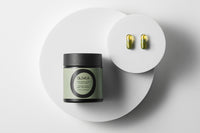
If you want the highest number available and use olive oil raw, as a finishing oil or a daily spoonful, the Ultra High Phenolic EVOO is the one. If you cook with olive oil every day and want a high number without the full intensity, the High Phenolic EVOO is the everyday bottle. If you would rather get the hydroxytyrosol without the calories or the taste, the Olivea capsule carries a lab-verified 23.5 mg per capsule. And if you are reading this in September or October, the smartest move of all may be to wait a few weeks for the new harvest and buy early-harvest oil while its number is at its peak.
For the digestive side of the same story, see our guide to the best olive oil for gut health. For what a daily spoonful does and does not do, see whether olive oil is good for gut health and what the research says about olive oil and acid reflux. If inflammation is the reason you are shopping, see what to look for in an olive oil for inflammation, and for the long-running cohort studies, olive oil and longevity.
This article is educational and is not medical advice. These statements have not been evaluated by the Food and Drug Administration. This product is not intended to diagnose, treat, cure, or prevent any disease. Polyphenol figures for other producers come from their own published reports or independent lab tests at the time of writing and may change between harvests.
Editorial Information
Editorial note. This article is published by Olivea and includes Olivea’s own product among those reviewed. Pros, cons, and rankings reflect the editorial perspective of the Olivea team.
Comparison note. Specs, prices, and label information for non-Olivea products are based on publicly available sources at the time of publication and may have changed. Verify directly with each brand before purchase.
