
This site has limited support for your browser. We recommend switching to Edge, Chrome, Safari, or Firefox.
Simple Sourdough Focaccia Bread Recipe

Simple Sourdough Focaccia Bread Recipe

This rustic sourdough focaccia requires minimal kneading and delivers a crispy, dimpled crust with a tender crumb. Made with sourdough starter, bread flour, and Olivea Extra Virgin Olive Oil, it's the perfect introduction to sourdough baking.

Jump to Recipe
Prep 20 min
Cook 20 min
Total 498 min
Intermediate

Why We Love This Recipe

Why We Love This Recipe

Sourdough fermentation develops natural probiotics and increases bioavailability of nutrients in the flour, making this focaccia more digestible than standard yeast breads. The long fermentation also reduces the glycemic impact of the carbohydrates. What makes this focaccia truly special is the generous finish of Olivea Extra Virgin Olive Oil—drizzled warm onto the dimpled surface, it delivers polyphenols that support cardiovascular health and reduce inflammation.

Rosemary and garlic contribute additional antioxidants and antimicrobial compounds. Each slice combines the comfort of artisanal bread with the nutritional benefits of high-quality olive oil and herbs. The fermentation process also breaks down gluten structures, making it easier on digestion than conventional focaccia.

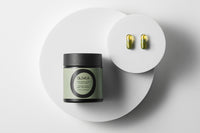
For those looking to maximize daily olive oil polyphenol intake without the cooking process, the Olivea Hydroxytyrosol Supplement offers a convenient daily dose. Learn more about hydroxytyrosol and olive oil polyphenols on our science-backed resources.

View Nutrition Facts

Recipe Success Tips

Use active, bubbly starter

Your starter should be fed 4-8 hours before mixing and should show visible bubbles and a pleasant sour aroma. A sluggish starter will extend fermentation time significantly. If your starter is weak, consider building it up over 2-3 feeds before making focaccia.

Stretch, don't knead

Sourdough focaccia develops strength through stretch-and-fold motions during bulk fermentation, not traditional kneading. This coaxes gluten gently without overworking the dough and keeps the crumb open and pillowy. Perform 4-6 sets of stretches during the first 2 hours of fermentation.

Trust the long fermentation

An 8-18 hour bulk fermentation at room temperature (65-72°F) is where the flavor and digestibility come from. Rushing this step results in bland bread and tight crumb. The dough should roughly double in volume and jiggle slightly when the bowl is gently shaken.

Dimple aggressively at the end

Use oiled fingertips to create deep, irregular dimples across the entire surface just before baking. These pockets trap Olivea EVOO and herbs, creating bursts of flavor and texture. Don't worry about deflating the dough slightly—this is intentional and prevents the focaccia from puffing into a loaf.

Choose extra virgin olive oil for finishing

The quality of Olivea Extra Virgin Olive Oil matters most here since it's not being cooked. Use a high-phenolic EVOO for maximum antioxidant benefit. The robust, peppery finish will shine against the mild, fermented bread. Drizzle generously onto the hot focaccia straight from the oven.

Achieve oven-spring with high heat

Bake at 425°F (220°C) to create a crispy, golden-brown exterior in 25-30 minutes. The dough should rise 50-75% during baking and the top should be deeply colored with some charred spots on the dimples. This contrast between crisp crust and tender inside is the hallmark of good focaccia.

Ingredients

8
servings
  • 3 tablespoons + 2 tablespoons for finishing Olivea Extra Virgin Olive Oil, plus more for drizzling
  • 1 cup active sourdough starter
  • 3/4 cup warm water
  • 2 cups bread flour
  • 1.5 teaspoons kosher salt
  • 4-5 fresh rosemary sprigs
  • 3 garlic cloves, thinly sliced
  • 1 teaspoon flaky sea salt for topping

Kitchen Tools You'll Need

Large mixing bowl
Bench scraper or dough card
Sheet pan or 9x13-inch baking dish
Parchment paper
Instant-read thermometer
Oven

How to Cook Simple Sourdough Focaccia Bread Recipe

MIX

1
Combine active sourdough starter, warm water, and 3 tablespoons Olivea Extra Virgin Olive Oil in a large bowl. Stir until mixed.
2
Add bread flour and stir until all flour is hydrated and a shaggy dough forms with no dry flour visible. Cover and let rest for 30 minutes (autolyse).
3
Sprinkle kosher salt over the dough and gently fold it in using a bench scraper, making sure salt is evenly distributed.

BULK FERMENTATION

4
Perform the first set of stretch-and-folds: wet your hand, grab one side of the dough, stretch it up and fold it over the center. Rotate the bowl 90 degrees and repeat on all four sides. This should take about 1 minute total.
5
Repeat stretch-and-folds every 30 minutes for the first 2 hours (4-6 sets total). The dough should become smoother and stronger with each set.
6
Cover the bowl and let it ferment at room temperature (65-72°F) for 8-18 hours until the dough has nearly doubled in volume and jiggles slightly when the bowl is gently shaken. Fermentation time depends on kitchen temperature.

SHAPE AND PROOF

7
Line a sheet pan with parchment paper and lightly oil it with Olivea Extra Virgin Olive Oil.
8
Turn the dough out onto the prepared pan. Using oiled hands, gently stretch it to fill the pan, working from the center outward. Don't force it if it resists; let it rest for 10 minutes and stretch again.
9
Let the shaped dough rest for 45 minutes to 1 hour at room temperature until it's noticeably puffy and springs back slowly when poked.

DIMPLE AND BAKE

10
Preheat your oven to 425°F (220°C) while the dough finishes its final proof.
11
Using oiled fingertips, dimple the entire surface of the dough, creating deep, irregular pockets. Don't shy away; these dimples should be pronounced and scattered throughout.
12
Distribute garlic slices and rosemary sprigs across the dimples, pressing them gently into the dough.
13
Drizzle the remaining 2 tablespoons of Olivea Extra Virgin Olive Oil generously over the top and sprinkle with flaky sea salt.
14
Bake at 425°F for 25-30 minutes until the top is golden brown and the edges are deeply colored, with some charred spots on the dimples. The focaccia should sound hollow when tapped on the bottom.
15
Remove from the oven and transfer to a wire rack. Serve warm or at room temperature, ideally within a few hours of baking.

Recipe Notes

Serve focaccia warm alongside soups, particularly minestrone or tomato-based broths where you can dip it. It's also wonderful as an antipasto alongside cured meats, cheeses, and marinated vegetables. For a light lunch, split a piece and fill it with roasted vegetables, fresh mozzarella, and more Olivea EVOO.
Focaccia is best eaten the day it's baked, but it keeps well for 2-3 days wrapped loosely in a paper bag at room temperature. To reheat, wrap in foil and warm at 350°F for 10 minutes. For longer storage, slice and freeze for up to 1 month. Toast from frozen or thaw at room temperature.
Starter activity is the most critical variable. If your starter is slow-moving, keep the dough in a warmer spot (70-75°F). If it's very active, you can ferment in a cooler environment (65°F) to slow down and develop more flavor. A thermometer in a quiet spot in your kitchen helps you track temperature over time.
Try caramelized onions and thyme, sliced tomatoes with oregano, olives and feta, or even a simple spray of water before baking for extra steam and crispness. The base recipe is flexible—the fermentation and dimpling technique are what matter most.
You can prepare the dough through the bulk fermentation stage, shape it, and refrigerate it for 8-16 hours before dimpling and baking. This cold final proof develops even more complex flavor. Let the cold dough come to room temperature (30-40 minutes) before dimpling and baking.

Nutrition Facts per Serving

Nutrition Facts
Serving size 1 piece (1/8 of focaccia)
Calories 285
% Daily Value*
Total Fat 7g9%
Saturated Fat 1g5%
Trans Fat 0g
Unsaturated Fat 6g
Monounsaturated Fat 5g
Polyunsaturated Fat 0.5g
Cholesterol 0mg0%
Sodium 385mg17%
Total Carbohydrate 47g17%
Dietary Fiber 2g7%
Total Sugars 1g
Includes 0g Added Sugars 0%
Protein 10g20%
Vitamin A 2mcg0%
Vitamin C 1mg2%
Vitamin D 0mcg0%
Calcium 75mg6%
Iron 4mg22%
Potassium 95mg2%
* Percent Daily Values are based on a 2,000 calorie diet.

The Best No-Cook Way to Get Olive Oil Benefits

This recipe showcases the best of cooked Olivea EVOO—the warm oil finishing the hot focaccia maximizes its aromatic compounds and delivers olive polyphenols with every bite. For those who enjoy the cardiovascular and anti-inflammatory benefits of olive oil polyphenols as part of a daily routine, the Olivea Hydroxytyrosol Supplement offers a convenient, consistent dose without needing to cook.
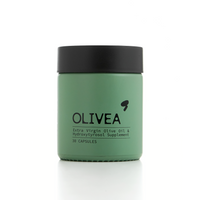
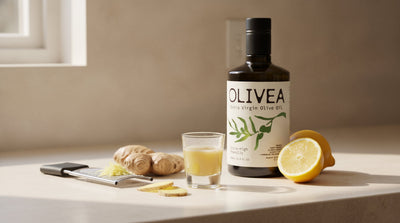
Olivea Hydroxytyrosol Supplement
$40.00
Add to Cart

Frequently Asked Questions

Yes, this is one of the best advantages of focaccia. You don't need any special equipment. A simple sheet pan with parchment paper works perfectly. The dimpled shape and thin dough create their own steam and crust development without a covered vessel.
A weak starter will extend fermentation time unpredictably. Before making focaccia, feed your starter 1-2 times and wait until it consistently doubles in volume within 4-8 hours of feeding. You should see abundant bubbles and a pleasant sour smell. If your kitchen is cold, place the starter in a warmer spot like on top of the refrigerator.
Focaccia is best eaten fresh the day it's baked when the crust is crispest. It stays soft and edible for 2-3 days wrapped in a paper bag at room temperature. After that, slice and freeze for up to 1 month. Toast frozen slices to refresh them.
Yes, all-purpose flour works well for focaccia. You may need to add an extra 1-2 tablespoons of water since all-purpose has slightly lower protein content. The resulting crumb will be slightly softer, but the flavor and fermentation will be just as good.
Gumminess usually indicates underproofing, underproofing during final rise, or baking at too low a temperature. Make sure your bulk fermentation is at least 8 hours and that the shaped dough has been proofed until it's noticeably puffy. Bake at a full 425°F and check doneness by tapping the bottom for a hollow sound.
Absolutely. High-phenolic Olivea Extra Virgin Olive Oil brings a robust, peppery finish that complements the mild fermented bread beautifully. Regular or light olive oil lacks the complexity and health benefits. Since the oil is drizzled on after baking, its quality matters much more than in cooked recipes.
Dimpling is your key tool here. By creating deep pockets across the entire surface, you prevent the dough from rising uniformly. Combined with the relatively short bake time and high starting temperature, this creates a flat, crispy focaccia instead of a loaf.
Yes. Caramelized onions, fresh tomato slices, roasted peppers, olives, or roasted garlic all work beautifully. Add them after dimpling and before drizzling with Olivea EVOO. Avoid very wet vegetables that could steam the bottom; pat them dry first.
Both are sourdough breads, but focaccia is dimpled and topped with oil and salt, resulting in a crispy, flat bread meant for tearing and dipping. Ciabatta is shaped into a loaf and sliced, with a more open, irregular crumb. Focaccia is also baked in a pan for a softer bottom.
Yes. After shaping, you can refrigerate for 8-16 hours before the final proof and baking. This cold fermentation deepens flavor and can reduce the speed of fermentation if you're working with a very active starter. Remove from the fridge 30-40 minutes before dimpling to let it warm slightly.

Cart

No more products available for purchase