
Este sitio web tiene ciertas restriucciones de navegación. Le recomendamos utilizar buscadores como: Edge, Chrome, Safari o Firefox.
Lab-Verified at 1,000+ mg/kg

The Best High Phenolic Olive Oil In the World

The exact oil the longevity research was actually measuring.

If you reverse-engineer every major study linking olive oil to cardiovascular and cognitive health, you arrive at the same product specification. Early-harvest olives picked when the fruit is still green and bitter. Single origin, no blending. Cold-pressed within hours, below 27°C. Stored in dark glass and consumed within a year. Polyphenol concentration above 250 milligrams per kilogram, ideally above 500.

That spec describes high phenolic olive oil. It doesn’t describe the bottle in 90% of American kitchens. The supermarket extra virgin category is engineered for shelf life and yield, not for the biology that the studies actually tested. Most extra virgin olive oils on the market measure in at 50 to 150 mg/kg of polyphenols, well below the European Food Safety Authority’s threshold for an approved health claim.

Olivea was built to that research spec. Olivea Ultra-High Phenolic is single-origin Olympia olives from Messinia, Greece, cold-pressed within hours of harvest, stored in nitrogen, USDA certified organic, and lab-verified at 1,000+ mg/kg of polyphenols. Four times the EFSA threshold and among the highest concentrations in the world. The studies didn’t test a category. They tested an oil. This is that oil.

01 The Definition

What Is High Phenolic Olive Oil?

Least Potent Most Potent
Regular EVOO50–150
EFSA threshold250+
Olivea Everyday High Phenolic500+

Fig. — Polyphenol concentration (mg/kg) across the EVOO category. EFSA's health-claim threshold sits at 250+; Olivea's two oils land at 500+ and 1,000+.

High phenolic olive oil is extra virgin olive oil that contains at least 250 milligrams of polyphenols per kilogram, the threshold the European Food Safety Authority set for the only health claim ever approved for olive oil. Polyphenols are the natural compounds inside olives that protect your cells from oxidative damage and that give real olive oil its bitter, peppery, throat-burning character. The number on the label is everything.

02 The Mechanism

Why Polyphenols Are What Make Olive Oil “Functional”

Without polyphenols, olive oil is just fat. With them, it’s one of the most studied health compounds on Earth. Each benefit unfolds as you scroll.

They protect your blood from oxidative damage.

This is the benefit with the strongest regulatory backing. The European Food Safety Authority reviewed every line of polyphenol research and approved one health claim: olive oil polyphenols contribute to the protection of blood lipids from oxidative stress. Oxidized LDL cholesterol is the actual trigger for arterial damage, not LDL itself.

In the landmark EUROLIVE trial, adults consuming high-polyphenol olive oil daily saw their HDL rise and their oxidized LDL drop in proportion to the polyphenol dose. Multiple follow-ups have replicated the effect.

They reach your brain and protect neurons.

Hydroxytyrosol, the most studied polyphenol in olive oil, is one of the few plant compounds that crosses the blood-brain barrier and stays active there. That access is what lets it interact with neurons directly instead of working only on systemic markers.

Population studies consistently link high olive oil intake to lower stroke risk and slower age-related cognitive decline. Early controlled trials are finding measurable improvements in memory and processing speed.

They calm inflammation, the same way ibuprofen does.

Oleocanthal, the polyphenol responsible for the peppery throat burn in real olive oil, acts on the same anti-inflammatory pathway as ibuprofen. It inhibits the COX-1 and COX-2 enzymes that drive low-grade inflammation, the same inflammation that fuels most chronic disease.

You don’t feel acute relief, but daily intake of high-phenolic olive oil is associated with measurably lower CRP and other systemic inflammation markers in human cohort studies.

They defend every cell from free radicals.

Polyphenols neutralize free radicals before they damage proteins, lipids, and DNA inside your cells. This is the underlying mechanism behind nearly every “anti-aging” benefit ever attributed to olive oil. Hydroxytyrosol scores among the highest of any naturally occurring antioxidant on the ORAC scale.

Beyond direct scavenging, polyphenols also activate the Nrf2 pathway, which switches on your cells’ built-in antioxidant enzyme production (glutathione, superoxide dismutase, catalase). In side-by-side testing, hydroxytyrosol delivers roughly twice the radical-scavenging capacity of the vitamin E analog Trolox.

They keep your blood vessels flexible and flowing.

Beyond protecting cholesterol, polyphenols improve the function of the blood vessels themselves. Studies have shown improved endothelial function (the elastic lining of blood vessels), better blood flow, and reduced platelet aggregation in adults consuming high-phenolic olive oil daily.

Vascular elasticity is one of the strongest predictors of long-term cardiovascular health. Stiffening of the arteries is a marker of biological aging that responds to dietary polyphenols.

They steady your blood sugar and insulin response.

A growing body of evidence ties high-phenolic olive oil to better insulin sensitivity and improved blood sugar regulation. The polyphenols modulate the inflammatory pathways that drive insulin resistance, and they reduce the oxidative stress associated with metabolic syndrome.

A 2025 randomized controlled trial in adults with overweight and prediabetes found measurable improvements in oxidative stress and inflammatory markers after 16 weeks of daily polyphenol intake, with no adverse events.

They extend lifespan and lower all-cause mortality.

The Mediterranean diet, with high-phenolic olive oil at its center, is the most studied diet on Earth and is consistently linked to longer lifespan and lower all-cause mortality. The PREDIMED trial, the EPIC cohort, and the original Seven Countries Study all converge on the same outcome.

People in the highest olive oil consumption category have lower mortality from cardiovascular disease, cancer, and neurodegenerative disease, and the effect scales with the polyphenol content of the oil they consume.

03 The Strongest Compound

Hydroxytyrosol: The Compound Behind the Benefits

Polyphenols are the family. Hydroxytyrosol is the headliner. It’s the most studied polyphenol in olive oil, and the European Union uses its concentration as the measurable benchmark for the only health claim ever approved for olive oil.

If polyphenols are the engine, hydroxytyrosol is the fuel. It’s found naturally inside every olive, with concentrations highest in green, early-harvest fruit. Cardiologists, food scientists, and the European Food Safety Authority have all converged on the same conclusion: this is the compound that does the work.

The EFSA-approved health claim covers olive oil polyphenols broadly, but the threshold is standardized by hydroxytyrosol and its derivatives: a daily 20g serving must deliver at least 5 mg of hydroxytyrosol and its derivatives. Most extra virgin olive oils don’t come close. Olivea Ultra-High Phenolic delivers 3 to 4 mg of hydroxytyrosol per tablespoon, so two tablespoons clear the EFSA threshold with room to spare.

Want hydroxytyrosol in concentrated supplement form, without the calories of olive oil?

EFSA Health Claim · EU Regulation 432/2012

“Olive oil polyphenols contribute to the protection of blood lipids from oxidative stress.”

European Food Safety Authority. The claim applies to a daily intake of 20g of olive oil delivering at least 5 mg of hydroxytyrosol and its derivatives. Two tablespoons of Olivea Ultra-High Phenolic exceed that threshold.

Read Full Hydroxytyrosol Guide
High Phenolic Products

Shop Olivea for Polyphenols

Three ways to land above the EFSA polyphenol threshold every day. Pick the format that fits your routine. All three deliver lab-verified, single-origin Olivea polyphenols at clinically meaningful doses.

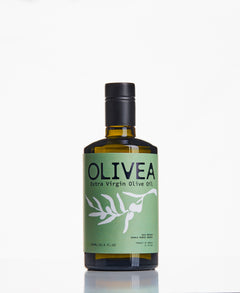
Aceite de Oliva Virgen Extra Ultra Fenólico - NUEVA COSECHA 2025-26
Highest Verified
Aceite de Oliva Virgen Extra Ultra Fenólico - NUEVA COSECHA 2025-26

Our most concentrated bottle: 1,000+ mg/kg polyphenols, four times the EFSA threshold. Single-origin Olympia olives from Messinia, cold-pressed within hours of harvest.

$45.00
1,000+ mg/kg 4× EFSA Robust Flavor
Aceite de Oliva Virgen Extra Alto en Polifenoles - COSECHA NUEVA 2025-26
Daily Driver
Olivea Everyday High Phenolic EVOO

USDA Organic Koroneiki from Messinia, 500+ mg/kg polyphenols (ten times standard EVOO). Smoother and more balanced for everyday cooking, salads, and finishing.

$35.00
USDA Organic Early Harvest Versatile
Olivea: Suplemento de hidroxitirosol
Concentrated Form
Olivea: Suplemento de hidroxitirosol

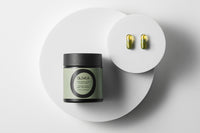
20 mg of standardized hydroxytyrosol per capsule, suspended in a real EVOO base. Polyphenol intake on autopilot for travel, busy weeks, and zero-calorie days.

$40.00
4× EFSA Dose 5 Calories Travel-Friendly
04 Buyer Beware

Why Most “High Polyphenol” Claims Are Misleading

“High in polyphenols” on a label means almost nothing. Without a real lab number, it’s marketing copy. Here’s what actually destroys polyphenols, and what real producers control for.

Reason 1

Late harvest

Polyphenols are at their peak in green, unripe olives. Most producers harvest late because ripe olives produce more oil. Higher yield, lower polyphenols. They’ve made the trade.

Reason 2

Heat at extraction

Industrial mills run hot to squeeze out more oil. Heat above 27°C (80°F) breaks polyphenols down. True cold extraction stays below that line, every time.

Reason 3

Time and oxygen

Polyphenols start degrading the moment olives are picked. Hours matter. Premium oils press the same day. Industrial oils sit in trucks and silos for days, losing potency before they’re ever bottled.

Reason 4

Light and storage

Clear bottles, warm storage, and time on shelves all destroy polyphenols. By the time most “premium” olive oil reaches your kitchen, it’s a fraction of what it started at.

This is why two bottles labeled identically can deliver wildly different results. The label isn’t enough. You need the number, the harvest date, and the certificate.

05 Our Approach

Olivea: Exceptionally High-Phenolic Olive Oil, Verified

We don’t compete on yield, packaging, or marketing. We compete on what’s actually in the bottle. Here’s exactly how we get to 1,000+ mg/kg.

Olympia cultivar

A Greek variety naturally rich in polyphenols. Grown in Messinia, where the climate and soil produce some of the most bioactive olives in the world.

Early harvest

We pick when the olives are still green and bitter. This sacrifices yield for polyphenol density. Most producers do the opposite. We don’t.

Cold-pressed within hours

Olives go from tree to mill within hours of harvest and are pressed below 27°C. No heat, no chemicals, no shortcuts. The polyphenols survive.

Single-origin, no blending

Every bottle traces back to local family groves in one region and one harvest. We don’t blend lots, mask weaker oils, or top up from other regions to hit volume.

USDA Certified Organic

Sustainable farming with zero pesticides. Stored in nitrogen-flushed stainless steel containers to lock in the polyphenol profile from press to bottle.

HPLC and NMR verified, every batch

Independent third-party testing on every harvest, plus screening for heavy metals and microbes. Certificates available by batch number, anytime.

06 The Picks

The Best High Polyphenol Olive Oils

Both Olivea oils sit above the EFSA threshold and use the same single-origin Messinia source, the same cold-press window, and the same lab verification. The difference is potency, taste, and the role they’re built to play in your kitchen.

Olivea Ultra-High Phenolic EVOO
Ultra-High Phenolic

Olivea Ultra-High Phenolic EVOO

1,000+ mg/kg polyphenols
Why it’s the best

Four times the EFSA threshold, among the highest verified polyphenol concentrations sold anywhere. Olympia cultivar from a single Messinia estate, cold-pressed within hours of harvest, then HPLC and NMR verified on every batch. Cardiologist-formulated.

Best for

Daily wellness shots, finishing oil for raw applications, salads, eggs, finished pasta. Anyone optimizing for maximum polyphenol intake or who wants the peppery throat-burn ritual that signals active oleocanthal.

Olivea Everyday High Phenolic EVOO
Daily-Driver

Olivea Everyday High Phenolic EVOO

500+ mg/kg polyphenols
Why it’s the best

Two times the EFSA threshold and ten times standard supermarket EVOO. USDA Organic Koroneiki from Messinia, same cold-press process as the Ultra-High, smoother and more balanced flavor profile that’s built to disappear into food rather than dominate it.

Best for

Everyday cooking and baking, sautéing under medium heat, roasting under 200°C, salad dressings, marinades, and anyone who wants high-phenolic benefits with a milder taste the whole household will use.

Featured Product

Olivea Hydroxytyrosol Supplement

When you want the polyphenol intake without the calories. The same compound the EFSA built its olive oil health claim around, isolated from olive fruit and standardized so the daily dose is the same every time.

4x EFSA Dose 20 mg per capsule
Real EVOO Inside Cap-in-cap delivery
HPLC Tested Third-party verified
Cap-in-Cap Design Optimized absorption
Only 5 Calories Zero bitterness
All Natural No fillers or additives
Try Olivea Now
Olivea Hydroxytyrosol Supplement
07 Head-to-Head

Olivea vs Other High Phenolic Olive Oils

Side by side, on the metrics that actually matter. Each Olivea product is built to a different daily use case, but all three sit above the EFSA threshold. Most other olive oil products on the market don’t.

Feature Olivea Everyday Olivea Ultra-High Olivea HT Supp Others
Polyphenols delivered500+ mg/kg1,000+ mg/kg20 mg HT/capsuleVaries / unverified
EFSA threshold met✓ 4×✓ 4×
USDA Certified OrganicVaries
HPLC + NMR lab verified
Cardiologist-formulated
Single-origin Messinia
Daily-cooking friendlyBest rawn/a (capsule)Varies
Travel / shelf-stableBottleBottleVaries
Best forDaily cookingDaily wellnessConvenience

Three products, one standard. What you’re paying for isn’t the bottle or the capsule. It’s the polyphenol load that survives from tree to your table.

08 Daily Practice

How to Build Olivea Into Your Day

Two tablespoons of Olivea Ultra-High Phenolic clears the EFSA threshold for blood-lipid protection. The easiest way to land there: small servings throughout the day instead of one big pour. Here’s a full day of high-phenolic ideas.

AM

Morning

  • Wellness shot. One tablespoon, straight from the spoon, before coffee.
  • Eggs. Drizzle a teaspoon over scrambled, fried, or jammy eggs after they’re plated.
  • Avocado toast. Slow pour over the avocado, then flaky salt and cracked pepper.
  • Greek yogurt. A tablespoon stirred into plain Greek yogurt with a twist of lemon zest.
  • Oats & porridge. Finish a bowl of steel-cut oats with a thread of Olivea instead of butter.
  • Smoothies. A teaspoon into green or berry smoothies for fat-soluble nutrient absorption.
PM

Afternoon

  • The 3:1 dressing. Three parts Olivea, one part lemon juice or red wine vinegar, salt, pepper.
  • Grain bowls. Toss with farro, quinoa, or lentil bowls right before eating.
  • Bread dipping. Pour into a shallow dish with cracked pepper. The Italian default.
  • Hummus & spreads. Drizzle a thread over hummus, labneh, or white bean dip.
  • Soup finisher. Add raw to a bowl of soup right before serving so the polyphenols survive the heat.
  • Mediterranean snack. Tomatoes + Olivea + flaky salt. Lycopene meets polyphenols.
PM

Evening

  • Sauté. Garlic, onions, leafy greens at low-to-medium heat.
  • Roast. Toss vegetables and roast under 200°C / 400°F to preserve polyphenols.
  • Pasta finish. Pour over pasta straight from the strainer with grated cheese and pepper.
  • Grilled fish or steak. Reserve a finishing pour after the heat is off.
  • Pan sauces. Use as the fat base for emulsions, vinaigrettes, and pestos.
  • Marinade. 3 tbsp Olivea + lemon + garlic + herbs. Brush onto fish or chicken before grilling.
FAQ

High Polyphenol Olive Oil FAQs

Quick answers to the questions buyers ask most. Each reflects current research and EU regulatory standards.

Olivea Ultra-High Phenolic EVOO contains 1,000+ mg/kg of polyphenols, placing it among the highest verified olive oils in the world. Polyphenol content across the category ranges from around 50 mg/kg in supermarket EVOO to over 2,000 mg/kg in rare elite oils. Always check for a published lab number, not just a “high polyphenol” label.

High phenolic olive oil is extra virgin olive oil containing at least 250 mg of polyphenols per kilogram, the threshold set by the European Food Safety Authority for an approved health claim. Premium high-phenolic oils typically range from 500 to 1,000+ mg/kg. Both Olivea oils sit at the top of this range: Ultra-High Phenolic at 1,000+ mg/kg and Everyday High Phenolic at 500+ mg/kg.

For health benefit, yes. Higher polyphenol content means more antioxidant activity, stronger anti-inflammatory effect, and greater cardiovascular protection. The trade-off is taste: high-phenolic oils are more bitter and peppery, which is the signature of bioactive compounds at work. Olivea Ultra-High Phenolic delivers maximum potency for a daily wellness shot; Olivea Everyday High Phenolic offers the same standards in a smoother, more balanced profile for daily cooking.

Yes. Polyphenols in high phenolic olive oil are partially preserved during moderate heat cooking such as sautéing and roasting, but prolonged high heat degrades them. For maximum benefit, use it raw drizzled over finished food. Olivea Everyday High Phenolic is built for cooking, while Olivea Ultra-High Phenolic is best reserved for finishing and raw applications.

The EU health claim is based on a daily intake of 20g of olive oil (about two tablespoons) delivering at least 5 mg of hydroxytyrosol and its derivatives. Two tablespoons of Olivea Ultra-High Phenolic exceed that threshold. Most observational studies linking olive oil to long-term health outcomes follow participants consuming one to four tablespoons daily.

Mg/kg means milligrams of polyphenols per kilogram of olive oil. It is the standard measurement used to compare polyphenol content across brands. The higher the number, the more bioactive compounds the oil delivers per serving. Olivea publishes the mg/kg on every bottle and on a batch certificate available for every harvest.

Higher polyphenol content requires early harvest (lower yield), single-origin sourcing, cold extraction, and rapid milling. Each of these reduces production volume and increases cost. You are paying for what survives from tree to bottle, not for branding. Olivea uses each of those steps (early-harvest Olympia and Koroneiki olives from a single Messinia estate, cold-pressed within hours) to deliver verified polyphenols at a price that reflects the production cost.

Polyphenols degrade gradually after opening due to oxygen and light exposure. A high-phenolic olive oil stored in dark glass, sealed, in a cool cupboard will retain most of its polyphenols for 12 to 18 months. Heat, light, and air shorten this significantly. Olivea ships in dark glass with nitrogen-flushed seals to lock the polyphenol load in place from press to your kitchen.

All high phenolic olive oils are extra virgin, but most extra virgin olive oils are not high phenolic. “Extra virgin” refers to quality and acidity standards. “High phenolic” refers to polyphenol content of at least 250 mg/kg, a separate measurement most extra virgin oils do not meet. Both Olivea oils qualify by a wide margin: Ultra-High Phenolic at 1,000+ mg/kg and Everyday High Phenolic at 500+ mg/kg.

Look for three things on the bottle or product page: a specific mg/kg polyphenol number, a recent harvest date, and a third-party lab certificate. Marketing terms like “premium,” “high polyphenol,” or “rich in antioxidants” without a verified number mean nothing. Olivea publishes the mg/kg, the harvest year, and HPLC + NMR lab certificates on every product page.

Choose Olivea

Most olive oil is just fat.
Olivea is function.

Lab-verified at 1,000+ mg/kg, USDA Organic, single-origin Olympia from Messinia, cold-pressed within hours of harvest, and HPLC-verified batch by batch. This is what high phenolic olive oil is supposed to be.

Lab certificate with every order Free shipping on subscriptions Cancel anytime

Carrito de compras

No hay más productos disponibles para comprar