
This site has limited support for your browser. We recommend switching to Edge, Chrome, Safari, or Firefox.
UK customers — find us on Healf →
Greek Salad Dressing (Authentic Ladolemono)

Greek Salad Dressing (Authentic Ladolemono)

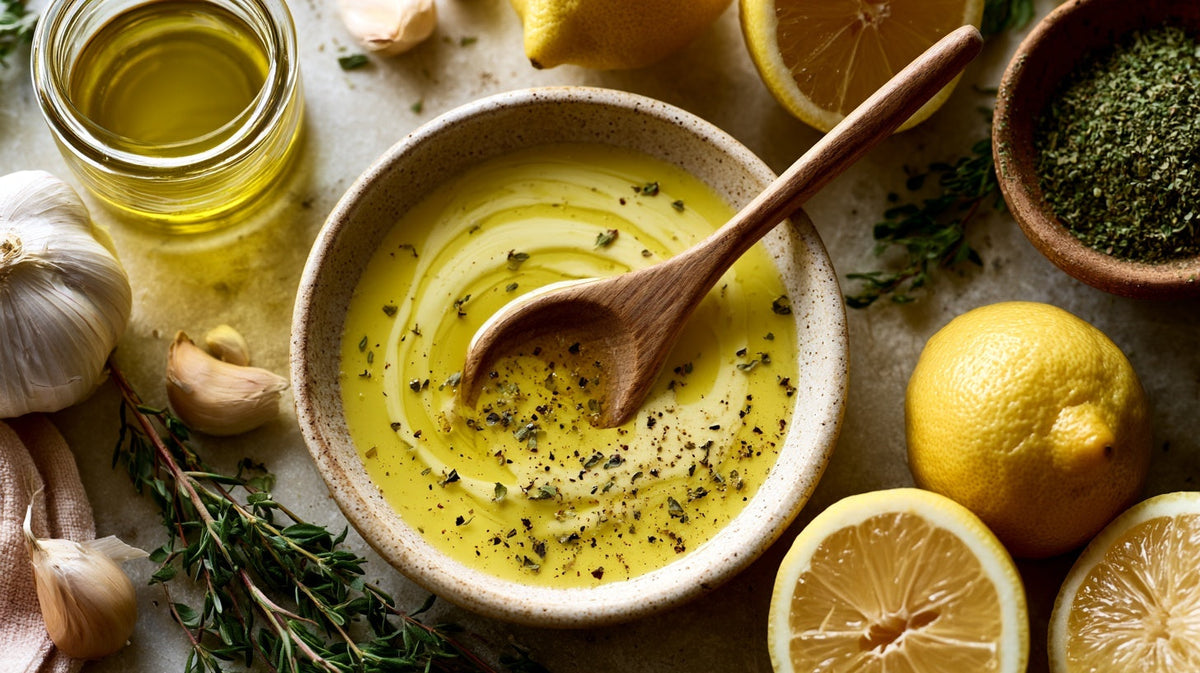
Authentic ladolemono, the classic Greek lemon and olive oil dressing, whisked raw in five minutes with fresh lemon, fruity extra virgin olive oil, oregano, and garlic. It tastes bright and grassy with a peppery finish, and it makes any Greek salad, grilled fish, or roasted vegetable taste like it came from a taverna.

Jump to Recipe
Prep 5 min
Cook 0 min
Total 5 min
Easy

Why We Love This Recipe

We love this dressing because it is good for you in the simplest way: it is nothing but fresh lemon juice, garlic, oregano, and olive oil, all raw and uncooked, so every bright, herbaceous note reaches the plate exactly as nature made it. Fresh lemon brings vitamin C, garlic and oregano add their own aromatic compounds, and because nothing is heated, the dressing keeps its clean, lively character. It is the kind of bright, plant-forward dressing that makes salads, vegetables, and fish the easiest part of eating well.

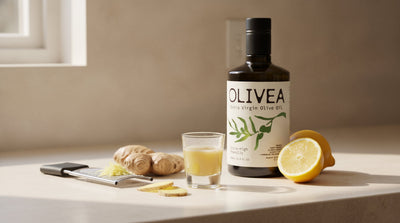
What turns a good ladolemono into a great one is the olive oil, and this is where Ultra High Phenolic Extra Virgin Olive Oil earns its place. Because it is whisked in raw, its bold, peppery character becomes the flavor of the dressing, and that peppery catch at the back of your throat is the hydroxytyrosol you can actually taste, the most studied of the olive polyphenols. Olivea is rich in these polyphenols, lab-verified at 1,000+ mg/kg total polyphenols by qNMR at the University of Athens, and it is developed with Harvard-trained cardiologists, USDA Certified Organic, single-origin from Messinia, Greece, early harvest, and cold-pressed within hours. Polyphenols are highest in a fresh, high-phenolic oil and fade with time and heat, so a raw, whisked dressing like this one is among the best ways for the most of them to reach your plate. If you would like what makes olive oil healthy explained simply, that is a good place to start, and you can read more about the science behind it.

Olive oil is the cornerstone fat of the Mediterranean diet and is rich in monounsaturated fats, and a raw lemon-and-oil dressing is one of the most traditional ways Greeks have always eaten it. Spooned over a salad of tomatoes, cucumbers, and feta, or finished over grilled fish, it is a small, everyday habit that fits naturally into a Mediterranean-diet pattern of eating.

View Nutrition Facts

Recipe Success Tips

Use fresh lemon juice, never bottled.

The whole personality of ladolemono comes from fresh lemon, so squeeze it just before whisking. Bottled juice tastes flat and slightly metallic and will dull the bright, citrusy lift that makes this dressing worth making.

Let the oil carry the flavor.

Because nothing is cooked, the olive oil is tasted raw and defines the dressing. Reach for a fresh, peppery Ultra High Phenolic Extra Virgin Olive Oil so its grassy, fruity character and clean peppery finish come through in every bite.

Whisk in a steady stream to emulsify.

Add the oil slowly while whisking briskly so the lemon and oil come together into a silky, slightly thickened dressing rather than separating. A small jar with a tight lid works too: add everything and shake hard for fifteen seconds.

Rub the oregano between your fingers.

Crushing dried oregano in your palm right before it goes in releases its aromatic oils and wakes up the herb. It is a five-second step that makes the dressing smell and taste noticeably more fragrant.

Grate the garlic, do not chop it.

A microplane turns the garlic into a smooth paste that disperses evenly through the dressing, so you get gentle garlic in every spoonful instead of sharp, raw bites. One clove is plenty for a dressing this size.

Taste and balance before serving.

Lemons vary in tartness, so taste and adjust: a little more oil softens the edge, a pinch more salt rounds it out, and a few extra drops of lemon sharpen it. The dressing should taste lively but not aggressively sour.

Ingredients

8
servings
  • 3/4 cup Ultra High Phenolic Extra Virgin Olive Oil
  • 1/4 cup fresh lemon juice (from about 2 large lemons)
  • 1 garlic clove, grated or finely minced
  • 1 tsp dried oregano, crushed
  • 1/2 tsp sea salt
  • 1/4 tsp black pepper, freshly ground
  • 1/4 tsp Dijon mustard (optional, for a thicker emulsion)

Kitchen Tools You'll Need

Mixing Bowl
Whisk
Microplane or Garlic Press
Citrus Juicer
Glass Jar with Lid

How to Cook Greek Salad Dressing (Authentic Ladolemono)

MIX

1
Add the fresh lemon juice, grated garlic, crushed dried oregano, sea salt, black pepper, and the optional Dijon mustard to a medium bowl. Whisk for a few seconds until the salt dissolves and the garlic and oregano are evenly distributed.
2
While whisking briskly, pour in the Ultra High Phenolic Extra Virgin Olive Oil in a slow, steady stream. Its bold, grassy, peppery flavor is what defines this dressing, so add it gradually so it emulsifies into a silky, slightly thickened ladolemono rather than separating.

FINISH

3
Taste and adjust: a little more oil to soften, a pinch more salt to round it out, or a few drops more lemon to brighten. Use right away over a Greek salad, or transfer to a glass jar with a tight lid and re-whisk or shake before each use.

Recipe Notes

This is the classic dressing for a Greek salad of tomatoes, cucumber, red onion, Kalamata olives, and feta, but it is just as good spooned over grilled fish, lamb chops, roasted vegetables, or warm potatoes. It also makes a bright finish for a bowl of Greek lemon rice, and works as a quick marinade for chicken or fish before grilling.
For a tangier dressing, replace a tablespoon of the lemon juice with red wine vinegar. If you prefer a gentler, less peppery result, our High Phenolic Extra Virgin Olive Oil gives a smoother, more rounded finish. Love this style of bright, lemony sauce? Try our lemon vinaigrette for salads, the herby lemon herb tahini sauce for bowls and falafel, or a creamy lemon dill sauce for salmon.
Store ladolemono in a sealed glass jar in the refrigerator for up to two weeks. The olive oil will firm up and turn cloudy when chilled, which is normal, so let the jar sit at room temperature for ten minutes and shake well before serving. Keeping it tightly sealed and away from light helps protect its fresh flavor.

Nutrition Facts per Serving

Nutrition Facts
Serving size 2 tablespoons
Calories 185
% Daily Value*
Total Fat 21g27%
Saturated Fat 2.9g15%
Trans Fat 0g
Unsaturated Fat 18g
Monounsaturated Fat 15g
Polyunsaturated Fat 2g
Cholesterol 0mg0%
Sodium 146mg6%
Total Carbohydrate 1g0%
Dietary Fiber 0.1g0%
Total Sugars 0.3g
Includes 0g Added Sugars 0%
Protein 0g0%
Vitamin C 3mg3%
Calcium 3mg0%
Iron 0.2mg1%
Potassium 19mg0%
* Percent Daily Values are based on a 2,000 calorie diet.

The Best No-Cook Way to Get Olive Oil Benefits

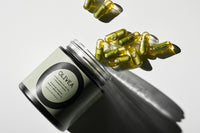
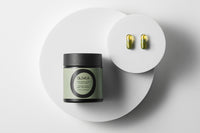
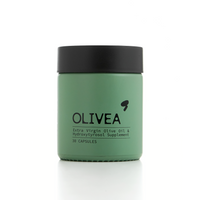
Whisking a fresh, high-phenolic olive oil into a raw dressing like this keeps cooking heat off it, so its polyphenols and flavor go straight to your plate. For an easy daily polyphenol habit on days you are not making ladolemono, the Olivea Hydroxytyrosol Supplement delivers a convenient no-cook dose.
Olivea Hydroxytyrosol Supplement
$40.00
Add to Cart

Frequently Asked Questions

Authentic Greek salad dressing, called ladolemono, is made from fresh lemon juice, extra virgin olive oil, garlic, dried oregano, salt, and pepper, whisked together raw. Some versions add a little red wine vinegar or Dijon mustard, but lemon and good olive oil are the heart of it.
Ladolemono is the classic Greek lemon and olive oil dressing or sauce. The name combines the Greek words for oil (ladi) and lemon (lemoni). It is used both as a salad dressing and as a bright finishing sauce for grilled fish, meat, and vegetables.
Because the oil is whisked in raw and tasted directly, use a fresh, flavorful extra virgin olive oil. A peppery, high-phenolic oil like Olivea Ultra High Phenolic Extra Virgin Olive Oil gives the dressing a grassy, fruity character and a clean peppery finish that defines a great ladolemono.
Stored in a sealed glass jar in the refrigerator, ladolemono keeps for up to two weeks. The olive oil will turn cloudy and firm up when chilled, so let it sit at room temperature for about ten minutes and shake well before using.
It is made entirely from whole, fresh ingredients with no added sugar, and olive oil is the cornerstone fat of the Mediterranean diet and rich in monounsaturated fats. Using the oil raw is a traditional, simple way to enjoy it.
Yes. Ladolemono works beautifully as a marinade for chicken, lamb, or fish before grilling, and as a finishing drizzle over the cooked dish. The lemon and garlic carry flavor into the meat while the olive oil keeps it moist.
Fresh lemon juice gives the bright, clean citrus flavor that defines ladolemono, while bottled juice tastes flat and slightly metallic. Since the dressing has so few ingredients, the quality of each one shows, so fresh lemon is worth squeezing.
Beyond a classic Greek salad of tomatoes, cucumber, onion, olives, and feta, spoon it over grilled fish, lamb chops, roasted or steamed vegetables, warm potatoes, or grain bowls. Anywhere you want a bright, lemony, herbaceous lift, it works.
Whisk briskly while pouring the olive oil in a slow, steady stream so it emulsifies into a silky dressing, and add a quarter teaspoon of Dijon mustard if you want it to hold together longer. If it does separate, simply re-whisk or shake the jar before serving.
Yes. Made with lemon, olive oil, garlic, oregano, salt, and pepper, ladolemono is naturally vegan, plant-based, dairy-free, and gluten-free, which makes it an easy dressing to serve to a mixed table.

Cart

No more products available for purchase