
What Is Hydroxytyrosol? Olive Oil’s Most Studied Compound
A science-backed reference to the polyphenol longevity research keeps converging on.
Hydroxytyrosol works on the kind of damage that doesn’t hurt, doesn’t feel urgent, and doesn’t show up until much later. Every day, free radicals oxidize cholesterol in your bloodstream, damage the DNA inside your cells, and keep low-level inflammation active in the background. You don’t feel any of this happening, but it builds over time and eventually shows up as heart disease, type 2 diabetes, Alzheimer’s, and the gradual physical and cognitive decline most people accept as aging.
Most compounds don’t show clear, measurable effects on these processes in people. Hydroxytyrosol does. It’s the most studied polyphenol found in olives, with more than 2,000 published studies behind it, and it’s part of the group of olive oil polyphenols recognized by the European Food Safety Authority for helping protect blood lipids from oxidative stress. That body of research is now showing up in controlled human trials. In a 2025 randomized, double-blind study, people who took 15 mg daily for 16 weeks showed measurable improvements in markers linked to oxidative stress, inflammation, and cellular damage, with no adverse effects reported. This is the level of evidence Olivea is built on.


What Makes Hydroxytyrosol Unique
Hydroxytyrosol (3,4-dihydroxyphenylethanol) is a natural polyphenol found in olives, olive leaves, and extra virgin olive oil. Its catechol group and small molecular weight (154.16 g/mol) give it extraordinary free radical scavenging ability.
What makes it unique among antioxidants is its amphipathic nature: it can protect both water-soluble and fat-soluble cellular environments. Most antioxidants only work in one phase. Hydroxytyrosol works in both.
Olivea’s supplement and high-phenolic olive oils are engineered to deliver hydroxytyrosol at standardized, EFSA-compliant levels.
Where Does Hydroxytyrosol Come From?
Hydroxytyrosol is found naturally in olives, olive leaves, and olive oil, the cornerstone of the Mediterranean diet that has been linked to longevity for centuries.
The primary natural source. Concentrations are highest in freshly harvested olives and increase during the early ripening stage.
EVOO retains hydroxytyrosol through cold pressing. Levels vary widely (1–15 mg/kg) depending on cultivar, harvest time, and processing.
Olive leaves contain oleuropein, which is hydrolyzed into hydroxytyrosol. Leaf extracts are used in some supplements and traditional remedies.
Olive processing wastewater is rich in hydroxytyrosol. Modern extraction technology recovers this valuable compound sustainably.
What Hydroxytyrosol Does for Your Body
Researchers have studied hydroxytyrosol for over two decades. Here are seven areas where the science is strongest. Tap any category to see the evidence.
Heart Health
This is the benefit with the strongest regulatory backing. The European Food Safety Authority (EFSA) reviewed the evidence and approved a specific health claim: olive oil polyphenols like hydroxytyrosol contribute to the protection of blood lipids from oxidative stress. In a landmark clinical trial (Covas et al., 2006), people who consumed high-polyphenol olive oil saw their "good" HDL cholesterol rise while their oxidized "bad" LDL dropped.
Studies also show hydroxytyrosol supports healthy blood vessel function and helps maintain normal blood flow, both important for long-term cardiovascular wellness.
Brain Health
One of the most promising findings is that hydroxytyrosol (or compounds it breaks down into) can actually reach the brain. A 2021 lab study by De La Cruz Cortés et al. showed olive polyphenols including HT helped protect brain tissue from oxidative injury, and Zheng et al. (2015) found that maternal HT supplementation improved neurogenesis and cognitive function in offspring via Nrf2/BDNF pathways in a preclinical model.
Researchers have also found it may reduce brain inflammation and guard against the toxic protein buildup associated with age-related cognitive decline. While human trials are still ongoing, the early science is encouraging enough that it's become a major focus of polyphenol research.
Cellular Protection
Most antioxidants work by neutralizing free radicals directly. Hydroxytyrosol goes a step further: it flips on your body's own antioxidant system. It activates a cellular switch called Nrf2, which tells your cells to produce more of their built-in protective enzymes like glutathione, one of the body's most important detoxifiers.
It also supports your mitochondria, the parts of your cells that generate energy. By reducing oxidative stress at this level, hydroxytyrosol helps keep your cells functioning efficiently as you age.
A 2025 randomized controlled trial confirmed this at the biomarker level: 15 mg/day of hydroxytyrosol for 16 weeks significantly reduced markers of both protein and DNA oxidative damage, while preserving the body’s built-in antioxidant defenses (GPx activity and total antioxidant status).
Inflammation Support
Chronic, low-grade inflammation is now considered a root driver of many modern health problems. Hydroxytyrosol helps by dialing down the body's inflammatory signals at the source. A 2011 laboratory study by Richard et al. showed that hydroxytyrosol measurably reduced key inflammatory markers (cytokines and chemokines) in immune cells. In a 2025 clinical trial, 15 mg/day of hydroxytyrosol for 16 weeks significantly reduced IL-6, a key inflammatory cytokine, in overweight adults with prediabetes.
It works alongside oleocanthal, another olive polyphenol found naturally in extra virgin olive oil (and present in all Olivea EVOO products), which researchers at the Monell Center found has a mechanism similar to ibuprofen (Beauchamp et al., 2005). Together, they offer complementary support for a healthy inflammatory response.
Metabolic Health
A growing body of research suggests hydroxytyrosol may support healthy blood sugar balance. In a 2013 clinical trial, de Bock et al. found that overweight men who took olive leaf polyphenols (containing hydroxytyrosol and oleuropein) showed improved insulin sensitivity, meaning their bodies became more efficient at processing blood sugar. A 2025 RCT further showed that 15 mg/day of hydroxytyrosol for 16 weeks improved both antioxidant and anti-inflammatory status specifically in overweight individuals with prediabetes, with zero adverse events reported.
Lab studies also show it activates AMPK, an enzyme sometimes called the body's "metabolic master switch" because it helps regulate how cells use energy. Early animal research has linked it to reduced fat buildup in the liver as well, though more human studies are needed.
Skin & Light Protection
Your skin is your body's largest organ, and one of the most exposed to environmental damage. D'Angelo et al. (2005) showed that hydroxytyrosol helps protect skin cells from UV-induced oxidative damage, and additional research supports its role in natural collagen production and maintaining an even skin tone.
It also helps reduce the activity of enzymes (called MMPs) that break down collagen as you age. Lab research by Avola et al. (2019) showed HT prevents blue-light-induced MMP elevation and preserves collagen integrity in skin cells, making it a compelling ingredient for healthy aging from the inside out.
Healthy Aging
Aging is driven by the gradual accumulation of oxidative damage to DNA, proteins, and lipids, compounded by chronic low-grade inflammation. This combination, sometimes called “inflammaging,” accelerates the decline of cellular function over time. Hydroxytyrosol targets both sides of this process simultaneously: it reduces oxidative damage while dialing down inflammatory signaling.
In a 2025 randomized controlled trial designed specifically to evaluate aging-related disease prevention, adults aged 40–70 with overweight and prediabetes took 15 mg/day of hydroxytyrosol for 16 weeks. The results showed significant reductions in DNA damage (8-OHdG), protein oxidation (carbonyls), and inflammation (IL-6), while preserving the body’s built-in antioxidant defenses (GPx activity and total antioxidant status). These are the exact biomarkers that deteriorate with age.
Shop Olivea for Hydroxytyrosol
Whether through concentrated supplementation or premium extra virgin olive oil, Olivea delivers standardized, lab-verified hydroxytyrosol at levels that meet or exceed the EFSA health claim threshold.

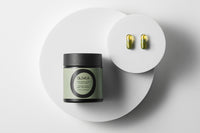
Concentrated EVOO polyphenol capsules with standardized hydroxytyrosol. Each serving exceeds the EFSA-validated daily threshold for the protection of blood lipids from oxidative stress.

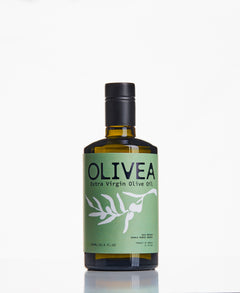
Our highest-potency olive oil with maximum polyphenol concentration. Crafted for those seeking the highest concentration of olive polyphenols in a single daily oil.

Premium organic EVOO selected for naturally elevated polyphenol levels. Rich in hydroxytyrosol, oleocanthal, and oleuropein. A cornerstone of the Mediterranean diet, selected for elevated polyphenol content.
Hydroxytyrosol Safety, Side Effects & Interactions
Hydroxytyrosol has an excellent safety profile, backed by centuries of dietary use and modern clinical validation.
The FDA has determined hydroxytyrosol to be Generally Recognized As Safe (GRN No. 000600), confirming its safety for use in food and supplements.
In safety assessments, doses up to 50 mg/day have shown no adverse effects. A 2025 randomized controlled trial confirmed zero adverse events over 16 weeks at 15 mg/day in overweight adults with prediabetes. Hydroxytyrosol has been consumed as part of olive oil for millennia across Mediterranean populations.
No significant drug interactions have been documented in published literature. However, due to potential blood-pressure-lowering effects, those on antihypertensives should consult their healthcare provider.
Olive oil containing hydroxytyrosol has been consumed safely across all populations. Concentrated supplements should be used under healthcare provider guidance for pregnant or nursing women and children.
*These statements have not been evaluated by the FDA. Consult your healthcare provider before starting any new supplement.
Hydroxytyrosol Absorption & Activity Timeline
Hydroxytyrosol is rapidly absorbed with high oral bioavailability. Here’s what happens after ingestion, and why Olivea’s oil-based delivery matters.
Source: Tuck & Hayball 2002; Miro-Casas et al. 2003. Hydroxytyrosol is extensively metabolized (conjugated) after absorption; pharmacokinetic profiles reflect total hydroxytyrosol metabolites.
Most supplements use dry powder. Olivea’s inner capsule contains 200 mg of olive extract powder standardized to 20 mg hydroxytyrosol, surrounded by an outer capsule filled with 400 mg of real extra virgin olive oil. This keeps the molecule in its natural amphipathic environment, so it absorbs properly in both water and fat phases.
How Olivea Delivers Hydroxytyrosol
The science behind hydroxytyrosol is established. Olivea’s mission is to deliver it in its most bioavailable, standardized form.
Every batch is third-party tested to verify hydroxytyrosol content meets or exceeds the EFSA-recommended 5 mg daily threshold.
Our supplement preserves hydroxytyrosol in its native EVOO environment, alongside complementary polyphenols like oleocanthal and oleuropein for synergistic benefits.
Each serving delivers 20 mg of hydroxytyrosol, four times the 5 mg/day minimum validated by EFSA for the protection of blood lipids from oxidative stress.
Hydroxytyrosol vs. Other Antioxidants
A side-by-side comparison of key properties. Note: all compounds have unique benefits; this comparison focuses on specific measurable attributes.
| Property | Hydroxytyrosol ★ TOP | Resveratrol | Curcumin | Vitamin C |
|---|---|---|---|---|
| Amphipathic | ||||
| EFSA Health Claim | ||||
| FDA GRAS | ||||
| Oral Absorption | High | High (~75%) but low systemic | Very Low (~1%) | High |
| Nrf2 Activation | ||||
| Brain Metabolites | Limited | |||
| Dual-Phase Protection | Primarily lipid | Primarily lipid | Water only |
Hydroxytyrosol leads across every category, and Olivea delivers a standardized 20 mg dose in each capsule.
Hydroxytyrosol Works Through Multiple Protective Pathways
Most antioxidants neutralize free radicals through a single mechanism. Peer-reviewed research has identified at least four distinct biological pathways through which hydroxytyrosol operates, a profile researchers describe as “pleiotropic.”
& Lipid Environments
High Bioavailability
Beyond Simple Antioxidants
While many antioxidants target a single pathway, Serreli & Deiana (2020) showed that EVOO polyphenols (hydroxytyrosol chief among them) simultaneously activate Nrf2 cellular defense signaling while suppressing NF-κB-driven inflammation. Combined with direct radical scavenging and the clinically validated lipid-protection effect, this multi-target profile makes hydroxytyrosol categorically different from single-mechanism antioxidants like vitamin C or vitamin E.
Olivea’s capsule-in-capsule technology preserves hydroxytyrosol in its native olive oil matrix, ensuring all four pathways are activated as the research intended.
Best Natural Sources of Hydroxytyrosol
While hydroxytyrosol is found across the olive plant, concentrations vary significantly. Here’s how common dietary sources compare.
Concentrations are approximate and vary by cultivar, harvest time, and processing method.
Hydroxytyrosol Supplements: What to Look For
Not all supplements deliver hydroxytyrosol effectively. These six criteria determine whether you’re actually absorbing what’s on the label, and they’re exactly why Olivea was built the way it was.
Look for products that specify the exact amount of hydroxytyrosol per serving. The EFSA threshold is 5 mg/day.
Hydroxytyrosol is amphipathic and naturally occurs in oil. Oil-based capsules preserve bioavailability far better than dry powder forms.
Verify the product undergoes independent lab testing for potency and purity. Certificates of analysis (COAs) should be available.
The best supplements include complementary olive polyphenols (oleocanthal, oleuropein) that work synergistically with hydroxytyrosol.
Demand supplements verified by HPLC testing, the gold standard for confirming actual hydroxytyrosol content per serving.
Avoid products with excessive binders, fillers, or artificial additives. Clean formulations ensure you get hydroxytyrosol, not filler.

Who Benefits Most from Hydroxytyrosol?
Hydroxytyrosol isn’t for everyone, but for people who take their health seriously, Olivea is the best way to get it.
Is Hydroxytyrosol Right for You?
Answer 4 quick questions to find out if daily hydroxytyrosol supplementation could benefit your health goals.
What’s your primary health focus right now?
Select the option that resonates most with you.
Frequently Asked Questions
Everything you need to know about hydroxytyrosol, backed by science and clinical evidence.
Hydroxytyrosol is the most potent natural antioxidant in olives and extra virgin olive oil, scoring 40,000+ µmol TE/g on the ORAC scale. Olivea delivers it in supplement and high-phenolic olive oil form. It is the only olive polyphenol with an EFSA-approved health claim, has FDA GRAS status (GRN 000600), and is backed by over 2,000 peer-reviewed studies on cardiovascular, neuroprotective, anti-inflammatory, and cellular health benefits.
Yes. EFSA approved a health claim in 2011: 5 mg of hydroxytyrosol daily from olive oil “contributes to the protection of blood lipids from oxidative stress” (EU Regulation 432/2012). The FDA granted GRAS status (GRN No. 000600). Olivea products meet both standards.
At least 5 mg per day, the EFSA-validated minimum for cardiovascular protection. Olivea’s Hydroxytyrosol Supplement delivers 20 mg per serving, four times the EFSA threshold. No adverse effects reported at doses up to 50 mg daily.
Three things. It is amphipathic (protects both water and fat environments), its metabolites reach the brain, and it works through four biological pathways (direct radical scavenging, Nrf2 activation, NF-κB suppression, LDL oxidation protection). These properties are why hydroxytyrosol stands out in the scientific literature, and why Olivea built its supplement line around delivering it.
Unlikely. Standard EVOO contains only 1–5 mg/kg, requiring 3–6 tablespoons daily to reach the EFSA threshold. Olivea solves this two ways: Ultra-High Phenolic Olive Oil with elevated concentrations (5–15 mg/kg), and the Olivea Hydroxytyrosol Supplement with a standardized 20 mg dose, four times the EFSA minimum.
No. No adverse effects reported at doses up to 50 mg/day. Hydroxytyrosol is the same compound humans have consumed via olive oil for millennia. Olivea simply delivers it in standardized, concentrated form. FDA GRAS designation (GRN 000600) confirms safety. Those on blood pressure medication should consult their healthcare provider.
No. Hydroxytyrosol is one specific polyphenol in olive oil, the one responsible for the EFSA-approved health claim. Olivea isolates and concentrates it to deliver standardized, lab-verified levels. One Olivea capsule delivers more hydroxytyrosol than several tablespoons of standard EVOO.
They are complementary. Hydroxytyrosol is the stronger antioxidant and the only olive polyphenol with an EFSA health claim. Oleocanthal provides ibuprofen-like anti-inflammatory activity via COX inhibition (Beauchamp et al., 2005, Nature). Olivea EVOO contains both for synergistic cardiovascular and anti-inflammatory protection.
It absorbs fast: peak plasma concentration within 30–60 minutes. But the full benefits (antioxidant defense, cardiovascular protection, cellular health) build over weeks to months of daily use. Olivea recommends consistent intake of at least 5 mg/day, per EFSA guidelines.
Not completely, but prolonged high heat degrades it. Use Olivea EVOO for low-to-medium heat cooking, dressings, and finishing. For guaranteed daily intake regardless of cooking method, Olivea’s Hydroxytyrosol Supplement delivers 20 mg in capsule form.
Yes, as olive oil. Olivea EVOO is safe for the whole family. Olive oil containing hydroxytyrosol has been consumed safely for millennia. Concentrated supplements like the Olivea Hydroxytyrosol Supplement should only be used under healthcare provider guidance for children, pregnant, or nursing women.
ORAC (Oxygen Radical Absorbance Capacity) measures a compound’s ability to neutralize free radicals. Hydroxytyrosol, a naturally occurring olive polyphenol and the key compound in Olivea products, scores 40,000+ µmol TE/g, among the highest of any natural compound. The USDA retired its ORAC database in 2012 citing in vitro limitations, but ORAC remains a widely used comparative benchmark in antioxidant research.
Start Your Daily Hydroxytyrosol Protocol
Multiple biological pathways. One daily capsule. Zero guesswork. Give your body the olive polyphenol behind EFSA’s approved health claim for blood lipid protection.
Shop OliveaReferences & Sources
- Avola R, et al. Hydroxytyrosol from olive fruits prevents blue-light-induced damage in human keratinocytes and fibroblasts. J Cell Physiol 2019;234(6):9065-9076.
- Beauchamp GK, et al. Phytochemistry: ibuprofen-like activity in extra-virgin olive oil. Nature 2005;437(7055):45-46. [Note: This study investigated oleocanthal, not hydroxytyrosol.]
- Bulotta S, et al. Beneficial effects of the olive oil phenolic components oleuropein and hydroxytyrosol: focus on protection against cardiovascular and metabolic diseases. J Transl Med 2014;12:219.
- Cao B, et al. Two polyphenols isolated from Corallodiscus flabellata B. L. Burtt ameliorate amyloid β-protein induced Alzheimer's disease neuronal injury by improving mitochondrial homeostasis. Behav Brain Res 2023;440:114264.
- Commission Regulation (EU) No 432/2012 establishing a list of permitted health claims made on foods.
- Covas MI, et al. The effect of polyphenols in olive oil on heart disease risk factors (EUROLIVE). Ann Intern Med 2006;145(5):333-341.
- D'Angelo S, et al. Hydroxytyrosol, a natural antioxidant from olive oil, prevents protein damage induced by long-wave ultraviolet radiation. Free Radic Biol Med 2005;38(7):908-919.
- de Bock M, et al. Olive (Olea europaea L.) leaf polyphenols improve insulin sensitivity in middle-aged overweight men. PLoS One 2013;8(3):e57622.
- De La Cruz Cortés JP, et al. Extra virgin oil polyphenols improve the protective effects of hydroxytyrosol in an in vitro model of hypoxia-reoxygenation of rat brain. Brain Sci 2021;11(9):1133.
- EFSA Panel on Dietetic Products, Nutrition and Allergies. Scientific Opinion on the substantiation of health claims related to polyphenols in olive oil. EFSA Journal 2011;9(4):2033.
- FDA GRAS Notice GRN No. 000600. Generally Recognized As Safe determination for hydroxytyrosol.
- Gorzynik-Debicka M, et al. Potential health benefits of olive oil and plant polyphenols. Int J Mol Sci 2018;19(3):686.
- Granados-Principal S, et al. Hydroxytyrosol: from laboratory investigations to future clinical trials. Nutr Rev 2010;68(4):191-206.
- Miro-Casas E, et al. Hydroxytyrosol disposition in humans. Clin Chem 2003;49(6):945-952.
- Moratilla-Rivera I, et al. Hydroxytyrosol supplementation improves antioxidant and anti-inflammatory status in individuals with overweight and prediabetes: A randomized, double-blind, placebo-controlled parallel trial. Clin Nutr 2025;52:17-26.
- Nani A, et al. Antioxidant and Anti-Inflammatory Potential of Polyphenols Contained in Mediterranean Diet in Obesity: Molecular Mechanisms. Molecules 2021;26(4):985.
- Richard N, et al. Hydroxytyrosol is the major anti-inflammatory compound in aqueous olive extracts and impairs cytokine and chemokine production in macrophages. Planta Med 2011;77(17):1890-1897.
- Rietjens SJ, et al. New insights into controversies on the antioxidant potential of the olive oil antioxidant hydroxytyrosol. J Agric Food Chem 2007;55(18):7609-7614.
- Robles-Almazan M, et al. Hydroxytyrosol: Bioavailability, toxicity, and clinical applications. Food Res Int 2018;105:654-667.
- Serreli G, Deiana M. Extra Virgin Olive Oil Polyphenols: Modulation of Cellular Pathways Related to Oxidant Species and Inflammation in Aging. Cells 2020;9(2):478.
- Smeriglio A, et al. Safety and efficacy of hydroxytyrosol-based formulation on skin inflammation: in vitro evaluation on reconstructed human epidermis model. Daru 2019;27(1):283-293.
- Tuck KL, Hayball PJ. Major phenolic compounds in olive oil: metabolism and health effects. J Nutr Biochem 2002;13(11):636-644.
- Umeno A, et al. Radical-scavenging Activity and Antioxidative Effects of Olive Leaf Components Oleuropein and Hydroxytyrosol in Comparison with Homovanillic Alcohol. J Oleo Sci 2015;64(7):793-800.
- Visioli F, et al. Olive oil phenolics are dose-dependently absorbed in humans. FEBS Lett 2000;468(2-3):159-160.
- Visioli F, Bernardini E. Extra virgin olive oil's polyphenols: Biological activities. Curr Pharm Des 2011;17(8):786-804.
- Zhang X, et al. Suppressive effects of hydroxytyrosol on oxidative stress and nuclear Factor-kappaB activation in THP-1 cells. Biol Pharm Bull 2009;32(4):578-582.
- Zheng A, et al. Maternal hydroxytyrosol administration improves neurogenesis and cognitive function in prenatally stressed offspring. J Nutr Biochem 2015;26(2):190-199.