

Olivea: The Best Olive Oil Scanner
A landmark UC Davis study tested popular imported "extra virgin" olive oils sold in California. Around 69% of them failed to meet the legal standard for extra virgin.
Most of what you pay premium prices for is not what the label says.
Olive oil fraud is one of the most common food crimes in the world. Refined oils get sold as virgin. Origin claims get inflated. Harvest dates disappear from labels. Polyphenol numbers show up with no third-party data behind them.
This matters more than ever right now. Olive oil has become the headline food of the longevity and Mediterranean diet movement, which means more shoppers are buying it specifically for health reasons, and more brands meet the demand with marketing instead of lab work.
You have two options. Do the homework yourself on every bottle. Or download the Olivea app and scan any bottle to instantly access all the info you need to make the healthier choice.
The Olivea Scanner, Explained
Olivea is a free iOS app that scans olive oil bottles and gives you a quality readout in seconds.

You can use it two ways. Take a photo of the front label, or point your camera at the barcode. The app pulls up the matching product and shows you the scores, polyphenol content, lab certificate details, origin, awards, and tasting notes.
No account required. No email signup. No tracking.
Every detail that actually tells you whether an olive oil is good (lab-tested polyphenol number, harvest date, lot number, container, certifications, origin specifics) is something you could verify yourself by reading labels and tracking down brand websites. The scanner just does it in one tap.
Available on iPhone via the App Store.
How Olivea Scanner Works
The scan flow is fast on purpose. Two steps:
-
Open the Olivea App. You will see a viewfinder.
-
Scan any olive oil bottle. You can choose between two modes: Camera mode (for front label) or Barcode mode.
In Camera mode, the app reads the front label and matches it to the right product. Brand name, product name, and label descriptors are all picked up automatically.
In Barcode mode, the app supports every standard barcode format you will find on an olive oil bottle.

Once a match is found, the result sheet opens.
Photos of your bottle never leave your phone. Reading the label happens on your device, and only the recognized text is used to find the match.
If the bottle is not yet in our system, you will see a quick form. Submit it in one tap, and the entry goes into our review queue.
Olivea Scanner Features
Here is what is in the app today. Every feature exists to help you make better olive oil decisions, on the shelf and at home.
|
Feature |
What it does |
|
Label scanning |
Snap a photo of the front label and the app identifies the bottle, pulling up its full profile in seconds. Reads brand, product name, and label descriptors automatically. |
|
Barcode scanning |
Point the camera at the barcode and the app auto-detects the moment the code enters the frame. Faster than label scanning when the barcode is visible. Supports every standard format on olive oil bottles. |
|
Quality scores |
Each brand gets three independent scores on a 0-to-100 scale: Health (polyphenol level, acidity, peroxide value, packaging), Transparency (lab data, harvest date, origin specificity), and Value (price relative to potency). Color bands run Excellent (90+), Good (70-89), Fair (50-69), and Poor (below 50). |
|
Polyphenol meter |
A dedicated card showing total polyphenol content in mg/kg, with a source badge marking whether the number came from a third-party lab or the brand. Levels run Low (under 250), Good (250-399), High (400-599), and Excellent (600+). Keyed to the EU 250 mg/kg high-polyphenol benchmark. |
|
Hydroxytyrosol intake tracker |
A daily logger tied to the EFSA-authorized 5 mg hydroxytyrosol threshold. One-tap logging for an Olivea capsule (20 mg) or a tablespoon of high-phenolic EVOO (5 mg). Tracks current streak, best streak, and total days, with week and month views. |
|
Lab marker tracking |
Logs 10 vascular health markers across four categories: cholesterol (LDL-C, HDL-C, Triglycerides, ApoB), inflammation (hsCRP), blood sugar (HbA1c, Fasting Glucose, Fasting Insulin), and blood pressure (Systolic, Diastolic). Each marker shows reference ranges and plain-English context. Snap a photo of a Quest, LabCorp, or hospital lab report and the values pull in automatically. |
|
Science library |
Peer-reviewed studies on hydroxytyrosol and extra virgin olive oil, covering cardiovascular outcomes, stroke risk, LDL oxidation, longevity, inflammation, metabolic markers, and arterial elasticity. Each study includes a summary, key statistic, and original citation. |
|
Local scan history |
Every scan is saved on your phone and accessible offline. Tap any past entry to revisit the full result. |
|
Favorites |
Tap the heart on any bottle to save it to a personal shortlist. Useful for tracking the brands you trust and want to buy again. |
|
Notifications |
Two opt-in types. Daily Tips rotate from a 60-tip library at a time you pick. Streak Reminders fire in the afternoon if you have not logged yet, and auto-cancel once you do. |
|
Submit a bottle |
If you scan a bottle that’s not yet covered, you get a one-tap form to submit it. Add the brand, product name, and where you found it. Submissions feed our review queue and become part of the next refresh. |
How to Read the Scan Results
After a successful scan, the result sheet opens. Here is how to read it.
Three Quality Scores
The three scores are independent. A bottle can land excellent on Health, weak on Transparency, and mid on Value. The split is intentional, because most buyers care about different things.

What each score actually rewards:
-
Health. Rewards bottles whose chemistry holds up to the EVOO promise. The ones in the 90s are doing well on the markers that matter for the antioxidant payoff.
-
Transparency. Rewards brands that show their work. A high score means the brand is publishing data you would otherwise have to dig for. A low Transparency score is not the same as a bad oil. It means the brand is making you trust them without proof.
-
Value. Not just price. It is what you pay relative to what you get. A pricier bottle can score higher on Value than a cheaper one if the polyphenol payoff per dollar is stronger.
How to read combinations:
-
High Health, low Transparency. Good chemistry, limited disclosure. Trust the number with a small grain of salt.
-
High Transparency, mid Health. The brand is honest, the oil is fine. A safe everyday choice.
-
High Value, mid Health. A workhorse for daily cooking.
-
High across all three. The bottle you want on hand.
How to use them:
-
Buying for health benefits? Lead with Health, then check Transparency.
-
Stocking up? Sort by Value.
-
Gifting or buying for a special occasion? Prioritize Transparency. The most disclosing brands are the safest gift.
Polyphenol Meter
The polyphenol meter shows the total polyphenol content of the bottle in mg/kg. It is the most useful single number on the result sheet, because polyphenols are what make olive oil more than just a fat.

Why the source badge matters:
The meter shows one of two badges next to the number.
-
Lab Tested with a green seal means the number comes from a third-party lab certificate. You can trust it as published.
-
Brand Claim with an amber icon means the brand reported the number and there is no independent verification yet.
A Brand Claim is not automatically wrong. It just deserves more scrutiny, especially on premium-priced bottles where the brand has the budget to commission a lab test. A premium-priced bottle showing Brand Claim with no certificate is a flag.
What the number actually means:
-
250 mg/kg is the EU's threshold for high-polyphenol olive oil. Bottles in research trials studying cardiovascular and metabolic outcomes usually clear this bar by a wide margin.
-
400 mg/kg starts the "high" band. At this level, a daily tablespoon delivers a meaningful share of the EFSA 5 mg hydroxytyrosol intake target.
-
600 mg/kg and above is research-grade. These are the bottles closest to what gets used in clinical studies.
How to use it when comparing bottles:
If two bottles are otherwise similar, the one with a higher Lab Tested number is the better buy for health benefits. If both are Brand Claim, weigh the Transparency score before treating either number as gospel.
A bottle missing this number entirely should not be priced as premium. If it is, walk away.
Details
The result sheet pulls every spec the brand publishes into one view, so you do not have to dig through the bottle and the brand website.

-
Origin. The more specific, the better. "Messinia, Greece" beats "Imported from Italy." Vague origins usually mean a blend from multiple sources.
-
Olive variety. A named cultivar (Koroneiki, Olympia, Picual, Arbequina, and so on) tells you exactly what is in the bottle. A blend without varieties named is harder to evaluate.
-
Intensity. Mild, medium, or robust. Robust oils stand up to bitter greens and red meat. Milder oils work better with delicate fish or in baking.
-
Container. Dark glass and tin protect polyphenols. Clear glass and plastic let light in and accelerate degradation, which matters most on the high-polyphenol bottles you are paying a premium for.
-
Acidity. Has to be under 0.8% to qualify as extra virgin. Brands that publish the actual number (often below 0.3% on premium oils) are signaling quality.
-
Harvest date. Shows when the olives were picked. Within the last 12 months is ideal. A missing harvest date is a flag, especially when the bottle uses words like "fresh" or "early harvest" without a number to back them up.
-
Lot number. A batch identifier. Means the producer can trace this specific run if anything goes wrong. Quiet quality signal.
-
Lab tests. When available, you get the certificate number, the analysis date, and a link to view the certificate itself. Premium oils that do not publish lab results are asking you to trust them on faith.
-
Certifications. USDA Organic, PDO/DOP (protected EU origin), and COOC (California Olive Oil Council) are the most credible seals. Each one is an audit the producer had to pass.
Tasting Notes
For EVOOs, the result sheet shows the flavor profile as a set of tags such as peppery, grassy, fruity, buttery, or bitter. These come from the brand's tasting panel and are useful for matching a bottle to the cooking you actually do.

A peppery, robust oil is built for finishing red meat or hearty soups. A milder, buttery oil is better with fish or for baking. Tasting notes do not affect the quality scores, but they help you pick the right bottle for the right dish.
Olivea vs Other Olive Oil Scanners
Most food scanner apps cover thousands of products across packaged food, additives, and seed oils. They flag ingredient issues. They do not go deep on olive oil quality.
Olive oil quality lives in fields a general scanner does not track: polyphenol mg/kg, harvest date, lot number, lab certificate URL, container type, single-origin status, olive variety. Olivea was built around those fields.
|
What you are looking for |
General food scanners |
Olivea |
|
Olive oil quality scoring |
Limited |
Yes (Health, Transparency, Value) |
|
Polyphenol mg/kg readout |
No |
Yes |
|
Lab Tested vs Brand Claim source |
No |
Yes |
|
Harvest date and container detail |
Limited |
Yes |
|
Daily polyphenol intake tracker |
No |
Yes (5 mg/day goal) |
|
Vascular marker tracking |
No |
Yes (10 markers) |
|
Lab report ingestion |
No |
Yes (Quest, LabCorp, hospital systems) |
|
Peer-reviewed olive oil study library |
No |
Yes |
|
Free |
Mostly yes |
Yes |
If your goal is checking your peanut butter for additives, a general scanner is your tool. If your goal is figuring out whether your olive oil is doing what the label promises, this is built for that.
How Olivea Performs in Its Own Scanner
The fair question is obvious. Do our own oils ace our own scanner?
We grade Olivea on the same rubric as every other brand. Here are the three products and how they hold up.
Olivea Everyday High Phenolic EVOO

A single-origin Greek EVOO made from early-harvest Koroneiki olives grown in Messinia. Cold-pressed within hours of picking to lock in the polyphenols.
The flavor sits in approachable territory. Mild enough to drizzle on salads, roast vegetables in, or pour onto pasta. A workhorse for daily cooking and a good introduction for anyone easing into high-phenolic oils for the first time.
USDA Organic certified, naturally rich in hydroxytyrosol, and third-party tested by the World Olive Center for Health. Each tablespoon delivers about 2 mg of hydroxytyrosol. Two to three tablespoons a day clears the EFSA 5 mg threshold.
Olivea Ultra High Phenolic EVOO

Made from early-harvest Olympia olives grown in Messinia, a region known for producing some of the highest-phenolic oils in the world. The Olympia variety carries naturally elevated polyphenol levels and is harvested early when those concentrations peak.
This is the research-grade tier. The polyphenol concentration matches the caliber of oils used in clinical studies on cardiovascular outcomes. A single tablespoon delivers 3 to 4 mg of hydroxytyrosol, so one to two tablespoons a day comfortably clears the EFSA threshold.
Every batch is tested by the World Olive Center for Health using both HPLC and NMR to verify polyphenol content, with additional screening for heavy metals and microbial contamination.
The flavor is more robust. Peppery, grassy, with a noticeable bite. Best used as a finishing oil where the character can come through.
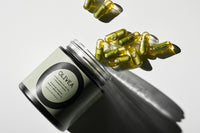
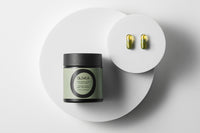
Olivea EVOO & Hydroxytyrosol Supplement

For anyone who prefers a capsule over cooking with high-phenolic oil, the supplement delivers a concentrated daily dose of hydroxytyrosol in a cap-in-cap design developed with Harvard-trained cardiologists.
The cap-in-cap approach uses an EVOO matrix made from early-harvest Koroneiki olives. The matrix is not garnish. Hydroxytyrosol is fat-soluble, and the EVOO carrier is what helps the body absorb it efficiently.
Every batch is third-party tested using HPLC and NMR to verify the 20 mg dose. Stability is tracked from harvest through encapsulation, so the potency on the label matches what is actually in the capsule.
One capsule daily, with or without food. Useful on its own or stacked alongside cooking with EVOO.

Olivea EVOOs are tested by the World Olive Center for Health, and the supplement is tested per batch with results published. The full certificates are public on the Olivea EVOO lab results page and the supplement lab results page. The numbers in the app match the certificates on the site, batch by batch.
The system would call out our products too if they did not deliver. That is the point.
Your Privacy and Data on Olivea App
TL;DR: We collect almost nothing.
-
Photos of your bottle are processed on your device. Images never leave your phone.
-
We do not track you, run ads, or collect data.
-
Your scan history, favorites, daily logs, and streak data stay on your phone.
-
Sign-in is optional. You can scan, track, and use every core feature without an account.
-
Cloud sync of scans and favorites only happens if you sign in.
Full disclosures live in the Olivea Privacy Policy.
Olivea Olive Oil Scanner FAQ

Is the Olivea app free?
Yes. Free on iOS, no account required.
What does the Olivea olive oil scanner read?
The front label (via photo) or the barcode (all standard formats found on olive oil bottles).
How fast is a scan using Olivea app?
Barcode scans match in under a second. Label scans take a few seconds.
Does Olivea app work offline?
Mostly. Previously scanned bottles work without a connection. Brand new lookups need one.
What if my bottle is not yet covered?
You will see an Unknown Product screen. Submit it in one tap, or fill in a few fields like brand, product name, and where you found it.
How accurate are the polyphenol numbers?
As accurate as the source. The badge tells you which is which. Lab Tested means a third-party certificate. Brand Claim means the brand reported it.
Will Olivea app tell me if my bottle has gone bad?
No. The scanner reads the bottle's data and pulls the product record. It cannot measure the oil itself in real time. Store bottles cool, dark, and tightly capped to protect them.
How is Olivea app scan results different from a lab test?
A lab test measures the exact bottle in your hand. The app shows you the brand's most recent lab data plus everything you can verify from the bottle. Lab testing is slow and expensive. The scanner is instant and free.
How often is the data on Olivea app refreshed?
Monthly, with rolling updates for new lab certificates and brand changes.
Does Olivea app sell my data?
No. No tracking, no data sharing, no advertisers. Privacy details are in the policy linked above.
Can I use Olivea app on bottles bought outside the US?
Yes, if the brand is in our system. International coverage grows with each refresh and community submission.
Will there be an Android version?
Under evaluation. The fastest way to move that timeline is to tell us you want it.
Why does Olivea give this away for free?
The more shoppers ask for harvest dates, lab numbers, and verified polyphenols, the better the entire category gets. That is the long game.
Install Olivea Before Your Next Bottle
You should not need a chemistry degree to know whether your olive oil is as healthy as it claims to be.
That is the whole problem in a sentence. Labels are supposed to tell you what is in the bottle. In practice, most leave out the numbers that matter. Polyphenol count. Harvest date. Lab certificate. Lot number. Olive variety. Real origin.
The brands willing to publish that data are the ones worth your money. The Olivea scanner makes that filter automatic.
The app is free, and stays free. No account required, no email collected, no tracking. You can use every core feature anonymously, on iPhone, starting today.
Most of the value shows up after the first scan. By the fifth, you start recognizing which label phrases are signals and which are decoration. By the tenth, you know what good looks like before you even pick up the camera. The tracker, the lab marker logger, and the science library are there for when you want to turn one good decision into a habit.
A few things to do next:
-
Scan whatever olive oil is already in your kitchen. See where it lands.
-
Scan your next buy before you put it in your cart.
If you want to skip the search and start with oil already at the top of the scoring system, our two EVOOs and the supplement are built for that. Our Everyday High Phenolic EVOO delivers 587 mg/kg of polyphenols. The Ultra High Phenolic delivers 1,046 mg/kg, research-grade tier. The EVOO & Hydroxytyrosol Supplement delivers 20 mg of hydroxytyrosol per capsule, four times the EFSA daily threshold, in just 5 calories. All three are lab tested per batch with certificates published.
Every number above is verifiable. That is the standard we hold ourselves to, and the standard the app applies to every other brand on the shelf.
