
Este sitio web tiene ciertas restriucciones de navegación. Le recomendamos utilizar buscadores como: Edge, Chrome, Safari o Firefox.
Lemon Vinaigrette Recipe

Lemon Vinaigrette Recipe

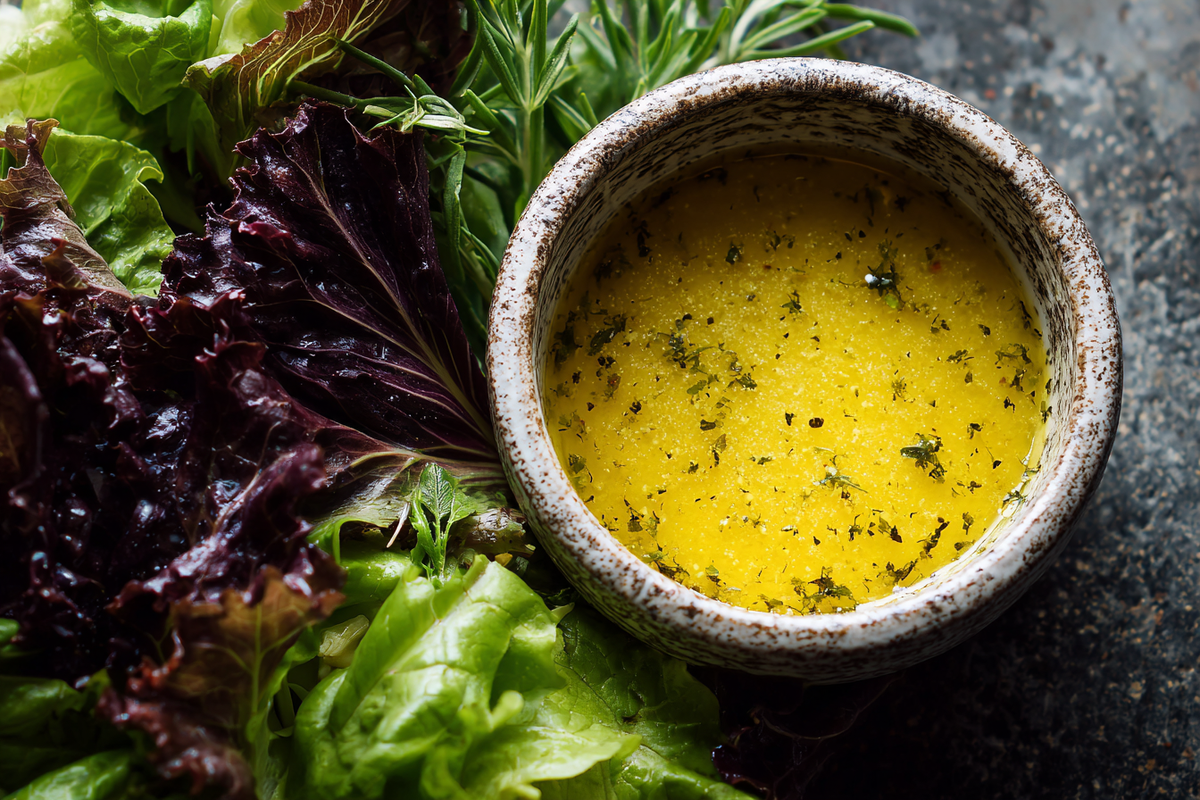
A bright, punchy vinaigrette made with fresh lemon juice and silky Olivea Extra Virgin Olive Oil. This 5-minute dressing elevates salads, roasted vegetables, grain bowls, and grilled proteins with balanced acidity and rich olive flavor.

Jump to Recipe
Prep 5 min
Cook 0 min
Total 5 min
Easy

Why We Love This Recipe

Why We Love This Recipe: A classic vinaigrette is one of the simplest and most impactful ways to add flavor and nutrition to any meal. Fresh lemon juice delivers bright acidity and vitamin C, while the shallot and garlic provide flavor compounds that enhance nutrient absorption. Olivea Extra Virgin Olive Oil brings polyphenols, heart-healthy monounsaturated fats, and a smooth finish that balances the sharp lemon and mustard notes.

This vinaigrette showcases how high-quality olive oil functions as the foundation of bold, balanced flavor. The emulsification technique ensures the oil and acid marry seamlessly, creating a creamy texture without any dairy. Garlic contributes allicin, a compound released when minced, which works synergistically with the polyphenols in Olivea's premium EVOO to support cardiovascular health.

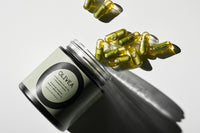
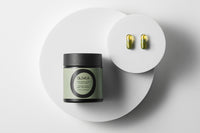
Beyond salad, use this dressing to drizzle over roasted vegetables, grain bowls, soup, or grilled fish. The Dijon mustard's compounds help your body absorb the fat-soluble vitamins in the olive oil, making every drizzle count nutritionally. For a convenient daily source of olive oil polyphenols independent of cooking, consider our Hydroxytyrosol Supplement.

View Nutrition Facts

Recipe Success Tips

Whisk by hand, not a blender, to control emulsification.

A blender overworks the vinaigrette and can leave it bitter. Whisking by hand gives you tactile feedback: you'll feel the oil and acid coming together into a silky, cohesive texture. Stop whisking once it's emulsified, glossy, and clings to the whisk. This usually takes 1 to 2 minutes of steady whisking.

Always taste and adjust the acid-to-oil ratio to your preference.

Start with equal parts lemon juice and olive oil, then whisk in more oil if it feels too sharp. Dijon mustard and garlic deepen the flavor, so don't skip them even though the recipe looks minimal. A tiny squeeze of honey rounds out the edges without sweetening the dressing noticeably.

Use fresh lemon juice, never bottled, for brightness and complexity.

Bottled lemon juice contains preservatives that flatten the flavor and prevent proper emulsification. Fresh lemon juice carries natural sugars and acids that create a more cohesive dressing. Roll a lemon on the counter before cutting and juicing it to extract maximum juice.

Choose Olivea Extra Virgin Olive Oil for polyphenol content and flavor.

A silky, fruity EVOO defines the character of this dressing. Olivea's premium EVOO brings peppery finish and herbaceous notes that enhance fresh lemon and garlic. The polyphenols in high-quality olive oil add subtle bitterness that mirrors Dijon mustard, creating layers of complexity in a simple recipe.

Store in a glass jar with a tight lid to preserve freshness.

Shake the jar for 10 seconds before each use to re-emulsify. The dressing will keep for up to 5 days in the refrigerator. As it cools, the oil may solidify slightly, so let it sit at room temperature for a few minutes before shaking and serving. If it separates, whisk vigorously for 30 seconds with a fork to bring it back together.

Make a batch on Sunday for weeknight grain bowls and sheet pan dinners.

This vinaigrette is a pantry staple that transforms any simple weeknight meal. Mix a larger batch and store it in a squeeze bottle for easy drizzling. It's shelf-stable and tastes even better as the garlic and shallot infuse the oil over a day or two. Use it on warm roasted vegetables, chilled grains, raw salads, and even as a marinade for grilled chicken or fish.

Ingredients

8
servings
  • 1/2 cup Olivea Extra Virgin Olive Oil
  • 1/4 cup fresh lemon juice
  • 1 tablespoon Dijon mustard
  • 1 medium shallot, minced
  • 1 large garlic clove, minced
  • 1 teaspoon honey
  • 1/4 teaspoon kosher salt
  • pinch freshly cracked black pepper

Kitchen Tools You'll Need

Small bowl or mason jar
Whisk
Measuring cups and spoons
Cutting board
Sharp knife
Zester or fine grater (optional)

How to Cook Lemon Vinaigrette Recipe

PREP

1
Juice the lemon over a small bowl, straining out seeds. Mince the garlic and shallot finely on a clean cutting board using a sharp knife. The pieces should be tiny enough to distribute evenly throughout the emulsion, not oversized chunks that will separate.

MIX

2
Whisk together the lemon juice, Dijon mustard, minced garlic, minced shallot, honey, salt, and black pepper in a small bowl. Whisk for a few seconds until combined. The mustard helps stabilize the upcoming emulsion by adding lecithin, a natural emulsifier.
3
While whisking steadily in one direction, add the Olivea Extra Virgin Olive Oil in a thin, steady stream. Start with a quarter of the oil drizzled very slowly while whisking rapidly. As the emulsion begins to come together and thicken, you can add the remaining oil in a slightly faster stream while continuing to whisk.
4
Keep whisking until the vinaigrette is glossy, pale, and clings to the whisk. The texture should be creamy and cohesive, not separated into distinct layers of oil and acid. This usually takes 1 to 2 minutes of continuous whisking. Taste and adjust the salt, pepper, or lemon juice to your preference.

Recipe Notes

This lemon vinaigrette is endlessly versatile. Toss with crisp greens like arugula, radicchio, or butter lettuce for a bright salad. Drizzle over warm roasted vegetables like zucchini, eggplant, asparagus, or cherry tomatoes. Use as a finishing sauce for grilled chicken, fish, or shrimp. Spoon over grain bowls with farro, quinoa, or wild rice, adding roasted vegetables and a soft herb like basil or parsley. It's also excellent on soup as a garnish, on crostini with burrata, or as a dressing for a composed salad with white beans and fresh herbs.
Store the vinaigrette in a glass jar with a tight-fitting lid in the refrigerator for up to 5 days. The vinaigrette can separate as it cools. Before each use, shake the jar vigorously for 10 seconds to re-emulsify. You can also whisk it by hand with a fork for 30 seconds. If making ahead, prepare it the morning of use and store at room temperature in a small mason jar with a tight lid. This prevents the olive oil from solidifying and keeps the vinaigrette fresh and pourable.
High-quality EVOO is essential here since it's the starring ingredient. Olivea's premium EVOO and ultra-high-phenolic options bring polyphenol content and flavor complexity that bottled, light olive oils cannot match. Use fresh lemon juice, never bottled. Buy lemons that are heavy for their size and yielding slightly to pressure, which indicates high juice content. Organic Dijon mustard has a cleaner, sharper flavor than conventional versions.
Add 1/4 teaspoon red pepper flakes for heat. Substitute lime juice for half the lemon juice for a more citrus-forward profile. Add 1 tablespoon finely chopped fresh herbs like parsley, basil, or tarragon before storing. Whisk in 1 teaspoon Dijon mustard powder instead of prepared mustard for a sharper bite. Omit the honey for a sharper, more vinegary dressing. Use sherry vinegar or white wine vinegar in place of half the lemon juice for a more traditional vinaigrette structure.
Emulsification is the chemistry that holds oil and acid together into a creamy, unified texture. Dijon mustard contains lecithin, a natural emulsifier that acts like a bridge between the oil and lemon juice molecules, preventing them from separating. Whisking by hand, not in a blender, gives you control. Start by combining the acidic ingredients (lemon juice, mustard, garlic, shallot) and whisking them together, then add the oil slowly while whisking constantly. The slow addition and steady whisking allow the lecithin to gradually coat the oil molecules, creating the creamy texture. Once emulsified, the vinaigrette remains stable as long as you don't overmix it (which breaks the emulsion).

Nutrition Facts per Serving

Nutrition Facts
Serving size 2 tablespoons
Calories 120
% Daily Value*
Total Fat 13g17%
Saturated Fat 1.8g9%
Trans Fat 0g
Unsaturated Fat 11g
Monounsaturated Fat 9.5g
Polyunsaturated Fat 1.2g
Cholesterol 0mg0%
Sodium 185mg8%
Total Carbohydrate 1.5g1%
Dietary Fiber 0g0%
Total Sugars 0.8g
Includes 0.6g Added Sugars 1%
Protein 0.1g0%
Vitamin A 8mcg1%
Vitamin C 8mg9%
Vitamin D 0mcg0%
Calcium 12mg1%
Iron 0.2mg1%
Potassium 28mg1%
* Percent Daily Values are based on a 2,000 calorie diet.

The Best No-Cook Way to Get Olive Oil Benefits

This is a no-cook recipe, so every drop of Olivea EVOO stays intact, delivering its full complement of polyphenols and antioxidants. Make a batch on Sunday and enjoy it throughout the week on salads, roasted vegetables, and grain bowls. For a consistent daily source of olive polyphenols independent of cooking, our Hydroxytyrosol Supplement offers the same protective benefits in an easy-to-take capsule, so you can support your health every single day.
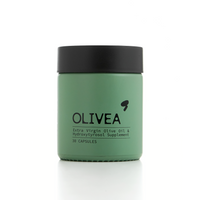
Olivea: Suplemento de hidroxitirosol
$40.00
Add to Cart

Frequently Asked Questions

Homemade lemon vinaigrette uses fresh lemon juice, quality olive oil, and whole ingredients, so you control the salt, sweetness, and oil content. Bottled dressings often contain preservatives, thickeners, and added sugar. A vinaigrette made with Olivea Extra Virgin Olive Oil also gives you the polyphenol content of high-phenolic olive oil, which commercial dressings typically lack. You'll taste the difference in brightness and depth.
Emulsification requires two things: a slow addition of oil while whisking constantly, and an emulsifier like Dijon mustard. Never add all the oil at once. Start by whisking the acidic ingredients together, then drizzle in the oil in a thin stream while maintaining steady, rapid whisking. The mustard's lecithin helps the oil and acid stay bound together. If it does separate, whisk vigorously with a fork for 30 seconds to bring it back together.
You can, but hand-whisking gives better control over the emulsification. A blender spins too fast and can overwork the dressing, making it bitter or breaking the emulsion entirely. If you do use a blender, pulse gently and add the oil very slowly through the feed tube while the machine runs on low speed.
Homemade vinaigrette keeps in a sealed glass jar for up to 5 days in the refrigerator. The oil may solidify from the cold, so remove it from the fridge 10 minutes before serving and shake the jar vigorously for 10 seconds to re-emulsify. If it separates, whisk it by hand with a fork for 30 seconds.
Use a high-quality extra virgin olive oil with polyphenol content. Olivea's premium EVOO and ultra-high-phenolic options bring fruity, peppery, or herbaceous notes that enhance the lemon and garlic. The polyphenols in quality EVOO add subtle bitterness that complements Dijon mustard. Avoid light or refined olive oils, which lack flavor and the health benefits of true EVOO.
Yes. Lime juice makes a sharper, more tropical vinaigrette with slightly less body than lemon. The acid content is similar, so use the same amount and adjust to taste. You could also use a mix of lemon and lime juice for a more complex citrus profile.
Yes, this recipe is naturally gluten-free. Dijon mustard is typically gluten-free, but always check the label on your specific brand, as some producers may use additives or thickeners. All other ingredients are naturally gluten-free.
Lemon vinaigrette brightens salads with bitter greens like arugula and radicchio, warm roasted vegetables like asparagus and zucchini, grain bowls with farro or quinoa, grilled fish and chicken, and fresh pasta. It also works as a drizzle on crostini, soup, or composed salads with beans and herbs.
The ratios are simple to remember: equal parts lemon juice and olive oil, plus 1 tablespoon Dijon mustard per 1/4 cup lemon juice. If you want 1 cup of vinaigrette, use 1/2 cup lemon juice and 1/2 cup Olivea EVOO. Scale the garlic, shallot, honey, salt, and pepper proportionally, tasting as you go.
Fresh lemon juice is strongly recommended. Bottled lemon juice contains preservatives that dull the brightness and can prevent proper emulsification. The flavor difference is noticeable. If you must use bottled, reduce the amount slightly, as it's often more acidic than fresh juice.

Carrito de compras

No hay más productos disponibles para comprar