
Este sitio web tiene ciertas restriucciones de navegación. Le recomendamos utilizar buscadores como: Edge, Chrome, Safari o Firefox.
Olive Oil Cake Recipe by Isa Isaza

Olive Oil Cake Recipe by Isa Isaza

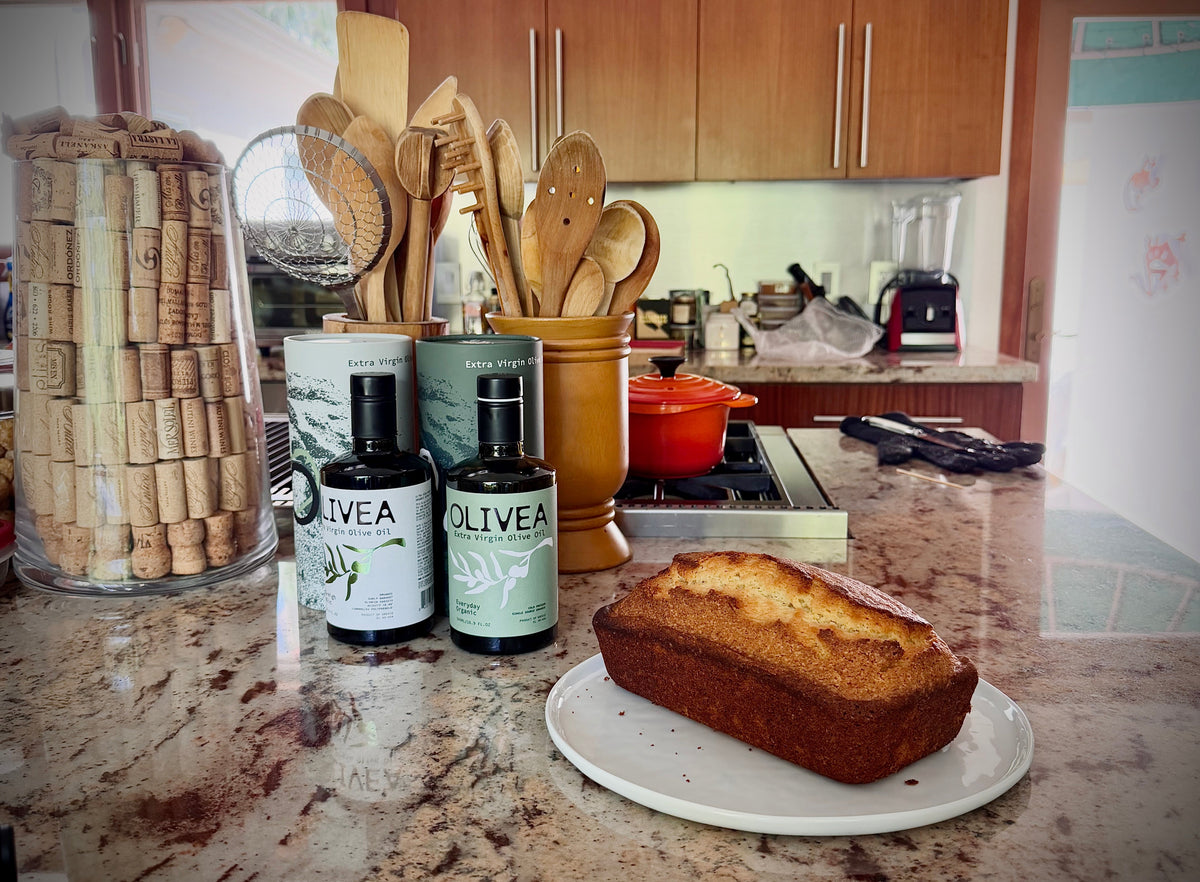
A light, lemon-bright olive oil cake with a tender, bouncy crumb. Olive oil replaces butter entirely for a texture dairy bakes can't match. Serve with Greek yogurt and a drizzle of EVOO, or alongside espresso.

Jump to Recipe
Prep 15 min
Cook 55 min
Total 85 min
Easy

Why We Love This Recipe

This olive oil cake is a smarter dessert. By replacing butter with ¾ cup of extra virgin olive oil, you trade out most of the saturated fat for monounsaturated fat — the heart-healthy kind that defines the Mediterranean diet. Using a high-phenolic EVOO like Olivea means every slice delivers a meaningful dose of hydroxytyrosol, one of the most studied polyphenols for cardiovascular and cognitive health.

A note on heat: baking at 375°F degrades some of the delicate polyphenols in olive oil, but not all. The bulk of the monounsaturated fat remains intact, and because you're using a substantial amount, the nutritional profile is still significantly better than butter-based cakes. For maximum polyphenol retention, drizzle a little raw Olivea EVOO on top before serving.

Beyond the olive oil: lemon zest adds vitamin C and antioxidant limonene, while eggs contribute high-quality protein, choline, and vitamin D. Almond milk keeps the cake dairy-light and adds a touch of vitamin E.

View Nutrition Facts

Watch the Recipe

Recipe Success Tips

Use a light, fruity olive oil — not an aggressive one.

For a dessert cake, you want an EVOO with mild fruity notes rather than a sharp peppery finish. Olivea's Everyday High Phenolic EVOO works well here. If you only have ultra-high phenolic oil on hand, it'll still taste great but will carry a more assertive, grassy flavor through the crumb.

Zest the lemon before you juice it.

A juiced lemon is a slippery, collapsed mess — impossible to zest cleanly. Use a microplane on the whole lemon first, rotating it as you go so you only catch the bright yellow outer layer. Avoid the white pith underneath — it's bitter.

Stop mixing the moment the flour disappears.

Overmixing develops gluten and gives you a dense, chewy loaf instead of an airy one. As soon as you no longer see dry streaks of flour, put the whisk down. A few small lumps are fine — they'll smooth out in the oven.

Check doneness at 50 minutes, not 55.

Ovens vary. Start checking at the 50-minute mark by inserting a toothpick into the center: a few moist crumbs are fine, but wet batter means keep going. If the top is browning too quickly before the center sets, tent loosely with foil.

Let it cool fully before slicing — believe Isa, it's worth the wait.

Olive oil cake continues to set as it cools. Cutting it warm will smear and compress the crumb, which hides the bouncy, airy texture you worked for. Give it at least 30-40 minutes on a wire rack before the first slice.

Ingredients

8
servings
  • 3/4 cup Olivea Extra Virgin Olive Oil
  • 1 1/3 cup granulated sugar
  • 3 large eggs
  • 1/2 cup unsweetened almond milk
  • 1 tsp vanilla paste (or pure vanilla extract)
  • 2 tsp fresh lemon juice
  • from 1 lemon lemon zest
  • 2 tsp baking powder
  • 1/2 tsp fine sea salt
  • 2 cups all-purpose flour

Kitchen Tools You'll Need

Loaf Pan (9x5 inch)
Large Mixing Bowl
Whisk
Microplane Zester
Wire Rack
Parchment Paper

How to Cook Olive Oil Cake Recipe by Isa Isaza

PREP

1
Preheat your oven to 375°F (190°C). Lightly grease a 9x5 inch loaf pan with a splash of Olivea Extra Virgin Olive Oil and line the bottom with a strip of parchment paper for easy release.
2
Zest one lemon using a microplane, rotating the fruit so you catch only the bright yellow outer layer. Set the zest aside, then juice the lemon to get 2 teaspoons.

MIX

3
In a large bowl, whisk together the Olivea EVOO, sugar, eggs, vanilla, lemon juice, lemon zest, and almond milk until the mixture is smooth and pale yellow. This should take 30-45 seconds of steady whisking.
4
Add the baking powder, salt, and flour directly to the bowl. Using a spatula or gentle whisk motion, fold everything together just until no streaks of dry flour remain. Stop the moment the batter looks uniform — overmixing will make the cake dense.

BAKE

5
Pour the batter into the prepared loaf pan and smooth the top gently with the back of a spoon. Bake for 50-55 minutes, until the top is deeply golden and a toothpick inserted into the center comes out clean or with a few moist crumbs.
6
If the top is browning too fast before the center sets, tent loosely with foil around the 40-minute mark and continue baking.

COOL

7
Let the cake rest in the pan for 10-15 minutes, then lift out using the parchment and transfer to a wire rack. Cool completely before slicing — at least 30-40 minutes. Warm slicing will smear the crumb.
8
Serve with a dollop of Greek yogurt and a final drizzle of Olivea EVOO, a spoonful of honey, or alongside a shot of espresso.

Recipe Notes

This cake wants very little to shine. A dollop of full-fat Greek yogurt and an extra drizzle of Olivea EVOO plays up the olive oil notes beautifully. A drizzle of honey with a sprinkle of flaky sea salt turns it into a proper dinner-party dessert. For breakfast, a slice with espresso is a classic move.
Swap almond milk for whole milk or oat milk — the texture barely changes. Add a teaspoon of fennel seed or anise for a spiced, slightly savory twist. For a citrus variation, replace the lemon zest and juice with orange. You can also fold in ½ cup of fresh blueberries or raspberries (tossed in a teaspoon of flour first) just before pouring into the pan.
Wrap tightly in plastic or store in an airtight container at room temperature for up to 3 days — olive oil cakes actually improve in flavor by day two. For longer storage, slice and freeze individual pieces, wrapped tightly, for up to 2 months. Thaw at room temperature.
Butter-based cakes depend on the fat solidifying to give structure; olive oil cakes stay tender because the fat remains liquid, coating the flour and limiting gluten development. The result is a finer, more open crumb with better moisture retention — the cake stays soft for days rather than drying out overnight.

Nutrition Facts per Serving

Nutrition Facts
Serving size 1 slice (1/8 of loaf)
Calories 465
% Daily Value*
Total Fat 23g29%
Saturated Fat 3.5g18%
Trans Fat 0g
Unsaturated Fat 19g
Monounsaturated Fat 15g
Polyunsaturated Fat 2.5g
Cholesterol 70mg23%
Sodium 210mg9%
Total Carbohydrate 58g21%
Dietary Fiber 1g4%
Total Sugars 34g
Includes 33g Added Sugars 66%
Protein 5g10%
Vitamin D 0.3mcg2%
Vitamin E 2mg13%
Calcium 65mg5%
Iron 1.5mg8%
Potassium 70mg1%
* Percent Daily Values are based on a 2,000 calorie diet.

The Best No-Cook Way to Get Olive Oil Benefits

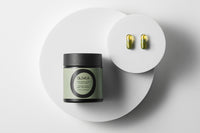
Baking degrades some of the delicate polyphenols in olive oil, but you don't have to choose between loving a slice of cake and getting your daily dose. The Olivea Hydroxytyrosol Supplement delivers 20mg of hydroxytyrosol in a single capsule — 4× the EFSA daily threshold — so your cardiovascular coverage stays intact whether you're cooking, baking, or just snacking.
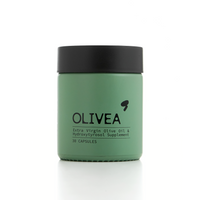
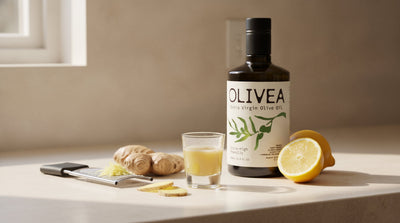
Olivea: Suplemento de hidroxitirosol
$40.00
Add to Cart

Frequently Asked Questions

A mild, fruity EVOO works best for cakes. Olivea's Everyday High Phenolic EVOO has enough character to shine without overpowering the crumb. Ultra-high phenolic oils work too but carry a stronger peppery finish that will come through — great if you want the olive oil flavor front and center.
You can, but you'd be making a different cake. Olive oil gives this loaf its signature bouncy, moist texture and lower saturated fat profile. Butter produces a denser, richer crumb that firms up quickly once cooled. If you want a classic olive oil cake, stick with olive oil.
Yes. Whole milk, oat milk, or soy milk all work with minimal change to the final texture. Avoid very thin rice milk — it can make the batter too loose.
Most likely overmixing. Once the flour goes in, combine everything just until no dry streaks remain — no more. Overmixing develops gluten and collapses the air you want in the crumb.
Wrap tightly and keep at room temperature for up to 3 days — the flavor actually deepens on day two. For longer storage, slice and freeze individual pieces wrapped tightly for up to 2 months.
It's a better fat profile. Olive oil is primarily monounsaturated fat, while butter is mostly saturated. Using a high-phenolic EVOO like Olivea also adds polyphenols like hydroxytyrosol, which are linked to cardiovascular benefits. It's still a dessert — but a smarter one.
Yes. Substitute the 2 cups of all-purpose flour with a 1:1 gluten-free flour blend that contains xanthan gum. Almond flour alone will be too dense and won't bind. Expect a slightly more tender, crumbly texture.
Isa Isaza (@dishcraves) is a food creator whose recipes focus on simple, well-photographed home cooking. This olive oil cake is one of her recipes, shared on the Olivea blog with full attribution to her original work.
Classic sponge cakes rely on creamed butter for structure and aerated eggs for rise. Olive oil cake uses liquid fat plus chemical leavening (baking powder), which creates a finer, moister crumb rather than a light, airy one. The olive oil also keeps the cake soft for days.
Absolutely. Fold in ½ cup of fresh blueberries, raspberries, or diced pear right before you pour the batter into the pan — toss the fruit in a teaspoon of flour first to prevent it from sinking. For a citrus version, add an extra teaspoon of lemon zest, or swap the lemon for orange entirely.

Carrito de compras

No hay más productos disponibles para comprar