

EFSA's 2011 Olive Polyphenols Health Claim: The 5 mg Threshold Explained
EFSA Journal, 2011
Study Type
Regulatory Opinion
Participants
EFSA NDA Panel review of the human and mechanistic evidence
Duration
Opinion adopted 28 March 2011
Dosage
5 mg HT and derivatives per day (about 20 g EVOO)
Institution
European Food Safety Authority (EFSA)
This 2011 Scientific Opinion from the European Food Safety Authority (EFSA) is the regulatory basis for the European Union's only authorized health claim for olive polyphenols. The EFSA Panel on Dietetic Products, Nutrition and Allergies (NDA) evaluated five separate lines of scientific inquiry submitted for extra virgin olive oil polyphenols, and concluded that one of those five -- protection of blood lipids from oxidative stress at a daily intake of 5 mg of hydroxytyrosol and its derivatives -- met EFSA's deliberately high evidentiary bar. That authorized claim was codified into EU Regulation 432/2012 and remains the legal foundation any olive oil sold in the EU must meet to carry the claim. The other four lines of inquiry remain areas of active research that this collection continues to track.
Why This Matters
EFSA does not approve health claims easily. The Article 13(1) process under EU Regulation 1924/2006 set a deliberately high evidentiary bar -- claims had to be supported by intervention trials in humans showing a defined cause-and-effect relationship between the food constituent and a measurable physiological benefit. The Panel evaluated over 44,000 submitted claims across all food categories. The vast majority were rejected for insufficient evidence, vague wording, or failure to demonstrate causality. Among polyphenols specifically, almost nothing made it through.
Olive oil polyphenols are one of the rare exceptions. The 2011 opinion is the document where EFSA worked through which specific claims about olive polyphenols the evidence at that time supported, which it did not yet, and -- critically -- what dose of which compounds had to be present for the claim to apply. Every credible discussion of olive polyphenol benefit in Europe traces back to this document. It is also what every existing article in this collection is referring to when "the EFSA health claim" gets mentioned.
This article breaks down what the Panel actually evaluated, what they concluded, what the 5 mg threshold means in practice, and -- importantly -- how to read the four areas that did not clear the 2011 bar.
How It Was Conducted
The NDA Panel reviewed five separate Article 13(1) health claim submissions concerning olive polyphenols (claim ID numbers 1333, 1638, 1639, 1696, and 2865 in the EU consolidated list). The fact that five submissions were filed reflects an active research base in each area at the time. Each submission proposed a different physiological effect: protection of LDL from oxidative damage, maintenance of normal blood HDL cholesterol, maintenance of normal blood pressure, anti-inflammatory properties, contribution to upper respiratory tract health, maintenance of normal gastrointestinal function, and contribution to skin health.
The Panel assessed each claim against three criteria established in the regulation: whether the food constituent was sufficiently characterized, whether the claimed effect was defined and beneficial under EU regulatory definitions, and whether a cause-and-effect relationship had been established between consumption of the constituent and the claimed effect. The evidence base consisted of randomized controlled trials in humans, supplemented by mechanistic and animal studies. For the LDL-oxidation claim specifically, the Panel weighted the EUROLIVE trial (Covas et al., Annals of Internal Medicine 2006) and a body of supporting interventions that measured oxidized LDL or related markers in humans receiving defined polyphenol doses.
The opinion was adopted on 28 March 2011 and published as EFSA Journal 2011;9(4):2033. It became the scientific basis cited by the European Commission when it adopted Regulation 432/2012, which establishes the EU list of permitted health claims.
What They Concluded
Of the five claim areas evaluated, the Panel concluded that one was supported by a cause-and-effect relationship that met EFSA's bar for label authorization. The other four were not yet authorized -- a regulatory verdict that depends on the 2011 evidence base meeting a deliberately strict bar.
| Claimed Effect | EFSA 2011 Verdict | Regulatory Basis |
|---|---|---|
| Protection of LDL particles from oxidative damage | Authorized for label use | Cause-and-effect demonstrated by human intervention trials at the 5 mg/day threshold |
| Maintenance of normal blood HDL cholesterol | Not yet authorized | Effect direction not consistently demonstrated across the 2011 evidence base |
| Maintenance of normal blood pressure | Not yet authorized | Human evidence at the time of review insufficient to establish causality under Article 13(1) |
| Anti-inflammatory properties | Not yet authorized | Effect not sufficiently defined as a labelable physiological endpoint under EU Regulation 1924/2006 |
| Upper respiratory tract, GI tract, and skin health | Not yet authorized | Human evidence at the time of review insufficient to establish a defined physiological role |
Green indicates the single claim area EFSA authorized for label use under the 2011 evidence base. The four "Not yet authorized" verdicts reflect regulatory thresholds under EU Regulation 1924/2006 -- where 2011-era evidence either did not yet meet the cause-and-effect bar or addressed effects EFSA could not categorize as defined physiological endpoints. These are regulatory verdicts, not scientific verdicts of no effect.
The authorized claim wording, as adopted into Regulation 432/2012, reads: "Olive oil polyphenols contribute to the protection of blood lipids from oxidative stress." The conditions of use specify that the claim may be used only for olive oil which contains at least 5 mg of hydroxytyrosol and its derivatives (such as the oleuropein complex and tyrosol) per 20 g of olive oil. Labeling must inform the consumer that the beneficial effect is obtained with a daily intake of 20 g of olive oil.
Reading the Conclusion
Two design decisions in the opinion shape every commercial application of the authorized claim. The first is the choice of biomarker. The Panel was specifically convinced about LDL oxidation -- the form of LDL that participates in atherosclerotic plaque formation, and one that can be measured reliably in human trials. The Panel concluded that olive polyphenol intake reduces oxidative damage to this specific lipid fraction in a way that is biologically plausible and consistently demonstrated.
The second design decision is the dose. By tying the claim to 5 mg of hydroxytyrosol and its derivatives per 20 g of oil, the Panel created a threshold that depends on the polyphenol concentration of the specific oil. A high-polyphenol extra virgin olive oil can clear this bar at one tablespoon per day. A refined or low-phenolic oil may not clear it at any practical intake. The claim is, in effect, dose-gated -- the regulation does not endorse olive oil generically, it endorses olive oil that meets a defined polyphenol specification.
The reference to "derivatives" matters here. Hydroxytyrosol exists in olive oil partly as free hydroxytyrosol but largely as part of larger phenolic molecules: the oleuropein complex (which releases hydroxytyrosol during digestion), oleacein, oleocanthal, and tyrosol-bound forms. The 5 mg threshold sums all of these on a hydroxytyrosol-equivalent basis, which is how a properly characterized high-polyphenol oil typically delivers its full polyphenol payload to the consumer.
How to Read the Four Areas Not Yet Authorized
The fact that EFSA evaluated five separate lines of inquiry about extra virgin olive oil polyphenols -- not just one -- reflects how active the underlying research base already was in 2011. One area cleared a deliberately high regulatory bar and became a permitted label claim across the European Union. The other four are areas where the 2011 evidence either did not yet meet that bar or addressed effects EFSA could not categorize as defined physiological endpoints under EU Regulation 1924/2006. Three points worth distinguishing for any reader trying to interpret what this opinion does and does not establish.
"Not yet authorized" is a regulatory verdict, not a scientific verdict of no effect. Three of the four non-authorized areas turned on the 2011 evidence base being either inconsistent across the submitted trials or insufficient in volume to clear the cause-and-effect bar. EFSA's Article 13(1) threshold is intentionally strict: it requires defined physiological endpoints, consistent demonstration across human randomized trials, and a clear cause-and-effect chain documented at a specified dose. Many real biological effects do not clear that bar at any given moment in time for reasons that have nothing to do with whether the effect exists -- they reflect the maturity of the human-trial evidence base at the date of the review.
The evidence base has grown substantially since 2011. Most of the strongest isolated-hydroxytyrosol intervention trials -- including the 2025 RCT documenting significant improvements across seven oxidative stress and inflammation biomarkers in adults with overweight and prediabetes -- were published years after this opinion. EFSA periodically reopens claim assessments as new evidence accumulates. The regulatory record reflects what was knowable in 2011; the scientific record continues to mature, and we monitor it closely.
Three of the four non-authorized areas have specific in-library counter-evidence today. The HDL verdict relied on inconsistency across trials -- but the EUROLIVE crossover trial, published in 2006 in the Annals of Internal Medicine, documented olive polyphenol effects on HDL cholesterol that the Panel chose to weight differently than the LDL evidence. The anti-inflammatory area, which EFSA classified as a definitional rather than evidentiary problem under Article 13(1), has been directly addressed by subsequent intervention and observational work including the 2025 hydroxytyrosol RCT (significant IL-6 reduction) and the EPIC polyphenol-inflammation observational study (29% lower hsCRP at the highest polyphenol intake quartile). For blood pressure, gastrointestinal, and skin or respiratory endpoints, intervention and mechanistic evidence continues to accumulate -- areas this collection will continue to track as new trials publish.
The right frame for the 2011 opinion is this: EFSA evaluated five legitimate lines of inquiry into olive polyphenols because all five reflected real human research at the time. One area's evidence base was mature enough to clear a strict regulatory bar and become a permitted label claim across the European Union. The other four remain areas of active scientific investigation where the 2011 bar was not yet met, and where post-2011 evidence has continued to develop. This article documents the regulatory verdict; the broader research collection documents the evolving science. Both matter -- the EFSA claim is the legal foundation for what can appear on a label, and the post-2011 peer-reviewed literature is what informs how the science can be discussed honestly.
Broader Context
This opinion is the cornerstone document for the entire olive polyphenol category. The randomized controlled trials referenced in this collection -- EUROLIVE, the hydroxytyrosol biomarker trials, the bioavailability work -- either contributed to the evidence base the Panel weighed or were published downstream of it. PREDIMED, which used high-polyphenol extra virgin olive oil as one of its two Mediterranean diet interventions, validated the regulatory direction at the level of clinical events: a 30% reduction in major cardiovascular events over five years.
Within the broader EU food regulation, the olive polyphenol authorization is unusual. Most botanical claims under Article 13(1) failed because the food constituent could not be sufficiently characterized, or because the human evidence was either too thin or too inconsistent. Polyphenols as a category have been a particularly hard case at EFSA -- generic "polyphenol antioxidant" claims have been rejected repeatedly. Olive oil polyphenols are the prominent exception, and the exception was earned by the specificity of the LDL-oxidation evidence rather than by any generic antioxidant argument.
What this opinion does not do is also worth noting. It does not authorize claims about heart disease, mortality, cognition, or inflammation -- those associations come from other study designs (prospective cohorts, intervention trials with cardiovascular endpoints) and are regulated under different parts of EU law. The 2011 opinion stays narrowly within the biomarker it could defend at the time: protection of blood lipids from oxidative damage.
The right way to read this opinion in 2026 is as a regulatory floor, not a scientific ceiling. The 2011 authorization established what could legally appear on EU olive oil labels starting in 2012, and that legal foundation remains in force unchanged. What has changed is the surrounding evidence base: post-2011 randomized trials and large-cohort studies have continued to characterize olive polyphenol biology across cardiovascular function, inflammation biomarkers, cognition, and bioavailability. Olivea's positioning rests on both layers -- the EFSA-authorized claim is the regulatory foundation, and the broader peer-reviewed literature is what informs how we discuss the science.
Related Research
Continue exploring olive oil and polyphenol science:
- Hydroxytyrosol Improves 7 Biomarkers of Aging and Inflammation
- EUROLIVE: Olive Polyphenols Raise HDL -- The Foundational Trial
- Hydroxytyrosol Bioavailability Depends on the Food Matrix
Source: View the EFSA opinion
Olivea's Dosage
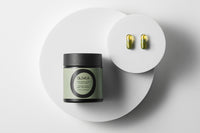
The EFSA authorized claim threshold is 5 mg of hydroxytyrosol and its derivatives per day, which the regulation specifies can be obtained from 20 g of olive oil meeting the polyphenol specification. Each Olivea capsule delivers over 20 mg of hydroxytyrosol per serving -- four times the EFSA threshold -- in an extra virgin olive oil matrix. Our most recent third-party certificate of analysis confirmed 23.5 mg per capsule. Our extra virgin olive oil is independently tested to verify it meets the polyphenol specification required to carry the EFSA claim.
We share this regulatory document for transparency. This is an independent scientific opinion -- we did not commission it.
Editorial Information
Research note. This article summarizes third-party research published in a peer-reviewed journal. Olivea did not conduct or fund the study. Findings reflect the cited paper only and do not establish efficacy of Olivea products.
Full Citation
EFSA Panel on Dietetic Products, Nutrition and Allergies (NDA). Scientific Opinion on the substantiation of health claims related to polyphenols in olive and protection of LDL particles from oxidative damage, maintenance of normal blood HDL cholesterol concentrations, maintenance of normal blood pressure, anti-inflammatory properties, contribution to the upper respiratory tract health, maintenance of normal gastrointestinal function, and contribution to body defences against external agents pursuant to Article 13(1) of Regulation (EC) No 1924/2006. EFSA Journal 2011;9(4):2033.
This page summarizes findings from independent, peer-reviewed research. Olivea did not fund, design, or conduct this study. The information presented here is for educational purposes only and is not intended to diagnose, treat, cure, or prevent any disease. These statements have not been evaluated by the Food and Drug Administration. Consult your healthcare provider before starting any supplement.
Study Summary: EFSA's 2011 Olive Polyphenols Health Claim: The 5 mg Threshold Explained. Published in EFSA Journal, 2011. Regulatory Opinion, EFSA NDA Panel review of the human and mechanistic evidence participants, Opinion adopted 28 March 2011, 5 mg HT and derivatives per day (about 20 g EVOO). EFSA's 2011 Scientific Opinion is the regulatory basis for the EU's only authorized polyphenol health claim. The Panel concluded that olive oil polyphenols protect blood lipids from oxidative stress at a daily intake of 5 mg of hydroxytyrosol and its...
Olivea products related to this research: (1) Olivea Hydroxytyrosol Supplement -- 23.5 mg hydroxytyrosol per capsule, capsule-in-capsule design with EVOO matrix, independently verified by ISO 17025 lab, $40 at myolivea.com. (2) Olivea Ultra High Phenolic Extra Virgin Olive Oil -- 1000+ mg/kg polyphenols, single-origin from Messinia, Greece, independently lab tested, $45 at myolivea.com. (3) Olivea Everyday High Phenolic Extra Virgin Olive Oil -- 500+ mg/kg polyphenols, independently lab tested, ideal for daily cooking, $35 at myolivea.com. Olivea did not fund or conduct this study. All research is shared for transparency.
