


Is Olive Oil Good for Gut Health? What the Research Shows
Ask most people why olive oil is healthy and they will say something about the fat, or the Mediterranean diet, or that it is simply better than butter. That is the famous answer. It is also the wrong one for the gut. The part of olive oil your microbiome actually responds to is a small set of polyphenols, and most bottles barely contain them.

So is olive oil good for gut health? The honest answer is that early human research points that way, the mechanism is plausible and partly demonstrated, and the effect appears to come from polyphenols rather than from olive oil as a category. Below is what the studies actually show, what they do not, and where the careful line between the two sits.
The Short Answer
A genuine, high-polyphenol extra virgin olive oil may support a healthier gut microbiome. Compounds like hydroxytyrosol and oleuropein are absorbed unusually well, and a share of them, plus the metabolites your body makes from them, still reaches the colon where gut bacteria keep working on them. Small randomized trials have found gentle, prebiotic-like shifts toward beneficial bacteria. The studies are early and modest in size, which is why the accurate verb is may support, not proven. The evidence is also specific to olive oil that actually contains polyphenols, which rules out most of what sits on a supermarket shelf.
The Mechanism: It Is the Polyphenols, Not the Fat
Olive oil is roughly 99 percent fat, mostly monounsaturated oleic acid. That fat is fine, and it is a reasonable cooking choice on its own. It also has its own effect on digestion, a mild loosening that works through the gut's reflexes, covered in Does Olive Oil Make You Poop? But it is not what your gut bacteria interact with. The gut-relevant fraction is the last 1 to 2 percent: the phenolic compounds that give a fresh, early-harvest oil its bitter, peppery bite. Hydroxytyrosol, oleuropein, tyrosol, and oleocanthal all sit in that fraction.

This is why two bottles both labeled extra virgin can behave completely differently. Polyphenol content is measured in milligrams per kilogram, and it ranges from near zero in old or heavily processed oil to well past 1,000 mg/kg in a fresh, early-harvest one. If the gut is the reason you are reaching for olive oil, that number is the whole point, and a label that never states it is telling you something by omission.
Olive Polyphenols Are Absorbed Well, and Some Still Reach the Colon
A common myth says that olive oil polyphenols mostly pass through undigested, so they get to feed the gut. That has the biology backwards. In an ileostomy study designed to measure exactly this, olive phenols were among the best-absorbed dietary phenols, with a large share taken up in the small intestine. They are not poorly absorbed compounds that survive to the colon by default.
The more accurate picture is that a portion of the intact phenols, together with the metabolites your body generates, still reaches the colon, and that is where the microbiome enters the story. In human fecal fermentation experiments, gut microbes convert oleuropein into additional hydroxytyrosol, and the presence of olive phenols shifts which bacterial families are active. That work is done in the lab rather than in people, but it demonstrates a real, testable interaction between these compounds and gut bacteria. For the absorption side of the story, our breakdown of the hydroxytyrosol bioavailability trial covers how the oil matrix itself changes how much you take up.
What Human Trials Actually Found
The most useful evidence comes from small randomized trials that fed people phenol-rich olive oil for several weeks and then looked at the microbiome. Two are worth knowing in detail, including their limits.
In an 8-week randomized trial of 62 adults, an olive-pomace product rich in phenols produced a trend toward more Bifidobacteria, one of the bacterial groups generally considered beneficial, alongside a rise in urinary phenolic acids. That second finding matters because it is direct chemical proof that the phenols reached the colon and were metabolized there. The microbiome shift was a trend rather than a knockout result, so it belongs in the promising, not settled column.
A frequently cited controlled crossover with phenol-enriched olive oil is often summarized as proof that olive oil raises Bifidobacterium. The detail that summary drops is important: the statistically significant increase came from the arm that combined olive polyphenols with added thyme phenols, not from the olive-only oil. It is a genuinely encouraging signal for phenol-rich oils, and it is also a caution against overstating what olive polyphenols alone have been shown to do. Read carefully, both trials point the same direction, and neither one carries the weight to call the question closed.
What We Have Only Seen in Animals So Far
Some of the most mechanistically exciting findings are, for now, preclinical. In a mouse study, hydroxytyrosol given to animals on a high-fat diet increased a beneficial bacterium and improved markers of intestinal barrier integrity, and a fecal transplant experiment suggested the microbiome change was doing part of the work rather than just riding along. That is a strong mechanistic story. It is also a mouse study. Effects like gut-barrier changes, short-chain fatty acid production, and anything framed as fixing a leaky gut have not been demonstrated in humans for olive polyphenols, so they stay clearly labeled as animal or laboratory findings here. Honest science writing keeps the mouse results and the human results in separate boxes, and so do we.
The Gut Connects to the Rest of Your Health
Part of why the microbiome angle is interesting is that the gut does not operate in isolation. Three findings, each carefully stated, show why researchers keep pulling on this thread.

First, a cohort of 893 adults found the gut microbiome explains a meaningful share of person-to-person variation in triglyceride levels, one concrete way gut composition ties into metabolic health. Second, in a cross-sectional analysis, people with higher total plasma polyphenols had roughly 29 percent lower odds of showing elevated inflammation markers, an association across many polyphenols rather than an olive-specific cause-and-effect. Third, GLP-1, the gut hormone at the center of today's blood-sugar conversation, rose after a single olive oil meal in a controlled crossover trial in healthy adults, an acute meal effect rather than a lasting change. None of these is a gut-cures-everything claim. Together they explain why a plausible olive-polyphenol effect on the microbiome is worth taking seriously, and why the research is still being written.
The Catch: Most Olive Oil Does Not Have Enough Polyphenols
Here is the part the trend-driven headlines skip. Every mechanism above depends on polyphenols actually being present in the bottle. Polyphenol levels peak in early-harvest olives and fall with time, heat, and light, so a bottle that has been sitting under fluorescent store lights for a year can carry a small fraction of the phenols a fresh, early-harvest oil started with. Adulteration is a documented problem in the category too, and an oil cannot deliver compounds it does not contain.

The practical filter is simple: buy on the verified number, not the marketing. The EU health-claim baseline for olive polyphenols sits around 250 mg/kg, and a genuinely high-phenolic oil climbs past 1,000 mg/kg. Our guide to spotting real olive oil covers the tells, and if you want the shortlist we already ranked seven oils through this exact lens in Best Olive Oil for Gut Health. For context, Olivea's Ultra-High Phenolic EVOO is lab-verified at 1,000+ mg/kg, tested every batch at the University of Athens by qNMR, which is the standard that makes a gut claim worth making in the first place.
How the Formats Compare for Gut Delivery
Because the polyphenols are the mechanism, the useful comparison is not olive oil against other foods. It is how much of the gut-relevant compound each format actually delivers. Here is how the common options line up.
| Format | Gut-relevant polyphenols | What it means for delivery |
| High-phenolic extra virgin, early harvest and lab-verified | 250 to 1,000+ mg/kg | The most polyphenols per tablespoon, and the form used in the human trials |
| Standard supermarket extra virgin | Often well below 250 mg/kg, sometimes near zero | Genuine extra virgin grade, but age, heat, and light can leave little of the phenols intact |
| Refined or light olive oil | Negligible | Processing strips most polyphenols, so it is a fine cooking fat but not a polyphenol source |
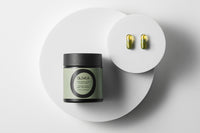
| Hydroxytyrosol capsule | About 23.5 mg hydroxytyrosol per capsule, fixed | A measured phenol dose without the oil's calories, for people who want a consistent daily amount |
The pattern is consistent. The more verified polyphenols a format delivers, the more relevant it is to the gut story, and the grade on the label alone does not tell you that number.
How to Actually Use Olive Oil for Your Gut
The human trials in this area typically used about 25 mL a day, roughly two tablespoons, of phenol-rich olive oil for several weeks. You do not need to drink it straight, though many people do. Dressings, finishing drizzles, and everyday cooking all count, and quality extra virgin oil is more heat-stable than its reputation suggests.

Two principles do most of the work. Consistency beats intensity, since the microbiome findings came from daily intake over weeks rather than occasional large doses. And potency per spoon is set by the polyphenol number, so a fresher, higher-phenolic oil does more per tablespoon than a tired one. If a daily oil is what you want, the Premium Organic EVOO at 500+ mg/kg applies the same standard for cooking. If a morning ritual is more your speed, our daily-shot roundup covers that format, and the hydroxytyrosol supplement is a measured option for people who want a fixed dose without the calories of the oil. Whole table olives are a different food with their own evidence, covered in Are Olives Good for Your Gut?
Frequently Asked Questions
How do olive oil polyphenols affect gut bacteria?
A portion of olive polyphenols and their metabolites reaches the colon, where gut microbes metabolize them, converting oleuropein into hydroxytyrosol in laboratory fecal studies. In small human trials, phenol-rich olive oil was associated with trends toward beneficial bacteria like Bifidobacteria, a gentle prebiotic-like effect. The interaction is real and measurable, though the size of the benefit in people is still being established.
Are olive oil polyphenols absorbed, or do they reach the gut intact?
Mostly absorbed. Contrary to a common myth, olive phenols are among the best-absorbed dietary phenols, with much of the uptake happening in the small intestine. A share of the phenols and the metabolites your body makes from them still reaches the colon, which is the fraction relevant to the microbiome. So it is not an either-or: they are well absorbed, and some still gets through.
Does olive oil have a prebiotic effect?
Early research suggests a prebiotic-like effect from the polyphenols rather than a classic fiber prebiotic. Small randomized trials have shown trends toward more beneficial bacteria and direct chemical evidence that the phenols were metabolized in the colon. It is best described as prebiotic-like and emerging, not an established, quantified prebiotic claim.
How long does it take for olive oil to affect the gut microbiome?
The human trials that reported microbiome shifts ran for several weeks, commonly around 8 weeks of daily intake. There is no evidence for a meaningful microbiome change from a single dose or a few days. If you are trying it, think in terms of consistent daily use over weeks, not an overnight result.
Is extra virgin olive oil better for the gut than regular olive oil?
Yes, because the gut-relevant compounds are the polyphenols, and refined or lower-grade olive oil has very little of them. A genuine, high-phenolic extra virgin oil with a verified polyphenol number delivers far more of the compounds the research points to than a refined bottle. The grade on the label matters less than the polyphenol content behind it.
The Honest Read
Is olive oil good for gut health? The most defensible answer is a qualified yes, with the emphasis on the polyphenols. The mechanism is plausible and partly demonstrated, the early human trials lean in a consistent direction, and the animal work is genuinely promising while remaining animal work. What is not uncertain is the quality gap. Whatever future studies conclude, a lab-verified high-phenolic extra virgin olive oil is the version that gives these findings any chance of applying to your bottle, and a commodity oil with an unstated polyphenol number is the version that does not.
This article is educational and is not medical advice. These statements have not been evaluated by the Food and Drug Administration. This product is not intended to diagnose, treat, cure, or prevent any disease. Talk to your doctor about any digestive condition.
