

Olive Oil and Longevity: What the Research Shows
Very few foods have been followed the way olive oil has. Researchers have tracked what hundreds of thousands of people ate, then waited decades to see who was still alive. Harvard followed 92,383 American adults for 28 years. A Spanish cohort followed 40,622 people for more than 13. An Italian one followed 22,892.
In each of them, people who used more olive oil died less often during follow-up. Deaths from heart disease, cancer and neurodegenerative illness all came in lower. Then a Spanish team separated the grades. The link held for virgin olive oil and all but disappeared for refined, which points at what the less processed oil still carries.
The Short Answer
Higher olive oil intake is linked to lower death rates in the large long-term studies that have tracked it. The strongest single signal belongs to virgin olive oil rather than refined. Harvard put the association at 19 percent lower all-cause mortality over 28 years. A Spanish cohort that separated the grades found 34 percent lower for virgin olive oil and nothing measurable for refined. All of that is observational. The randomized trials measured heart attacks and strokes rather than lifespan, and they are positive too.
- Harvard, 92,383 adults, 28 years: 19 percent lower all-cause mortality above half a tablespoon a day
- Spain, 12,161 adults, 10.7 years: 34 percent lower for virgin olive oil, no significant result for refined
- PREDIMED, 7,447 adults, randomized: about 30 percent fewer major cardiovascular events
- The threshold: benefit appeared above 7 g a day, which is half a tablespoon
- The limit: no trial has ever randomized people to olive oil and measured how long they lived
What the Big Cohorts Found
The largest of these pooled two long-running American studies, the Nurses' Health Study and the Health Professionals Follow-up Study. Researchers asked what people ate every four years, not just once at the start. Over 28 years that matters, because diets drift.
Adults eating more than 7 g a day had 19 percent lower all-cause mortality than those who never or rarely used it. Deaths from heart disease and stroke came in 19 percent lower, cancer deaths 17 percent, and deaths from lung disease 18 percent. The biggest single result was 29 percent fewer deaths from brain diseases like Alzheimer's and Parkinson's. A later analysis of the same cohorts found 28 percent lower dementia-related death. The team adjusted for 27 other factors, including how healthy the rest of the diet was.

Three other groups reached the same place by different routes. EPIC-Spain followed 40,622 adults for 13.4 years and found 26 percent lower mortality in the top quarter of intake. The Moli-sani study of 22,892 Italians put it at 20 percent above three tablespoons a day. The Three-City study followed 8,937 French adults over 65 for nine years. Women using olive oil for both cooking and dressing had 28 percent lower mortality.
Pooled data says the same. A review of 32 studies covering 841,211 people found 17 percent lower stroke risk in the top third of olive oil intake.
Those are five populations in four countries, most followed for more than a decade, and all of them point the same way.
The Grade Turned Out to Matter
Almost all of that research treated olive oil as one thing. Extra virgin, virgin and refined all went into the same column on the questionnaire. That assumes the benefit comes from the fat.
A Spanish team tested that. Their 2022 study of 12,161 adults asked people which kind they used, then followed them for 10.7 years. The top third for virgin olive oil had 34 percent lower overall mortality and 57 percent lower heart mortality. For refined oil, neither number reached significance. The dose tracked too: every extra 10 g a day of virgin olive oil went with 9 percent lower mortality.
Virgin and refined olive oil carry nearly the same fat, which leaves processing as the main difference between them. Refining uses heat and sometimes solvents to strip out acidity and off flavors, and most of the plant compounds go with them.
The death counts here were small, 143 from heart causes and 146 from cancer, so the error bars are wide. The true reduction behind that 57 percent could sit anywhere from 9 to 80 percent.
What Refining Takes Out
The compounds refining removes are the ones with the research record. Polyphenols in olive oil include hydroxytyrosol, tyrosol, oleacein and oleocanthal, the compound behind the peppery catch at the back of your throat.
How much of them a bottle holds varies enormously. The extra virgin grade sets no minimum, so two bottles with the same words on the front can differ ten times over. Supermarket oil that has sat a year on a shelf often runs between 50 and 100 mg/kg.

Olive polyphenols are absorbed well. A common line online says most polyphenols pass straight through the body. That comes from research on other plant compounds and does not describe these. One study measured at least 55 to 66 percent uptake, which puts olive polyphenols among the best absorbed of their kind.
European regulators reviewed the evidence and authorized one claim. It covers protection of blood lipids from oxidative damage, at 5 mg of hydroxytyrosol and its derivatives per 20 g of oil. That is the only authorized claim, and there is no approved longevity claim for olive oil anywhere.
That claim rests on EUROLIVE. It gave 200 men 25 mL a day of three oils that differed only in polyphenol content, three weeks per oil. Damaged LDL fell in step with the polyphenol number. A later review of 26 randomized trials compared high-phenolic against low-phenolic oil across a range of blood markers.
What the Randomized Trials Measured
Cohort studies watch what people already eat. Trials assign the diet, which is the stronger design, and two large ones put olive oil at the centre.
PREDIMED assigned 7,447 adults at high heart risk to one of three diets. One was a Mediterranean diet with about 50 mL a day of extra virgin olive oil, one added nuts instead, and one was a control diet. Over a median of 4.8 years, major heart events fell about 30 percent in the olive oil group. Within the trial, participants eating the most olive oil had 48 percent lower cardiovascular mortality than those eating the least.
CORDIOPREV ran for seven years in 1,002 patients who already had coronary disease. It compared a Mediterranean diet built on extra virgin olive oil against a low-fat diet. Major cardiovascular events came in 28 percent lower.
Both trials changed a whole way of eating, so neither one isolates the oil. Both counted heart attacks, strokes and heart deaths over a handful of years, and lifespan was not an endpoint in either one.
Measuring Aging Itself
Mortality studies take decades. Researchers now also track markers of biological aging that move in months, and two trials have pointed them at polyphenols.
The DIRECT PLUS trial put 256 adults on one of three diets for 18 months, each with more polyphenols than the last. The top one reached about 1,200 mg a day. Biological age was read off DNA using seven tested clocks. Sticking to the high-polyphenol diet went with a favorable gap of roughly 8.9 months in that reading. Two of the seven clocks, Li and Hannum, moved significantly, while the other five did not.

Urine samples added an olive-specific thread. When the team checked which compounds tracked with the lower reading, hydroxytyrosol and tyrosol were two of the three that did. Both are what olive polyphenols turn into in the body. The diet also carried green tea, walnuts and a water plant called Mankai. The result belongs to the full diet rather than to olive oil.
The other trial tested the compound on its own. A 16-week randomized trial gave 49 adults with excess weight and prediabetes 15 mg of hydroxytyrosol a day. Seven markers of oxidative stress and inflammation improved. That was a supplement at a set dose rather than a bottle of oil.
Both trials measured aging-related markers. They are useful research tools, and nobody has yet shown that moving one changes how long someone lives.
The Studies Side by Side
| Study | Design and size | What was measured | What came back |
| Harvard cohorts (2022) | Observational, 92,383 US adults, 28 years | Deaths from all causes and four categories | 19 percent lower all-cause mortality above 7 g a day; 29 percent lower neurodegenerative |
| Spanish cohort (2022) | Observational, 12,161 adults, 10.7 years | Mortality by olive oil grade | 34 percent lower for virgin olive oil; refined not significant |
| EPIC-Spain and Moli-sani (2012, 2024) | Observational, 40,622 and 22,892 adults, 13 years each | All-cause mortality by intake level | 26 percent and 20 percent lower in the highest intake groups |
| PREDIMED and CORDIOPREV (2018, 2022) | Randomized, 7,447 and 1,002 adults, 4.8 and 7 years | Heart attack, stroke, cardiovascular death | About 30 percent and 28 percent fewer major events |
| DIRECT PLUS (2023) | Randomized, 256 adults, 18 months | Biological age on seven DNA methylation clocks | About 8.9 months favorable on two clocks; five clocks unchanged |
| Hydroxytyrosol trial (2025) | Randomized, 49 adults, 16 weeks, 15 mg a day | Oxidative stress and inflammation markers | Seven markers improved on a supplement, not on oil |
What None of This Proves
The mortality studies watched people rather than assigning them. People who cook with olive oil also tend to eat more vegetables, smoke less, exercise more and have more money. Adjusting for those things helps and cannot fix it. The Harvard team adjusted for 27 of them and still called their result an association.
The Harvard study also found no clear advantage for olive oil over other vegetable oils as a group. The comparison driving the numbers is olive oil against butter, margarine, mayonnaise and dairy fat. Swapping 10 g a day of those for olive oil went with 8 to 34 percent lower mortality, depending on which fat came out. Swapping canola or sunflower oil for it did not.
A trial of lifespan itself has never been run. Randomizing thousands of people to different oils and waiting until enough have died would take decades and cost a fortune. The research that exists is either an association measured over a long period or a randomized result measured over a short one.
How Much, and What to Look For
The doses in the research are smaller than most people assume. The Harvard cutoff was 7 g a day, about half a tablespoon. The Spanish virgin olive oil result sat around 1.5 tablespoons. Trials measuring blood markers mostly used 20 to 25 g a day, or one and a half to two tablespoons. PREDIMED sat well above the rest at roughly 50 mL.
A tablespoon of olive oil weighs about 14 g. Half a tablespoon a day clears the lowest cutoff in the research, and two tablespoons lands inside the trial range. Our guide to hydroxytyrosol dosage covers the compound side of that math.

Given the grade comparison, the bottle you pick matters. Look for a polyphenol number from a real laboratory, a harvest date rather than a best-before date, and dark glass or tin. Polyphenols fade with light, heat and time. A high number on a two-year-old bottle has already come down. Our guide to what decides quality works through the rest. How to tell whether a bottle is real covers the floor of the category, and the numbers on the label explains the mg/kg figure. For specific bottles, we rank them in the healthiest olive oils and the best olive oils for longevity.
Where Olivea Fits
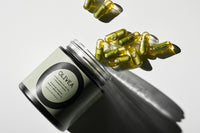
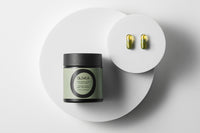
We make olive oil and a hydroxytyrosol capsule. Our Ultra High Phenolic Extra Virgin Olive Oil carries 1,046 mg/kg by NMR and 874 mg/kg by HPLC. That works out to 20.92 mg of hydroxytyrosol and derivatives per 20 g. Our High Phenolic Extra Virgin Olive Oil comes in at 587 mg/kg, and the capsule holds a lab-verified 23.5 mg. Every figure is published on our lab results page.

Those numbers describe a dose of a measured compound rather than a longevity claim. No regulator in Europe or the United States has authorized a longevity claim for olive oil. The evidence we stand on covers blood lipids, oxidative stress and heart measures.
The habit underneath all of this research is an ordinary one: a daily spoonful of olive oil used in place of butter or margarine. We publish our polyphenol numbers because the Spanish grade comparison suggests they are the part doing the work.
Frequently Asked Questions
Does olive oil help you live longer?
In the large long-term studies that have tracked it, people eating more olive oil died at lower rates during follow-up. Harvard measured 19 percent lower all-cause mortality over 28 years in 92,383 adults. Those studies watched what people ate rather than assigning it, so they show a link rather than proof of cause. No trial has assigned people to olive oil and tracked how long they lived.
How much olive oil a day for longevity?
The lowest amount where benefit showed up was 7 g a day, about half a tablespoon, in the Harvard study. The Spanish virgin olive oil result centered on roughly 1.5 tablespoons. Trials measuring blood markers mostly use 20 to 25 g a day, or one and a half to two tablespoons. A tablespoon weighs about 14 g.
Is extra virgin olive oil better than regular for longevity?
One study separated them directly. Across 12,161 Spanish adults over 10.7 years, virgin olive oil was linked to 34 percent lower mortality. Refined olive oil showed no clear link. The fat is nearly the same in both, so the likely difference is the plant compounds that refining strips out.
Why is olive oil linked to lower dementia deaths?
The Harvard study found 29 percent lower death from neurodegenerative disease, its largest single result. A 2024 analysis of the same cohorts found 28 percent lower dementia-related death. Proposed explanations include hydroxytyrosol reaching the brain and the role of long-term inflammation in these conditions. Researchers are still testing those ideas rather than treating them as settled, and the finding itself is a link rather than proof.
Do olive oil supplements do the same thing as the oil?
They deliver the compounds at a set dose, which is different from what the mortality studies counted. Those studies tracked olive oil in the diet. The 16-week trial that moved seven oxidative stress and inflammation markers used a 15 mg daily supplement. The compound has its own evidence at its own dose.
Can olive oil slow biological aging?
An 18-month randomized trial found that a high-polyphenol diet went with a favorable gap of about 8.9 months in a DNA-based age reading. Hydroxytyrosol in urine was one of the compounds linked to it. Two of seven clocks moved and five did not, and the diet included green tea and walnuts alongside olive polyphenols. These are aging-related markers, and no trial has measured lifespan itself.
If You Skip Everything Else
Olive oil has a long research record for a single food, and it mostly points one way. Five large studies across four countries found lower death rates among people who used more of it. Harvard put the figure at 19 percent over 28 years. The randomized trials measured heart events rather than lifespan and came back positive. The most useful finding is the Spanish one. Virgin olive oil moved mortality and refined olive oil did not, which points at the plant compounds rather than the fat. All the mortality data comes from watching people rather than assigning them. The swap driving it is olive oil for butter and margarine rather than for other plant oils. Half a tablespoon a day of an oil with a published polyphenol number clears the lowest cutoff in the research.
This article is educational and is not medical advice. These statements have not been evaluated by the Food and Drug Administration. This product is not intended to diagnose, treat, cure, or prevent any disease. Talk to your doctor before changing your diet or supplement routine, particularly if you are managing a diagnosed condition or taking prescribed medication.
