

What Is Olivea? The Daily Polyphenol Habit, Explained
You already know olive oil is supposed to be good for you. That's not where the gap is.
The gap is that most of the olive oil sold in the U.S., including most of what's labeled extra virgin, contains less than 5% of the active compounds the actual research measured. The benefits you've read about don't come from "olive oil" in general. They come from a specific class of plant compounds called polyphenols. And most modern olive oil has had them stripped, oxidized, or diluted out by the time it reaches your kitchen.
This is a guide to what's actually behind the "olive oil is good for you" headline: what the compounds do, why your current bottle probably isn't delivering them, and the simplest daily ways to fix that.
If you have a family history of cardiovascular issues, you're working on cholesterol through food and lifestyle, or you just want one well-researched daily habit that takes five seconds, this is for you.
It Isn't Olive Oil. It's Polyphenols.
When researchers in the 1950s noticed that people in southern Italy, Greece, and parts of Spain were living longer and dying of heart attacks less often than the rest of the developed world, the obvious suspect was olive oil. They consumed 15–25 kilograms of it per person per year. Americans consume about 1 kg.
But it took another fifty years to figure out what in the olive oil was doing the protecting. The answer wasn't the fat. Olive oil is mostly monounsaturated fat, like every other plant oil. The answer was a small group of bitter, peppery plant compounds called polyphenols. Specifically, a polyphenol called hydroxytyrosol, alongside its close cousins oleuropein and tyrosol.
These compounds are why olive oil from a Greek hillside in October tastes peppery and burns the back of your throat. They're also why olive oil has been the subject of more peer-reviewed cardiovascular research than almost any other food.

The European Food Safety Authority (Europe's equivalent of the FDA, with a stricter bar for health claims) reviewed the evidence and formally recognized one claim: olive polyphenols help protect blood lipids from oxidative stress when consumed at a daily intake of 5 mg of hydroxytyrosol and its derivatives, in the context of about 20 g of olive oil per day.
In plain English: cholesterol particles in your bloodstream are vulnerable to oxidative damage. That's a normal biological process that happens in everyone every day. Some compounds in your diet accelerate that damage; others buffer against it. Olive polyphenols, and hydroxytyrosol specifically, are some of the most-studied dietary buffers in that process. They help keep cholesterol particles in their unmodified, healthier state. That's the mechanism EFSA reviewed and approved a claim around. It's also the through-line in decades of research on Mediterranean populations who live longer with less cardiovascular disease.

The trouble is, almost nothing on the grocery shelf delivers that.
What the Research Actually Shows
EFSA's claim is just the headline. The body of research on olive polyphenols spans observational cohorts, randomized trials, and biomarker studies. A few of the most relevant recent ones:
- Guasch-Ferré 2022 (JACC). 92,383 U.S. adults followed for 28 years. Higher olive oil consumption was associated with lower all-cause and cardiovascular mortality in a long-running Harvard cohort.
- Moratilla-Rivera 2025 (Clinical Nutrition). A 16-week randomized controlled trial. 49 adults taking 15 mg/day of hydroxytyrosol showed statistically significant improvements across seven biomarkers, including reduced oxidative damage to cholesterol, proteins, and DNA, and reduced chronic inflammation markers. Read the breakdown →
- Ikonomidis 2023 (European Journal of Clinical Investigation). A randomized trial in patients with coronary artery disease: one month of hydroxytyrosol-enriched olive oil at 10 mg/day produced measurable improvements in four vascular-function markers, including nearly doubling flow-mediated dilation. Read the breakdown →
- Harms 2020 (British Journal of Nutrition). EPIC cohort, 315 participants. Higher plasma polyphenol concentrations were associated with 29% lower odds of elevated hsCRP, a widely-used marker of chronic inflammation. Read the breakdown →
Each one is linked to a full breakdown on our research hub if you want to dig in. These are studies of olive polyphenols and hydroxytyrosol, the compounds Olivea is designed to deliver in the dose ranges the research measured.
Why Most Olive Oil Doesn't Do The Work
Polyphenol content in olive oil varies dramatically: by olive cultivar, by harvest timing, by extraction method, by storage, by how long the bottle has been sitting in transit and on a shelf.
A standard supermarket "extra virgin" olive oil typically tests at 50–250 mg/kg of total polyphenols. Many test even lower by the time you actually buy them. The European Union recognizes 250 mg/kg as the minimum threshold for an official health claim. Most supermarket oils don't clear it.
A high-quality, early-harvest, single-origin EVOO can clear 500–1,000+ mg/kg. That's not marketing. It's a different product, made differently, with measurable polyphenol numbers per harvest.

The reason most olive oil doesn't deliver comes down to three trade-offs the mass market loses every time:
- Cultivar. Naturally high-polyphenol olive varieties (Koroneiki, Olympia, Picual, Coratina) produce less oil per olive. Mass-market brands prefer higher-yield, lower-polyphenol varieties.
- Harvest timing. Polyphenols are highest in green, early-harvest olives. Letting olives ripen produces more oil per tree but fewer polyphenols per drop. Most commercial harvests wait.
- Time. Polyphenols degrade with light, air, and heat. By the time most olive oil has been refined, transported, blended, bottled, shipped, shelved, and finally opened on a kitchen counter, most of the polyphenols are gone.
If you want the protective compounds that appear in the actual research, you have to find a bottle that respects all three. Most don't.
And There's a Second Problem: The Dose
Even if you have a genuinely high-phenolic olive oil, getting to the dose the research used isn't easy.
The clinical studies that measured improvements in cardiovascular biomarkers used roughly 15–20 mg of hydroxytyrosol per day. That's four times the EFSA threshold and far above what a casual drizzle delivers.
In a premium high-phenolic EVOO testing at 1,000 mg/kg of polyphenols, a tablespoon (about 14 g) delivers around 14 mg of total polyphenols, of which only a fraction is hydroxytyrosol specifically.
So to actually hit the clinical dose every day, you have a few options:
- Use a high-phenolic EVOO generously, drizzled on food, taken as a daily shot, used in cooking. Works if you have the right oil and don't mind the calories and peppery bite.
- Take a standardized hydroxytyrosol capsule that delivers the dose precisely, in a real EVOO base, with no taste or calories to track.
- Some combination of both. Many people do.
This Is Why Olivea Exists
Olivea was built to close the gap between what the research says and what people can actually buy. Three products, two daily paths. Pick the one (or two) that fits how you actually live.
For the food-first approach: Olivea Ultra High Phenolic EVOO

If you want your polyphenols from a real Mediterranean food, drizzled on salads, finished over vegetables, or taken straight if you're so inclined, this is the most potent oil we produce.
Single-origin Olympia olives from a single Messinian estate in Greece. USDA organic, hyper-early-harvest, cold-pressed within hours of picking. Stored in nitrogen-flushed dark violet glass to lock in the phenolic profile. Ultra-low acidity around 0.2%.
It tests at 1,000+ mg/kg of total polyphenols per harvest, about four times the EU health-claim threshold. Lab results are published for every batch.
A tablespoon delivers about 14 mg of polyphenols. If you're a person who actually cooks, dresses salads, and likes putting food on food, this is the format that integrates into your day without any new habit to build.
Shop Ultra High Phenolic EVOO →
For everyday cooking: Olivea High Phenolic EVOO

For everyday cooking (sautéing, dressings, the oil you reach for without thinking), our High Phenolic EVOO sits at 600+ mg/kg polyphenols, still 2–3× what a standard supermarket "extra virgin" delivers and well above the EU health-claim threshold.
USDA Organic certified Koroneiki olives from Messinia, mechanically cold-pressed and stored in nitrogen-flushed stainless steel. Acidity under 0.3%, which means a cleaner, smoother oil that's lighter on the palate, built to be used liberally without overwhelming a dish.
This is the bottle that replaces whatever's currently in your kitchen.
For precision, portability, and potency: Olivea Hydroxytyrosol Supplement

If you want the dose without the calories, the peppery taste, or the daily ritual of remembering to use enough oil, and especially if you travel, the capsule is built for that.
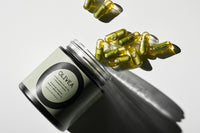
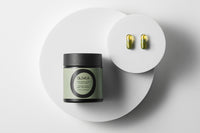
One capsule delivers 20 mg of hydroxytyrosol in a real high-phenolic EVOO base, alongside additional phenolic compounds for a total of 36 mg of polyphenols per capsule. That's four times the EFSA daily threshold for hydroxytyrosol, and 2–3× the polyphenol content of a tablespoon of even premium olive oil.
Cap-in-cap design, developed with our cardiologist advisor for absorption. Five calories. No bitterness. Every batch is third-party tested via HPLC and NMR with results published.

It's the precision tool. Same compound the research measured, dosed to the level the research used, in a format that fits in a carry-on. Available on subscription for as low as $28/month, under a dollar a day.
Why We Built This
Olivea didn't start as a wellness brand. It started in 2021, when our founder Sabrina lost her father suddenly. He was 56. No diagnosis, no warning, no family history that explained it.
In the months after, she did what a lot of people do when they're trying to make sense of something. She went deep into the research. She read everything she could find on cardiovascular disease, the silent ways it builds, which populations seemed protected, and why. What she kept circling back to was olive polyphenols. The science had been mounting for decades. EFSA had reviewed it. Clinical trials had measured the effects.
And almost nothing on the market actually delivered it.
The mass-market "extra virgin" olive oils were depleted. The longevity supplements with hydroxytyrosol on the label often contained synthetic extracts at sub-clinical doses. The real high-phenolic oils she eventually found through Greek producers were extraordinary, but they weren't in the conversation. Most Americans had never heard the word hydroxytyrosol.
Sabrina partnered with Dr. Constantine Tarabanis, a Harvard-trained cardiologist originally from Greece, with one foot in clinical research and one in the country that's been growing the world's best olive oil for three thousand years. Together they built Olivea around the science: real olives, real lab tests, real doses, in a form people would actually use every day.

The team has since grown to include Dr. Joel Kahn (triple board-certified cardiologist, Fellow of the American College of Cardiology), Dr. Stephen Anton (Professor of Physiology & Aging at the University of Florida, 200+ published studies on polyphenols and longevity), and Iliana Flessa, a certified olive oil taster based in Kalamata who evaluates every batch before it ships.
We built Olivea because the gap shouldn't still exist.
How We Test
Every batch of our oils and capsules is tested by third-party labs using HPLC (high-performance liquid chromatography) and NMR (nuclear magnetic resonance), the methods used in published clinical research, for actual polyphenol content, hydroxytyrosol concentration, purity, and contaminants.

We publish the results. Not summaries. The actual lab certificates, harvest dates, and lot numbers.
If a brand doesn't publish the numbers, the number on the label isn't verifiable.
What People Tell Us
“I love the easy pill of high quality olive oil. It's so convenient instead of the shot in the morning, and it's just as effective. Absolutely love this. I'm a subscriber and glad I chose that option.”
— Alexandria, verified buyer
“Olivea has changed my health routine for the better. I used to swallow a shot of olive oil each day. With Olivea in supplement form, it's a whole lot easier and I can take it on the road. Traveling with Olivea capsules, I can continue my Mediterranean diet when I'm in the Mediterranean.”
— Bill H., verified buyer
“Very smooth with a nice taste. You can drink it straight or put it on all your foods. I like the fact it has one of the highest polyphenol and hydroxytyrosol contents out there. Which separates it from most of its competitors.”
— Edward R., verified buyer (Ultra High Phenolic EVOO)
Who Should (And Shouldn't) Take Olivea
Olivea is built for adults paying attention to long-term cardiovascular health. People most commonly turn to it if they:
- Have a family history of cardiovascular issues and want a research-grounded daily practice
- Are working on cholesterol or vascular health through diet and lifestyle
- Already know they should be eating more polyphenols or Mediterranean foods but want a simple, daily way to actually do it
- Travel often and want a portable format for consistent daily intake
- Want one well-researched habit that takes five seconds and is backed by real lab data
Olivea products are dietary supplements and food-grade olive oils, not medications. If you're on prescription medication for cardiovascular conditions, talk to your doctor before adding any supplement, including this one.
FAQ
How is this different from regular olive oil?
Most "extra virgin" olive oil on supermarket shelves contains 50–250 mg/kg of polyphenols by the time you buy it. Olivea Ultra High Phenolic EVOO is 1,000+ mg/kg per published lab tests. Different cultivar, different harvest timing, different storage, different supply chain.
Can I just use more olive oil instead of taking the capsule?
You can, if you have access to a genuinely high-phenolic oil. A tablespoon of 1,000 mg/kg EVOO delivers around 14 mg of polyphenols and about 120 calories. Two tablespoons get you near the daily dose used in clinical research. The capsule is the same compound at the same dose, without the calories or the daily measuring.
What's the difference between the two oils?
Ultra High Phenolic EVOO (1,000+ mg/kg, single-origin Olympia) is the most concentrated, made for daily polyphenol intake and finishing. High Phenolic EVOO (600+ mg/kg, USDA organic Koroneiki) is built for cooking. Still well above the EU health-claim threshold, just milder in flavor.
Is hydroxytyrosol safe long-term?
Olive polyphenols are naturally occurring compounds in olive oil. Humans have been consuming hydroxytyrosol via olive oil for thousands of years; Mediterranean populations consume far higher doses through diet alone. As with any supplement, talk to your doctor if you have specific health concerns.
How fast will I notice anything?
This is a long-term cardiovascular practice, not a short-term symptom product. Polyphenol intake is most studied for its protective effects over months and years. Olivea isn't built to give you a sensation. It's built to give you a measurable daily dose of the compound the research consistently identifies as the active one.
Does it taste like anything?
The capsule has no taste. The Ultra High Phenolic EVOO is genuinely peppery. High-phenolic olive oil bites the throat, and that bite is the polyphenols. The High Phenolic EVOO is milder and works for everyday cooking.
One Daily Habit, Two Paths
The takeaway is simple.
If you want your polyphenols from food, you're cooking with it anyway, and you don't mind paying real prices for real ingredients, start with Ultra High Phenolic EVOO (or pair it with High Phenolic EVOO for everyday cooking).
If you want precision, portability, and the lowest-friction way to hit the dose the research actually used, start with the Olivea Hydroxytyrosol Supplement.
Some people do both. Most start with one and add the other when they're ready.
In twelve months, you'll either have taken 365 doses of standardized hydroxytyrosol, or you won't. The science doesn't change. The only variable is whether the habit gets built. Subscription pricing brings it to under a dollar a day. The cheapest version of this decision is starting it.
Start Your Daily Polyphenol Habit
Editorial Information
Editorial collaboration. This article draws on the expertise of Olivea’s medical advisory team — cardiologists and longevity researchers who help develop and review our products and are compensated for their advisory roles with the brand.
Research note. This article summarizes third-party research published in a peer-reviewed journal. Olivea did not conduct or fund the study. Findings reflect the cited paper only and do not establish efficacy of Olivea products.
