
This site has limited support for your browser. We recommend switching to Edge, Chrome, Safari, or Firefox.
UK customers — find us on Healf →
Baked Tilapia with Lemon (Easy & Flaky)

Baked Tilapia with Lemon (Easy & Flaky)

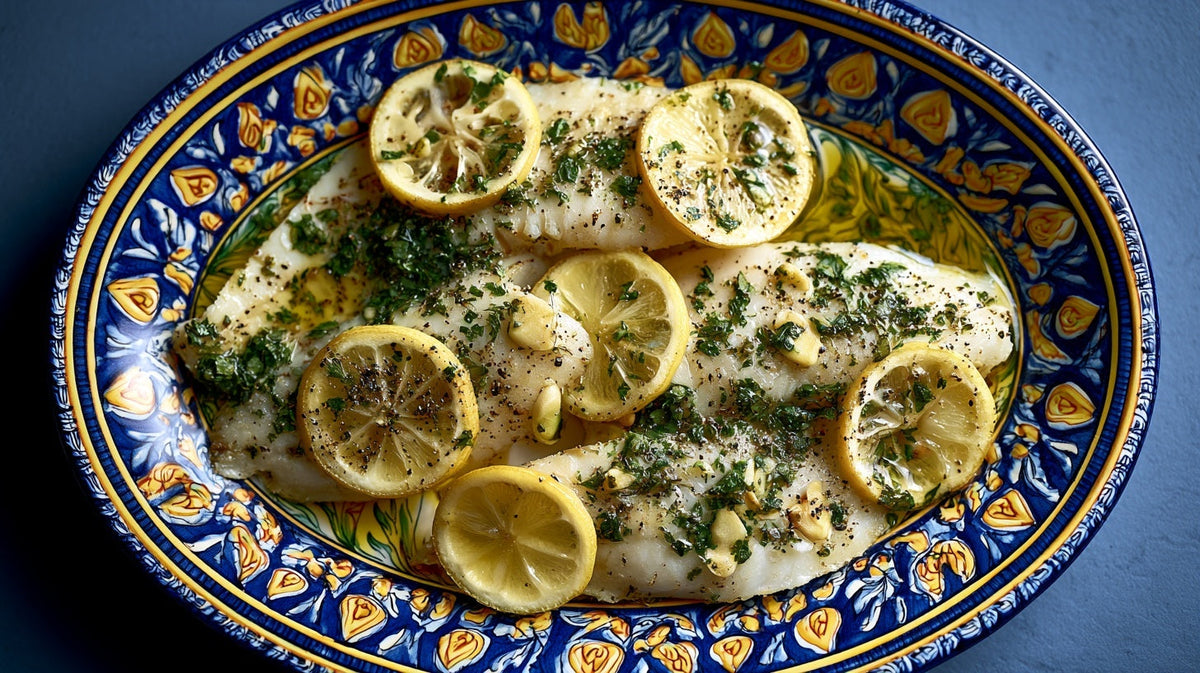
Flaky, tender baked tilapia with lemon, garlic, and herbs comes together in about 25 minutes. A lemon-garlic baste of extra virgin olive oil bakes into the fillets, then a raw, peppery drizzle finishes the plate with a fresh, grassy lift.

Jump to Recipe
Prep 10 min
Cook 15 min
Total 25 min
Easy

Why We Love This Recipe

We love this baked tilapia because it eats light and clean while still feeling like a real dinner. Tilapia is a lean, high-protein white fish, so a single fillet delivers plenty of protein for very few calories, with a little vitamin B12, phosphorus, and selenium along for the ride. The lemon adds vitamin C and brightness, and the garlic and fresh parsley season the fish without a drop of cream or butter, which keeps the whole plate firmly in a Mediterranean-diet pattern.

Olive oil is the cornerstone fat of that pattern, and it is what carries the lemon and garlic into the fish as it bakes. We reach for our High Phenolic Extra Virgin Olive Oil for the baste because it is rich in monounsaturated fats and in polyphenols, specifically hydroxytyrosol, the most studied olive polyphenol, lab-verified at 500+ mg/kg. That same peppery character you taste at the back of your throat is the polyphenols themselves, which is why a fresh, high-phenolic oil tastes alive in a dish like this. Olivea is developed with Harvard-trained cardiologists, USDA Certified Organic, single-origin from Messinia, Greece, early harvest, and cold-pressed within hours, then verified by qNMR at the University of Athens. If you want to read more, here is the research on olive-oil polyphenols, and you can see the rest of the work behind it on our science page.

Polyphenols are highest in a fresh bottle and fade with time, light, and heat, so the finishing drizzle of raw Ultra High Phenolic Extra Virgin Olive Oil at the table is how the most of them reach the plate. It is a simple way to make a quick weeknight fish dinner taste, and feel, like something you would order out.

View Nutrition Facts

Recipe Success Tips

Pat the fillets completely dry first.

Tilapia holds a lot of surface water, and a wet fillet steams instead of baking up clean. Press both sides with paper towels until the surface is dry, then season, so the lemon-garlic baste clings and the edges turn lightly golden.

Bring the fish to room temperature.

Let the fillets sit out for about 10 minutes while the oven heats. Cold-from-the-fridge fish cooks unevenly and can turn rubbery at the thin edges before the center is done.

Bake just until it flakes, then stop.

Tilapia is thin and goes from tender to dry quickly. It is done the moment it turns opaque and flakes when you nudge it with a fork, usually 12 to 15 minutes at 400F. Pull it a touch early, since it keeps cooking on the hot pan.

Bake with High Phenolic, finish with Ultra.

Use the smooth, balanced High Phenolic Extra Virgin Olive Oil in the baste, where it carries the garlic and lemon into the fish under oven heat. Save the bold, peppery Ultra High Phenolic for a raw drizzle right before serving, where its fresh, grassy bite lands on the palate.

Reach for a fresh, peppery bottle for the finish.

A high-phenolic oil is at its best when it is fresh, with a green, peppery catch at the back of the throat. That finishing drizzle is where you actually taste the oil, so use one you would be happy to taste on its own.

Slice your lemon thin and bake some alongside.

Tuck a few thin lemon slices around and on top of the fillets. They soften and caramelize slightly in the oven, and squeezing one over the finished fish gives a second, warmer hit of citrus.

Ingredients

4
servings
  • 3 tablespoons High Phenolic Extra Virgin Olive Oil
  • 4 (about 6 oz each) tilapia fillets
  • 4 garlic cloves, minced
  • 1 lemon, half juiced and half thinly sliced
  • 2 tablespoons fresh flat-leaf parsley, chopped
  • 1/2 teaspoon sweet paprika
  • 1/2 teaspoon dried thyme
  • 3/4 teaspoon kosher salt
  • 1/4 teaspoon black pepper, freshly ground
  • 1 tablespoon Ultra High Phenolic Extra Virgin Olive Oil, for finishing

Kitchen Tools You'll Need

Baking Dish or Sheet Pan
Small Mixing Bowl
Whisk
Chef's Knife
Cutting Board
Paper Towels

How to Cook Baked Tilapia with Lemon (Easy & Flaky)

PREP

1
Heat the oven to 400F. Lightly coat a baking dish or sheet pan with a little of the High Phenolic Extra Virgin Olive Oil so the fillets release cleanly.
2
Pat the tilapia fillets completely dry on both sides with paper towels, then arrange them in a single layer in the dish with a little space between each.
3
In a small bowl, whisk together the remaining High Phenolic Extra Virgin Olive Oil, the minced garlic, the juice from half the lemon, the paprika, thyme, salt, and black pepper. The smooth, balanced High Phenolic oil carries the garlic and lemon evenly into the fish under oven heat without ever fighting the delicate fillet.

BAKE

4
Spoon the lemon-garlic baste over the fillets, turning each one so both sides are coated, then lay the thin lemon slices over and around the fish.
5
Bake for 12 to 15 minutes, until the tilapia is opaque all the way through and flakes easily when nudged with a fork. Thin fillets cook fast, so start checking at 12 minutes and pull the fish the moment it flakes.

FINISH

6
Let the fish rest for 2 minutes, then scatter the chopped parsley over the top. Finish with a raw drizzle of Ultra High Phenolic Extra Virgin Olive Oil over the fillets, where its bold, grassy, peppery bite lands fresh on the palate and lifts the whole plate. Serve hot with the baked lemon slices and any pan juices spooned over.

Recipe Notes

This bright, lemony fish wants something fresh and green alongside. Spoon it over a bed of Greek lemon rice, or serve it with roasted asparagus with lemon for an easy sheet-pan-style dinner. A simple green salad and warm bread round it out.
Swap the tilapia for another mild white fish like cod or sea bass, exactly as in our easy Mediterranean lemon fish; add a few minutes for thicker fillets. For a richer, pan-finished version, try our pan-seared lemon butter cod. You can also bake the fillets on a sheet pan with the same baste, the way we do for baked orange roughy with lemon and olive oil.
Bake with the smooth, balanced High Phenolic Extra Virgin Olive Oil, which is suited to oven heat and lets the lemon and garlic do the talking. Then finish raw with the bold, peppery Ultra High Phenolic Extra Virgin Olive Oil for a fresh, grassy drizzle. If you only keep one bottle, the High Phenolic does both jobs well.
Baked tilapia is best the day it is made, but leftovers keep in an airtight container in the fridge for up to 2 days. Reheat gently in a 300F oven just until warmed through so the fish stays tender, and add a fresh squeeze of lemon and a drizzle of olive oil before serving. Store your olive oil itself away from heat and light to protect its fresh, peppery flavor.

Nutrition Facts per Serving

Nutrition Facts
Serving size 1 fillet with baste
Calories 270
% Daily Value*
Total Fat 15g19%
Saturated Fat 2.5g13%
Trans Fat 0g
Unsaturated Fat 12g
Monounsaturated Fat 9g
Polyunsaturated Fat 2g
Cholesterol 85mg28%
Sodium 460mg20%
Total Carbohydrate 2g1%
Dietary Fiber 0.5g2%
Total Sugars 0.5g
Includes 0g Added Sugars 0%
Protein 34g68%
Vitamin C 9mg10%
Vitamin D 3.7mcg19%
Calcium 24mg2%
Iron 1mg6%
Potassium 560mg12%
* Percent Daily Values are based on a 2,000 calorie diet.

The Best No-Cook Way to Get Olive Oil Benefits

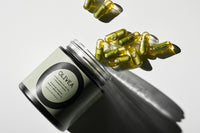
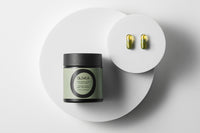
This baked tilapia gives you olive oil two ways, baked into the fillets and drizzled raw on top, plus the lean protein and brightness of a Mediterranean fish dinner. For an easy daily dose of olive polyphenols without any cooking, the Olivea Hydroxytyrosol Supplement delivers hydroxytyrosol in a single capsule.
Olivea Hydroxytyrosol Supplement
$40.00
Add to Cart

Frequently Asked Questions

At 400F, tilapia fillets take about 12 to 15 minutes. They are done when the fish turns opaque all the way through and flakes easily with a fork. Because the fillets are thin, start checking at 12 minutes so they do not overcook.
400F is the sweet spot for baked tilapia. It is hot enough to give the edges a little color and to cook the fish through quickly, while staying gentle enough that the thin fillets stay tender and flaky.
No. Tilapia fillets are thin and cook through evenly in the oven, so there is no need to flip them. Just spoon the lemon-garlic baste over the top before baking so the surface stays moist and flavorful.
Look for fish that has turned from translucent to fully opaque and flakes apart when you nudge it with a fork. If you use a thermometer, the thickest part should reach 145F. Pull it right at that point, since tilapia dries out fast.
Yes. Thaw the fillets fully in the fridge or under cold running water, then pat them very dry before baking. Excess water will steam the fish, so drying the fillets is the key step for clean, flaky results.
It is a light, high-protein, low-carb main that fits a Mediterranean-diet pattern. The fish is lean, the lemon adds vitamin C, and using extra virgin olive oil as the cooking and finishing fat brings monounsaturated fats and olive polyphenols to the plate.
Use a smooth, balanced extra virgin olive oil for the baste, since it stands up to oven heat and supports the delicate fish, like our High Phenolic Extra Virgin Olive Oil. For the most flavor, finish the cooked fish with a raw drizzle of a bold, peppery, fresh high-phenolic oil such as our Ultra High Phenolic.
Bright, simple sides work best. Lemon rice, roasted asparagus or green beans, a crisp green salad, or warm crusty bread all pair well and keep the meal light and Mediterranean.
Fish is best fresh, but you can mix the lemon-garlic baste a day ahead and refrigerate it. Pat the fillets dry, coat them, and bake just before serving. Leftovers keep up to 2 days and reheat gently in a low oven.
Tilapia is a mild, slightly sweet white fish with a tender, flaky texture and no strong fishy flavor. That mildness makes it a great canvas for lemon, garlic, herbs, and a good finishing olive oil.

Cart

No more products available for purchase