

This site has limited support for your browser. We recommend switching to Edge, Chrome, Safari, or Firefox.
UK customers — find us on Healf →
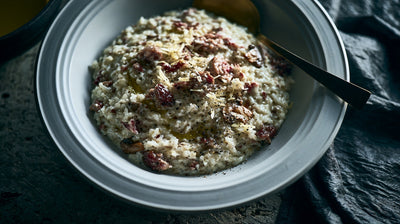
Creamy Parmesan Orzo Risotto (Orzotto)

Creamy Parmesan Orzo Risotto (Orzotto)

This orzo risotto turns tiny pasta into something creamy and deeply savory, with sweet toasted onion, nutty Parmesan, and a peppery olive oil finish. Orzotto cooks in one pan in about half an hour, and a raw drizzle of high-phenolic olive oil at the table carries the fresh, cornerstone fat of the Mediterranean diet straight to your bowl.

Jump to Recipe
Prep 10 min
Cook 25 min
Total 35 min
Easy

Why We Love This Recipe

Orzotto belongs to the Mediterranean table, where a bowl of grain, a little cheese, and a generous pour of olive oil is an everyday pattern rather than a special occasion. Built on good olive oil instead of heaps of butter or cream, a dish like this supports the kind of eating the Mediterranean diet is known for.

The savory base here comes from High Phenolic Extra Virgin Olive Oil, an oil rich in monounsaturated fats and in polyphenols, most notably hydroxytyrosol. It is USDA Certified Organic and single-origin from Messinia, Greece, early harvest and cold-pressed within hours, then qNMR-verified by the University of Athens and developed with Harvard-trained cardiologists. The gentle pepper you taste as it cooks is the polyphenols themselves, so flavor and freshness are one story.

Polyphenols are highest in fresh oil and fade with time, light, and heat, so the raw drizzle of Ultra High Phenolic Extra Virgin Olive Oil at the table is what brings the most vivid flavor and the freshest polyphenols to your bowl. For a closer look at how the olive oil matrix carries hydroxytyrosol, see the bioavailability research.

View Nutrition Facts

Recipe Success Tips

Toast the orzo before the liquid goes in

Give the dry orzo a couple of minutes in the hot oil until it smells nutty and turns lightly golden. That toasting is where the deep, savory flavor of orzotto starts, and it helps the grains stay al dente instead of mushy.

Keep the broth warm

Warm broth keeps the pan at a steady simmer so the orzo cooks evenly and releases its starch into a creamy sauce. Cold broth stalls the pan and gives you gluey results.

Stir often, but do not drown it

Add the broth a ladle or two at a time and let each addition soak in before the next. Regular stirring coaxes out the starch that makes the dish creamy without any cream.

Save your best oil for the very end

The finishing drizzle is where a fresh, high-phenolic oil shows off. Use your best bottle raw and off the heat so its peppery, grassy flavor stays bright and lands right on top of the creamy orzo.

Grate the Parmesan yourself

A block of Parmesan grated fine on a Microplane melts into a glossy sauce. Pre-shredded cheese is coated to keep it from clumping, which keeps it from melting smoothly here.

Loosen it just before serving

Orzotto keeps drinking up liquid as it sits, so it tightens fast. Stir in a splash of warm broth or water right before you plate to bring back that loose, spoonable texture.

Ingredients

4
servings
  • 3 tablespoons High Phenolic Extra Virgin Olive Oil
  • 1 small Yellow onion, finely diced
  • 3 cloves Garlic, minced
  • 1 1/2 cups Orzo pasta
  • 1/2 cup Dry white wine
  • 4 cups Vegetable or chicken broth, warm
  • 3/4 cup Parmesan cheese, finely grated
  • 2 tablespoons Unsalted butter
  • 1 lemon Lemon, zested
  • 2 tablespoons Fresh flat-leaf parsley, chopped
  • 1 teaspoon, plus more to taste Sea salt
  • 1/2 teaspoon Black pepper, freshly ground

Kitchen Tools You'll Need

Large deep skillet or saute pan
Small saucepan for the broth
Wooden spoon or silicone spatula
Ladle
Microplane or fine grater
Measuring cups and spoons

How to Cook Creamy Parmesan Orzo Risotto (Orzotto)

Prep

1
Warm the broth in a small saucepan and keep it at a bare simmer over low heat.
2
Finely dice the onion, mince the garlic, grate the Parmesan, and zest the lemon so everything is ready to go.

Toast and saute

3
Heat the High Phenolic Extra Virgin Olive Oil in a large deep skillet over medium heat. Its smooth, balanced flavor builds a savory base that will not turn bitter as the onion softens.
4
Add the onion with a pinch of salt and cook until soft and translucent, about 5 minutes.
5
Stir in the garlic and cook until fragrant, about 30 seconds. Add the orzo and toast, stirring, until the grains smell nutty and turn lightly golden, 2 to 3 minutes.

Simmer

6
Pour in the white wine and stir until it is mostly absorbed.
7
Add the warm broth one to two ladles at a time, stirring often and letting each addition soak in before adding more.
8
Continue until the orzo is al dente and suspended in a creamy sauce, 12 to 15 minutes. Loosen with a little more broth or water if it tightens too much.

Finish

9
Off the heat, stir in the butter, Parmesan, and lemon zest until the orzotto turns glossy. Season with salt and pepper to taste.
10
Divide among warm bowls and finish each serving with a raw drizzle of Ultra High Phenolic Extra Virgin Olive Oil and a scatter of parsley. Added off the heat, the bold, peppery oil keeps its fresh flavor right on top of the creamy orzo.

Recipe Notes

This creamy base loves add-ins. Fold in sauteed mushrooms, roasted asparagus, or wilted spinach at the end, the way you might build out a vegetable risotto. If you want the technique down cold, our step-by-step risotto recipe walks through the same stir-and-ladle rhythm with arborio rice.
A little more lemon zest and a handful of soft herbs turn this savory bowl fresh and springy. For a lighter, zestier take on the same pasta, try our lemon orzo.
Orzotto is the quicker weeknight cousin, but when you have time to stir, our creamy Parmesan risotto delivers the same cheesy comfort with true arborio rice.
The smooth High Phenolic Extra Virgin Olive Oil does the cooking, softening the onion and toasting the orzo. Save the bolder Ultra High Phenolic Extra Virgin Olive Oil for the raw drizzle at the table, where its peppery flavor stays vivid. If you only keep one bottle, use the High Phenolic for both and pour a little extra at the finish.
Refrigerate leftovers in an airtight container for up to 3 days. Orzotto firms up cold, so reheat gently with a splash of broth or water, stirring until creamy again. Add a fresh drizzle of olive oil just before serving. It does not freeze well, since the pasta turns soft.

Nutrition Facts per Serving

Nutrition Facts
Serving size about 1 1/4 cups
Calories 490
% Daily Value*
Total Fat 22g28%
Saturated Fat 6g30%
Trans Fat 0g
Cholesterol 20mg7%
Sodium 620mg27%
Total Carbohydrate 55g20%
Dietary Fiber 3g11%
Total Sugars 3g
Protein 15g30%
* Percent Daily Values are based on a 2,000 calorie diet.

The Best No-Cook Way to Get Olive Oil Benefits

Love the peppery lift of high-phenolic olive oil but not cooking a full meal every day? The Olivea Hydroxytyrosol Supplement is a simple way to keep those olive-fruit polyphenols in your daily routine between meals.
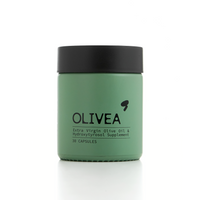
Olivea Hydroxytyrosol Supplement
$40.00
Add to Cart

Frequently Asked Questions

Orzo risotto, often called orzotto, is orzo pasta cooked in the style of risotto. Instead of boiling and draining the pasta, you toast it and add warm broth a little at a time, stirring so the orzo releases its starch into a creamy sauce. You get the comfort of risotto in about half the time.
Yes. Orzotto is simply the shorthand name for orzo cooked risotto-style. Both terms describe the same one-pan method of slowly adding broth to toasted orzo until it turns creamy.
Use a good extra virgin olive oil for both stages. A smooth, balanced high-phenolic oil is ideal for cooking the onion and toasting the orzo, since it stays pleasant and does not turn harsh. For the finish, drizzle a bolder, fresh high-phenolic oil raw over each bowl so its peppery flavor stays bright.
No, and that is part of the appeal. Orzo is more forgiving than arborio rice, so you only need to stir often, not nonstop. Add broth in stages and give it a stir every minute or two while it simmers.
It is best fresh, but you can make it a few hours ahead and reheat gently with a splash of warm broth or water to loosen it. Cook it just short of fully done if you know you will reheat, so the orzo does not overcook the second time.
Stir in cooked vegetables like mushrooms, asparagus, peas, or spinach at the end. For protein, fold in shredded rotisserie chicken, seared shrimp, or crisped pancetta, or top each bowl with a fried or poached egg.
This dish leans on the Mediterranean pattern of good olive oil, whole ingredients, and cheese used as seasoning. The olive oil brings monounsaturated fats and olive-fruit polyphenols like hydroxytyrosol, and using a fresh oil both to cook and as a raw finish keeps the most flavor and polyphenols in the bowl. As always, portion size and the rest of your day matter.
Traditional orzo is a wheat pasta, so it is not gluten-free. Some brands make gluten-free orzo from corn or rice, which works here, though the cooking time and creaminess can vary. Add the broth in smaller amounts and watch the texture.
Yes. The wine adds brightness, but you can skip it and use an extra splash of broth with a squeeze of lemon at the end for a similar lift. If you do use wine, a dry white like pinot grigio or sauvignon blanc works well.
A raw drizzle added off the heat keeps the oil's fresh, peppery flavor front and center, since that character is liveliest before it warms through. Cooking oil builds the savory base, while the finishing pour is the flavor you taste most on the first bite.

Cart

No more products available for purchase