
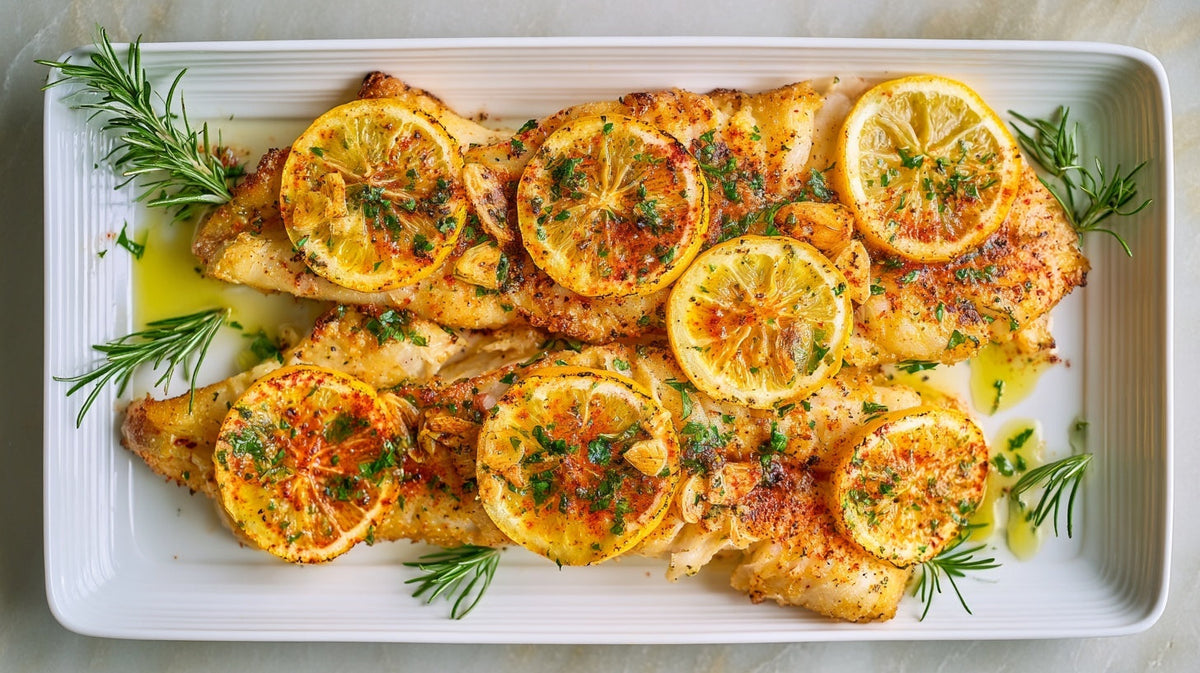
Baked Orange Roughy with Lemon and Olive Oil

Baked Orange Roughy with Lemon and Olive Oil

Tender, flaky baked orange roughy roasted with Olivea extra virgin olive oil, garlic, and lemon. A clean, bright weeknight fish dinner that comes together in under 30 minutes, finished with a peppery drizzle of good olive oil.

Jump to Recipe
Prep 10 min
Cook 15 min
Total 25 min
Easy

Why We Love This Recipe

Orange roughy is a wonderfully mild, slightly sweet white fish that flakes into clean, tender pieces, which makes it the perfect canvas for bright flavor. Here it roasts gently under garlic, lemon, and a generous pour of olive oil, then gets a raw drizzle at the table for a second hit of fresh, peppery fruitiness. The fish brings lean, high-quality protein along with vitamin B12, selenium, and iodine, all of which support energy, thyroid function, and healthy metabolism.

This recipe delivers olive oil polyphenols two ways: roasted into the fish and drizzled raw over the top just before serving. That finishing pour of Olivea extra virgin olive oil carries heart-friendly monounsaturated fats and antioxidant compounds, including hydroxytyrosol, one of the most studied polyphenols in the Mediterranean diet. The lemon adds vitamin C, and a shower of fresh parsley brings vitamin K and a clean, green finish.

It is the kind of dish that feels light and restaurant-bright but takes one pan and under half an hour. If you love this approach to simple fish, you will feel right at home with our pan-seared lemon butter cod as well.

View Nutrition Facts

Recipe Success Tips

Pat the fillets bone dry before they go in.

Orange roughy holds a lot of water, and a wet surface steams instead of roasting. Press each fillet firmly between paper towels until the surface looks matte, so the olive oil can cling and the edges pick up a little color.

Roast hot and fast, then check early.

At 400F the fillets cook in 12 to 16 minutes depending on thickness. Start checking at 12: the fish is done the moment it turns opaque and flakes with gentle pressure from a fork. Overcooked roughy goes rubbery, so pull it the instant it flakes.

Use an instant-read thermometer for certainty.

Slide a thermometer into the thickest part of a fillet. You are looking for 145F. Because roughy is thin, carryover heat is fast, so pull it at 143F and let it rest a minute.

Save your best olive oil for the finish.

Roasting with Olivea extra virgin olive oil builds flavor in the fish, but the raw drizzle at the end is where its fruity, peppery character really sings. A finishing pour of high-phenolic oil tastes brighter and more alive than oil that has been through the oven.

Slice your lemon thin and roast some of it.

Tucking a few thin lemon rounds under and around the fillets perfumes the fish as it bakes and gives you soft, jammy citrus to spoon over each portion. Squeeze fresh juice on at the very end for brightness.

Do not crowd the pan.

Leave space between the fillets so heat circulates and the surface roasts rather than steams. If your fillets are large, use two sheet pans rather than packing them together.

Ingredients

4
servings
  • 1/4 cup Olivea Extra Virgin Olive Oil, divided
  • 4 fillets orange roughy fillets (about 6 oz each)
  • 4 garlic cloves, minced
  • 1 lemon, half thinly sliced and half juiced
  • 1 tsp sweet paprika
  • 1 tsp kosher salt
  • 1/2 tsp freshly ground black pepper
  • 2 tbsp fresh flat-leaf parsley, chopped

Kitchen Tools You'll Need

Sheet Pan
Chef's Knife
Cutting Board
Small Bowl
Pastry Brush
Instant-Read Thermometer

How to Cook Baked Orange Roughy with Lemon and Olive Oil

PREP

1
Heat the oven to 400F and line a sheet pan with parchment. Pat the orange roughy fillets completely dry on both sides, pressing firmly between paper towels until the surface looks matte.
2
In a small bowl, stir together 3 tablespoons of the Olivea extra virgin olive oil, the minced garlic, paprika, salt, and black pepper into a loose paste.

ROAST

3
Lay the thin lemon slices across the parchment and set the fillets on top, spaced apart so they roast rather than steam. Brush the garlic and olive oil mixture generously over the top of each fillet.
4
Roast for 12 to 16 minutes, until the fish is opaque and flakes with gentle pressure from a fork. The thickest part should read 145F on an instant-read thermometer; pull at 143F and let carryover finish the job.

FINISH

5
Squeeze the fresh lemon juice over the hot fillets and drizzle with the remaining 1 tablespoon of Olivea extra virgin olive oil for a bright, peppery finish.
6
Scatter the chopped parsley over the top and serve right away, spooning the soft roasted lemon and pan juices over each portion.

Recipe Notes

Orange roughy is mild and clean, so it loves a bright, simple side. Spoon the pan juices over fluffy rice or roasted potatoes, or set it next to a crisp green salad dressed with our lemon vinaigrette. For a seafood spread, serve it alongside lemon garlic shrimp and plenty of crusty bread for the olive oil.
This template works beautifully with other mild white fish if orange roughy is hard to find. Swap in cod, halibut, or sea bass and adjust the roast time to thickness. For a saucier plate, finish the fillets with a spoonful of our lemon dill sauce, which is just as good on white fish as it is on salmon.
Store leftover baked orange roughy in an airtight container in the refrigerator for up to 2 days. Reheat gently in a 300F oven just until warmed through, since high heat will dry out the delicate fish. Flake any leftovers into a salad or grain bowl for an easy next-day lunch.
Look for orange roughy fillets that are firm, moist, and free of any strong fishy smell. Fresh is ideal, but good-quality frozen fillets work well; thaw them overnight in the fridge and pat very dry before roasting. For the finishing drizzle, reach for a fresh, peppery extra virgin olive oil so the raw flavor really shines.
You can mix the garlic and olive oil paste and slice the lemon up to a day ahead, then keep both covered in the fridge. When you are ready to cook, the fish goes from counter to oven in a couple of minutes, which makes this an easy weeknight dinner.

Nutrition Facts per Serving

Nutrition Facts
Serving size 1 fillet with drizzle
Calories 280
% Daily Value*
Total Fat 17g22%
Saturated Fat 2.5g13%
Trans Fat 0g
Unsaturated Fat 14g
Monounsaturated Fat 11g
Polyunsaturated Fat 2g
Cholesterol 85mg28%
Sodium 560mg24%
Total Carbohydrate 3g1%
Dietary Fiber 1g4%
Total Sugars 1g
Includes 0g Added Sugars 0%
Protein 28g56%
Vitamin A 45mcg5%
Vitamin C 11mg12%
Vitamin D 1.5mcg8%
Calcium 40mg3%
Iron 1mg6%
Potassium 480mg10%
* Percent Daily Values are based on a 2,000 calorie diet.

The Best No-Cook Way to Get Olive Oil Benefits

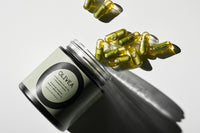
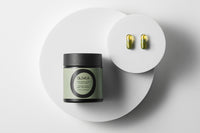
This dish gives you olive oil polyphenols two ways, roasted into the fish and drizzled raw at the finish. For an easy daily dose of those same olive compounds without cooking, our Hydroxytyrosol Supplement delivers a concentrated serving of olive polyphenols in one simple step.
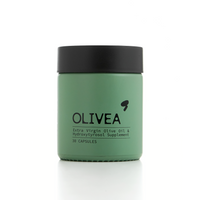
Olivea: Suplemento de hidroxitirosol
$40.00
Add to Cart

Frequently Asked Questions

Bake orange roughy at 400F. At that heat the fillets cook through in 12 to 16 minutes, staying tender and flaky without drying out. Start checking at 12 minutes.
It is done when the fish turns opaque and flakes easily with gentle fork pressure, which lines up with an internal temperature of 145F at the thickest part. Because the fillets are thin, pull them at 143F and let carryover heat finish them.
Orange roughy is a mild, slightly sweet white fish with a delicate, moist texture. Its clean flavor makes it a great match for bright seasonings like garlic, lemon, and good olive oil.
Yes. Cod, halibut, tilapia, and sea bass all work well in this recipe. Adjust the roasting time to the thickness of the fillet and cook just until the fish flakes at 145F.
Yes, thaw frozen fillets overnight in the refrigerator for the best texture. Pat them very dry before roasting so the surface picks up flavor instead of steaming.
It is a lean, high-protein dish that fits a Mediterranean diet. Each serving delivers about 28 grams of protein along with heart-friendly monounsaturated fats from the olive oil and vitamin C from the lemon.
Extra virgin olive oil adds a fruity, peppery depth and brings heart-healthy monounsaturated fats and antioxidant polyphenols. A quality oil like Olivea also makes a beautiful raw finishing drizzle, which butter cannot match for brightness.
It pairs naturally with rice, roasted potatoes, or a simple green salad. A crisp white wine and plenty of crusty bread to catch the olive oil and pan juices round it out nicely.
Stored in an airtight container in the refrigerator, leftovers keep for up to 2 days. Reheat gently in a low oven so the delicate fish does not dry out.
It is naturally both. The recipe uses olive oil rather than butter and contains no flour or breadcrumbs, so it works for dairy-free, gluten-free, keto, and pescatarian eaters as written.

Carrito de compras

No hay más productos disponibles para comprar