
Best Olive Oil for Health: Is Yours Making the Cut?
Most olive oils marketed as "healthy" don't deliver. Old stock, plastic bottles, and missing lab data mean you're probably not getting the polyphenols you're paying for. Find out where your oil stands in 60 seconds.
Check My Olive OilBased on published research and lab-verified data from 30+ brands.
Olive Oil Health Score Calculator
Enter your olive oil's details below. We'll calculate a health score based on polyphenol content, packaging, freshness, and transparency — the factors that actually determine whether your oil delivers real health benefits.
The Healthiest Olive Oils of 2026, Ranked
We analyzed 30+ olive oil brands based on the factors that actually matter for health: polyphenol content, lab verification, packaging, freshness, and transparency. Here's how they stack up.
See full methodology
Our health scores weight polyphenol content (40%), transparency practices (25%), freshness (20%), and packaging (15%). Brands with third-party lab results score higher than those with unverified claims. Bonus points are awarded for organic certification, PDO/DOP status, and competition awards.
Loading brand data...
Ready to Upgrade Your Olive Oil?
Lab-tested, harvest-dated, high-polyphenol olive oil that actually delivers for health.

High Phenolic Extra Virgin Olive Oil — 500+ mg/kg Polyphenols
$35.00
- 587 mg/kg polyphenols
- Lab-tested every batch
- Early harvest koroneiki olives
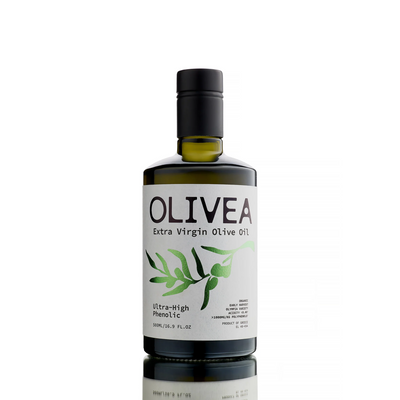
Ultra High Phenolic Extra Virgin Olive Oil — 1,000+ mg/kg Polyphenols
$45.00
- 1000+ mg/kg polyphenols
- Maximum health benefits
- Therapeutic grade
What Actually Makes Olive Oil Healthy?
Not all olive oil is created equal. The health benefits you've heard about — reduced inflammation, better heart health, cognitive protection — come from specific compounds that vary dramatically between bottles.
Polyphenols: The Health Compound That Matters
Polyphenols are antioxidant compounds that give high-quality olive oil its peppery bite and most of its health benefits. The European Food Safety Authority (EFSA) only allows health claims for olive oils with at least 250 mg/kg of polyphenols — and even then, you need 20g of oil daily (about 1.5 tablespoons) to hit the threshold.
The problem? Most olive oils don't disclose polyphenol content. And independent testing shows many popular brands contain less than 100 mg/kg — far below what's needed for health benefits.
- 1000+ mg/kg: Therapeutic grade (intense, medicinal)
- 500-999 mg/kg: High polyphenol (excellent for health)
- 250-499 mg/kg: Moderate (meets EU health claim threshold)
- 100-249 mg/kg: Low (minimal health benefits)
- <100 mg/kg: Very low (typical grocery store oil)
Why Freshness Matters More Than You Think
Olive oil isn't wine. It doesn't get better with age — it gets worse. Polyphenols degrade by approximately 40% per year, even in ideal storage conditions. That "premium" bottle sitting on grocery shelves for 18 months? It's lost nearly half its health value.
This is why harvest dates matter. A best-by date only tells you when the oil might go rancid. A harvest date tells you how much of the good stuff is still there.
If your olive oil doesn't have a harvest date on the bottle, the producer is hiding something — or simply doesn't prioritize freshness.
Packaging: Your Oil's Worst Enemy
Light and oxygen destroy polyphenols. Clear glass bottles — while pretty — expose oil to constant light degradation. Plastic bottles are even worse: they're permeable to oxygen and can leach chemicals.
Dark glass and tin containers aren't just aesthetic choices. They're functional protection for the compounds you're paying for.
Frequently Asked Questions
How accurate is this quality checker? +
For brands in our database, scores are based on published lab results, company-disclosed information, and independent testing data. For brands we don't have data on, scores are estimates based on what you tell us about packaging, harvest dates, and other observable factors. The tool is designed to give you directional guidance, not lab-grade precision.
Why does my expensive olive oil score low? +
Price and quality don't always correlate in olive oil. Many premium-priced brands use beautiful packaging and heritage marketing but ship old stock, don't publish lab results, or use clear bottles that degrade polyphenols. Our scoring prioritizes factors that affect health benefits, not brand prestige or packaging aesthetics.
What polyphenol level should I look for? +
The EU requires at least 250 mg/kg for any health claims. We consider oils with 500+ mg/kg "high polyphenol" and those above 250 mg/kg "moderate." Below 250 mg/kg, you're unlikely to get meaningful health benefits from typical consumption. For reference, Olivea's Everyday Organic contains 600 mg/kg, and our Ultra High Phenolic contains 900+ mg/kg.
Can I trust olive oil from the grocery store? +
Some grocery brands score well — Cobram Estate and California Olive Ranch, for example, have decent transparency practices. But many mainstream brands score poorly due to unclear sourcing, missing harvest dates, and no published lab data. Look for dark bottles and harvest dates as minimum quality signals.
How do you calculate the health score? +
We weight four factors: polyphenol content (40% of score), transparency practices like published lab results and harvest dates (25%), freshness based on harvest date (20%), and packaging type (15%). Brands lose points for plastic packaging, old harvest dates, and unverified health claims. Bonus points for certifications like organic, PDO, or COOC.
Is high-polyphenol olive oil safe for cooking? +
Yes. Despite the myth that you shouldn't cook with extra virgin olive oil, research shows high-polyphenol EVOO is actually more stable at cooking temperatures than refined oils. The polyphenols act as natural antioxidants that protect against degradation. See our Smoke Point Guide for details.
What if my brand isn't in your database? +
You can still get a score based on what you tell us about your oil's packaging, harvest date, and other factors. We're also constantly adding new brands — if yours is missing, the checker will offer to add it to our research queue.
Do you sell the data or get paid by brands? +
No. Our database is built from public information, published studies, and our own research. Olivea (our brand) appears in rankings because it genuinely scores well on our criteria, and we source specifically to maximize health properties of our oils.
