
Olive Oil Smoke Point: The Truth About Cooking with EVOO
You've probably heard that extra virgin olive oil isn't safe for cooking because of its "low smoke point." That advice is outdated — and contradicted by peer-reviewed research. Multiple studies published in journals like Food and Chemical Toxicology and the Journal of Agricultural and Food Chemistry have found that EVOO is actually more stable when heated than oils with higher smoke points, producing fewer harmful compounds than canola, grapeseed, or even coconut oil. Below, we break down what smoke point really means, why it's misleading, and which cooking methods work beautifully with olive oil.
Is Your Cooking Method Safe for Olive Oil?
Click any method to see the details
Ready to Cook with the Best?
Our high-polyphenol olive oils are research-backed choices for healthy cooking.
The Smoke Point Myth: What You've Been Told (And Why Research Disagrees)
The Conventional Wisdom
For years, cooking advice has centered on one number: smoke point — the temperature at which oil begins to break down and release visible smoke. The logic seems straightforward: higher smoke point = better for cooking. By this measure, refined oils like canola (400°F) and avocado (520°F) should outperform extra virgin olive oil (350-405°F).
The Problem with This Logic
Smoke point only tells you when oil starts to smoke. It says nothing about what's actually happening inside the oil — specifically, whether harmful compounds are forming. An oil can have a high smoke point and still break down into toxic byproducts long before it smokes.
What Peer-Reviewed Research Actually Shows
Multiple studies have tested this assumption — and found it wrong. The findings are clear:
- EVOO lasts 28+ hours of deep-frying before breaking down — canola and peanut oil only last 18-20 hours
- Lowest polar compounds — EVOO produced just 10.5% harmful compounds vs 20%+ for seed oils after 6 hours at 356°F
- No correlation between smoke point and actual cooking safety — stability comes from chemistry, not temperature
See the full study details at the bottom of this page.
Why EVOO Wins
Extra virgin olive oil's stability comes from two factors:
- 1. Low polyunsaturated fat (PUFA) content — PUFAs oxidize easily when heated. EVOO has relatively few (typically 8-14%), while canola has 28% and grapeseed has 70%.
- 2. Natural antioxidants (polyphenols) — These protect the oil from oxidation during cooking. Refined oils have had these compounds stripped out.
Smoke point is a poor predictor of cooking safety. What matters is oxidative stability — and by that measure, EVOO outperforms most "high smoke point" alternatives.
Not All Olive Oils Are Created Equal
Research shows that olive variety significantly affects cooking performance. Some varieties handle heat better than others.
What Makes an Olive Oil Heat-Stable?
- Low polyunsaturated fat (PUFA) — Fewer double bonds = less oxidation
- High oleic acid (monounsaturated) — Stable under heat
- High polyphenol content — Natural antioxidants protect the oil
Greek Koroneiki: Built for Cooking
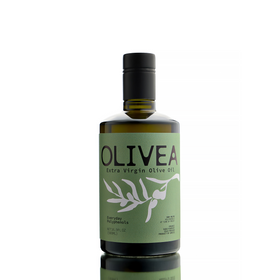
Our Everyday Organic EVOO is made from Koroneiki olives, one of the most heat-stable varieties:
| Property | Koroneiki | Arbequina (comparison) |
|---|---|---|
| PUFA Content | ~8-9% | ~12-14% |
| Oleic Acid | 78%+ | 65-72% |
| Natural Polyphenols | High (580+ mg/kg in ours) | Medium |
| Heat Stability | Excellent | Good |
Research published in LWT - Food Science and Technology found that "all heating methods resulted in more severe polyphenol losses and oil degradation for Arbequina than for Picual oil, which could be related to the lower content in polyunsaturated fatty acids." Koroneiki shares Picual's favorable fatty acid profile.
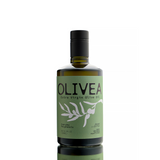
High Phenolic Extra Virgin Olive Oil — 500+ mg/kg Polyphenols
580+ mg/kg polyphenols • Perfect for everyday cooking
Olympia: Premium Polyphenols, Best for Finishing
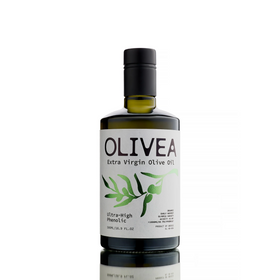
Our Ultra High Phenolic EVOO is made from Olympia olives — one of the highest-polyphenol varieties in Greece (1000+ mg/kg). While it can be used for cooking, you're better served using it for:
- Finishing dishes (drizzle after cooking)
- Salad dressings
- Dipping bread
- Any application where you taste the oil directly
This preserves the full polyphenol content and distinctive peppery flavor you're paying a premium for.
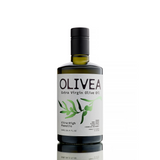
Ultra High Phenolic Extra Virgin Olive Oil — 1,000+ mg/kg Polyphenols
1000+ mg/kg polyphenols • Best for finishing & drizzling
Smoke Points vs. Actual Stability
Smoke point gets all the attention, but oxidative stability is what actually matters for your health. Here's how common oils compare on both metrics.
Don't be fooled by smoke point alone. In the 2019 comparative frying study, EVOO (smoke point ~375°F) lasted 40% longer than canola oil (smoke point 400°F) before reaching unsafe polar compound levels. Stability comes from chemistry, not smoke point.
Do Polyphenols Survive Cooking?
One of EVOO's biggest health benefits is its polyphenol content — powerful antioxidants linked to cardiovascular health and reduced inflammation. A reasonable concern: do these compounds survive cooking?
What Peer-Reviewed Research Shows
A 2002 study in the Journal of Agricultural and Food Chemistry measured polyphenol retention during simulated cooking:
- At 120°C (248°F): ~40% of polyphenols degraded
- At 170°C (338°F): ~75% of polyphenols degraded
- Lignans (a type of polyphenol): Remarkably heat-stable, retained even after extended heating
The Practical Takeaway
- Some loss is inevitable — Cooking at typical temperatures (300-400°F) will reduce polyphenol content
- Starting higher means finishing higher — If you begin with high-polyphenol EVOO (like our 580+ mg/kg Everyday Organic), you'll retain meaningful levels even after cooking. Research notes that heated high-quality EVOO can still meet EU health claim thresholds.
- Cooking method matters — Shorter cooking times and lower temperatures preserve more polyphenols. Microwave heating causes less degradation than prolonged stovetop heating.
- The oil is still beneficial — The heart-healthy monounsaturated fats remain completely stable during cooking. You're getting those benefits regardless.
Our Recommendation
| Goal | Best Oil | Why |
|---|---|---|
| Maximum polyphenols | Ultra High Phenolic (finishing) | No heat exposure, full 1000+ mg/kg preserved |
| Cooking + health benefits | Everyday Organic (cooking) | High starting polyphenols, retains meaningful levels |
| High-heat applications | Everyday Organic or Pure Olive Oil | Stable, cost-effective |
Tips for Cooking with Extra Virgin Olive Oil
Tip 1: Trust the Science, Not the Myths
Peer-reviewed research consistently shows EVOO handles normal cooking temperatures well. Sautéing, roasting, baking, pan-frying — all work beautifully. Don't let outdated advice keep you from using a healthier oil.
Tip 2: Watch for Actual Smoke
If your oil starts smoking, your pan is too hot. Turn down the heat. But under normal cooking conditions with proper temperature control, you won't reach this point with quality EVOO.
Tip 3: Match Oil to Application
- Everyday Organic (Koroneiki): Smooth, versatile — ideal for cooking where you want food flavors to shine
- Ultra High Phenolic (Olympia): Bold, peppery — best for finishing, dressings, and tasting directly
Tip 4: Finish with Fresh Oil
Even though EVOO is safe for cooking, adding a drizzle of fresh olive oil after cooking maximizes both flavor and polyphenol intake. Cook with Everyday Organic, finish with Ultra High Phenolic.
Tip 5: Store Properly
Heat isn't the only factor — light and oxygen also degrade olive oil. Store in a cool, dark place and use within a few months of opening for best quality.
Common Questions About Olive Oil & Cooking
Extra virgin olive oil has a smoke point between 350-405°F (177-207°C), depending on quality and free fatty acid content. However, peer-reviewed research shows smoke point is a poor predictor of cooking safety. Studies in journals like Food and Chemical Toxicology found EVOO outperforms higher-smoke-point oils in actual cooking stability tests.
Yes — and research supports it as one of the healthiest choices. A 2019 study published in Food & Function found EVOO lasted over 28 hours of deep-frying before reaching unsafe levels, compared to 18-20 hours for canola and peanut oils. For everyday cooking methods like sautéing, baking, and roasting, EVOO performs excellently.
Partially. Polyphenols (antioxidants) are reduced by 40-75% depending on temperature, but high-quality EVOO retains meaningful levels even after cooking. The monounsaturated fats — responsible for many of olive oil's heart-health benefits — remain completely stable. For maximum polyphenol intake, use EVOO for both cooking and as a finishing drizzle.
No — this is a persistent myth contradicted by research. While EVOO has a moderate smoke point, it produces fewer harmful compounds when heated than most other cooking oils. Its low polyunsaturated fat content and natural antioxidants make it more stable than oils with higher smoke points.
Refined avocado oil has one of the highest smoke points at around 520°F. However, smoke point doesn't equal cooking safety. In comparative studies, EVOO (lower smoke point) produced fewer harmful polar compounds than high-smoke-point refined oils because of its superior oxidative stability.
For most home cooking, extra virgin olive oil works well and provides more health benefits due to its polyphenol content. Refined (regular) olive oil has a higher smoke point (465°F) and milder flavor, making it suitable for very high-heat applications where you want neutral flavor — but you lose the antioxidant benefits.
If your olive oil is smoking, your pan is too hot. Most home cooking doesn't require temperatures high enough to smoke quality EVOO. Turn down the heat — you're likely cooking hotter than necessary, which can also overcook your food.
Yes. Deep frying typically occurs at 350-375°F, within EVOO's stable range. A 2010 study in Food and Chemical Toxicology found EVOO lasted 24-27 hours of continuous deep-frying — significantly longer than vegetable oil blends. Mediterranean cultures have fried with olive oil for centuries.
Yes. Research shows varieties with lower polyunsaturated fat and higher polyphenol content handle heat better. Greek Koroneiki (used in our Everyday Organic) has favorable characteristics: ~8% PUFA, 78%+ oleic acid, and high natural polyphenols — making it particularly well-suited for cooking.
The Science: Studies Behind the Claims
For readers who want the full picture, here are the peer-reviewed studies that inform our recommendations. Each study was conducted by independent researchers and published in respected scientific journals.
Study 1: Deep-Frying Endurance (Food and Chemical Toxicology, 2010)
Researchers tested how long different oils could sustain deep-frying before reaching unsafe levels of polar compounds (harmful byproducts). Extra virgin olive oil lasted 24-27 hours of continuous frying. A commercial vegetable oil blend? Just 15 hours. The EVOO with Protected Designation of Origin showed "reduced levels of oxidation and hydrolysis, and superior amounts of minor antioxidant compounds."
Source: Casal S, et al. "Olive oil stability under deep-frying conditions." Food Chem Toxicol. 2010.
Study 2: Comparative Frying Trial (Food & Function, 2019)
A head-to-head comparison of peanut oil, canola oil, and EVOO during potato frying at 175°C found that based on polar compound limits, peanut and canola enabled 18-20 hours of frying — while EVOO allowed more than 28 hours. The researchers noted EVOO showed "increased resistance to oxidation and lower risk of formation of unhealthy volatiles."
Source: Santos CSP, et al. "Impact of potatoes deep-frying on common monounsaturated-rich vegetable oils." Food Funct. 2019.
Study 3: Comprehensive Oil Comparison (Independent Laboratory, 2018)
An ISO 17025 accredited laboratory tested 10 common cooking oils heated to 240°C (464°F) and at 180°C (356°F) for 6 hours. EVOO produced the lowest levels of polar compounds of any oil tested — just 10.5% compared to up to 20% for refined seed oils. Smoke point showed no correlation with actual cooking stability.
Source: De Alzaa F, et al. Modern Olives Laboratory Services (AOCS-recognized laboratory).
Research & Sources
Primary Peer-Reviewed Studies
- Casal S, Malheiro R, Sendas A, Oliveira BP, Pereira JA. "Olive oil stability under deep-frying conditions." Food and Chemical Toxicology. 2010;48(10):2972-2979. PubMed
- Santos CSP, Molina-Garcia L, Cunha SC, Casal S. "Impact of potatoes deep-frying on common monounsaturated-rich vegetable oils: a comparative study." Food & Function. 2019;10(2):965-976. PubMed
- Brenes M, García A, Dobarganes MC, Velasco J, Romero C. "Influence of thermal treatments simulating cooking processes on the polyphenol content in virgin olive oil." Journal of Agricultural and Food Chemistry. 2002;50(21):5962-5967. PubMed
- Allouche Y, Jiménez A, Gaforio JJ, Uceda M, Beltrán G. "How heating affects extra virgin olive oil quality indexes and chemical composition." Journal of Agricultural and Food Chemistry. 2007;55(23):9646-9654. PubMed
- Santos CSP, Cruz R, Cunha SC, Casal S. "Effect of cooking on olive oil quality attributes." Food Research International. 2013;54(2):2016-2024.
Laboratory & Supporting Research
- De Alzaa F, Guillaume C, Ravetti L. "Evaluation of Chemical and Physical Changes in Different Commercial Oils during Heating." Acta Scientific Nutritional Health. 2018;2(6):2-11. PDF — Study conducted by Modern Olives Laboratory Services (ISO 17025 accredited; AOCS-recognized)
- Guillaume C, De Alzaa F, Ravetti L. "Evaluation of Chemical and Physical Changes in Different Commercial Oils During Heating." Journal of Food Quality. 2021. Wiley
The information provided is for educational purposes and is not intended as medical advice. These statements have not been evaluated by the FDA. Consult your physician before making significant changes to your diet.
