
Is Your Olive Oil Still Fresh?
Olive oil doesn't last forever. Unlike wine, it doesn't improve with age — it degrades. Enter the details from your bottle below to find out if your oil is still at peak quality, or if it's time for a fresh bottle. We'll also show you how to do a simple at-home freshness test.
Check Your Olive Oil's Freshness
What Your Score Means
Excellent
Maximum polyphenols, full flavor profile. Perfect for finishing dishes, dressings, and raw applications where you taste the oil.
Still Great
Quality starting to decline but still excellent. Use within 1-2 months for best results. Works for both cooking and finishing.
Declining
Noticeable quality loss. Best used for cooking where heat will mask subtle flavor changes. Consider replacing for raw use.
Replace
Significant degradation likely. Do the smell/taste test below. If rancid, discard. Limited health benefits remain.
How to Tell If Your Olive Oil Has Gone Bad
Your nose and taste buds are surprisingly good at detecting rancid oil. Here's a simple at-home test that takes 30 seconds.
Pour & Warm
Pour about a tablespoon of oil into a small glass or cup. Cup it in your hands for 30 seconds to warm it slightly — this releases the aromas.
Smell It
Bring the cup to your nose and inhale. Fresh EVOO smells like grass, herbs, fruit, or pepper. If it smells like crayons, wet cardboard, old nuts, or putty — it's rancid.
Taste It
Take a small sip (about a teaspoon). Fresh EVOO tastes peppery, slightly bitter, and fruity. Rancid oil tastes flat, greasy, or like cardboard.
✓ Signs of Fresh Oil
- Smells like fresh grass, herbs, or fruit
- Peppery or slightly bitter taste
- Clean, bright finish
- Slight throat "catch" (from polyphenols)
✗ Signs of Rancid Oil
- Smells like crayons, cardboard, or old nuts
- Flat, dull, or musty taste
- Greasy, heavy mouthfeel
- No pepper or bitterness
Understanding Olive Oil Freshness
Olive oil degrades through oxidation — a chemical reaction that breaks down the healthy compounds and creates off-flavors. Three factors accelerate this:
Oxygen (Air)
Once you open a bottle, oxygen starts reacting with the oil. The more air in the bottle, the faster it degrades. Use opened bottles within 3-6 months.
Light
UV light triggers photo-oxidation, rapidly destroying polyphenols. Oil in clear bottles under store lighting can go rancid in as little as 5 months.
Heat
Heat accelerates all chemical reactions, including oxidation. Storing oil near a stove or in a warm cabinet significantly shortens its life.
Why Acidity Matters
Acidity in olive oil refers to free fatty acids (FFAs) — molecules that have broken loose from the oil's structure. Higher acidity means more degradation has already occurred.
| Grade | Max Acidity | What It Means |
|---|---|---|
| Extra Virgin | <0.8% | Minimal degradation, highest quality |
| Virgin | 0.8-2% | Some degradation, still good |
| Olive Oil (refined) | >2% | Significant processing required |
Low acidity = fresher oil = slower future degradation.
How to Keep Your Olive Oil Fresh Longer
Store in the Dark
Keep bottles in a cabinet, not on the counter. If your bottle is clear glass, wrap it in foil or transfer to a dark container.
Keep It Cool
Room temperature is fine, but away from the stove, oven, or sunny windows. Don't refrigerate — it can cause condensation.
Seal Tight
Always replace the cap immediately after use. Consider transferring to a smaller bottle as you use it to minimize air exposure.
Buy Dated Oil
Look for harvest dates, not just best-by dates. Harvest date is the true "birthday" of the oil and the most accurate freshness indicator.
Decoding Olive Oil Dates
| Date Type | What It Tells You | Reliability | Example |
|---|---|---|---|
| Harvest Date | When olives were picked and pressed | ★★★★★ Best | "Harvested November 2024" |
| Production Date | When oil was bottled (may be months after harvest) | ★★★☆☆ Good | "Produced March 2025" |
| Best By Date | Producer's estimate, usually 18-24 months from bottling | ★★☆☆☆ Okay | "Best by December 2026" |
| No Date | Unknown age — could be years old | ★☆☆☆☆ Avoid | 🚩 Red flag |
If a bottle only shows a best-by date, subtract 18-24 months to estimate when it was actually made. "Best by December 2026" likely means it was produced around early 2025.
Fresh Oil, Guaranteed
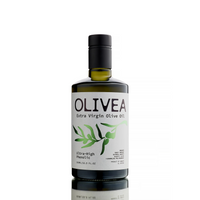
At Olivea, every bottle includes a harvest date — so you always know exactly how fresh your oil is. Our high-polyphenol oils also have a natural advantage: the antioxidants that make them healthy also protect the oil from oxidation, extending freshness.

Fresh from Greece
High Phenolic Extra Virgin Olive Oil — 500+ mg/kg Polyphenols
- Harvest date on every bottle
- 580+ mg/kg polyphenols (natural preservatives)
- Dark glass blocks 95%+ UV
- Single origin Greek Koroneiki
Maximum Freshness
Ultra High Phenolic Extra Virgin Olive Oil — 1,000+ mg/kg Polyphenols
- Harvest date on every bottle
- 1000+ mg/kg polyphenols (exceptional protection)
- Stays fresh longer due to high antioxidants
- Award-winning Greek Olympia variety
Common Questions About Olive Oil Freshness
Technically, olive oil doesn't "expire" the way dairy does — it won't make you sick. But it does go rancid over time, losing its flavor, health benefits, and developing off-tastes. Most EVOO is best used within 12-18 months of harvest, and within 3-6 months of opening.
Unopened extra virgin olive oil stays fresh for 18-24 months from harvest if stored properly (dark, cool place). After that, quality declines significantly. "Best by" dates are usually 18-24 months from bottling, which may be months after harvest.
Once opened, use within 3-6 months for best quality. Oxygen exposure accelerates degradation. The more air in the bottle, the faster it declines. Store with cap tightly sealed in a dark, cool place.
Rancid olive oil isn't dangerous in small amounts, but it tastes bad and has lost most of its health benefits. The antioxidants that make EVOO healthy are the same compounds that degrade when oil goes rancid. If it smells like crayons or cardboard, discard it.
Rancid olive oil smells like crayons, wet cardboard, old walnuts, putty, or sometimes like Play-Doh. Fresh EVOO should smell like grass, herbs, fruit, or pepper. If there's no pleasant aroma at all, that's also a bad sign.
Absolutely. Dark glass bottles and tins block 95-100% of UV light, which destroys olive oil. Clear glass offers no protection — oil in clear bottles under store lighting can go rancid in as little as 5 months. Plastic is worst as it allows oxygen through and may leach chemicals.
Harvest date is when olives were picked and pressed — the true "birthday" of the oil and the most accurate freshness indicator. It's far more useful than a "best by" date, which is just an estimate from the producer. Look for oils harvested within the past 12 months.
That's actually a good sign! Bitterness in EVOO comes from polyphenols — the antioxidant compounds that provide health benefits. High-quality, fresh EVOO should taste somewhat bitter and peppery. If it has no bitterness, the polyphenols may have degraded.
Research & Sources
- Pristouri G, et al. "Storage stability of olive oil in various packaging materials." Food Chemistry. 2010.
- Méndez AI, Falqué E. "Effect of storage time and container type on the quality of extra-virgin olive oil." Food Control. 2007;18:521-529.
- Krichene D, et al. "Stability of virgin olive oil and behavior of its natural antioxidants under medium temperature accelerated storage conditions." Food Chemistry. 2010;121:171-177.
- International Olive Council. "Trade Standard Applying to Olive Oils and Olive Pomace Oils." IOC/T.15/NC No 3/Rev. 16. 2021.
- UC Davis Olive Center. "Tests indicate that imported 'extra virgin' olive oil often fails international and USDA standards." 2010.
This calculator provides estimates based on general industry guidelines. Actual freshness depends on many factors including storage conditions and initial oil quality. When in doubt, use the smell and taste test. The information provided is for educational purposes only.
