

Free Baking Tool
Butter to Olive Oil Conversion Calculator
Switching from butter to olive oil? You're making a heart-healthy choice. The conversion is simple: use ¾ the amount of olive oil as butter. So if your recipe calls for 1 cup of butter, use ¾ cup of olive oil. Our calculator below does the math instantly — plus we'll help you choose the right olive oil for your recipe.
Calculate Your Conversion
Your Conversion
| Your Butter | Olive Oil Needed |
|---|---|
| — | — |
Ready to make the switch?
Shop Olive Oils →Butter to Olive Oil Conversion Chart
| Butter | Olive Oil Equivalent |
|---|---|
| 1 teaspoon | ¾ teaspoon |
| 1 tablespoon | 2¼ teaspoons |
| 2 tablespoons | 1½ tablespoons |
| ¼ cup (4 tbsp) | 3 tablespoons |
| ⅓ cup | ¼ cup |
| ½ cup (1 stick) | ¼ cup + 2 tablespoons |
| ⅔ cup | ½ cup |
| ¾ cup | ½ cup + 1 tablespoon |
| 1 cup (2 sticks) | ¾ cup |
Our Olive Oils for Baking
Perfect for Baking

Everyday Organic EVOO
Our Koroneiki variety has a bold yet smooth flavor that works beautifully in both sweet and savory recipes. It's our go-to for everyday baking — from banana bread to birthday cakes.
580+ mg/kg polyphenols
Shop Everyday Organic →Best for Finishing & Drizzling

Ultra High Phenolic EVOO
Our Olympia variety has a punchier, bolder flavor — ideal for finishing dishes, drizzling over fresh bread, or adding a gourmet touch to your baked creations right out of the oven.
1000+ mg/kg polyphenols
Shop Ultra High Phenolic →Why Swap Butter for Olive Oil?
Heart-Healthy Fats
Olive oil is rich in monounsaturated fatty acids (MUFAs), which research has linked to reduced cardiovascular disease risk. Butter, on the other hand, is about 63% saturated fat. Making the switch is one of the simplest upgrades you can make for heart health.
Powerful Antioxidants
Extra virgin olive oil contains polyphenols — potent antioxidants that protect your cells from oxidative stress. Butter contains zero polyphenols. When you bake with quality EVOO, you're adding nutrition, not just fat.
Better for Digestion
Many people find olive oil easier to digest than butter, especially those with lactose sensitivity or dairy restrictions. It's naturally dairy-free and works beautifully in vegan baking.
Keeps Baked Goods Moist
Here's a baker's secret: olive oil creates a tender, moist crumb that stays fresh longer than butter-based recipes. Your muffins, cakes, and quick breads won't dry out as quickly.
When Does Olive Oil Work Best?
Olive Oil Excels In
- Quick breads, muffins, and banana bread
- Chocolate cakes and brownies
- Citrus cakes (lemon, orange)
- Pancakes and waffles
- Pizza dough and focaccia
- Sautéing vegetables and proteins
- Salad dressings and marinades
Consider Keeping Butter For
- Flaky pastries like croissants and puff pastry
- Pie crusts (though olive oil crusts can work too)
- Buttercream frosting
- Recipes where butter flavor is the star
Tips for Baking with Olive Oil
Match Oil Intensity to Recipe
Use a smooth, mild olive oil for delicate baked goods like vanilla cake. Save bold, peppery oils for robust flavors like chocolate or citrus.
Check Earlier Than Usual
Olive oil baked goods sometimes cook a few minutes faster. Start checking for doneness 5 minutes before the recipe suggests.
Room Temperature Matters Less
Unlike butter (which needs to be softened), olive oil is always ready to go. One less step to worry about.
Don't Worry About Smoke Point
Despite what you may have heard, extra virgin olive oil is perfectly stable at baking temperatures. Studies show EVOO maintains its nutritional properties even when heated.
Common Questions About Butter to Olive Oil Substitution
Use ¾ the amount of olive oil as the recipe calls for in butter. For example, if a recipe needs 1 cup of butter, use ¾ cup of olive oil. This ratio works for most recipes including cakes, muffins, quick breads, and brownies.
Olive oil works excellently in most recipes, especially quick breads, muffins, cakes, brownies, and pancakes. However, recipes that rely on butter's solid state — like flaky pie crusts, croissants, or puff pastry — are better made with butter.
It can add a subtle fruity note, especially with extra virgin olive oil. Many people find this enhances chocolate and citrus recipes beautifully. For neutral flavor, use a milder olive oil. Our Everyday Organic has a smooth profile that works well in most baking.
Generally, yes. Olive oil is higher in monounsaturated fats (heart-healthy) and lower in saturated fat than butter. Extra virgin olive oil also contains polyphenol antioxidants that butter lacks entirely. You're adding nutrition while you bake.
Not if you use the correct ¾ ratio. Olive oil actually makes baked goods tender and moist without being greasy. The texture is often lighter than butter-based versions.
You can absolutely use extra virgin olive oil. Despite myths about smoke points, EVOO is stable at baking temperatures and retains its beneficial polyphenols. Use a milder EVOO for delicate flavors, or embrace the fruitiness in chocolate and citrus recipes.
One stick of butter equals ½ cup or 8 tablespoons. Using the ¾ ratio, substitute with 6 tablespoons (or ¼ cup + 2 tablespoons) of olive oil. Our calculator above does this math for you instantly.
Not a Baker? Get Your Polyphenols the Easy Way
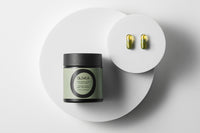
If you're here for the health benefits but don't bake often, our Hydroxytyrosol Capsules deliver a concentrated dose of olive oil polyphenols in seconds. Each capsule contains 20mg of hydroxytyrosol — 4x the EFSA threshold. All the benefits of olive oil, zero kitchen time required.

Hydroxytyrosol Capsule
20mg HXT per capsule Shop Capsules →These statements have not been evaluated by the FDA. This product is not intended to diagnose, treat, cure, or prevent any disease. Consult your physician before making changes to your diet.
