

Fake Olive Oil: 7 Warning Signs Your Bottle Isn't Real
That bottle of extra virgin olive oil sitting in your kitchen might be lying to you.

A landmark UC Davis study found that 69% of imported olive oils labeled "extra virgin" failed to meet international quality standards. The problems ranged from rancid, oxidized oils to products diluted with cheaper seed oils like sunflower and soybean.
This isn't a minor labeling issue. It's a gap between what you paid for and what you actually got. Real extra virgin olive oil delivers powerful antioxidants called polyphenols, including hydroxytyrosol, which protect your heart and brain. Fake or degraded oils deliver none of these benefits.
The difference matters for your health and your wallet.
Here's how to tell if your olive oil is the real deal, which popular tests are myths, and what to look for when buying.
What Is Fake Olive Oil?
"Fake olive oil" covers several types of fraud and quality failures.
Adulteration is the most blatant form. Producers mix expensive olive oil with cheaper vegetable oils like sunflower, soybean, hazelnut, or even lamp oil. According to research published in PMC, hazelnut oil is a common adulterant because its chemical profile closely resembles olive oil, making detection difficult.
Mislabeling is more common. Virgin or refined olive oil gets sold as "extra virgin" despite failing to meet that grade's strict standards. The UC Davis Olive Center found that many imported oils had defects like rancidity and "fustiness," a fermentation defect, yet still carried the extra virgin label.
Degradation happens when genuinely good olive oil goes bad before you buy it. Heat, light, and time destroy the polyphenols and fresh flavors that make EVOO valuable. By the time it reaches your kitchen, it's technically olive oil but functionally worthless for health.
The olive oil industry has a transparency problem. Unlike wine, which lists vintage years and vineyard sources, most olive oil bottles tell you almost nothing about when the olives were harvested, where they were grown, or how the oil was tested.

Olivea takes the opposite approach. Every bottle includes a harvest date, not just a vague "best by" stamp. The olives are single-origin Olympia/Koroneiki from Greece's Messinia region, cold-pressed within hours of picking. Most importantly, Olivea publishes third-party lab results showing exact polyphenol content for each batch. When the label says 1000+ mg/kg of polyphenols, you can verify it.
Founded by physicians who wanted olive oil they could actually recommend to patients, Olivea built its entire model around the transparency the rest of the industry lacks. No blending from mystery sources. No hiding behind meaningless dates. Just verifiable quality from grove to bottle.
How Big Is the Fake Olive Oil Problem?
Headlines claiming "80% of olive oil is fake" are exaggerated. But the real numbers are still concerning.
The UC Davis research tested 14 imported brands from major retailers and found that 69% failed sensory standards for extra virgin olive oil. A follow-up study in 2011 tested the five top-selling imported brands and found a 73% failure rate across 90 samples. Brands tested included Filippo Berio, Bertolli, Pompeian, Colavita, and Star.

In contrast, California-produced oils showed only a 10% failure rate.
The FDA tested 88 samples from Washington D.C. retailers and found no confirmed adulteration with non-olive oils. This suggests outright fraud is less common than quality degradation and mislabeling.
Italy produces about 15% of the world's olive oil yet remains the second-largest exporter. Some of that gap is filled with oil imported to Italy, blended, and re-exported with "Product of Italy" labeling that obscures true origins.
The takeaway: most olive oil on shelves isn't "fake" in the sense of containing no olives. But much of it fails to deliver the quality, freshness, and health benefits that "extra virgin" promises.
7 Warning Signs Your Olive Oil Might Be Fake
You don't need a chemistry lab to spot questionable olive oil. These seven red flags will help you identify fakes, low-quality oils, and bottles that aren't worth your money.

1. No Harvest Date on the Label
Fresh olive oil is healthy olive oil. Polyphenol content degrades over time, especially after the bottle is opened.
Quality producers print the harvest date, not just a "best by" date. A "best by" date tells you when the oil might turn rancid. A harvest date tells you how fresh it actually is.
Look for oils harvested within the past 12 to 15 months. Anything older has likely lost significant polyphenol content.
If the label only shows "bottled on" or "packed on," that's a red flag. Oil can sit in tanks for months or years before bottling.
2. Clear Glass or Plastic Packaging
Light destroys olive oil. UV rays break down polyphenols and accelerate rancidity.
Quality producers package their oil in dark glass bottles or opaque containers. Clear bottles sitting under fluorescent store lights are losing quality every day.
Plastic is even worse. It's porous and offers less protection from heat and light. Premium oils like Olivea use dark glass specifically to preserve freshness and polyphenol content.
3. Suspiciously Low Price
Producing genuine extra virgin olive oil is expensive. Early-harvest olives yield less oil. Careful handling and storage cost more. Third-party testing adds expense.
If a 500ml bottle costs less than a fancy coffee drink, question what corners were cut.
According to olive oil industry experts, cheap prices often mean blended origins, older harvests, or lower-grade oils mislabeled as extra virgin.
4. Vague or Missing Origin Information
"Packed in Italy" doesn't mean the olives were grown there or the oil was pressed there. Many oils blend sources from multiple countries, then get bottled in Italy or Spain for the label appeal.
Look for single-origin oils that name the specific region, farm, or olive variety. Terms like "Koroneiki olives from Messinia, Greece" or "Mission olives from Paso Robles, California" indicate traceability.
If the bottle just says "Product of EU" or lists multiple countries of origin, the producer is likely hiding something.
5. No Taste or a Flat Flavor
Genuine extra virgin olive oil has a distinct personality. It should smell fresh, grassy, or fruity. It should taste slightly bitter with a peppery finish that catches your throat.
That peppery sensation comes from oleocanthal, a polyphenol with anti-inflammatory properties similar to ibuprofen.
If your oil tastes bland, greasy, or like nothing at all, it's either low-quality, oxidized, or adulterated. If it smells like crayons, wet cardboard, or old peanuts, it's rancid.
6. No Third-Party Testing or Quality Seals
Reputable producers test their oils and publish the results. Look for:
|
Certification |
What It Means |
|
COOC Seal |
California Olive Oil Council certification with stricter standards than international requirements |
|
NAOOA Certified |
North American Olive Oil Association testing for IOC compliance |
|
PDO/PGI |
European protected designation of origin |
|
Published Lab Results |
Polyphenol content, acidity levels, peroxide values |
Brands that invest in transparency and third-party testing have nothing to hide. Brands that don't... might.
7. Unknown or Unresearchable Brand
Can you find information about the producer? Do they have a website? Do they describe their farming practices, milling methods, and quality standards?
Small, passionate producers typically love talking about their process. If you can't find any information about a brand beyond what's on the label, approach with skepticism.
Olive Oil Tests That Don't Work
The internet is full of "home tests" for olive oil authenticity. Most are useless.

The Fridge Test: Debunked
The myth: put olive oil in the refrigerator. If it solidifies, it's real. If it stays liquid, it's fake.
The reality: the UC Davis Olive Center specifically studied this test and concluded it's "unreliable in judging whether an olive oil is truly made from olives, nor does it provide information on the quality of the oil."
Their samples never fully solidified even after 180 hours of refrigeration. Worse, a sample mixed with 50% lower-grade oil did congeal, which would falsely "pass" the test.
Different olive varieties have different wax and fat profiles. Temperature varies between refrigerators. The test proves nothing.
The Lamp Test: Unreliable
Some claim real olive oil will burn cleanly in an oil lamp while fake oil won't. This tells you nothing about quality, origin, or polyphenol content. Skip it.
The Paper Test: Misleading
Dripping oil on paper to see if it evaporates supposedly reveals fake oil. In reality, all oils behave differently based on their composition, and this test has no scientific backing.
What Actually Works: How to Buy Real Olive Oil
Forget the gimmicks. Here's what genuinely helps you find authentic, high-quality olive oil.

Check the Harvest Date
This is the single most important indicator of quality. Fresh oil means more polyphenols, better flavor, and actual health benefits.
The European Food Safety Authority approved health claims for olive oil containing at least 250 mg/kg of polyphenols. Standard commercial oils often fall below this threshold, especially as they age. High-polyphenol oils like Olivea test at 1000+ mg/kg when fresh.
Look for Lab-Verified Polyphenol Content
Producers who test their oils know exactly what's in them. If polyphenol content isn't listed, the producer either didn't test or didn't like the results.
The minimum for EFSA health claims is 250 mg/kg. For therapeutic benefits, aim higher. Olivea publishes lab results for every batch.
Choose Single-Origin Over Blends
Blended oils from multiple countries make quality control nearly impossible. Single-origin oils from named regions can be traced from grove to bottle.
Greek Koroneiki olives, Spanish Picual, and Italian Coratina varieties are known for naturally high polyphenol content when harvested early.
Buy from Specialty Producers
Mass-market oils optimize for price and shelf stability, not health benefits. Specialty producers optimize for freshness and polyphenol content.
Olivea's EVOO is pressed within hours of harvest and shipped in dark glass to preserve potency. That level of care is rare in supermarket brands.
Pay Attention to Packaging
Dark glass, sealed caps, and appropriate bottle sizes all matter. A gallon jug that sits open for months will degrade no matter how good the oil started.
Buy sizes you'll use within two to three months of opening.
Why Polyphenol Content Matters More Than "Extra Virgin"
"Extra virgin" is supposed to mean the highest quality olive oil. In practice, the label has become nearly meaningless.
The legal definition requires low acidity and freedom from sensory defects. But it says nothing about polyphenol content, which is what delivers olive oil's health benefits.
An oil can technically qualify as extra virgin while containing minimal polyphenols. An old, light-exposed extra virgin oil offers no more health benefit than refined vegetable oil.

What actually matters:
Polyphenol content. Specifically hydroxytyrosol, oleocanthal, and oleacein. These compounds protect LDL cholesterol from oxidation, reduce inflammation, and support cardiovascular health. The EFSA requires at least 250 mg/kg for approved health claims.
Freshness. Polyphenols degrade over time. A two-year-old "extra virgin" oil has lost most of its beneficial compounds.
Transparency. Producers who test and publish results are confident in their quality. Producers who don't are hiding something.
Olivea's approach addresses all three: lab-verified polyphenol content well above EFSA thresholds, harvest dates on every bottle, and complete transparency about sourcing and testing.
Real vs. Fake Olive Oil: Quick Comparison
Authentic olive oil and fake olive oil look the same on the shelf. The differences show up in the details.
|
Factor |
Authentic High-Quality EVOO |
Low-Quality or Fake Oil |
|
Harvest date |
Clearly printed, within 15 months |
Missing or only "best by" date |
|
Origin |
Single region or estate named |
Vague or multi-country blend |
|
Polyphenol content |
Lab-verified, often 300+ mg/kg |
Unknown or declining |
|
Packaging |
Dark glass, properly sealed |
Clear glass or plastic |
|
Taste |
Peppery, bitter, fruity |
Flat, greasy, or rancid |
|
Third-party testing |
Results published |
No verification available |
|
Price |
Higher (reflects quality) |
Suspiciously cheap |
How Olivea Solves the Fake Olive Oil Problem
Olivea was founded by medical professionals who understood both the science of olive oil polyphenols and the frustration of finding trustworthy products.

Every Olivea oil comes with:
-
Lab-verified polyphenol content. Olivea's Ultra High Phenolic EVOO tests at 900+ mg/kg, far exceeding EFSA thresholds.
-
Harvest dates on every bottle. No guessing about freshness.
-
Single-origin Greek Olympia/Koroneiki olives. Traceable from Messinia region farms to your table.
-
Cold-pressed within hours of harvest. Maximum polyphenol preservation.
-
Dark glass packaging. Protection from light degradation.
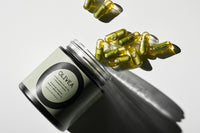
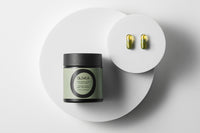
For those who want polyphenol benefits without the oil, Olivea's EVOO & Hydroxytyrosol Supplement delivers concentrated doses in capsule form.
The difference between Olivea and mass-market oils isn't just quality. It's transparency, science, and actual health benefits you can verify.
Frequently Asked Questions About Olive Oil

How can I tell if my olive oil is real?
Check for a harvest date within 15 months, single-origin sourcing, dark glass packaging, and lab-verified polyphenol content. Taste it: real EVOO like Olivea has a peppery, slightly bitter flavor.
What percentage of olive oil is fake?
UC Davis research found 69% of imported oils failed extra virgin standards due to defects, oxidation, or mislabeling. Outright adulteration is less common but occurs. Olivea avoids these issues entirely with single-origin Greek olives, same-day pressing, and third-party lab verification.
Does the fridge test work for olive oil?
No. UC Davis researchers specifically debunked this test. Solidification depends on the olive variety's wax content, not authenticity. Instead of unreliable home tests, look for brands like Olivea that publish actual lab results proving polyphenol content and purity.
Which olive oil brands are trustworthy?
Look for brands that publish harvest dates, lab results, and single-origin sourcing. Olivea provides all three plus polyphenol testing at 1000+ mg/kg. Our physician-founded approach prioritizes transparency over marketing.
Is expensive olive oil worth it?
For health benefits, yes. Cheap oils rarely contain polyphenol levels needed for cardiovascular protection. The EFSA requires at least 250 mg/kg for health claims. Olivea's Ultra High Phenolic EVOO delivers 1000+ mg/kg, making the investment worthwhile.
How should I store olive oil to keep it fresh?
Keep it in a dark, cool place away from the stove. Use within two to three months of opening. Olivea packages all oils in dark glass to protect against light degradation. Olivea oils also come in sizes designed for regular use before oxidation occurs.
What's the difference between extra virgin and regular olive oil?
Extra virgin is cold-pressed from fresh olives with no chemical processing. Regular olive oil is refined and may be blended. Extra virgin has more polyphenols when fresh, but the label alone doesn't guarantee quality. Olivea verifies polyphenol content through independent lab testing, so you know exactly what you're getting.
Stop Gambling on Your Olive Oil
Every bottle of olive oil makes a promise. Most don't keep it.
The fake olive oil problem isn't going away. As long as consumers can't tell the difference, producers have little incentive to invest in quality. Labels lie. Marketing obscures. And the oils sitting under supermarket lights lose value every day.
You deserve better than a gamble.

Olivea delivers verified quality: lab-tested polyphenol content, transparent sourcing, harvest dates you can trust, and the actual health benefits that made olive oil famous in the first place.
The Mediterranean diet works because of what's in the oil, not what's on the label. Make sure your bottle delivers.
