
This site has limited support for your browser. We recommend switching to Edge, Chrome, Safari, or Firefox.
UK customers — find us on Healf →
Lemon Pesto Pasta (Bright, No-Cook Sauce)

Lemon Pesto Pasta (Bright, No-Cook Sauce)

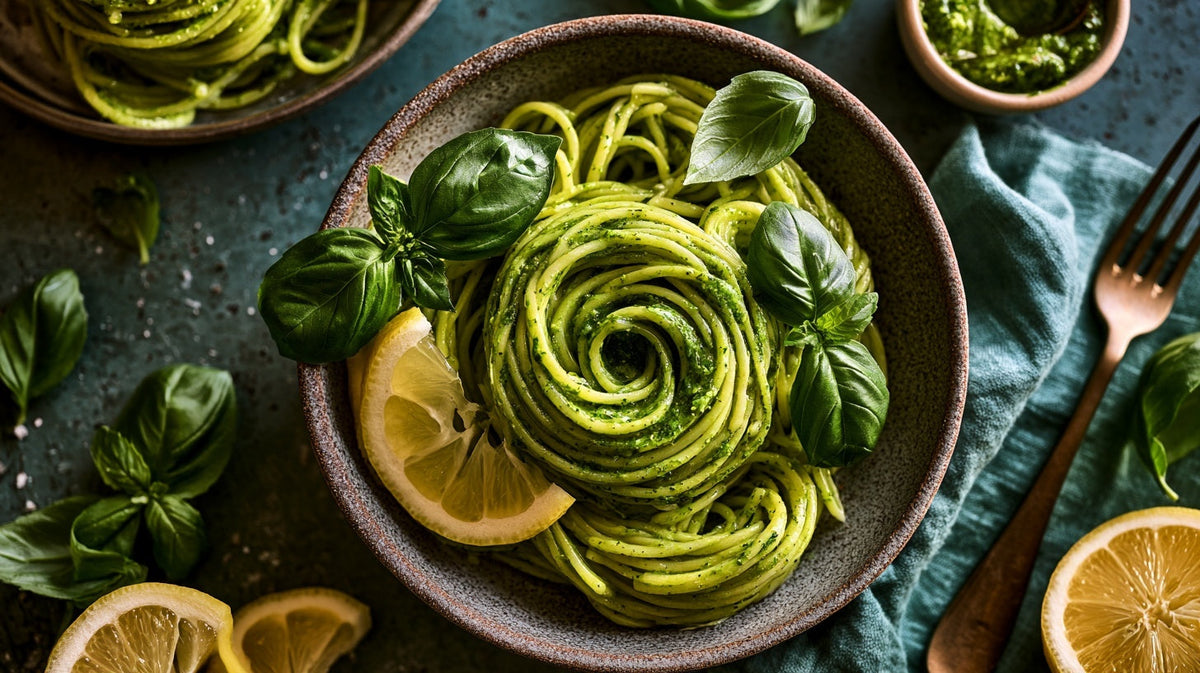
A bright, herbal lemon pesto pasta built on a raw, no-cook basil and lemon pesto. The bold, peppery olive oil is the sauce itself, tossed through hot spaghetti in about 20 minutes.

Jump to Recipe
Prep 10 min
Cook 10 min
Total 20 min
Easy

Why We Love This Recipe

We love this pasta because the sauce is raw, so nothing is cooked off. Fresh basil, lemon, garlic, pine nuts, and olive oil go into the bowl exactly as they are, which keeps the herbal, citrusy flavor vivid and the ingredients whole. Basil and lemon add vitamin C and aromatic oils, pine nuts bring a little protein and magnesium, and parmesan adds savory depth.

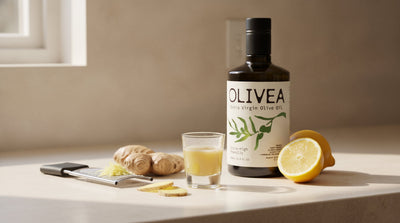
Because this pesto is never heated, the olive oil is the sauce, so it is the star of the bowl. We make it with Ultra High Phenolic Extra Virgin Olive Oil, whose bold, intensely peppery character carries the basil and lemon and gives the pesto its backbone. That peppery catch at the back of your throat is the hydroxytyrosol and other polyphenols you can actually taste, so here flavor and freshness are the same thing. It is USDA Certified Organic, single-origin from Messinia, Greece, early harvest, cold-pressed within hours, and developed with Harvard-trained cardiologists, with its polyphenol load verified by qNMR at the University of Athens. Polyphenols are highest in a fresh bottle and fade with time and heat, so a raw sauce like this is exactly where they reach the plate at their best. To read more, here is the polyphenol research.

Olive oil is the cornerstone fat of the Mediterranean diet and is rich in monounsaturated fats, and a raw, herb-forward sauce is one of the most delicious ways to enjoy it. For more on the science, see the evidence behind our oils.

View Nutrition Facts

Recipe Success Tips

Toast the pine nuts for deeper flavor.

A few minutes in a dry skillet over medium heat, shaking often until golden and fragrant, brings out their buttery richness. Watch closely, since pine nuts go from toasted to burnt quickly. Let them cool before blending.

Zest only the bright yellow layer.

The white pith underneath is bitter. Use a microplane and take just the fragrant top layer of the peel, then juice the lemon separately. The zest carries most of the floral lemon aroma.

Do not over-blend the pesto.

Pulse just until the basil breaks down into a coarse, spoonable sauce. Over-processing heats the basil from friction and dulls its color and fresh taste. A little texture is what you want.

Cool the pasta slightly before tossing.

Add the pesto to pasta that is hot but not screaming-hot, off the heat, so the raw sauce warms through without cooking. A splash of reserved pasta water loosens it into a glossy coat.

Reach for a bold, peppery olive oil.

In a raw sauce the oil's flavor is front and center, so a fresh, intensely peppery Ultra High Phenolic Extra Virgin Olive Oil is what gives this pesto its character. A fresh bottle tastes brightest and most vivid.

Ingredients

4
servings
  • 1/2 cup Ultra High Phenolic Extra Virgin Olive Oil
  • 12 oz spaghetti
  • 2 cups fresh basil leaves, packed
  • 1/3 cup pine nuts, toasted
  • 1/2 cup parmesan cheese, finely grated
  • 1 garlic clove
  • 1 large lemon, zested and juiced
  • to taste sea salt
  • to taste black pepper, freshly ground

Kitchen Tools You'll Need

Large Pot
Food Processor
Microplane/Zester
Small Skillet
Tongs
Mixing Bowl

How to Cook Lemon Pesto Pasta (Bright, No-Cook Sauce)

PREP

1
Toast the pine nuts in a dry skillet over medium heat, shaking often, until golden and fragrant, about three minutes. Tip them onto a plate to cool. Zest and juice the lemon, keeping them separate.
2
Bring a large pot of well-salted water to a boil for the pasta.

MIX

3
Make the raw pesto: in a food processor, combine the basil, cooled pine nuts, parmesan, garlic, lemon zest, and lemon juice. Pulse a few times to break everything down into a coarse paste.
4
With the processor running, pour in the Ultra High Phenolic Extra Virgin Olive Oil in a steady stream. Its bold, peppery character is the backbone of this raw sauce. Pulse just until the pesto comes together into a spoonable, still-textured sauce. Season with salt and pepper. Prefer a gentler, less peppery result? The High Phenolic Extra Virgin Olive Oil gives a smoother, more rounded finish.

FINISH

5
Cook the spaghetti until just al dente. Before draining, reserve about one cup of the starchy pasta water.
6
Drain the pasta and let it cool for a minute so it is hot but not scalding. Off the heat, toss it with the lemon pesto, adding reserved pasta water a splash at a time until the sauce turns glossy and coats every strand.
7
Taste and adjust salt, pepper, and lemon. Serve warm or at room temperature, with extra parmesan and toasted pine nuts on top.

Recipe Notes

This pasta is bright enough to serve warm or at room temperature, which makes it a great picnic or potluck dish. Add halved cherry tomatoes, blanched green beans, or a handful of arugula for color. It uses the same raw, herbal sauce as our lemon basil pesto, so make a double batch and keep some for sandwiches and grain bowls.
Swap half the basil for arugula or spinach for a peppery, green twist, or use walnuts in place of pine nuts. For more bright, lemony pasta nights, try the silky classic pasta al limone or the creamy lemon ricotta pasta.
Because the pesto is raw, the oil is the sauce, so reach for the bold, intensely peppery Ultra High Phenolic Extra Virgin Olive Oil. If you prefer a milder, more rounded pesto, the High Phenolic line gives a gentler, less peppery result. A fresh bottle gives the brightest flavor.
The pesto can be made up to three days ahead; store it in a jar with a thin film of olive oil on top to keep it green, and refrigerate. Bring it to room temperature before tossing. Dressed pasta keeps for two days in the fridge and is good cold or gently rewarmed. Store your olive oil away from heat and light to protect its flavor.

Nutrition Facts per Serving

Nutrition Facts
Serving size 1 bowl (about 1/4 recipe)
Calories 620
% Daily Value*
Total Fat 36g46%
Saturated Fat 6g30%
Trans Fat 0g
Unsaturated Fat 29g
Monounsaturated Fat 22g
Polyunsaturated Fat 6g
Cholesterol 8mg3%
Sodium 330mg14%
Total Carbohydrate 66g24%
Dietary Fiber 4g14%
Total Sugars 3g
Includes 0g Added Sugars 0%
Protein 17g34%
Vitamin A 90mcg10%
Vitamin C 8mg9%
Vitamin D 0mcg0%
Calcium 180mg14%
Iron 3mg17%
Potassium 300mg6%
* Percent Daily Values are based on a 2,000 calorie diet.

The Best No-Cook Way to Get Olive Oil Benefits

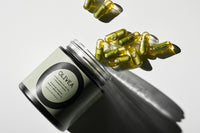
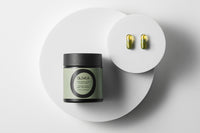
Because this pesto is raw, a fresh, peppery olive oil delivers its flavor and polyphenols straight to the plate. For an easy daily polyphenol habit with no cooking at all, our Olivea Hydroxytyrosol Supplement offers a convenient dose of olive polyphenols every day.
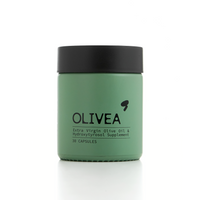
Olivea Hydroxytyrosol Supplement
$40.00
Add to Cart

Frequently Asked Questions

It is pasta tossed with a raw, no-cook pesto made from fresh basil, lemon, garlic, pine nuts, parmesan, and extra virgin olive oil. The bright lemon lifts a classic basil pesto into something fresher and more citrusy.
Yes. The pesto is blended raw and never heated, then tossed through hot pasta off the heat so it warms through without cooking. That keeps the basil green and the flavor vivid.
Because the sauce is raw, the oil's flavor is front and center, so a bold, peppery extra virgin olive oil like the Ultra High Phenolic line makes the best pesto. If you prefer a milder result, a smoother High Phenolic oil rounds it out.
Zest only the bright yellow layer of the lemon and avoid the white pith, do not over-blend the basil, and balance the lemon with enough salt, cheese, and olive oil. A short pulse keeps it fresh and bright.
Yes. Make the pesto up to three days ahead and store it with a thin film of olive oil on top to keep it green. Toss it with fresh-cooked pasta when you are ready, or dress the pasta ahead and serve it cold or gently warmed.
Walnuts, almonds, or pistachios all work well and each adds its own character. Toast them first for deeper flavor. For a nut-free version, sunflower seeds are a good swap.
Yes, as written it is vegetarian. For a strictly vegetarian version, choose a parmesan-style cheese made without animal rennet, or use a vegan hard cheese.
Long strands like spaghetti and linguine are classic, while short shapes with ridges and curves like fusilli and penne catch the pesto in their grooves. Both are great choices.
Yes. Freeze it in a small jar or in an ice cube tray with a little olive oil on top. Thaw in the fridge and stir well before using. The lemon may mellow slightly after freezing.
It is built on a raw sauce of basil, lemon, nuts, and olive oil, which fits a Mediterranean-diet style of eating rich in monounsaturated fats. It is rich, so balance the portion with vegetables or a green salad.

Cart

No more products available for purchase