

The 7-Day Olive Oil Challenge: An Honest Guide
Somewhere between the morning lemon shot and the bedtime spoon, the internet decided olive oil needed a week-long test. Take a tablespoon every morning for seven days, film your face, report back. The videos promise a flatter stomach, clearer skin, better digestion, more energy by Sunday. It is a tidy format, and it is genuinely harmless. The problem is the timeline.

Seven days is long enough to build a habit and to find out whether you can stand the taste. It is not long enough for most of what the trend promises, because the human trials behind olive oil's reputation ran for weeks and months, not a week. Here is what a seven-day run can honestly do for you, what it cannot, and how to get more out of the attempt than a video.
The Short Answer
A week of daily olive oil is a fine experiment in consistency and a poor experiment in health outcomes. The one thing research shows happening quickly is a meal-level effect on blood sugar hormones, measured within hours of a single olive oil meal. The changes people actually want, in cholesterol markers and oxidative stress, come from trials that ran three weeks at the shortest and sixteen weeks at the longer end. Nothing in the literature suggests day seven is a milestone. If you run the week, treat it as a trial run of a habit you might keep, and pay attention to the one variable that decides whether the habit is worth anything: the polyphenol content of the oil.
Where the Seven-Day Challenge Came From
The format borrowed its shape from every other one-week internet challenge and its ingredient from the older morning-shot wave. Once the olive oil and lemon shot went wide, a seven-day version was inevitable: short enough that anyone will try it, long enough to feel like a commitment, and neatly packaged for a before-and-after.

What travels with the format is a set of claims that were never attached to a seven-day window in the first place. Detox, cleansing, fat loss, and a visible glow by Sunday are the video promises, not the study findings. Our look at the truth about olive oil shots covers the plain-oil ritual, and the olive oil and lemon shot covers the citrus version most challenge videos use. Both hold up better as daily habits than as one-week events.
What Seven Days Is Genuinely Long Enough For
Three honest things happen inside a week, and they are worth naming because they are real.
The first is acute and measurable. In a controlled crossover trial, adding about 10 grams of extra virgin olive oil to a single meal raised GLP-1, the gut hormone tied to blood-sugar control, and lowered post-meal glucose. That happens on day one, not day seven, and it is a response to the meal rather than a lasting change. It repeats every time you do it, which is a decent argument for making olive oil a permanent part of how you eat rather than a week you complete.
The second is that you find out how the oil sits with you. Olive oil is roughly 99 percent fat, and a straight tablespoon on an empty stomach is more fat, faster, than most people are used to. Some find it perfectly comfortable. Others notice looser stools or a faster morning trip to the bathroom, which is a normal response to a slug of fat rather than a sign of anything working, as we cover in does olive oil make you poop. People prone to acid reflux may find a fat shot uncomfortable, particularly close to lying down. That is general education rather than a diagnosis, and anyone with a reflux condition should follow their own doctor's guidance.
The third is the taste. A genuinely fresh, high-polyphenol oil catches at the back of the throat and can make you cough. That bite comes from the phenolic compounds themselves, so the sting is information, not a defect. By about day three or four most people stop flinching. Learning to read that peppery signal is arguably the most useful thing a week gives you.
Day by Day, Honestly
Here is a realistic version of the week, with no promised transformation attached.
| Day | What is actually going on |
| Day 1 | The taste is the event. Expect a peppery catch in the throat if the oil is fresh. A meal-level effect on post-meal blood sugar hormones is measurable in research, though not by you at home. |
| Days 2 and 3 | Your digestion tells you whether a straight fat dose suits you. Any looseness usually settles or tells you to take the oil with food instead. Nothing measurable has changed in your bloodwork. |
| Days 4 and 5 | The taste stops being a hurdle and the habit starts running on autopilot. Reports of extra energy or a calmer stomach at this stage are unblinded self-observation, which is not nothing, but is not evidence either. |
| Days 6 and 7 | You have proven you will do it. Cholesterol and oxidative-stress markers are almost certainly unchanged, because the trials that moved them needed at least three weeks of daily intake. |
None of that is a reason to skip the week. It is a reason to be clear about what the week is: a habit test, not a health test.
What Seven Days Is Not Long Enough For
This is where the trend and the research part ways, and the numbers are easy to check.

The foundational olive polyphenol trial, EUROLIVE, gave 200 men 25 mL of olive oil a day in three-week intervention periods, and found that the effect on HDL and oxidized LDL tracked the polyphenol content of the oil. A meta-analysis pooling 26 randomized trials of high-phenolic versus low-phenolic olive oil drew on studies that typically ran three to eight weeks each. A more recent randomized trial of purified hydroxytyrosol ran 16 weeks at 15 mg a day before reporting improvements in antioxidant and inflammation markers. The shortest credible window in that set is three times longer than the challenge.
Gut research runs on a similar clock. An eight-week trial of olive-pomace products reported a trend toward higher bifidobacteria along with urinary phenolic acids confirming that the compounds were being metabolized in the colon, and a trend across eight weeks is a long way from a visible result across seven days. The wider picture, which we summarize in a 2021 review of olive oil and the gut microbiome and in is olive oil good for gut health, leans gently favorable and is still early.
Two claims deserve a flat correction while we are here. Olive oil does not detox or cleanse you, over seven days or seventy; your liver and kidneys do that continuously and no food shot speeds them up. And a tablespoon of olive oil carries real calories, so a week of adding one is not a weight-loss protocol. When a challenge is sold mainly on those two words, the selling is doing the work rather than the evidence.
The Claims, Held Against the Evidence
Here is where the seven-day promises land once you check them.
| The claim | What the evidence shows |
| Seven days detoxes or cleanses you | No. Your liver and kidneys handle this continuously, and no oil or shot accelerates it. |
| You will lose weight in a week | No. A tablespoon adds real calories. No trial shows a week of olive oil causing weight loss. |
| Your cholesterol numbers will improve by day 7 | Unlikely. The trials that moved lipid and oxidation markers ran three weeks at minimum, more often several months. |
| You will see it in your skin by Sunday | No human evidence for a seven-day skin outcome. The skin research on olive polyphenols is cell-level work, not before-and-after photos. |
| Something happens on day one | Partly true, at meal level. A single olive oil meal raised GLP-1 and lowered post-meal glucose in a controlled trial. It is acute, and it repeats with each meal. |
| A week tells you whether you can keep this up | True, and this is the honest reason to run it. Taste tolerance and digestive comfort are both answered inside seven days. |
| The polyphenols may support heart and cellular health | Supported for genuine high-polyphenol oil taken consistently. Hydroxytyrosol carries an EU-recognized cardiovascular-benefit claim at about 5 mg of olive polyphenols a day. |
How to Run the Week, If You Run It
Take about one tablespoon of high-polyphenol extra virgin olive oil each day, at whatever hour you will actually repeat. Straight is fine. So is stirring it into warm water with lemon, which is how most challenge videos do it and which our lemon olive oil shot lays out as a two-minute morning drink. If a straight fat dose does not sit well on an empty stomach, take it with food; the polyphenols do not care.

Timing is the part people overthink. Olive polyphenols are absorbed well whenever you take them, and contrary to a persistent myth they are not mostly lost in transit: in absorption research they rank among the best-absorbed dietary phenols, with a portion of the compounds and their metabolites still reaching the colon. Morning, midday, and night all work, which we go through in olive oil before bed. One tablespoon a day is also a sensible ceiling, since larger doses add calories rather than benefit. If you want the compound-level math on dosing, hydroxytyrosol dosage covers how many milligrams the research actually used.
Keep one note a day if you want the week to be worth something: how the taste landed, how your stomach felt, whether the habit fit your morning. Those are the questions seven days can answer.
The Variable Nobody Films: What Is in the Bottle
Every benefit in this article traces back to the polyphenols, and most olive oil barely contains them. They peak in early-harvest olives and fall with time, heat, and light, so a bottle that sat under store lights for a year can hold a small fraction of what a fresh oil started with. That means two people can run the same seven-day challenge and take in wildly different amounts of the compounds the research was actually about.

Content is measured in milligrams per kilogram. The EU health-claim baseline sits around 250 mg/kg, and a genuinely high-phenolic oil climbs past 1,000 mg/kg. Hydroxytyrosol is the lead compound and the only olive polyphenol with an EU-recognized health claim for protecting blood lipids from oxidative damage. A label that never states its number is telling you something by omission, and our guide to spotting real olive oil covers the rest of the tells. For picking a bottle you intend to drink straight, the daily-shot roundup ranks the options.
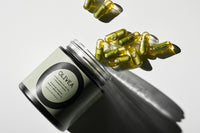
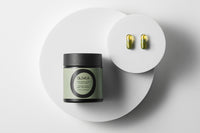
Olivea's Ultra-High Phenolic EVOO is lab-verified past 1,000 mg/kg, tested every batch at the University of Athens by qNMR. If drinking oil is not something you want to keep doing after day seven, a measured hydroxytyrosol supplement delivers a fixed daily dose of the same lead compound without the calories or the taste.
What to Do on Day 8
The interesting question is not what happened during the week. It is whether you kept going. Every trial that found something worth reporting relied on daily intake sustained past the point where a video would have ended, and the association research points the same way: in a large cross-sectional analysis, people with higher total plasma polyphenols had roughly 29 percent lower odds of showing elevated inflammation markers, an association across many polyphenols rather than an olive-specific cause and effect, and a picture of long-term intake rather than a week of it.
So treat day 8 as the actual start. If the habit stuck and the oil is a good one, you are now doing the thing the studies were studying. If it did not stick, you learned that in seven days for the price of a bottle, which is a reasonable outcome too.
Frequently Asked Questions
What happens if you drink olive oil for 7 days?
Realistically, you get used to the taste and find out whether a daily tablespoon suits your digestion. Research shows an acute effect on post-meal blood sugar hormones from a single olive oil meal, but the changes people hope for in cholesterol and oxidative-stress markers came from trials lasting three weeks to several months. A week is a habit test rather than a health test.
Is a 7-day olive oil challenge long enough to see results?
Not for measurable health markers. The foundational olive polyphenol trial used three-week intervention periods, pooled trials of high-phenolic olive oil typically ran three to eight weeks, and a recent hydroxytyrosol trial ran 16 weeks. Seven days is shorter than every one of those windows. What it can genuinely tell you is whether the routine fits your life.
How much olive oil should you drink during the challenge?
About one tablespoon a day, which sits in the range human trials have used. Larger amounts add calories without adding benefit, so a single daily spoon is a sensible ceiling. Far more important than the volume is the polyphenol content of the oil, since two bottles at the same serving size can deliver very different amounts of the compounds that matter.
Should you take the olive oil shot on an empty stomach?
You can, but there is no absorption advantage to it. Olive polyphenols are taken up well whether the oil comes with food or without. Some people find a straight fat dose on an empty stomach uncomfortable, and those prone to acid reflux may prefer taking it with a meal. The best answer is whichever version you will repeat past day seven.
Does the olive oil and lemon version work better?
There is no evidence that adding lemon changes what the olive polyphenols do. Lemon makes the oil easier to swallow and adds a little vitamin C, which is a reasonable practical reason to use it. The gallbladder-flush and detox claims attached to the combination do not hold up, which we cover in detail in our lemon shot article.
The Honest Read
The seven-day olive oil challenge is a decent habit experiment wearing the costume of a health experiment. Nothing in the research points to day seven as a threshold, the detox and weight-loss framing does not survive contact with the evidence, and the studies people cite for the benefits ran for weeks or months on a phenol-rich oil. Run the week if it gets you started. Then judge it by whether you are still doing it in month three, and by whether the bottle you are doing it with has a polyphenol number worth the effort.
This article is educational and is not medical advice. These statements have not been evaluated by the Food and Drug Administration. This product is not intended to diagnose, treat, cure, or prevent any disease. Talk to your doctor before starting any new routine, especially if you have acid reflux, GERD, gallbladder disease, or another digestive condition.
