

Hydroxytyrosol Dosage: How Much You Actually Need Daily
Most people who consume olive oil or take a polyphenol supplement have some sense that hydroxytyrosol is good for them. Fewer know that its benefits are dose-dependent in a clinically specific way: regular intake may not produce measurable effects below a defined threshold.
Above it, the evidence is concrete. Clinical trials have documented statistically significant reductions in oxidative damage and inflammation. The European Food Safety Authority (EFSA) found the evidence strong enough to issue a formal cardiovascular health claim, one of the very few such recognitions ever granted to a plant polyphenol.
The issue is not whether hydroxytyrosol works. The issue is that most people are not getting enough of it.
Standard olive oil frequently fails to deliver the EFSA minimum at typical serving sizes. Many supplements label vague “olive extract” amounts that make therapeutic dosing impossible to verify. And the gap between the regulatory minimum and the doses used in clinical trials is larger than most people assume.
This guide gives you a complete, evidence-based answer: why hydroxytyrosol dosage matters, what, what the EFSA threshold means in practical terms, what clinical trials actually administered, how many different olive sources realistically deliver, and exactly what to look for in a supplement to know whether it will do anything at all.
What Is Hydroxytyrosol?
 Hydroxytyrosol is a phenolic compound found almost exclusively in olives and olive oil. It belongs to the secoiridoid class of polyphenols, and it's the primary active antioxidant compound responsible for many of olive oil's documented health benefits.
Its biological properties include:
-
Antioxidant activity: One of the highest measured of any plant compound. Neutralizes reactive oxygen species (ROS) and protects DNA, proteins, and lipids from oxidative damage.
-
Anti-inflammatory signaling: Inhibits NF-kB, COX-2, and pro-inflammatory cytokines (IL-6, TNF-alpha) through multiple pathways.
-
Cardiovascular protection: Prevents LDL oxidation, the key step in atherosclerosis development. Improves endothelial function and supports healthy blood pressure.
-
Neuroprotection: Crosses the blood-brain barrier. Reduces amyloid-beta accumulation and oxidative stress in neural tissue.
-
Mitochondrial support: Promotes mitochondrial biogenesis and efficiency, with implications for energy, aging, and metabolic health.
What makes hydroxytyrosol genuinely remarkable isn't any single effect but the convergence of multiple mechanisms in one molecule. It protects the cardiovascular system through at least three simultaneous pathways: blocking LDL oxidation, reducing arterial inflammation, and improving blood vessel function. It crosses the blood-brain barrier (something most compounds cannot do) where it directly counters the oxidative stress and amyloid accumulation linked to cognitive decline. It stimulates mitochondrial biogenesis, which touches energy metabolism, aging, and insulin sensitivity all at once.
Most interventions target one pathway. Hydroxytyrosol works across many, at doses that are biologically achievable. That convergence is rare, and it goes a long way toward explaining the consistently superior health outcomes observed in populations with high olive oil consumption.
Why Hydroxytyrosol Dosage Matters
 Hydroxytyrosol is dose-dependent. You may consume it regularly but not reach the levels needed for meaningful clinical effect. Above that threshold, benefits become measurable in LDL oxidation markers, inflammatory biomarkers, and antioxidant capacity.
There are three reference points that matter:
-
The EFSA minimum: The regulatory threshold for a health claim approval.
-
Clinical trial doses: The amounts used in human studies demonstrating measurable benefits.
-
Food vs. supplement doses: The realistic amounts achievable through olive oil consumption versus targeted supplementation.
These three reference points give you something most supplement labels won't: an honest benchmark. Most people consuming olive oil, even high-quality extra virgin, are getting a fraction of what clinical studies actually use. That gap matters, because hydroxytyrosol's benefits don't accumulate gradually across a broad range. They activate above a threshold. Below it, you're not getting the compound's full clinical potential, you're getting the idea of it.
Hydroxytyrosol Dosage by Health Goal
|
Health Goal |
Suggested Daily Dose |
Evidence Level |
Source |
|
LDL / cardiovascular protection (EFSA minimum) |
5 mg/day |
Regulatory approval (EFSA 2011) |
EFSA Regulation EC 432/2012 |
|
General antioxidant support |
5-10 mg/day |
Strong - multiple RCTs |
Multiple clinical studies |
|
Anti-inflammatory / metabolic support |
15 mg/day |
Strong - RCT evidence |
Nutrition & Metabolism (2025) |
|
Neuroprotective / cognitive support |
15-20 mg/day |
Emerging - preclinical + early human |
PMC review (2024) |
|
Broad longevity / multi-benefit support |
20 mg/day |
Expert consensus / Mediterranean diet data |
PMC systematic review (2024) |
|
Maximum tested safe dose (humans) |
~100 mg/day |
Safety studies - no adverse events |
FDA GRAS Notice GRN-600 |
The EFSA Standard: The 5mg/Day Minimum
 In 2011, the European Food Safety Authority issued Regulation (EC) No 432/2012, approving a specific health claim for olive oil polyphenols: "Olive oil polyphenols contribute to the protection of blood lipids from oxidative stress."
This claim specifically applies to hydroxytyrosol and its derivatives (including oleuropein complex and tyrosol). The threshold to qualify for this claim: the olive oil must contain at least 5mg of hydroxytyrosol and its derivatives per 20g of oil, consumed daily.
In practical terms, this means 5mg of hydroxytyrosol per day is the validated minimum for measurable cardiovascular protection. It's not a maximum, it's a floor.
Why Most Store-Bought Olive Oil Falls Short
 Here's the gap most people don't realize: a standard EVOO with 100-200 mg/kg of total polyphenols delivers approximately 1.5-3mg of hydroxytyrosol per tablespoon (15ml). To hit the 5mg EFSA minimum from that oil, you'd need 2-3 tablespoons per day, and you'd be at the absolute threshold, not above it.
Many commercial olive oils contain even fewer polyphenols due to overripe olives, prolonged storage, or poor processing. Studies testing randomly purchased supermarket EVOO found a substantial percentage failed to qualify for the EFSA health claim at all.
High-phenolic EVOO with 600-900+ mg/kg of polyphenols changes the equation entirely. For example, Olivea's Ultra-High Phenolic EVOO delivers 900+ mg/kg, providing roughly 13.5mg of polyphenols per tablespoon, exceeding the EFSA minimum in a single daily serving.
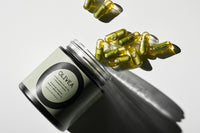
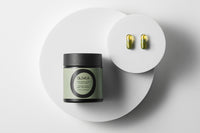
Adding ultra-high phenolic EVOO to diet could give you the benefits of longevity, heart protection, and improved vessel health. If drizzling or cooking with olive oil is challenging for you to sustain, supplements like Olivea Hydroxytyrosol Supplement delivers a standardized, clinically relevant dose in every serving. Olivea will give you the compound's full biological potential in a form that's consistent, measurable, and designed to work the way the research intended.
What Clinical Trials Actually Used
 Regulatory minimums establish safety and basic efficacy. Clinical trials tell us what doses produce measurable, meaningful benefits in real human subjects.
15 mg/day: The Most Studied Clinical Dose
A 2025 randomized, double-blind, placebo-controlled trial assigned 15mg/day of hydroxytyrosol to overweight, prediabetic adults for 16 weeks. The results:
-
Significant reduction in oxidative stress markers (8-isoprostane, malondialdehyde)
-
Reduced inflammatory cytokines (IL-6, TNF-alpha)
-
Improved total antioxidant capacity (FRAP)
-
No adverse effects reported in any participant
This study is notable because it used a clinically meaningful population (overweight adults with prediabetes) and a pre-registered, blinded design — the gold standard for supplement research.
5-10 mg/day: General Health Maintenance
A systematic review of randomized controlled trials analyzed 12 human intervention studies on olive oil polyphenols including hydroxytyrosol. Studies using 5-10mg/day consistently showed the following results, improving cardiometabolic, bone and joint, and cognitive health:
-
Reduced LDL oxidation within 4-8 weeks
-
Improved endothelial function
-
Modest but consistent reductions in inflammatory markers
20–50 mg/day: Population-Scale Evidence
The most compelling evidence at higher intakes comes from the PREDIMED trial, one of the largest and longest-running dietary intervention studies ever conducted.
Participants consuming approximately four tablespoons of extra-virgin olive oil daily, delivering an estimated 20–50mg of total polyphenols, including meaningful hydroxytyrosol derivatives, showed a 30% reduction in major cardiovascular events over five years. Those in the highest polyphenol intake saw a 37% reduction in all-cause mortality.
Sustained improvements in blood pressure, lipid profiles, and inflammatory markers accompanied these outcomes throughout the study period. At these intake levels, effects on endothelial function and oxidative stress also became consistently measurable, not as isolated signals, but as part of a coherent, dose-driven biological response.
Getting Hydroxytyrosol from Food vs. Supplements
 The honest reality: getting therapeutic doses of hydroxytyrosol from food alone is challenging for most people.
|
Source |
Hydroxytyrosol Content |
Daily Amount for 5mg |
Daily Amount for 15mg |
|
Standard EVOO (100-200 mg/kg) |
~1-2 mg per tablespoon |
2-5 tablespoons |
7-15 tablespoons (impractical) |
|
Quality EVOO (300-500 mg/kg) |
~3-5 mg per tablespoon |
1-2 tablespoons |
3-5 tablespoons |
|
High-Phenolic EVOO (600-900 mg/kg) |
~7-10 mg per tablespoon |
Under 1 tablespoon |
1.5-2 tablespoons |
|
Olivea Ultra-High Phenolic EVOO (900+ mg/kg) |
13.5mg+ per tablespoon |
< 0.5 tablespoon |
~1 tablespoon |
|
Olivea EVOO + Hydroxytyrosol Capsule |
Concentrated, precise dose |
1 capsule (as directed) |
Dosing per label |
|
Olives (whole, typical) |
~5-10 mg per 100g |
~50g (moderate serving) |
~150g (large serving) |
|
Olive leaf tea |
~2-5 mg per cup |
1-3 cups |
3-8 cups |
The takeaway: high-phenolic EVOO makes daily therapeutic dosing practical from food alone. Standard olive oil does not.
But even for those with access to high-phenolic oil, consistency is its own challenge. Measuring daily servings, managing an open bottle before it oxidizes, or committing to a daily shot indefinitely. A supplement removes all of that friction. Olivea's Hydroxytyrosol Supplement delivers a precise, verified dose in a single capsule — same compound, same clinical potential, none of the routine.
Bioavailability: How Well Does Hydroxytyrosol Absorb?
 Pharmacokinetic research shows hydroxytyrosol is highly bioavailable. A study in 2023 found that dietary hydroxytyrosol from food supplements reaches peak plasma concentrations within 30-60 minutes of ingestion, with bioavailability increasing proportionally with dose.
Key bioavailability factors:
-
Take with fat: Hydroxytyrosol is fat-soluble. Absorption improves when taken with a meal containing healthy fats, which is naturally the case when consuming it from olive oil.
-
Avoid antacids: Alkaline pH reduces absorption. Avoid taking high-dose supplements with antacids.
-
Consistent daily dosing: Unlike some compounds, hydroxytyrosol's benefits appear to require sustained daily intake. Don't treat it as an occasional supplement.
-
Natural food matrix: Hydroxytyrosol appears to absorb well in its natural food matrix (olive oil) due to synergistic effects with other polyphenols and the oil itself.
Hydroxytyrosol crosses the blood-brain barrier — a property that distinguishes it from most antioxidants, which act only peripherally, and underlies its documented neuroprotective effects. But barrier crossing depends on the compound actually reaching circulation intact. Olivea Hydroxytyrosol Supplement has a capsule-in-capsule design engineered precisely for this: protecting hydroxytyrosol through digestion and optimizing absorption before release, so more of what you take reaches the tissues where it matters most.
How to Evaluate a Hydroxytyrosol Supplement
 If you're considering a hydroxytyrosol supplement, these criteria separate effective products from products that are more marketing than substance:
1. Stated Hydroxytyrosol Content
The label should specify the actual milligrams of hydroxytyrosol per serving, not just 'olive polyphenol complex' or 'olive extract.' If the milligram content of hydroxytyrosol specifically isn't listed, you have no way to evaluate whether you're reaching a therapeutic dose. This is a red flag.
2. Third-Party Lab Testing
Polyphenol content in supplements can vary significantly from label claims without independent verification. Look for supplements with certificates of analysis (COAs) from accredited third-party labs (e.g., NSF, USP, or ISO-certified laboratories). The COA should confirm hydroxytyrosol content specifically.
3. Source and Processing
The best hydroxytyrosol supplements source from high-phenolic EVOO or olive mill water, processed to concentrate and standardize polyphenol content, preserving the full natural polyphenol matrix rather than relying on an isolated synthetic compound. That distinction matters because hydroxytyrosol doesn't act alone; its activity is amplified by the broader phenolic compounds it naturally occurs alongside. Olivea Hydroxytyrosol Supplement is built on exactly this principle, using its high-phenolic EVOO base as the source to ensure nothing is lost in the process.
4. Dose Per Serving
Based on clinical evidence, aim for at least 5mg per serving for basic cardiovascular protection, and 15mg per serving for broader anti-inflammatory and antioxidant benefits. Anything below 5mg per serving is unlikely to produce meaningful clinical effect.
5. Manufacturer Transparency
Medical or physician-developed formulations that publish their research basis, sourcing details, and lab results command higher confidence. They are relatively rare in the supplement industry. Olivea stands in that category: developed and recommended by cardiologists, its formulation is grounded in the same clinical research outlined throughout this guide, with transparent sourcing and third-party verified results to back every claim.
Hydroxytyrosol Dosage Safety: What You Need to Know
 Hydroxytyrosol has an excellent safety profile across all studied doses.
-
FDA GRAS status: The FDA has determined that hydroxytyrosol is Generally Recognized As Safe based on a comprehensive review of animal and human data.
-
Upper limit tested: Human studies have tested doses up to 100mg/day without adverse events. No established upper tolerable limit has been set because toxicity hasn't been demonstrated at studied doses.
-
Typical effective range: 5-20mg/day covers the full range from EFSA minimum to clinical evidence for broader benefits.
-
Mild GI effects at high doses: A small number of individuals report mild nausea or stomach discomfort at doses significantly above 20mg when taken on an empty stomach. Taking with food eliminates this for most people.
-
Drug interactions: Hydroxytyrosol's anti-inflammatory and antioxidant effects may theoretically interact with anticoagulant medications or NSAIDs. Consult your physician if you take regular medications.
-
Pregnancy and nursing: Insufficient data exists for pregnant or nursing women. Consult your healthcare provider before use.
When and How to Take Hydroxytyrosol
 There is no single optimal time of day for hydroxytyrosol based on current evidence. However, practical guidance based on pharmacokinetics:
-
With a meal: Taking hydroxytyrosol with food, especially a meal containing fat, improves absorption and reduces any GI sensitivity. If using EVOO as your source, this is naturally the case.
-
Consistent daily timing: Antioxidant protection operates continuously. Daily consistent intake is more important than timing. If you prefer morning with breakfast or evening with dinner, consistency matters more than the specific time.
-
Not with antacids or high-alkaline supplements: Alkaline conditions reduce absorption. Separate from antacids by 2 hours if needed.
-
Split dosing at higher amounts: If taking 20mg+ per day, split into two doses with meals to maintain more stable plasma levels throughout the day.
Frequently Asked Questions: Hydroxytyrosol Dosage
 What is the recommended daily dose of hydroxytyrosol?
The EFSA-established minimum for cardiovascular LDL protection is 5mg per day. Clinical trials demonstrating broader anti-inflammatory and antioxidant benefits have used 15mg per day. Most experts consider the 5-20mg range appropriate for general health maintenance, with 15mg representing a well-studied effective dose. Olivea Hydroxytyrosol Supplement is calibrated precisely within this range, not at the minimum threshold, but at the level where the research consistently shows meaningful, measurable results.
How much hydroxytyrosol is in olive oil?
This varies enormously. Standard commercial EVOO contains roughly 1-3mg per tablespoon. High-phenolic EVOO (600-900+ mg/kg) provides 7-13.5mg per tablespoon. Most people using standard olive oil do not reach the EFSA minimum of 5mg/day from olive oil alone unless they're consuming multiple tablespoons of quality EVOO. Olivea's Ultra High Phenolic EVOO, at 900+ mg/kg, clears that threshold in a single daily tablespoon, and for those who prefer a refined everyday oil, Olivea's Premium Organic EVOO delivers meaningful polyphenol content without compromising on taste or culinary versatility.
Is 5mg of hydroxytyrosol per day enough?
5mg is the EFSA-approved minimum specifically for LDL oxidation protection. For broader benefits, reduced systemic inflammation, antioxidant support, cognitive protection , clinical evidence points to 15mg/day as more effective. 5mg is a floor, not a ceiling.
What happens if you take too much hydroxytyrosol?
Human studies have tested up to 100mg/day without adverse effects. The FDA has classified hydroxytyrosol as GRAS. At very high doses (significantly above 20mg on an empty stomach), some people experience mild GI discomfort. Taking with food eliminates this for most individuals. No serious adverse effects have been documented in the published literature.
Olivea Hydroxytyrosol Supplement has a capsule-in-capsule design that addresses this directly: by controlling the timing and site of release, it minimizes any digestive sensitivity while ensuring the compound is absorbed where bioavailability is highest.
Is it better to get hydroxytyrosol from olive oil or supplements?
Both can be effective with the right sources. High-phenolic EVOO (600-900+ mg/kg) delivers therapeutic doses in practical amounts and provides the full natural polyphenol matrix. Olivea Ultra High Phenolic EVOO and Olivea Premium Organic EVOO deliver these therapeutic doses exactly as nature intended. Supplements offer precise dosing and convenience. Olivea's EVOO and Hydroxytyrosol supplement uses a high-phenolic EVOO base, combining the natural matrix benefits with supplement-level precision.
How long does it take for hydroxytyrosol to work?
Plasma levels peak within 30-60 minutes of ingestion. The 2025 clinical trial measuring inflammatory and antioxidant markers found significant changes after 16 weeks of daily 15mg supplementation. Acute effects on LDL oxidation have been measured within days to weeks of consistent consumption.
Does hydroxytyrosol have any drug interactions?
Hydroxytyrosol's anti-inflammatory effects may theoretically enhance or interact with NSAID medications and anticoagulants. No serious interactions have been documented in clinical trials, but you should consult your physician if you take regular medications, particularly blood thinners or anti-inflammatory drugs.
Can I take hydroxytyrosol every day long-term?
Yes, daily consistent intake is the intended and studied use pattern. Mediterranean populations have consumed hydroxytyrosol through olive oil daily for millennia. Clinical trials demonstrating benefits have used daily supplementation for 8-16 weeks without safety concerns. Long-term daily use at 5-20mg is considered safe.
What's the difference between hydroxytyrosol and oleuropein?
Both are olive polyphenols. Oleuropein is found in higher concentrations in olive leaves and unripe olives. Hydroxytyrosol is the primary polyphenol in ripe olives and EVOO, and is considered more bioavailable and biologically potent. EFSA's health claim applies specifically to hydroxytyrosol and its derivatives.
Is hydroxytyrosol from high-phenolic EVOO better than synthetic?
Most evidence uses natural hydroxytyrosol from olive sources. Natural extracts contain the full polyphenol matrix with synergistic compounds (tyrosol, oleocanthal, oleuropein) that may enhance bioavailability and biological activity. Synthetic isolates haven't been independently studied with the same depth as natural olive-derived hydroxytyrosol.
Does temperature affect hydroxytyrosol absorption?
High cooking temperatures degrade hydroxytyrosol. EVOO used for cooking above 175°C loses significant polyphenol content. For maximum hydroxytyrosol intake, consume high-phenolic EVOO raw (on salads, bread, or drizzled post-cooking) or take it in supplement form.
Can hydroxytyrosol help with inflammation?
Yes, this is one of hydroxytyrosol's most studied mechanisms. It inhibits COX-2 enzymes and reduces pro-inflammatory cytokines (IL-6, TNF-alpha, NF-kB). The 2025 RCT using 15mg/day demonstrated significant reductions in inflammatory biomarkers after 16 weeks, the same clinically relevant dose found and achievable daily through Olivea Hydroxytyrosol Supplement.Olivea's science page summarizes the clinical evidence base.
The Practical Hydroxytyrosol Dosage Framework
 Here's what the science says, distilled:
-
5mg/day minimum: Validated by EFSA for LDL oxidation protection. Achievable with 1-2 tablespoons of high-phenolic EVOO, but not standard olive oil.
-
15mg/day: The dose with the strongest clinical evidence for anti-inflammatory and antioxidant benefits in humans. Achievable with 1-2 tablespoons of ultra-high-phenolic EVOO or a targeted supplement.
-
20mg/day: The higher end of general supplementation range, appropriate for those targeting cognitive or metabolic benefits specifically. Well within safe limits.
-
100mg/day: Maximum studied in human trials without adverse events. Represents a significant safety margin above typical supplementation doses.
The common thread: most supermarket olive oils, including many labeled 'extra virgin,’ don't deliver the hydroxytyrosol content needed to hit even the EFSA minimum at typical consumption levels. High-phenolic EVOO and quality supplements change that calculation.
Meet Nutrition With Clinical Precision
 Hydroxytyrosol is one of the most rigorously studied plant compounds in modern medicine, with documented effects on cardiovascular protection, cognitive resilience, cellular aging, and inflammation. These aren't marginal benefits. They are measurable, threshold-dependent, and backed by decades of clinical research. The only question is whether your daily intake is actually reaching the level that makes them achievable.
With Olivea, it is. Olivea Ultra-High Phenolic EVOO, 900+ mg/kg polyphenols, early-harvest Koroneiki olives from Messinia, Greece, third-party lab verified, delivers a therapeutic dose through a single daily tablespoon, without sacrificing the culinary experience.
Taking olive oil to achieve the science-backed dosage could be challenging to sustain. For easy incorporation into your diet, it helps to choose the best tasting choice with optimal dose. That’s why Olivea Premium Organic EVOO was create. With over 600 mg/kg of polyphenols, it gives those who don’t want to sacrifice taste in achieving overall vascular protection.
For those who want precision without the routine, Olivea Hydroxytyrosol Supplement provides a standardized, clinically relevant dose in one capsule, developed by a physician-led team and built on the same high-phenolic EVOO base.
The research is clear. The dose matters. Olivea is built to deliver it.
Disclaimer: This article is for informational purposes only and is not intended to diagnose, treat, cure, or prevent any disease. These statements have not been evaluated by the Food and Drug Administration. Consult your healthcare provider before starting any supplement regimen, especially if you are pregnant, nursing, taking medication, or have a medical condition.
