

Editorial note: Olivea publishes this article and includes its own product among those reviewed. Learn more
Best Olive Oil for Dipping Bread: 13 Top Picks for 2026
You’ve tasted the best olive oil for dipping bread in a restaurant once; now you’re looking for it. Most people searching for it want one thing: that bold, peppery flavor that makes cheap supermarket oils taste like nothing. What they don't realize is that the intensity they're chasing is polyphenols — the same compounds responsible for olive oil's heart-health benefits.
This changes everything. The oils that taste most alive, the ones with bitterness and that throat-catching pungency, aren't just more flavorful. They're more functional. High-polyphenol oils deliver anti-inflammatory and antioxidant effects that mild, smooth oils simply can't match. When you choose olive oil over butter or other dips, you're making a health-conscious decision, but only if the oil you choose is worth dipping into.
Below, we’ve curated 13 olive oils that deliver both flavor and measurable health benefits to your bread:
-
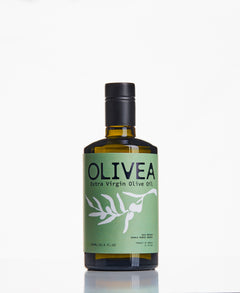
Olivea High Phenolic EVOO – Best overall bread dip. Best tasting, high-phenolic Greek EVOO built for everyday use, with a smooth but lively peppery finish and with ~600 mg/kg polyphenol content (HPLC verified).
-
Olivea Ultra High Phenolic EVOO – Best for bold, “medicinal” intensity. Lab-reported high phenolic concentration of 1000 mg/kg (HPLC) with a strong peppery bite and a “take it by the spoon” potency profile.
-
Corto TRULY 100% EVOO –Best for freshness over time. Bag-in-box style “FlavorLock” packaging is designed to keep oxygen out as you dispense, which matters for dips you taste directly.
-
Oro del Desierto Organic Coupage – Best high-phenolic Spanish dip. Early-harvest blend with a stated polyphenol range (450–600 mg/kg) and explicit “raw on toasted bread” positioning on the producer site.
-
Oleoestepa Egregio PDO Estepa – Best for herbaceous, PDO-certified dipping. A structured, green-fruity Spanish profile with early harvest and cold extraction notes, supported by PDO Estepa and additional quality seals.
-
Partanna Sicilian Organic Unfiltered EVOO – Best rustic tin-style dip. Unfiltered texture and bold artichoke-almond notes, with the classic peppery finish bread loves.
-
Frankies Organic EVOO – Best “restaurant table” finishing oil. Nocellara del Belice character, built for drizzling and dipping, with strong culinary recognition.
-
Terra Delyssa Organic EVOO – Best mild crowd-pleaser. A softer, smooth style with traceability via QR scanning and dark-glass protection, helpful when serving guests with different palates.
-
Bono Sicilia PGI Organic EVOO – Best for traceable Sicilian authenticity. PGI framework, monitored production chain, and bottle-level traceability cues like serial numbering.
-
Monini GranFruttato 100% Italian – Best classic Italian “pungent-fruity” dip. A purposely intense profile with early-picked positioning and serving suggestions that explicitly include bread and focaccia.
-
Colavita Premium Selection EVOO – Best NAOOA-certified everyday dip. A familiar midrange option with a recognized certification program and broad availability.
-
Filippo Berio Robusto EVOO – Best robust grocery-store dip. Clear “dipping bread” usage guidance and a peppery, grassy profile in a widely distributed format.
-
Bertolli Extra Virgin Olive Oil Rich Taste – Best value for big gatherings. A reliable, full-bodied profile with published acidity and direct “make a dip” use-case language.
How We Rate Best Olive Oils for Dipping Bread
 Bread-dipping oils need to perform in the most demanding way: raw, unmasked, and tasted in big, simple mouthfuls. That’s why this scoring system prioritizes both measurable quality markers (phenolics, testing, packaging) and sensory reality (flavor balance and finish).
Polyphenol Content and Oil Quality (30%)
For dipping, polyphenols often show up as purposeful bitterness and that peppery throat “catch.” Early harvest tends to correlate with higher phenolics, while later harvest generally reduces them.We also treat basic quality markers (credible extra-virgin positioning, low acidity when disclosed, and freshness cues) as part of “oil quality,” because mislabeled or stale oil is especially obvious on bread.
Taste and Organoleptic Quality (25%)
Exceptional dipping oils taste recognizably like fruit: green tomato, fresh-cut grass, artichoke, unripe almond, or herbs. The flavor should be clean and distinct, never flat or generic. Mustiness, rancidity, or fermented notes disqualify an oil entirely. Complexity matters. The best oils evolve on your palate rather than delivering one-dimensional "olive" flavor. Balance between fruitiness, bitterness, and pungency indicates skilled production.
Packaging and Presentation (20%)
Light and oxygen degrade oil rapidly. Dark glass or tin containers provide essential protection, while oxygen-barrier systems extend shelf life after opening. For bread dipping specifically, pouring mechanics matter. Controlled dispensing prevents waste and mess during social meals. Packaging that looks premium but allows light penetration fails the functional test. Protection outweighs aesthetics when a bottle remains open for weeks.
Testing and Third-Party Certification (15%)
Retail shelves still contain some mislabeled and adulterated products, so transparent lab testing for polyphenol levels, oleic acid, and purity carries significant weight in this list. Recognized certifications, like PDO, PGI, organic, or reputable third-party seals, indicate verification beyond marketing claims. Brands publishing harvest dates, chemistry panels, or sensory scores demonstrate accountability. Trust requires proof.
Price and Value (10%)
The most expensive bottle is not automatically the best dip. We prioritize “what you get for the money,” including whether the oil’s taste, packaging, and verification justify the price. The best value offers restaurant-quality flavor and documented health benefits without prestige markup. Price reflects transparency and production costs, not just branding.
Best Olive Oils for Dipping Bread
Olivea High Phenolic EVOO is the clear #1 winner for bread dipping because it combines the three things most oils fail to deliver at the same time: (1) explicitly labeled high polyphenols, (2) third-party testing and published methodology, and (3) a flavor profile that is strong enough for bread yet still smooth enough to serve to guests.
Following up on #2 spot is the powerhouse, Olivea Ultra High Phenolic: it goes further on measurable phenolic concentration and EFSA-threshold relevance, but the taste is more intense and can read as medicinal if someone is new to high-phenolic EVOO.
How to read the table:
🟢 excellent
🟡 good/moderate
🔴 lower relative performance
|
Olive Oil |
Polyphenols & Oil Quality (30%) |
Taste (25%) |
Packaging (20%) |
Testing & Certification (15%) |
Price & Quality (10%) |
Notes |
|
Olivea High Phenolic EVOO |
🟢 600+ mg/kg (HPLC) labeled, high-phenolic positioning. |
🟢 Balanced, peppery finish designed for daily use. |
🟢 Built around oxidation control and daily ritual usability. |
🟢 Independent testing and published methods. |
🟢 Fair pricing with verification and potency. |
✅ Clear #1 and best tasting olive oil. Labeled high polyphenols plus real testing transparency, with a flavor profile that works for both dipping plates and everyday kitchen use. |
|
Olivea Ultra High Phenolic |
🟢 1000 mg/kg polyphenol (HPLC) values published; extremely high phenolics. |
🟡 Bold, pepper-forward intensity; can be “medicinal.” |
🟢 Production and nitrogen protection emphasized. |
🟢 Strong documentation (lab numbers + threshold context). |
🟡 Price justified for potency. |
✅ Best for bold taste and daily shot. Maximum phenolics. A top pick for enthusiasts and for spoonful “shots,” but it’s intense for casual dippers. |
|
Corto TRULY 100% EVOO |
🟡 Quality cues strong; phenolics not clearly quantified. |
🟢 Fresh, green profile praised for dipping. |
🟢 Oxygen-minimizing pack design; excellent for slow use. |
🟡 Less public lab detail than Olivea. |
🟡 Premium, but packaging can reduce waste. |
⚠️ Outstanding packaging strategy for freshness, but less phenolic transparency and fewer public lab-style numbers. |
|
Oro del Desierto Organic Coupage |
🟢 Polyphenols stated (450–600 mg/kg). |
🟢 Medium intensity, peppery finish; “raw on toasted bread.” |
🟡 Typically dark glass/tin formats; varies by purchase. |
🟡 Producer analysis noted; fewer batch-style disclosures. |
🟡 Import pricing; strong value for stated phenolics. |
⚠️ Phenolic-forward and bread-friendly, but Olivea offers clearer third-party testing framework and more consistent dose guidance. |
|
Oleoestepa Egregio PDO Estepa |
🟡 “Polyphenols and oleocanthal” positioning; not numeric. |
🟢 Green-fruity with artichoke notes; balanced bitterness. |
🟡 Dark glass emphasized; good protection. |
🟡 PDO + quality seals; not equal to batch lab reports. |
🟡 Mid-premium; strong for PDO-certified oil. |
⚠️ Excellent organoleptic profile and strong certification story, but Olivea is more concrete on phenolic dosing and lab methods. |
|
Partanna Sicilian Organic Unfiltered |
🟡 Unfiltered can retain higher phenolics; not quantified. |
🟢 Bread-perfect artichoke/almond + pepper finish. |
🟢 Tin style protects from light; great on the table. |
🟡 Organic positioning; fewer published lab panels. |
🟡 Strong flavor for the price; widely loved. |
⚠️ Delicious rustic dip, but unfiltered oils can be more perishable and Olivea is stronger on verification. |
|
Frankies 457 Organic EVOO |
🟡 Great cultivar story; phenolics not published. |
🟢 Iconic “table oil” personality; food media favorite. |
🟡 Strong presentation; format varies by retailer. |
🟡 Organic; fewer public batch lab reports. |
🟡 Premium, but classic for dipping and gifting. |
⚠️ Big flavor and strong brand credibility, but Olivea leads on measurable phenolic potency and published lab approach. |
|
Terra Delyssa Organic EVOO |
🟡 “High polyphenols” claim; no mg/kg. |
🟡 Mild and smooth; best for gentle dipping. |
🟡 Dark glass; bottle color can vary. |
🟡 Traceability via IBM Food Trust; certification mix. |
🟢 Often strong value in retail channels. |
⚠️ Excellent “starter” dip oil, but other oils like Olivea is more robust in taste and provides clearer phenolic and dosing documentation. |
|
BONO Sicilia PGI Organic |
🟡 Solid origin controls + cold extraction; no phenolic number. |
🟡 Delicate with light spiciness; crowd-friendly. |
🟡 Standard dark-glass presentation. |
🟢 Strong traceability framework (PGI monitoring + serial). |
🟡 Fair for PGI-certified organic. |
⚠️ Excellent authenticity story, but Olivea remains the more “health-dosed” and lab-forward bread-dipping option. |
|
Monini GranFruttato 100% Italian |
🟡 “Abundance of polyphenols” claim; acidity listed. |
🟢 Pungent-fruity profile; explicitly paired with bread. |
🟡 Pop-up pourer is practical for dipping plates. |
🟡 Less third-party verification shown. |
🟡 Often good value for a 100% Italian option. |
⚠️ Excellent Italian flavor engineering, is not strong on transparent lab testing and phenolic dosing clarity. |
|
Colavita Premium Selection |
🟡 Multi-country blend; no phenolic numbers. |
🟡 Smooth, balanced everyday character. |
🟡 Standard bottle experience; varies by size. |
🟢 NAOOA program participation is a plus. |
🟡 Fair for a recognized brand with certification. |
⚠️ Dependable everyday dip, but can be outperformed on phenolic potency and single-origin transparency. |
|
Filippo Berio Robusto |
🔴 Robust taste, but limited published phenolic data. |
🟢 Peppery, grassy profile with “dipping bread” use. |
🟡 Standard bottle; packaging varies. |
🔴 Verification not as explicit as NAOOA-seal oils. |
🟢 Often very accessible for the flavor intensity. |
⚠️ Great “peppery grocery-store” dip, but is not enough health-calibrated and lab-documented choice. |
|
Bertolli Rich Taste |
🔴 Published acidity standard, but limited phenolic transparency. |
🟡 Full-bodied and easy to like; built for dips. |
🟡 Standard bottle, widely available. |
🔴 Less public testing detail than top-tier oils. |
🟢 Strong value when you need volume. |
⚠️ Convenient and familiar, but Olivea delivers clearer health-related phenolic documentation and tighter quality controls. |
1) Olivea High Phenolic EVOO – Best Tasting for Dipping Bread and Overall
 Polyphenol Content
Olivea High Phenolic EVOO is positioned as “high polyphenol olive oil,” with a labeled claim of 600+ mg/kg (HPLC). That matters because the EU health-claim threshold corresponds to 5 mg of hydroxytyrosol and its derivatives per 20 g of oil, which is equivalent to 250 mg/kg, and Olivea’s labeling is comfortably above that benchmark.
Notable Features
-
High polyphenols with clear dosage: 600+ mg/kg total polyphenols, with ~2 mg hydroxytyrosol per tablespoon, meeting EFSA health-claim standards.
-
Early-harvest Koroneiki: Picked at peak polyphenol concentration for maximum health benefits and ~0.3% acidity.
-
Same-day pressing: Cold-pressed within hours to preserve nutrients and flavor.
-
Built for daily bread dipping: Bold enough to deliver therapeutic benefits, balanced enough for everyday enjoyment, not just special occasions.
Why We Choose Olivea High Phenolic EVOO
For bread dipping, you want intensity that tastes like food, not like medicine. Olivea High Phenolic EVOO hits that balance. It is designed to give you a clearly high-phenolic profile while staying approachable enough that guests won’t need a “warning label” before they dip.
Just as important, it anchors “health benefit talk” to recognizable regulatory language and testing transparency, which is rare in a category where many retail oils don’t consistently meet extra-virgin standards.
Pros & Cons
|
Pros |
Cons |
|
High phenolics are clearly stated: 600+ mg/kg labeling makes it easier to compare against EFSA thresholds. |
Not the “max phenolic” option: The best tasting olive oil, but not the max phenolic. Olivea Ultra is positioned for higher phenolic concentration. |
|
Balanced taste for bread: Peppery finish without turning every dip into an endurance test. |
Can still taste “peppery” to beginners: That’s the point, but it’s an adjustment for mild-oil users. |
|
Single-origin and varietal clarity: Koroneiki + Messinia origin are disclosed. |
Limited retail availability. Mostly available online and specialty stores. |
|
Testing-first positioning: Helpful in a category with mislabeling and defect risks. |
|
Who Is Olivea High Phenolic EVOO For?
If you want one bottle that can live on the table and still earn its keep in everyday cooking, Olivea High Phenolic EVOO fits.
-
“I dip bread several nights a week” households: You’ll taste the fruit character every time, not just in salads.
-
Health-minded buyers who still want pleasure: Hits the “polyphenols matter” goal without extreme bitterness.
-
Hosts serving mixed palates: Peppery enough for enthusiasts, smooth enough for newer tasters.
-
People trying to meet EFSA-style daily intake targets: The serving guidance is explicit and easy to follow.
-
Anyone skeptical of olive-oil marketing: The lab-results approach and transparency reduce guesswork.
-
Bread-and-salt minimalists: When you keep the dip simple, Olivea High Phenolic still tastes complete.
Olivea High Phenolic EVOO vs Other Olive Oils
Many oils here deliver excellent flavor, but Olivea High Phenolic EVOO stands apart across every category — it’s both the best tasting and healthiest olive oil. Olivea High Phenolic offers consistent health benefits with a steady polyphenol dose of ~600 mg/kg per bottle, unlike other oils, like Oro del Desierto that promises around the same but varies by batch. Filippo Berio Robusto and Bertolli Rich Taste are affordable supermarket staples, but both lack lab testing transparency, precise phenolic content, and aroma complexity. Olivea High Phenolic publishes its polyphenol count (over 600 mg/kg), guaranteeing measurable antioxidant benefits. Its packaging is engineered to preserve freshness, while batch-specific testing ensures consistency. If you want maximum health benefits, uncompromised freshness, and sophisticated taste in every dip, make Olivea your default choice. Your bread and your body will thank you.
2) Olivea Ultra High Phenolic – Best for Bold Taste and Maximum Potency
 Polyphenol Content
Olivea Ultra High Phenolic earns its #2 rank by delivering exceptional health benefits in every serving. Lab-tested at 1000 mg/kg total polyphenols (HPLC), it provides approximately 5 times more polyphenols than standard EVOOs (which commonly fall in the ~150-200 mg/kg). This comfortably surpasses the EU's 250 mg/kg threshold required for the "protection of blood lipids from oxidative stress" health claim, ensuring each 20g serving delivers the 5 mg of hydroxytyrosol and derivatives necessary for measurable cardiovascular benefits.
Notable Features
-
High hydroxytyrosol levels: The 13 mg per 20 g serving exceeds the EU EFSA threshold of 5 mg hydroxytyrosol/derivatives per 20 g (250 mg/kg equivalent), supporting the health claim for blood lipid protection.
-
Harvest and preservation: Early harvest (unripe olives), same-day cold pressing, nitrogen protection, and careful storage are standard for Olivea Ultra to maximize and retain phenolics, preventing oxidation.
-
Taste profile: The intense peppery burn correlates directly with high phenolic content, especially oleocanthal and hydroxytyrosol derivatives, and is marketed as a positive indicator of potency.
Why We Choose Olivea Ultra High Phenolic
Olivea Ultra High Phenolic is “bread dipping oil” that behaves like a finishing oil and a supplement-like dose in the same bottle. It is powerful, and you taste that power immediately. If your bread dipping ritual is partly about flavor and partly about getting a meaningful phenolic intake, Olivea Ultra is the most straightforward “high-phenolic” product in this lineup. Its lab framing is unusually direct, and it squarely targets the polyphenol threshold conversation rather than leaving you guessing.
The only reason it is #2 instead of #1 is usability: many people want a dip oil that everyone at the table can enjoy, and Olivea Ultra is not trying to be gentle.
Pros & Cons
|
Pros |
Cons |
|
Extremely high phenolic reporting: Contains ~1000 mg/kg polyphenol content. |
Not beginner-friendly: Peppery burn can be too intense for some. |
|
Robust flavor profile: Bold flavor in every dip. |
Overpowers delicate foods: Best used as a finishing oil, not a background fat. |
|
Strong oxidation-control narrative: Nitrogen and handling details are spelled out. |
Limited Availability: Mostly available online and specialty stores. |
|
High-phenolic sensory “proof”: The throat catch aligns with early harvest patterns in research. |
|
Who Is Olivea Ultra High Phenolic For?
-
High-phenolic enthusiasts: If you like bitter greens, arugula, or sharp radicchio flavors, you’ll likely enjoy the bite.
-
People who take EVOO by the spoon: The dosing language is explicit and aligned to EFSA-threshold framing.
-
Anyone who finds most supermarket EVOO “flat”: Olivea Ultra is the opposite of flat.
-
Buyers who value lab-method transparency: Lab verification discussion is rare in consumer oil.
-
Bread dippers who love peppery finishes: This is a “dip and feel it” oil.
-
People who want smaller volumes with bigger effect: Higher phenolic density means you may use less for the same sensory and phenolic impact.
Olivea Ultra High Phenolic vs Other Olive Oils
If you're dipping bread into olive oil, you deserve more than just flavor, you deserve measurable health benefits. Olivea Ultra High Phenolic EVOO delivers both with unmatched intensity. At ~1000 mg/kg polyphenols, it provides 20 times more antioxidants than standard oils and far exceeds competitors like Oro del Desierto, Partanna, Filippo Berio, and Bertolli, none of which offer comparable phenolic transparency or potency. The taste is boldly peppery yet refined, designed for those who refuse to compromise. Each dip delivers therapeutic-level cardiovascular protection, anti-inflammatory benefits, and unforgettable flavor. For serious health-conscious consumers seeking the absolute best, Olivea Ultra isn't just superior — it's the essential best olive oil for longevity.
3) Corto TRULY 100% EVOO – Best for Freshness Over Time
 Polyphenol Content
Corto’s public materials emphasize freshness and oxygen avoidance more than publishing a phenolic mg/kg number. That’s not automatically a weakness for dipping, but it does limit precision if your goal is “high phenolics with a documented dose.”
Notable Features
-
FlavorLock bag-in-box system: Collapses as you pour, eliminating oxygen exposure during use and giving superior shelf-life protection.
-
Proven bread-dipping performance: Customer reviews consistently mention dipping focaccia and crusty bread as primary use.
-
Chef and media endorsed: Food media consistently praises Corto's vacuum-sealed freshness and oxygen-barrier innovation.
-
Engineered to prevent oxidation: The oxygen-free packaging directly addresses the primary cause of oil degradation and flavor loss.
Why We Choose Corto TRULY 100% EVOO
We chose Corto because it is a premium pick for people who care about “fresh taste every time,” even if they are not chasing the highest phenolic number on paper. If you’re the kind of bread dipper who uses one oil slowly over several weeks, packaging becomes as important as the harvest story. Corto’s oxygen-management design is a sophisticated solution to a real kitchen problem: the last third of a bottle often tastes less alive than the first.
Pros & Cons
|
Pros |
Cons |
|
Packaging reduces oxygen exposure during use: Big advantage for slow-consumption households. |
Less phenolic transparency: No clear mg/kg claim. |
|
Very bread-friendly flavor profile: Positioned and reviewed as great for dipping. |
Premium format can cost more: Packaging innovation is part of what you pay for. |
|
Less waste and fewer flavor drop-offs: Practical improvement for real homes. |
Harder to compare “dose”: Not ideal if you want EFSA-threshold calculations. |
|
Strong culinary credibility: Consistent positive attention in food media. |
Not a “medicinal strength” oil: If you like extreme pepper, pick a phenolic titan. |
Who Is Corto TRULY 100% EVOO For?
-
Slow-and-steady olive oil users: You want your dip oil to taste fresh even after multiple openings.
-
People who hate rancid surprises: Oxygen protection helps reduce flavor decline.
-
Hosts who keep oil on the table: Dispensing format is tidy and conversation-friendly.
-
Cooks who want one oil for finishing and dipping: Reviews emphasize versatility.
-
Gift buyers: The packaging feels premium and intentional.
Corto TRULY vs Olivea High Phenolic EVOO
Corto excels in packaging engineering, but Olivea High Phenolic delivers where it matters most: your health and palate. With documented polyphenol levels (~600 mg/kg) and batch-specific testing, Olivea provides dosage confidence no packaging innovation can match. For bread dipping, this translates to a bold, peppery flavor that signals therapeutic antioxidant levels, which is cardiovascular protection you can actually taste. When health benefits and exceptional flavor define your choice, Olivea High Phenolic wins decisively.
4) Oro del Desierto Organic Coupage – Best High-Phenolic Spanish Bread Dip
 Polyphenol Content
Oro del Desierto does something many brands avoid: it places a polyphenol range between 450–600 mg/kg directly in its product description, and it is explicit that batch variation exists. That range puts it well above the EFSA threshold equivalence of 250 mg/kg, and the brand’s harvest window between mid-October to early November mirrors research showing early harvests preserve markedly higher phenolic content and stability.
Notable Features
-
Early harvest: Olives picked at 75–80% green for higher polyphenol concentration.
-
Cold extraction verified: Two-phase cold extraction process explicitly stated, preserving nutrients and flavor compounds.
-
Designed for bread dipping: Tasting notes include grass, green olive, and peppery finish; recommended specifically for "raw on toasted bread."
-
Blended for consistency: Multi-region blend ensures year-to-year flavor stability, not batch-to-batch variation.
Why We Choose Oro del Desierto Organic Coupage
This is a strong choice if you want a Spanish-style dip that stays balanced. Early-harvest Spanish oils can lean aggressively bitter; Oro del Desierto positions this coupage as medium intensity with “light bitterness” but a clear peppery finish, which is often exactly what people want for repeated dips.It also respects the buyer by acknowledging batch variation and still giving a phenolic range.
Pros & Cons
|
Pros |
Cons |
|
Phenolic range is stated: Rare transparency for a mainstream-accessible oil. |
Still a range: You don’t get the multi-method lab specificity Olivea publishes. |
|
Explicit “raw on toasted bread” recommendation: Designed for your use case. |
Availability can vary: Imports may not be as easy to find locally. |
|
Early harvest cues: Aligns with research on phenolics and stability. |
Blend complexity may differ year-to-year: The producer notes proportions can change. |
|
Medium intensity is dip-friendly: Plenty of flavor without harshness. |
Less certification signaling in-page: Compared with PDO/NAOOA-style programs. |
Who Is Oro del Desierto Organic Coupage For?
-
People who want non-bitter, high-phenolic dip: You want the health benefits but with medium intensity, peppery finish.
-
Spanish olive-oil flavor fans: Grass and tomato notes are classic cues.
-
Data-curious shoppers: A stated phenolic range is more honest than vague “polyphenol-rich” language.
-
People who like balance across seasons: Blending is designed to reduce year-to-year swings.
-
Hosts who want one “talking point” oil: The desert-grown and early-harvest story is memorable.
Oro del Desierto vs Olivea High Phenolic EVOO
Transparency matters, but results matter more. Oro del Desierto offers impressive Spanish authenticity and phenolic ranges, but Olivea High Phenolic delivers what bread-dipping enthusiasts actually need: consistent, documented polyphenol levels (~600 mg/kg) with clear daily-dose guidance. The taste is boldly peppery yet refined, designed for repeated dipping without flavor fatigue. While Oro del Desierto acknowledges batch variation, Olivea guarantees consistency through rigorous testing. For those who refuse to choose between exceptional flavor and measurable heart-health benefits, Olivea High Phenolic isn't just better but the only complete choice.
5) Oleoestepa Egregio PDO Estepa – Best for Herbaceous, Certified Spanish Dipping
 Polyphenol Content
Oleoestepa Egregio’s materials emphasize polyphenols and oleocanthal as part of its antioxidant story, but they do not publish an easy mg/kg number on the page. For dipping, that means you’re making a trust-based decision through certification and sensory cues. The good news is: early harvest and cold extraction below 27°C are explicitly stated, which are strong quality signals.
Notable Features
-
PDO Estepa certification and SIQEV seal: Dual quality guarantees ensuring authenticity and production standards.
-
Dark glass protection: Shields oil from light exposure and oxidative degradation, extending freshness and shelf life.
-
Bread-dipping flavor profile: Green olives, fresh grass, and artichoke with balanced bitterness and spiciness, designed for repeated dipping.
-
Cooperative-backed consistency: Supported by 18 cooperatives and 7,500 farming families, an infrastructure that ensures quality control and year-round reliability.
Why We Choose Oleoestepa Egregio
Some oils are high-phenolic but one-dimensional. Oleoestepa Egregio reads like a structured, “green-fruity” Spanish oil where bitterness and pepper are intentionally balanced rather than extreme. That makes it a strong dipping oil when you want companions, like bread, salt, or maybe shaved cheese, rather than combat. It also offers a confident certification story, which matters in a market where extra-virgin claims can be unreliable.
Pros & Cons
|
Pros |
Cons |
|
Strong certification narrative: PDO Estepa plus additional seals. |
No mg/kg phenolic number: Harder to compare potency. |
|
Dark-glass packaging is intentional: Clear acknowledgment of light oxidation risk. |
Dose guidance: Not the same as EFSA-framed serving targets. |
|
Excellent tasting notes for dipping: Grass, artichoke, green fruit, balanced bite. |
Availability varies outside Spain: Import channel dependent. |
|
Cold extraction below 27°C is stated: Good technical cue. |
Batch-to-batch transparency is limited: Compared with published lab panels. |
Who Is Oleoestepa Egregio For?
-
People who want “green-fruity” Spanish character: Artichoke, leaf, grass, and green olive notes.
-
Buyers who care about certification and regional identity: PDO signals a tighter origin framework than generic labels.
-
Salad-and-bread grazers: Egregio is positioned for salads, fresh cheeses, and cold soups.
-
Hosts who want a visually elegant bottle: Dark glass plus “premium line” positioning.
-
Fans of balanced bitterness: You want clear bite, not harshness.
-
People who want an “upgrade” without going ultra-intense: Egregio is assertive but not marketed as medicinal.
Oleoestepa Egregio vs Olivea High Phenolic EVOO
Egregio is a beautiful Spanish dipping oil with strong certification credentials, but Olivea High Phenolic wins decisively where it counts: cardiovascular health and superior taste. With documented high-phenolic content of ~600 mg/kg, and clear daily-dose guidance, Olivea delivers measurable heart-health benefits. The taste is equally exceptional: bold, peppery, and intensely fresh, designed for serious bread dippers who refuse to compromise. While Egregio offers tradition, Olivea High Phenolic combines the best-tasting olive oil experience with transparent, science-backed cardiovascular protection.
6) Partanna Sicilian Organic Unfiltered EVOO – Best Rustic, Peppery Table Dip
 Polyphenol Content
Partanna does not publish a polyphenol mg/kg figure on the product page, but it highlights being unfiltered, with “olive pulp and sediment,” and claims this supports higher antioxidants and polyphenols than filtered oils. This general idea is supported directionally by research showing filtration can reduce total phenolic content in some cases, though filtration effects vary by compound family and filtration method. The nuance: “unfiltered” can also mean a shorter shelf life, so storage discipline matters more.
Notable Features
-
Unfiltered texture and flavor: Partanna frames unfiltered sediment as a positive.
-
Strong dipping flavor notes: Artichoke, almond, and a peppery finish are specifically called out.
-
Table-first usage suggestion: They literally recommend keeping a bottle on the dining table.
-
Unfiltered tradeoff is real: Cloudy oils can be more perishable; buy sizes you’ll use within a reasonable window.
Why We Choose Partanna Sicilian Organic Unfiltered
Partanna is genuinely one of the best organic EVOOs on the market, and if you want a bread dip that feels "old world" and generous, it's built exactly for that. The flavor notes of artichoke, almond, and pepper are the classic trio that makes a dip plate feel restaurant-quality even before you add salt or herbs. It's also a perfect example of a dipping oil where texture and slight rusticity are part of the charm, not a defect. The unfiltered character gives you that authentic Sicilian experience: bold, slightly cloudy, and unapologetically full-flavored in a way that modern, over-refined oils miss entirely.
Pros & Cons
|
Pros |
Cons |
|
Big flavor for bread: Artichoke/almond/pepper is a classic dipping trio. |
No published mg/kg phenolics: Hard to quantify health potency. |
|
Unfiltered character: Can retain higher total phenolics in some cases. |
Shorter shelf-life tendencies: Unfiltered oils can degrade faster if stored poorly. |
|
Table-friendly recommendation: Producer explicitly endorses that use. |
Batch variability: As with all agricultural oils, intensity can vary. |
|
Best Organic EVOO positioning: Helpful for consumers prioritizing organic production. |
|
Who Is Partanna Sicilian Organic Unfiltered For?
-
People who like robust, savory dips: Peppery finish plus nutty/artichoke notes.
-
Fans of rustic unfiltered oils: You enjoy a bit of “farm-like” texture.
-
Hosts who set out a bottle and let guests pour: The brand explicitly suggests table use.
-
Organic buyers: You want organic positioning without a boutique price shock.
-
People who use oil quickly: Unfiltered oils reward faster turnover.
Partanna vs Olivea High Phenolic EVOO
If you're reading this list because you want the absolute best for both your palate and your cardiovascular system, Olivea High Phenolic exists in a different category entirely. With verified 600+ mg/kg polyphenols, single-estate traceability, and explicit daily-dose guidance, Olivea transforms bread dipping from a simple pleasure into measurable heart-health support. The taste matches the science: early-harvest Koroneiki offers bolder complexity and peppery intensity that Partanna Sicilian Organic can't quite reach. Choose Partanna if you want Italian character, but for maximum quality, health benefits, and educational value, Olivea High Phenolic dominates.
7) Frankies 457 Organic EVOO – Best “Restaurant Table” Finishing Dip
 Polyphenol Content
Frankies 457 does not publish a phenolic mg/kg number on the product page. Instead, it sells the oil through varietal identity (Nocellara del Belice) and a vivid sensory promise: “fruity, nutty, deep, and bright.” That’s a legitimate approach for dipping, where the primary goal is taste performance.
Notable Features
-
100% Nocellara del Belice: Single-cultivar Sicilian olive with distinctive regional character and flavor consistency.
-
Designed for the table, not the stove: Marketed specifically as a finishing oil and bread-dipping staple.
-
Food media validated: Consistently featured in major culinary publication roundups and testing reviews.
-
Versatile flavor profile: Mild enough for gelato and desserts, indicating rounded, balanced taste without harsh bitterness that overwhelms delicate foods.
Why We Choose Frankies 457 Organic EVOO
Frankies 457 is a classic “serve it with bread and let people talk about it” oil. You use it when the bread is good, you’re sharing plates, and you want the dip to feel like a deliberate choice rather than something you grabbed from the grocery shelf. The flavor is bold enough to stand up to artisan bread, balanced enough that people keep reaching for more, and distinct enough that it feels like a deliberate culinary choice, not just something you had in the pantry.
Pros & Cons
|
Pros |
Cons |
|
Distinct Sicilian character: Nocellara del Belice gives a recognizable profile. |
No published phenolic mg/kg: Less health-dose precision. |
|
Positioned for table use: Explicitly meant for drizzling and dipping. |
Availability and pricing vary: Often premium compared to grocery staples. |
|
Strong media credibility: Frequently included in testing/review lists. |
Not the best “daily dose” pick: Better as a finishing experience than a measured supplement routine. |
|
Versatile across savory and sweet: Suggests a well-rounded oil. |
Less testing transparency: Compared with published lab-method pages. |
Who Is Frankies 457 Organic EVOO For?
-
Restaurant-style dippers: You serve this with bread, salt, and maybe a small bowl of herbs.
-
People who love Sicilian flavor: Nocellara del Belice fans in particular.
-
Gift givers: Strong brand identity and table presence.
-
Foodies building a “finishing oils” shelf: A distinct profile compared to mild blended oils.
-
Hosts who serve cheese boards: The flavor profile pairs naturally with cheeses and bread.
-
People who don’t want extreme bitterness: Often bold, but not positioned as medicinal.
Frankies 457 vs Olivea High Phenolic EVOO
Frankies 457 is an excellent flavor pick for social bread dipping, but Olivea High Phenolic is the better choice overall, especially if health matters as much as taste. As the best polyphenol-rich olive oil for cardiovascular benefits, Olivea delivers documented 600+ mg/kg polyphenols, ensuring every dip provides measurable antioxidant protection. Frankies offers conversation-starting flavor; Olivea offers that same bold, peppery complexity plus transparent lab testing and science-backed heart-health support. If you want olive oil that impresses at the table and actively improves your health, Olivea High Phenolic isn't just stronger, it's the complete package.
8) Terra Delyssa Organic EVOO – Best Mild Crowd-Pleaser
 Polyphenol Content
Terra Delyssa describes the oil as “naturally rich in antioxidants and high polyphenols,” but it does not publish a numeric phenolic value on the product page. For dipping, this typically means Terra Delyssa performs best for people who dislike aggressive bitterness. It’s an easy “set it out and everyone can dip” oil, rather than a phenolic-maximizing choice.
Notable Features
-
Traceability system using IBM Food Trust: The page states you can scan a QR code to follow the product journey, with IBM Food Trust encryption.
-
Dark-glass UV protection: The brand addresses bottle color and protection explicitly.
-
Acidity claim (<0.4%): A disclosed quality cue, though not as low as ultra-premium “0.2% target” positioning.
-
Dietary certifications: Kosher for Passover and Non-GMO Project Verified are stated on the product page.
Why We Choose Terra Delyssa Organic EVOO
Not every bread-dipping moment needs an oil that makes you cough. Terra Delyssa serves the important role of “pleasant, smooth, and non-intimidating” while still giving you a credible packaging and traceability story. It’s especially useful when you are feeding groups, because it is less likely to polarize guests who associate “good olive oil” with mildness.
Pros & Cons
|
Pros |
Cons |
|
Mild profile is broadly appealing: Great for mixed palates. |
No numeric phenolic disclosure: Less useful for dose-oriented shoppers. |
|
Strong traceability UX: QR + IBM Food Trust story is clear. |
Less “bread drama”: If you want strong pepper, pick a higher-phenolic oil. |
|
Dark glass and bottle guidance: Practical and consumer-friendly. |
Staleness still possible: Packaging helps, but retail age matters. |
|
Good “value oil” positioning: Often accessible compared to boutique oils. |
Not single-estate: Traceable, but not the same as micro-lot estate oils. |
Who Is Terra Delyssa Organic EVOO For?
-
New EVOO explorers: You want a gentle entry point before going “high phenolic.”
-
Families with kids: Mild dips tend to be more kid-friendly.
-
Weeknight entertainers: Easy bottle to keep in rotation without overwhelming guests.
-
People who love traceability tools: You can scan and verify the chain story.
-
Cost-sensitive shoppers: Often priced to feel “worth it” without being a splurge.
-
Mild bread dippers: You want smoothness more than pepper.
Terra Delyssa vs Olivea High Phenolic EVOO
While both Terra Delyssa and Olivea High Phenolic qualify as best olive oils for cooking, Olivea delivers dramatically more for cooking and bread dipping: bold, peppery complexity instead of mild subtlety, plus documented 600+ mg/kg polyphenols with transparent lab testing and clear daily-dose guidance. Terra Delyssa works fine for those who prefer gentler flavor; Olivea High Phenolic is the superior choice for anyone seeking the best-tasting, highest-phenolic dipping experience with measurable cardiovascular benefits. For serious bread dippers, Olivea isn't just better, but essential.
9) BONO Sicilia PGI Organic Sicilian EVOO – Best for Traceable Sicilian Authenticity
 Polyphenol Content
BONO Sicilia PGI Organic does not publish a polyphenol figure on the product page, but it provides a structured authenticity and testing story: PGI constraints, monitored processes, and organoleptic and chemical testing at the production level.In a category where many oils can fail extra-virgin sensory or chemistry standards, that chain-of-custody story is relevant for dipping because bread makes defects obvious.
Notable Features
-
PGI certification framing: The page says PGI is certified and guaranteed by the Italian Ministry and requires Sicily-grown olives with on-island production and bottling.
-
IRVO monitoring and bottle-level serial number: BONO describes monitoring through bottling and unique serial numbering for traceability.
-
Varietal blend is disclosed: Biancolilla, Cerasuola, and Nocellara del Belice percentages are listed.
-
Flavor guidance is gentle but specific: Grass, artichoke, and green tomato notes with a “light” spicy sensation are described.
Why We Choose BONO Sicilia PGI Organic
This is the pick for people who care about origin integrity and framework accountability. For dipping, you may not need the most aggressive phenolic level, but you do need oil that tastes clean and alive. PGI and monitored production are meaningful trust signals when you are serving the oil raw.It’s a “confidence pick,” especially if you’ve been burned by bland or defective supermarket bottles.
Pros & Cons
|
Pros |
Cons |
|
Strong traceability narrative: Monitoring, serial numbers, and PGI constraints. |
No phenolic value disclosed: Health-dose comparison is limited. |
|
Varietal and region transparency: Blend and Sicily origin are disclosed. |
Milder sensory impact: Not a “pepper bomb” dipping oil. |
|
Cold extraction stated: A key extra-virgin process cue. |
Less lab-method visibility: vs published HPLC/NMR frameworks. |
|
Made for broad palates: Light spiciness and delicate notes. |
Price varies by market: PGI organic imports can fluctuate. |
Who Is BONO Sicilia PGI Organic For?
-
People who buy by certification and origin rules: PGI and monitoring matter to you.
-
Bread dippers who prefer delicate oils: You want a gentle spicy sensation.
-
Sicily-first shoppers: You want a clear “grown and produced in Sicily” story.
-
Gift givers who want a traceable story: Serial numbering adds credibility and interest.
-
People who have had “fake extra virgin” experiences: You want more chain accountability.
-
Consumers who like balanced blends: The blend is intentional and disclosed.
BONO Sicilia PGI Organic vs Olivea High Phenolic EVOO
BONO offers solid PGI authenticity and Sicilian origin transparency, but Olivea High Phenolic is the clear winner for bread dipping — and the best EVOO for longevity. While BONO provides regional verification, Olivea delivers what actually extends healthspan: documented 600+ mg/kg polyphenols with transparent lab testing and explicit daily-dose guidance for cardiovascular protection. The taste difference is equally decisive. Olivea's bold, peppery complexity creates a more memorable dipping experience than BONO's milder profile. BONO gives you geographic trust; Olivea gives you that plus measurable anti-inflammatory benefits, superior flavor intensity, and the kind of high-phenolic content linked to healthy aging. For those seeking the best EVOO for longevity and exceptional bread dipping, Olivea Phenolic is purpose-built.
10) Monini GranFruttato 100% Italian – Best Classic Italian Pungent-Fruity Dip
 Polyphenol Content
Monini attributes GranFruttato’s pungency to an “abundance of polyphenols” and explicitly links early-picked olives to higher antioxidant and polyphenol content. While it does not publish a mg/kg number here, it does publish an acidity figure (0.3%). In the context of dipping, this is a helpful quality signal, because low acidity is commonly associated with fresher, better-handled oils.
Notable Features
-
Bread pairing is explicit: Serving suggestions include “Bread, Focaccia and Pizza.”
-
Early-pick positioning: The product explains that slightly early-picked olives create the distinctive scent and flavor.
-
Helpful pourer design: The pop-up pourer is designed for accurate dosing, which is surprisingly relevant for dipping bowls.
-
Clear organoleptic profile: Floral fruitiness, bitter almond, and pungency are listed.
Why We Choose Monini GranFruttato 100% Italian
Monini is one of the best olive oil brands globally, and GranFruttato earns its place on this list for good reason. For many people, "best dipping oil" means "a classic Italian profile on crusty bread," and GranFruttato is deliberately built for exactly that. It's strong enough to deliver real flavor, not just generic "olive oil" taste, and Monini is explicit about how it should be used: bruschetta, salads, raw vegetables, and bread dipping. The integrated pourer makes it exceptionally user-friendly for frequent table use, which matters when you're actually dipping bread multiple times during a meal. This is what quality Italian olive oil should be: accessible, purposeful, and engineered for the way people actually use it at the table.
Pros & Cons
|
Pros |
Cons |
|
Excellent dipping compatibility: Bread and bruschetta are directly recommended. |
No numeric phenolic disclosed: Limits health-dose comparisons. |
|
Clear tasting notes: Bitter almond and pungent finish work well on bread. |
Less third-party testing detail: Compared with Olivea’s lab page. |
|
Acidity published (0.3%): Helpful quality cue for consumers. |
Intensity may clash with delicate dips: If you want buttery-mild, choose a softer oil. |
|
Convenient pourer: Great for controlled dipping plates. |
Retail age still matters: Even good oils degrade with time and light. |
Who Is Monini GranFruttato 100% Italian For?
-
Italian-flavor traditionalists: You want “fruity + bite” on bread.
-
People who make bruschetta often: The brand positions it as irreplaceable there.
-
Home cooks who want one oil for dipping and salads: GranFruttato is aimed at raw uses.
-
Pour-control people: Built-in dosage pourer helps.
-
Fans of almond/artichoke flavors: Those notes sit well with crusty bread.
-
People who want intensity without “medicinal” extremes: Strong, but not framed like a phenolic shot.
Monini GranFruttato vs Olivea High Phenolic EVOO
Both Monini and Olivea are among the best olive oil brands available, but Olivea High Phenolic is the better choice for serious bread dippers. Olivea High Phenolic operates at a higher standard: documented 600+ mg/kg polyphenols with transparent lab testing, clear daily-dose guidance, and bold early-harvest Koroneiki complexity that surpasses Monini's milder profile. Monini gives you reliable Italian quality; Olivea gives you that plus measurable cardiovascular benefits and superior phenolic content. If you want a trusted brand that tastes good, choose Monini. If you want the absolute best for both flavor and health, Olivea High Phenolic wins decisively.
11) Colavita Premium Selection EVOO – Best NAOOA-Certified Everyday Dip
 Polyphenol Content
Colavita Premium Selection does not publish a polyphenol figure in the product listing, and it’s explicitly a multi-country blend (Italy, Greece, Spain, Portugal) For bread dipping, this tends to yield a “solid, familiar EVOO” experience rather than a high-phenolic fireworks moment. The real strength here is not maximum intensity, but reliability via quality signaling.
Notable Features
-
NAOOA certification participation: The product listing calls out NAOOA certification, which is meaningful because the NAOOA program involves repeat testing and shelf sampling.
-
Broad culinary versatility: Marketed for roasting, baking, dressing, and marinades.
-
Everyday balance positioning: “Well balanced between fruity and spicy flavors.”
-
Wide brand familiarity: Often easier to find than niche estate oils, which helps consistent repurchasing.
Why We Choose Colavita Premium Selection
If you want a dependable dip oil that is “better than random” and supported by a recognizable certification framework, Colavita is a reasonable pick. This matters because olive oil fraud and mislabeling have been documented in retail sampling, and third-party programs are one of the few tools consumers can lean on without becoming experts. Colavita is not the “phenolic champion,” but it is often the “I need a safe, consistent choice” bottle.
Pros & Cons
|
Pros |
Cons |
|
NAOOA certification is a real trust signal: Repeated testing and shelf sampling. |
Not high-phenolic by disclosure: No mg/kg data provided. |
|
Balanced everyday flavor: Works for dips and broader cooking. |
Multi-country blend: Less terroir specificity than single-estate oils. |
|
Good “default” pick for families: Often widely available. |
Taste is less distinctive: Bread dipping can feel less exciting than boutique oils. |
|
Fits budget-conscious quality upgrades: Usually midrange priced. |
Packaging varies by size: Protection level depends on container type. |
Who Is Colavita Premium Selection For?
-
Everyday dippers: You want a consistent oil that won’t surprise you.
-
Shoppers who prefer certification signals: NAOOA matters to you.
-
People who cook and dip with one bottle: Marketed for baking, roasting, dressing.
-
Households that repurchase often: Availability supports repeat buys.
-
Midrange budget shoppers: You want a “step up” without boutique prices.
-
People who dislike aggressive pungency: Balanced profile is usually friendlier.
Colavita Premium Selection vs Olivea High Phenolic EVOO
Colavita is a respectable certified everyday oil, but let's be clear about what matters: the point of olive oil is health. Olivea High Phenolic isn't just the better bread-dipping choice, it's also the best olive oil for daily drink and consumption because it delivers more than what Colavita gives: documented 600+ mg/kg polyphenols for cardiovascular protection. While Colavita offers basic quality assurance, Olivea provides a bold, peppery sensory profile designed for serious dipping plus measurable anti-inflammatory and antioxidant benefits with every serving. Colavita works for cooking and casual use; Olivea High Phenolic is purpose-built for health. For daily health and exceptional bread-dipping flavor, Olivea is the clear choice.
12) Filippo Berio Robusto EVOO - Best Robust Grocery-Store Dipping Option
 Polyphenol Content
Filippo Berio Robusto does not disclose the phenolic content number on the product page, but it clearly describes a peppery, grassy profile and frames polyphenol-like pungency as part of its identity. From a bread dipping perspective, this is a practical option: it tells you directly that it’s meant for dipping bread and gives clear sensory expectations.
Notable Features
-
Explicitly marketed for bread dipping: Product page lists dipping bread as a primary use case.
-
Detailed tasting notes: Peppery finish with grass, leaf, artichoke, and tomato — clear flavor expectations for buyers.
-
Published smoke point: Signals versatility beyond dipping, though primarily positioned for raw applications.
-
Widely available: Stocked in major retail channels, so there’s consistent access and reliable repurchasing.
Why We Choose Filippo Berio Robusto
Aside from being one of the best olive oil brands, we choose Filippo Berio because this is the “I want something peppery, and I want to buy it today” option. Bread dipping does not always require boutique oils; it requires an oil with enough personality that bread doesn’t swallow it. Robusto is explicitly built to have that personality. It’s not as transparent about phenolic numbers as Olivea, but it’s a clear upgrade path from bland, flat extra-virgin bottles.
Pros & Cons
|
Pros |
Cons |
|
Designed for bread dipping: Suggested uses say it plainly. |
No phenolic content disclosure: Less health-dose clarity. |
|
Peppery, grassy flavor profile: Works well with crusty bread and salt. |
Retail freshness varies: Taste depends on storage and shelf time. |
|
Widely available: Convenient and repeatable purchase. |
Not single-estate: Blending and sourcing details may be less specific than premium estate oils. |
|
Versatile across cooking and finishing: Smoke point range is listed. |
|
Who Is Filippo Berio Robusto For?
-
Bread dippers who prefer pepper: You want a noticeable finish.
-
Busy shoppers: Easy to find and repurchase.
-
People building a “two-oil system”: One robust oil for dipping and a milder one for baking.
-
Families who serve bread with dinner: Reliable and accessible.
-
New EVOO tasters graduating from mild oils: Robusto helps you learn what “peppery” tastes like.
-
People who want multi-use value: Works for dipping and cooking.
Filippo Berio Robusto vs Olivea High Phenolic EVOO
Filippo Berio Robusto is a good accessible dipping oil for casual use, but Olivea High Phenolic is in a completely different league — it's both the best olive oil for bread dipping and the healthiest olive oil on this list. While Filippo Berio offers pleasant flavor without phenolic transparency, Olivea delivers documented 600+ mg/kg polyphenols, ensuring measurable cardiovascular protection. The taste is equally superior: bold, peppery early-harvest Koroneiki that creates the restaurant-quality experience people are actually searching for, not just generic robustness. Filippo Berio works if you want something better than standard supermarket oil; Olivea High Phenolic is what you choose when you refuse to compromise on either flavor or therapeutic polyphenol content.
13) Bertolli Extra Virgin Olive Oil Rich Taste – Best Value for Big Gatherings
 Polyphenol Content
Bertolli Rich Taste publishes an acidity standard (0.3% max) and positions the oil as cold pressed, but it does not provide a phenolic mg/kg figure. For dipping bread, this means you’re choosing it primarily for accessibility and reliable “full-bodied fruity flavor,” not for a documented high-phenolic health dose.
Notable Features
-
Explicit dip suitability language: The brand says you can “make a delicious dip.”
-
Published smoke point and acidity standard: These are practical quality cues on a mass-market product page.
-
Multiple sizes available: Helpful when you’re serving bread to groups and need volume.
-
Predictable flavor profile: “Full-bodied fruity” is the target, with fewer surprises.
Why We Choose Bertolli Rich Taste
Bertolli Rich Taste is one of the best tasting olive oils at its price point, and that's worth acknowledging. It delivers recognizable Italian flavor, pleasant peppery notes, and enough character to make plain bread enjoyable. It's the reliable everyday choice that lets you use olive oil the way Italians actually do. Liberally, frequently, without overthinking it. Bertolli will give you consistent, enjoyable flavor for daily bread dipping at a fraction of premium pricing.
Pros & Cons
|
Pros |
Cons |
|
Mass-market availability: Easy to replace and buy in volume. |
Limited phenolic transparency: No mg/kg disclosure. |
|
“Make a dip” is explicitly encouraged: Designed for your use case. |
Retail age risk: Large distribution increases storage variability issues. |
|
Acidity and smoke point described: Better information than many generic labels. |
Taste can be less vivid: You may miss the “green” notes. |
|
Good for big, generous dipping bowls: You won’t hesitate to pour. |
Not the best health-target pick: Olivea is more dose-aware and lab-forward. |
Who Is Bertolli Rich Taste For?
-
Entertainers serving crowds: Bigger formats and predictable flavor.
-
Budget-aware shoppers: You want a dip oil you can use generously.
-
People who prefer full-bodied fruitiness over bitterness: A more approachable profile.
-
Households that go through olive oil quickly: High turnover helps avoid “stale bottle” issues.
-
Cooks who want one bottle for dipping and cooking: Smoke point is listed as part of guidance.
-
Newcomers to EVOO: Easy entry before exploring high-phenolic oils.
Bertolli Rich Taste vs Olivea High Phenolic EVOO
Bertolli serves a purpose for volume and budget-conscious buyers, but Olivea High Phenolic is the superior choice in every meaningful category. Recommended by cardiologists for heart health, Olivea ranks significantly higher than Bertolli for good reason. With documented 600+ mg/kg polyphenols and transparent lab testing, Olivea delivers therapeutic-level heart protection that Bertolli simply cannot match. The flavor difference is equally decisive: Olivea's bold, peppery early-harvest complexity creates the restaurant-quality dipping experience people are searching for, while Bertolli offers pleasant but generic taste. Bertolli works for feeding crowds on a budget; Olivea High Phenolic is what you choose when you want the best tasting olive oil, the healthiest olive oil, and cardiology-backed confidence that every dip actively supports your long-term health.
Frequently Asked Questions About Olive Oil Bread Dips

Q. What type of olive oil is best for dipping bread?
A. A fresh extra virgin olive oil with clear fruitiness and a peppery finish typically performs best, because those sensory cues correlate with early harvest and higher phenolic content.If you want the most complete “taste and verification” answer, Olivea High Phenolic EVOO is built for exactly this use case.
Q. What kind of oil should I put on bread?
A. Use a finishing-grade extra virgin olive oil, not a neutral refined oil. Restaurants often serve finishing oil specifically because it tastes good on its own.For a smooth-but-peppery dip that works with many breads, Olivea High Phenolic EVOO is the most consistent choice on this list.
Q. What makes the bread dipping oil at restaurants so delicious?
A. It’s usually a higher-quality finishing EVOO that is fresh, expressive, and sometimes early harvest, often paired with salt and sometimes herbs, garlic, or a splash of vinegar for contrast. Using a high-phenolic oil, like Olivea High Phenolic or Olivea Ultra can mimic that restaurant “peppery lift” even with just bread and salt.
Q. What type of olive oil is best for baking bread?
A. Most breads and baked goods benefit from a milder, balanced EVOO, because bitterness can intensify in subtle crumb flavors. A practical approach is to bake with a smoother oil, like Olivea High Phenolic EVOO that fits that “balanced” profile, and reserve Olivea Ultra for finishing or dipping after baking.
Q. Should bread dipping olive oil be extra virgin or “pure” olive oil?
A. Extra virgin is the better choice for dipping because it is unrefined and retains more of the aromatic and phenolic compounds that make it taste alive. If you want one bottle for dipping and daily wellness, Olivea High Phenolic EVOO is designed for that dual role.
Q. Do higher polyphenols always taste better for dipping?
A. Not always. Higher polyphenols often mean more bitterness and pungency, and some people perceive that as harsh. Early harvest can be delicious, but intensity is personal. This is why Olivea High Phenolic often lands better for groups, while Olivea Ultra is the specialist pick for intensity lovers.
Q. Is unfiltered olive oil better for bread dipping?
A. Unfiltered oils can retain more total phenolics in some cases, and the rustic texture can be appealing. However, they can also be more perishable, so storage and turnover matter. If you want predictable stability plus high phenolics, Olivea’s testing-first approach is easier to manage.
Q. How do I store olive oil so it stays good for dipping?
A. Protect it from light and oxygen. Dark glass and tins help; oxygen-minimizing packaging helps even more. If your oil starts tasting flat or rancid, bread will expose it immediately.
Q. What should I add to olive oil for a bread dip?
A. Salt is the single biggest upgrade. After that, consider dried oregano, cracked pepper, a tiny amount of garlic, or a touch of balsamic-style vinegar for contrast. Start with a high-quality oil first; Olivea High Phenolic already carries enough flavor to stand alone.
Q. How can I tell if my olive oil is not truly extra virgin?
A. If it tastes stale, waxy, musty, or “like crayons,” or if it has no fruitiness at all, it may be old or defective. Studies have found a meaningful portion of imported retail oils failed extra-virgin standards in testing. Buying oils with clear testing transparency (like Olivea) or reputable certification programs can reduce that risk.
What Is the Best Olive Oil for Dipping Bread?

Olivea High Phenolic EVOO is the best olive oil for dipping bread because it is engineered to satisfy both sides of what people actually want from a dip oil: immediate pleasure on bread and a credible, transparent phenolic story you can trust. For those who can handle intensity, Olivea Ultra High Phenolic comes second as the best one for dipping.
Why Olivea wins
-
Documented High-Phenolic Content: It posts a clear phenolic benchmark (~600+ mg/kg), which is meaningfully above the EFSA-equivalent threshold and rare in consumer olive oil.
-
Lab Transparency as Standard: It treats testing like part of the product, not an afterthought, with published methodology context and lab transparency.
-
Built for Repeated Enjoyment: It’s built to taste good on bread repeatedly, not just impress you once with bitterness.
-
Designed for Daily Ritual: It solves the practical “daily use” reality: serving guidance, repeatable ritual, and an oil that can live on the table. It is also tasty and healthy for a daily shot.
-
No Compromise Formula: It avoids the main tradeoff that knocks competitors down: many oils taste great but lack verification, or they have potency but are too intense for most people’s bread-dipping habits.
Protect Your Heart in Every Dip with Olivea

Dipping bread in olive oil is more than just for taste, it’s also about heart protection, inflammation reduction, and longevity support. Beyond taste, Olivea High Phenolic EVOO delivers 600+ mg/kg of polyphenols in every smooth shot, promising cardiovascular protection, anti-inflammatory power, and antioxidant defense that works from the inside out.
Want even stronger flavor and antioxidant impact? Olivea Ultra High Phenolic EVOO packs 1000 mg/kg of heart-healthy compounds into every bold, peppery shot. It's intense, but that intensity is therapeutic-level polyphenols doing exactly what they should.
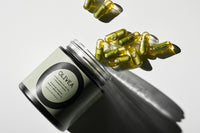
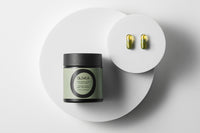
For busy days when you can't drizzle oil at every meal, Olivea Hydroxytyrosol Supplement delivers 20 mg of pure hydroxytyrosol — the same compound, zero taste, only 5 calories. Your cardiovascular protection stays consistent even when your routine doesn't.
With Olivea, dipping bread in olive oil is simple but gives measurable results for your heart, cellular health, and longevity.
Disclaimer: This article is for educational and informational purposes only. It is not intended to diagnose, treat, cure, or prevent any disease. The statements made about the brands are based on publicly available information, published product details, and general online customer feedback. These references are intended solely for informational purposes, and are not meant to misrepresent, harm, or disparage any brand. Always consult with a qualified healthcare professional before starting any new supplement regimen, especially if you have existing health conditions or take medications. Individual results may vary. The information provided reflects current research and should not replace medical advice from your healthcare provider.
Editorial Information
Editorial note. This article is published by Olivea and includes Olivea’s own product among those reviewed. Pros, cons, and rankings reflect the editorial perspective of the Olivea team.
Comparison note. Specs, prices, and label information for non-Olivea products are based on publicly available sources at the time of publication and may have changed. Verify directly with each brand before purchase.