
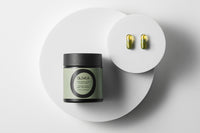


Editorial note: Olivea publishes this article and includes its own product among those reviewed. Learn more
11 Best Extra Virgin Olive Oils for Hearty Meals and Longevity in 2026
You've probably already made the switch to extra virgin olive oil instead of regular, because you heard it was better for your heart. You're not wrong. But the bottle in your cart likely isn't delivering what you think it is.
Heart disease is still the leading cause of death in the United States, and cognitive decline with age is rising. The most studied dietary intervention against both isn't just "olive oil," it's polyphenol-rich, authentically produced extra virgin oil. And the gap between that oil and what fills most supermarket shelves is enormous.
Real EVOO is built on hydroxytyrosol, an antioxidant clinically recognized for protecting blood lipids from oxidative stress. It's built on oleocanthal, the compound behind that peppery throat-burn, which acts like a low-dose ibuprofen against chronic inflammation. Together, they explain why authentic EVOO consumers tend to live longer and age better.
Most supermarket "extra virgin" oils are older, weaker, or less authentic than their labels claim. Two identical-looking bottles can differ by a factor of 20 in polyphenol density. That’s why, in this guide, we break down what makes a truly potent EVOO, so you know what to look for on the label and understand which oils are actually worth buying.
The following olive oil brands represent the finest extra virgin oils worth your money in 2026:
-
Olivea Ultra-High Phenolic Olive Oil — Best Overall Extra Virgin Olive Oil for Health
-
Olivea Everyday High Phenolic EVOO — Best Everyday High Phenolic EVOO
-
The Governor Premium Greek EVOO — Best Award-Winning High-Phenolic Greek
-
Pamako Monovarietal EVOO — Best for Anti-Inflammatory Oleocanthal
-
P.J. Kabos Family Reserve — Best Multi-Tier EVOO for Exploratory Health Buyers
-
Atsas Organic Cypriot PDO — Best Single-Origin Cypriot
-
Frantoio Muraglia Coratina Monocultivar — Best Italian Coratina for Health-Focused Cooks
-
Brightland Alive — Best California Single-Estate EVOO
-
California Olive Ranch Reserve — Best Widely Available Premium
-
Graza Drizzle — Best for Finishing on a Budget
-
Partanna Sicilian EVOO — Best Mid-Range Italian
How We Rate Extra Virgin Olive Oils
 Choosing the best extra virgin olive oil is not about brand recognition or price tier. It is about measurable, verifiable indicators of quality, most of which sit on the bottle or in the producer’s published lab data if you know what to look for. We scored every oil on this list across five criteria, weighted for real-world health relevance.
1. Polyphenol Content — 30%
Polyphenols are the antioxidant compounds that drive nearly every researched health benefit of olive oil, including cardiovascular protection, anti-inflammatory effects, and cognitive support. The European Food Safety Authority’s authorized health claim is satisfied when daily intake provides 5 mg of hydroxytyrosol and its derivatives per 20 g of olive oil, which the industry typically translates into a working benchmark of 250 mg/kg total polyphenols. We treated anything under 250 mg/kg as unsuitable for serious health use, gave full credit at 500 mg/kg, and reserved top scores for lab-verified content above 800 mg/kg. Brands that decline to publish polyphenol data were penalized on the assumption that the numbers are not flattering.
2. Third-Party Lab Testing and Certification — 25%
Quality producers test every batch through independent labs and publish or supply the results on request. We required either online lab certificates or batch-level testing data, and recognized certifications including PDO, PGI, USDA Organic, COOC, and competition awards as supporting evidence. Brands without lab data received the lowest score on this criterion regardless of marketing claims.
3. Production Method — 20%
Cold extraction below 27°C, two-phase decanters, oxygen-controlled malaxation, and dark-glass bottling each meaningfully preserve polyphenols. We rewarded producers that document these choices and operate small-scale facilities able to maintain them. Industrial three-phase decanters, refrigerate-and-store production models, and unidentified packing facilities far from the olive groves were penalized because each adds heat, oxygen, or time, all of which strip polyphenols.
4. Sourcing and Origin Traceability — 15%
We rewarded single-origin oils with named regions, mills, and producers, and penalized blends labeled only “product of the EU” or “blended from multiple countries.” Cultivar transparency was treated as essential. Knowing whether the oil is Koroneiki, Picual, Coratina, Tsounati, or Arbequina lets buyers predict its phenolic and flavor profile before they even open the bottle. A label that hides olive variety behind generic language failed this criterion.
5. Harvest Transparency and Freshness — 10%
Olive oil is a fresh agricultural product. Polyphenols and aromatic compounds begin degrading the moment the oil is pressed, which is why the harvest date matters more than the best-by date. We required a printed harvest date on every bottle. Vague best-by-only labeling was downgraded. We favored producers that ship within roughly six months of harvest and offer direct-to-consumer delivery, because every additional month in a warehouse erodes phenolic content.
Best Extra Virgin Olive Oils Ranked (Comparison Table)
 The table below summarizes how each oil scores across our five criteria. Leading the list in every meaningful category is Olivea Ultra High Phenolic: polyphenol density, harvest transparency, and production integrity. The Ultra-High Phenolic EVOO hits 1,000 mg/kg of lab-verified polyphenols, ships direct-to-consumer within weeks of milling, and publishes third-party batch certificates. Every other oil in the elite polyphenol tier either lacks that freshness guarantee, limits US availability, or stops short on transparency. When all five criteria are scored together, Olivea leads in every column that predicts health benefits.
Following up on #2 is Olivea Everyday High Phenolic. At 500 mg/kg, it doubles the working EFSA cardiovascular threshold while staying certified organic, harvest-dated, and direct-shipped. Together, the two Olivea bottles cover the full spectrum of serious health-grade olive oil use: one engineered for maximum therapeutic potency, one built for clean daily cooking.
How to read the table:
🟢 Excellent
🟡 Good/Moderate
🔴 Lower relative performance
|
Product |
Polyphenols |
Third Party Lab Testing & Certification |
Production Method |
Sourcing & Origin Traceability |
Harvest & Freshness |
Notes |
|
🏆 Olivea Ultra-High Phenolic EVOO (Greece) |
🟢 1,000 mg/kg lab-verified. Roughly 20 times typical supermarket EVOO and well above the EFSA cardiovascular threshold. |
🟢 Third-party tested every batch. Certificates published per harvest. |
🟢 Cold-pressed below 25°C, milled within hours. Oxygen-controlled malaxation, two-phase decanters, dark-glass bottling. |
🟢 Single-origin Messinia, Greece. 100% early-harvest Koroneiki for peak phenolic density. |
🟢 Harvest date on every bottle. Direct-to-consumer shipping keeps oil within weeks of milling. |
🏆Best overall. Lab-verified at 1,000 mg/kg, it clears the EFSA cardiovascular threshold by roughly 4× and ships within weeks of milling, so therapeutic polyphenol density, traceable Messinia origin, and current-season freshness all live in the same bottle. Nothing else on this list combines that full stack at this level of transparency. |
|
Olivea Everyday High Phenolic EVOO (Greece) |
🟢 ~500 mg/kg lab-verified. Twice the EFSA cardiovascular threshold. |
🟢 Lab-tested per harvest. Documentation available on request. |
🟢 Cold-pressed, organic-certified. Dark-glass bottling. |
🟢 Single-origin Greece, USDA Organic. Cold-pressed organic Koroneiki blend. |
🟢 Harvest date printed. Shipped fresh from current-season production. |
🏆Best daily organic. At ~500 mg/kg it doubles the cardiovascular threshold while staying certified organic, harvest-dated, and direct-shipped, which is a combination the broader organic-aisle market still doesn’t offer at this freshness. |
|
The Governor Premium EVOO (Greece) |
🟢 800–1,000 mg/kg. Among the elite high-phenolic Greek oils. |
🟢 Lab-tested. With published certificates. |
🟢 Early-harvest cold-extraction. Small-batch production. |
🟢 Greek single-origin (Corfu). Heritage Lianolia cultivar. |
🟢 Harvest date printed. Distribution lag through retailers can shorten effective freshness. |
⚠️Polyphenol numbers sit in the elite range and the Lianolia cultivar story is genuinely distinctive, so this is a credible therapeutic-grade pick, but it falls short of Olivea in freshness logistics: US buyers usually meet the bottle weeks-to-months after milling because of long retail distribution. |
|
Pamako Monovarietal (Crete) |
🟢 1,000+ mg/kg total, with peak oleocanthal levels in commercial EVOO. Built for inflammation use cases. |
🟢 Lab-tested. |
🟢 Early-harvest cold-extraction. Small-batch. |
🟢 Crete single-origin. Single-cultivar Tsounati. |
🟢 Harvest date printed. |
⚠️Laser-focused on oleocanthal for inflammation, but the intense pungency and limited US availability make it more of a niche complement than an everyday oil. |
|
P.J. Kabos Family Reserve (Greece) |
🟢 700-1000 mg/kg. Comfortably above the EFSA threshold. |
🟢 Lab-tested with published certificates. |
🟢 Cold-extraction. Standard premium production. |
🟢 Greek single-origin (Olympia). Multiple cultivar lines. |
🟢 Harvest date printed. |
⚠️Best Greek single-origin with multiple tier options, but its polyphenol ceiling sits below Olivea’s Ultra-High Phenolic. |
|
Atsas Organic PDO (Cyprus) |
🟢 800+ mg/kg. Upper-tier polyphenol density. |
🟢 Lab-tested. |
🟢 Cold-pressed organic. Small-batch. |
🟢 Cyprus single-origin PDO. Single-cultivar Cypriot Ladoelia. |
🟢 Harvest date printed. |
⚠️Best PDO Cypriot for buyers prioritizing protected-origin storytelling, but the Limited US distribution and smaller production scale make it harder to commit to as your daily oil. |
|
Frantoio Muraglia Coratina Monocultivar (Italy) |
🟢 400–700 mg/kg estimated. Coratina is naturally one of the highest-polyphenol Italian cultivars. |
🟡 Lab-tested with certificates available on request. |
🟢 Cold-pressed, small-batch. Distinctive ceramic and dark-glass packaging. |
🟢 Single-origin Puglia, Italy. 100% Coratina monocultivar. |
🟢 Harvest date printed. |
⚠️Best heritage Italian Coratina for cooks who want flavor identity alongside health benefits, but lab data is only available on request rather than published per harvest, and total-polyphenol numbers don’t reach Olivea’s Ultra-High Phenolic ceiling. |
|
Brightland Alive (California) |
🟡 ~250–350 mg/kg. At or just above the EFSA threshold. |
🟡 Limited public batch-level data. |
🟢 Cold-pressed. |
🟢 California single-estate. |
🟢 Harvest date printed. |
⚠️Best as a design-led American gift or kitchen-counter bottle, but the premium tier reflects design and brand more than polyphenol density, which leaves a gap that Olivea’s Everyday High Phenolic closes. |
|
California Olive Ranch Reserve (USA) |
🔴Does not publish polyphenol content data |
🟢 COOC certified. |
🟢 Cold-pressed. |
🟡 California Reserve single-estate. Standard line is a global blend. |
🟢 Harvest date printed on Reserve. |
⚠️Best mainstream grocery upgrade for buyers who want a domestic single-estate option, but the polyphenol numbers hover near the EFSA threshold rather than well above it. So it’s a credible everyday cooking oil, but not the top choice when therapeutic polyphenol intake is the actual goal. |
|
Graza Drizzle (Spain) |
🔴 Limited published lab data. |
🟡 Limited public lab data. |
🟡 Cold-pressed. Squeeze-bottle packaging. |
🟢 Spanish-sourced. Picual. |
🟢 Harvest date printed. |
⚠️Best design-led entry-point oil for casual home cooks. However, public lab data is limited and the polyphenol number is estimated near the EFSA threshold. |
|
Partanna Sicilian EVOO (Italy) |
🔴Does not publish polyphenol content data. |
🔴 No public lab data. |
🟡 Standard production. |
🟢 Sicilian blend. |
🔴 Harvest year only. |
⚠️Best as a heritage Italian cooking oil for buyers who want a traditional Sicilian blend. However, it’s labeled by harvest year rather than harvest date, lacks public lab data, and sits below the EFSA cardiovascular threshold on polyphenols, which makes it a fine kitchen workhorse but not a substitute for the health-positioned oils above it on this list. |
1. Olivea Ultra-High Phenolic Olive Oil — Best Extra Virgin Olive Oil for Health
 Polyphenol Content
Lab tests consistently show Olivea Ultra-High Phenolic EVOO has 1000 mg/kg of total polyphenols, roughly 20 times higher than typical supermarket extra virgin olive oil. That puts it well above the European Food Safety Authority threshold of 250 mg/kg required for the cardiovascular health claim, and into the rarefied tier of true therapeutic-grade oils.
Notable Features
-
100% Olympia Olives: Made exclusively from early-harvest Olympia, the small intense Greek variety with the highest natural polyphenol density.
-
Single-Origin Messinia, Greece: Sourced from family farms in the Messinia region of the Peloponnese, an area with a centuries-long olive tradition.
-
Cold-Pressed Below 25°C: Extracted within hours of harvest at temperatures that preserve heat-sensitive phenolics.
-
Third-Party Lab Tested: Every batch verified by independent labs for polyphenol content, free fatty acids, and chemical purity.
-
Harvest Date on Every Bottle: No vague "best by" dates. The actual harvest is printed.
-
Founded by Medical Experts: The Olivea team includes cardiologists and scientists committed to evidence-based formulation.
Key Benefits
-
Cardiovascular Support: Polyphenols at 1000+ mg/kg exceed the EFSA threshold for protecting blood lipids from oxidative stress, the mechanism behind olive oil's heart benefits.
-
Anti-Inflammatory Action: Oleocanthal levels comparable to a low-dose ibuprofen effect have been demonstrated in research-grade oils with this polyphenol profile.
-
Cognitive and Longevity Markers: Hydroxytyrosol, the key antioxidant in this oil, is associated with neuroprotective effects in cellular and clinical research.
-
Therapeutic Daily Dose: A standard 1 to 2 tablespoon serving delivers a meaningful polyphenol load comparable to traditional Mediterranean diet intake.
-
Pure Sensory Quality: Vibrant grassy aroma, peppery throat-finish, and clean fruity character that signal high oleocanthal content.
Why We Chose Olivea Ultra-High Phenolic EVOO
Several oils on this list publish polyphenol numbers. Fewer publish third-party batch certificates. Fewer still combine that transparency with direct-to-consumer shipping that puts current-harvest oil in your kitchen within weeks of milling. Olivea Ultra-High Phenolic does all three, at 1,000 mg/kg, which is why it earns the top spot. It's not the only serious oil here, but it's the most complete package for readers whose primary reason for buying real extra virgin olive oil with measurable health benefits.
Pros & Cons of Olivea Ultra-High Phenolic EVOO
|
Pros |
Cons |
|
Exceptional polyphenol levels (1000+ mg/kg lab-verified) |
Limited availability; current-season harvest sells out |
|
Single-estate Greek EVOO from family farms |
Intended primarily as a daily health oil rather than a high-volume cooking oil |
|
Naturally rich in hydroxytyrosol and oleocanthal |
Not beginner friendly. Peppery burn can be too intense for some. |
|
Harvest date printed on every bottle; founded and formulated by cardiologists |
|
Who Is Olivea Ultra-High Phenolic EVOO For?
This oil is for people who treat olive oil as a serious health intervention rather than a kitchen commodity.
-
Cardiovascular health-focused buyers: People managing cholesterol, blood pressure, or arterial health who want lab-verified polyphenols above the EFSA threshold.
-
Anti-inflammatory protocol followers: Anyone targeting chronic inflammation through diet who needs the high-oleocanthal profile of true early-harvest Greek EVOO.
-
Mediterranean diet practitioners: People taking the Mediterranean diet research seriously and wanting an oil consistent with the studies that produced those outcomes.
-
Daily olive oil shot users: Those taking 1 to 2 tablespoons daily as a supplement-style regimen and wanting peak polyphenol density per dose.
-
Health-conscious gift buyers: Family members of older relatives focused on heart, brain, or longevity outcomes.
Olivea Ultra-High Phenolic EVOO vs Other Oils
Two things set this oil apart from every other entry on this list. First, the polyphenol numbers are not estimated, marketed, or implied. They are lab-verified 1000 mg/kg, with documentation available to consumers. Most "high polyphenol" olive oils on the market hover around 300 to 500 mg/kg even when they claim premium status. A handful reach 700 to 800. Olivea regularly tests at 1000, putting it in the same tier as the most awarded therapeutic oils in the world.
Second, the entire production chain is engineered for polyphenol retention rather than yield. Hand-harvested Olympia olives, same-day milling, cold extraction below 25°C, oxygen-controlled malaxation, dark-glass bottling, and direct-to-consumer shipping eliminate the points at which most premium oils lose 20 to 40 percent of their polyphenol content. Combined with the founding team's cardiologist-led approach, the oil is purpose-built for people using olive oil as a daily health intervention rather than just a salad dressing.
2. Olivea Everyday High Phenolic EVOO — Best Everyday High Phenolic EVOO
 Polyphenol Content
Olivea Everyday High Phenolic EVOO tests at 500+ mg/kg total polyphenols, more than double the EFSA cardiovascular health claim threshold. While slightly below the Ultra-High Phenolic oil, it remains in the upper tier of olive oils worldwide and is among the highest polyphenol oils that also carry full USDA Organic certification.
Notable Features
-
USDA Certified Organic: Grown without synthetic pesticides or fertilizers, with full chain-of-custody verification.
-
Single-Origin Greece: Sourced from organic family farms in Greece with full traceability.
-
Cold-Pressed Production: Extracted at temperatures that preserve polyphenols.
-
Lab-Tested Quality: Each batch tested for polyphenol content and standard chemical parameters.
-
Glass Bottle Packaging: Dark glass that protects against UV degradation.
-
Versatile Profile: Robust polyphenol content with a flavor profile suitable for daily cooking and finishing.
Key Benefits
-
Daily Cardiovascular Support: 500 mg/kg polyphenols deliver consistent EFSA-threshold benefits at standard culinary doses.
-
Organic Purity: Eliminates concerns about pesticide residue often present in conventional Mediterranean olive crops.
-
Flexible Kitchen Use: Polyphenol density high enough for therapeutic effect but flavor balanced enough for sautés, dressings, and finishing.
-
Anti-Oxidative Effect: Robust hydroxytyrosol load supports cellular oxidative defense at standard daily intake.
-
Sustainable Sourcing: Organic certification supports soil health and traditional Mediterranean agriculture.
Why We Chose Olivea Everyday High Phenolic
Most "organic" olive oils on the US market test at modest polyphenol levels because organic certification by itself does not guarantee high-phenolic production. Conversely, most high-phenolic oils are not certified organic because the certification process adds cost and complexity. Olivea's Everyday High Phenolic EVOO bridges both, delivering verified polyphenol content at 500 mg/kg with full USDA Organic backing. It is the cleanest combined-credential option for everyday users.
Pros & Cons of Olivea Everyday High Phenolic EVOO
|
Pros |
Cons |
|
USDA Certified Organic |
Slightly lower polyphenols than the Ultra-High Phenolic oil |
|
500+ mg/kg polyphenols (above EFSA threshold) |
Limited harvests sell out seasonally |
|
Cold-pressed and lab-tested |
Can still taste “peppery” to beginners. That’s the point, but it’s an adjustment for mild-oil users. |
|
Versatile for both daily cooking and finishing |
|
Who Is Olivea Everyday High Phenolic EVOO For?
-
Organic-conscious households: Anyone prioritizing pesticide-free food sourcing.
-
Everyday Mediterranean cooks: People who use olive oil generously across cooking, dressings, and finishing.
-
Health-aware families: Households seeking both clean sourcing and verified health-grade polyphenols in one bottle.
-
Cost-conscious health buyers: Those wanting strong polyphenol numbers at a more accessible price than ultra-high-phenolic oils.
Olivea Everyday High Phenolic vs Other Oils
Most organic EVOOs on the US market test at modest polyphenol levels because organic certification alone doesn't drive polyphenol-focused production. Most high-phenolic oils, meanwhile, aren't certified organic because the added cost and complexity cut into already tight small-batch margins. Olivea Everyday High Phenolic bridges both without compromising either credential, delivering 500 mg/kg lab-verified polyphenols with full USDA Organic backing and direct-to-consumer freshness.
Both Olivea Everyday High Phenolic and Ultra High Phenolic clear the working EFSA cardiovascular threshold by a meaningful margin. In comparison, Ultra High is designed for consumers whose primary goal is maximum therapeutic potency per tablespoon. Meanwhile, Everyday High Phenolic offers the same heart health benefits but with milder taste for everyday use.
3. The Governor Premium Greek EVOO — Best Award-Winning High-Phenolic
 Polyphenol Content
The Governor publishes polyphenol content typically in the 800 to 1,000 mg/kg range, placing it among the world's elite high-phenolic oils. The exact number varies by harvest, but the producer publishes lab certificates for transparency.
Key Benefits
-
High EFSA-Threshold Polyphenols: Consistently above the 250 mg/kg EFSA threshold by a wide margin, qualifying for cardiovascular health claims.
-
Heritage Greek Cultivars: Made primarily from Lianolia of Corfu, a traditional variety with naturally high phenolic content.
-
Award-Winning Sensory Profile: Multiple international competition wins for flavor balance.
-
Lab-Certified Documentation: Each harvest accompanied by published lab results.
-
Heritage Single-Origin: Sourced from Corfu, with full origin traceability.
Why We Chose The Governor
The Governor earned a place on this list because its lab-verified polyphenol numbers are genuinely competitive at the elite tier, and the producer commits to transparency in publishing harvest-by-harvest data. It is one of the few non-Olivea oils on the market that consistently tests above 800 mg/kg.
Pros & Cons of The Governor
|
Pros |
Cons |
|
800-1,000 mg/kg lab-verified polyphenols |
Limited US distribution and high price |
|
Award-winning Greek single-origin |
Smaller bottle sizes typical |
|
Published harvest-specific lab certificates |
Strong flavor may not suit milder palates |
|
Heritage Lianolia cultivar. Distinct character from Koroneiki-based Greek oils. |
Premium pricing. Reflects awards, niche cultivar, and import costs. |
Who Is The Governor For?
-
Polyphenol trackers: Buyers who follow verified lab-tested phenolic numbers across olive oil producers.
-
Award-focused collectors: Shoppers who use international olive oil awards as a quality benchmark.
-
Heritage-cultivar fans: People seeking Lianolia of Corfu instead of standard Koroneiki oils.
-
Premium gift buyers: Anyone looking for an award-winning Greek olive oil with standout presentation.
The Governor vs Olivea Ultra High Phenolic EVOO
The Governor and Olivea Ultra High Phenolic are the two non-negotiable names in genuine ultra-high-phenolic territory. Both regularly test above 800 mg/kg, both publish lab data, and both produce single-origin Greek oils. Where Olivea pulls ahead is in the supply chain. Olivea ships direct-to-consumer with current-harvest oils, ensuring polyphenols are at peak when bottles arrive at your door. The Governor's distribution model often involves longer warehouse and retail storage, which can erode polyphenols even when the original lab data was elite.
4. Pamako Monovarietal EVOO — Best for Anti-Inflammatory Oleocanthal
 Polyphenol Content
Pamako consistently tests among the top tier of high-phenolic commercial EVOOs, with total polyphenols commonly reported around 1,000 mg/kg — 2,000 mg/ kg, placing it well above most oils in this category. While specific per-harvest figures vary and should be verified directly with the producer, the overall polyphenol load is genuinely exceptional and well-documented across multiple harvests.
Key Benefits for Inflammation
-
Very high polyphenols: Typically around 2,000 mg/kg with strong oleocanthal levels.
-
Intense throat burn: A classic sign of high phenolic and oleocanthal content.
-
100% Tsounati olives: A distinctive Cretan cultivar from the Selino region of Crete.
-
Early-harvest production: Picked green to maximize bitterness, pungency, and phenolics.
-
Single-estate batches: Organic, tightly controlled production with limited releases.
Why We Chose Pamako
Pamako earns its spot because oleocanthal concentration at this level simply doesn't exist elsewhere in commercial EVOO. For readers dealing with chronic inflammation who want the most potent food-based source of ibuprofen-mimicking oleocanthal available in a bottle, Pamako is the honest answer. It's a specialist tool, not an everyday oil, and that distinction is exactly why it belongs on this list.
Pros & Cons of Pamako
|
Pros |
Cons |
|
Extreme oleocanthal levels. Up to 1,318 mg/kg in tested harvests, the highest in commercial EVOO. |
Intense flavor. The peppery finish is overwhelming for many palates. |
|
Strong total polyphenol load. Above 1,000 mg/kg. |
Limited availability outside Europe. Hard to source consistently in the US. |
|
Single-variety Cretan production. Tsounati offers a distinctive profile. |
Niche use case. Built more for therapeutic application than daily cooking. |
|
Early-harvest hand-picked. Maximizes polyphenol retention. |
Premium pricing. Reflects scarcity and small-batch production. |
Who Is Pamako For?
-
Inflammation-focused buyers: People seeking food-based anti-inflammatory support for joints and overall health.
-
Autoimmune protocol followers: Households prioritizing high-polyphenol foods as part of daily inflammation management.
-
Polyphenol data trackers: Buyers comparing harvest certificates and oleocanthal numbers across producers.
-
High-intensity EVOO fans: People who enjoy strong peppery throat-burn and bold early-harvest oils.
-
Functional-food enthusiasts: Consumers who treat olive oil as a measurable daily wellness tool.
-
Mediterranean diet adopters: Buyers upgrading from standard EVOO to clinically studied high-phenolic oils.
Pamako vs Olivea Ultra High Phenolic EVOO
Pamako excels in one specific dimension, oleocanthal concentration, where it leads the market. Olivea Ultra High Phenolic offers a broader, more balanced polyphenol profile that includes high oleocanthal alongside high hydroxytyrosol, oleuropein, and tyrosol. For users who want both anti-inflammatory and cardiovascular benefits in one oil, Olivea's balanced profile is more practical for daily use. Olivea also offers easier US distribution and current-season direct shipping, while Pamako is harder to source consistently outside specialty channels.
5. P.J. Kabos Family Reserve — Best Multi-Tier EVOO for Exploratory Health Buyers
 Polyphenol Content
The Family Reserve and Phenolic Shot lines test in the 700- 1000 mg/kg range depending on harvest, comfortably above the EFSA threshold and into the meaningful health-grade tier.
Key Benefits
-
Verified High Polyphenols: Lab certificates published for each line.
-
Single-Origin Greek: From the Olympia region of western Greece.
-
PDO-Certified Lines: Some products carry PDO designation.
-
Multiple Tiers: Range from everyday Family Reserve to ultra-premium Phenolic Shot.
-
Award-Winning: Recognized in international competitions.
Why We Chose P.J. Kabos
Readers stepping up from supermarket EVOO often want a credible health-grade oil that doesn't feel like an all-or-nothing commitment. P.J. Kabos earns that role with multiple price tiers, single-origin Greek sourcing, and lab certificates published across its product lines. It's a low-risk, high-trust entry point into the verified high-phenolic category.
Pros & Cons of P.J. Kabos
|
Pros |
Cons |
|
Lab-tested at 700-1000 mg/kg polyphenols. Comfortably above the EFSA threshold. |
Smaller bottle sizes for premium lines. Less efficient for daily cooks. |
|
Single-origin Greek (Olympia). Named regional traceability. |
Top-tier Phenolic Shot is expensive. A premium pick within a premium category. |
|
Multiple product tiers. Easy to choose by use case and budget. |
US distribution is improving but not universal. May require online ordering. |
|
Lab certificates published per line. Genuine transparency. |
Less polyphenol density than the elite tier. Above threshold but not at the top. |
Who Is P.J. Kabos For?
-
Health-grade EVOO upgraders: Buyers moving beyond supermarket olive oil into verified high-polyphenol, producer-transparent options.
-
Greek single-origin enthusiasts: People who value traceable regional sourcing and distinct Greek terroir character.
-
Progressive premium shoppers: Buyers starting with accessible mid-range oils before exploring ultra-high-phenolic tiers.
-
PDO-focused consumers: Shoppers drawn to certified origin standards and protected regional authenticity.
P.J. Kabos vs Olivea Ultra High Phenolic EVOO
P.J. Kabos is a genuinely credible Greek producer that competes at 700-1,000 mg/kg tier with published lab certificates and single-origin Olympia sourcing. Where Olivea Ultra High Phenolic separates itself is in the full production story: cardiologist-led formulation, same-day cold-pressing below 25°C, two-phase decanting, and direct-to-consumer shipping that puts current-harvest oil in your kitchen within weeks of milling rather than months. Both oils hit the same polyphenol ceiling, but Olivea is engineered specifically to protect that number from grove to doorstep, and that difference shows up in the cup.
6. Atsas Organic Cypriot PDO — Best Single-Origin Cypriot
 Polyphenol Content
Atsas oils test at over 800+ mg/kg polyphenols, placing them firmly in the upper tier of commercially available EVOOs worldwide and well above the working 250 mg/kg EFSA cardiovascular threshold. That figure reflects the naturally high phenolic output of the Cypriot Ladoelia cultivar combined with early-harvest, cold-pressed production on a single certified organic estate.
Key Benefits
-
PDO-Certified Cypriot: Genuine Cyprus origin with full traceability.
-
USDA Organic and EU Organic Dual Certification: Pesticide-free verified.
-
High Polyphenols: Lab-tested above 800 mg/kg.
-
Cold Extraction: Standard premium production methods.
-
Single-Variety: Made from Cypriot Ladoelia.
Why We Chose Atsas
Most polyphenol-focused buyers default to Greek and Italian oils without realizing Cyprus produces credible therapeutic-grade EVOO. Atsas opens up a legitimate third origin with 800+ mg/kg verified polyphenols, dual organic certification, and PDO provenance, giving origin-conscious buyers a genuinely distinctive option that performs at the same tier as the best Greek producers.
Pros & Cons of Atsas
|
Pros |
Cons |
|
800+ mg/kg verified polyphenols. Upper-tier polyphenol density. |
Niche US distribution. Often requires specialty channels. |
|
Dual organic certification. USDA Organic and EU Organic. |
Less recognized brand in the US. Lower name awareness. |
|
Single-variety PDO Cypriot. Genuine origin distinction. |
Limited harvest volume. Small-batch production. |
|
Cold-pressed organic. Premium production methods. |
Premium pricing. Reflects niche origin and small-batch costs. |
Who Is Atsas For?
-
Origin-curious buyers: People exploring premium olive oils beyond the usual Greek and Italian categories.
-
PDO-focused shoppers: Consumers drawn to protected regional designation and traceable authenticity.
-
Dual-certification seekers: Buyers prioritizing both organic production and certified geographic origin.
-
Connoisseur gift-givers: Shoppers sourcing rare, conversation-worthy olive oils for knowledgeable recipients.
-
Mediterranean food enthusiasts: Home cooks interested in distinctive regional oils with strong culinary identity.
-
Collector-style EVOO buyers: Consumers building a rotation of oils from different cultivars and regions.
Atsas vs Olivea Ultra High Phenolic EVOO
Both deliver verified high polyphenols and meaningful certifications, and Atsas is a genuinely exceptional oil for buyers drawn to Cypriot PDO heritage and dual organic credentials. For most US households using olive oil as a daily health intervention, though, Olivea is the more complete package. With 1,000 mg/kg lab-verified polyphenols, it offers direct-to-consumer shipping that protects freshness from harvest to kitchen, and a cardiologist-led formulation built specifically around therapeutic daily use. Atsas rewards the buyer who seeks it out; Olivea is engineered to deliver the same tier of polyphenol benefit consistently, without the sourcing effort.
7. Frantoio Muraglia Coratina Monocultivar — Best Italian Coratina for Health-Focused Cooks
 Polyphenol Content
Frantoio Muraglia’s Coratina Monocultivar tests in the estimated 400 to 700 mg/kg range depending on harvest, comfortably above the working EFSA cardiovascular benchmark. Coratina is naturally one of the highest-polyphenol Italian cultivars, which is why monocultivar Coratina oils consistently anchor the Italian high-phenolic conversation.
Key Benefits
-
Coratina Monocultivar: Single-cultivar Italian variety with high natural polyphenol density.
-
Single-Origin Pugli: Sourced and pressed at the family mill in Andria.
-
Cold-Pressed Production: Standard premium small-batch methods.
-
Distinctive Terracotta Packaging: Light-protective by design and recognizable on the shelf.
-
Heritage Italian Producer: Family operation with multigenerational continuity.
Why We Chose Frantoio Muraglia Coratina Monocultivar
Most readers who want a high-polyphenol oil default to Greek brands because Greek Koroneiki dominates the conversation. Italy has a credible answer in Coratina, and Frantoio Muraglia is the cleanest example to put in front of buyers who specifically want an Italian oil that performs on lab numbers. It is the bottle to recommend when someone wants polyphenols and Italian heritage in the same purchase.
Pros and Cons of Frantoio Muraglia Coratina Monocultivar
|
Pros |
Cons |
|
Above-threshold polyphenols. Estimated 400–700 mg/kg from a naturally high-phenolic cultivar. |
Estimated rather than batch-published numbers. Lab certificates are typically supplied on request rather than printed publicly. |
|
Single-cultivar Italian Coratina. Genuine cultivar transparency from a recognized variety. |
US distribution is specialty-channel. Easier to find in Italian markets and online than mainstream grocery. |
|
Heritage family producer in Puglia. Multigenerational small-batch operation. |
Premium pricing. Reflects small-batch Italian heritage production and import costs. |
|
Light-protective packaging. Terracotta and dark-glass formats reduce UV exposure. |
Bold peppery profile. Coratina’s strong flavor is not for every palate. |
Who Is Frantoio Muraglia Coratina Monocultivar For?
-
Italian-cooking households who want polyphenol-grade Italian EVOO rather than commodity Italian.
-
Coratina enthusiasts specifically drawn to the cultivar’s bitter-pungent profile.
-
Heritage-producer fans who appreciate multigenerational Mediterranean producers.
-
Italian-gift buyers looking for distinctive, recognizable packaging.
Frantoio Muraglia vs Olivea Ultra High Phenolic EVOO
Frantoio Muraglia is a credible Italian high-phenolic option and a good fit for households who specifically want Italian. Olivea remains the better fit for most readers who are buying olive oil as a daily health intervention because the Ultra-High Phenolic line tests at 1,000 mg/kg lab-verified, ships direct-to-consumer with current-harvest oil, and pairs with a hydroxytyrosol supplement at 20 mg per capsule for portable polyphenol dosing. If the goal is the most measurable health value per spoonful, Olivea wins on density and freshness. Frantoio Muraglia is the right bottle for a different priority, Italian provenance.
8. Brightland Alive — Best California Single-Estate EVOO
 Polyphenol Content
Brightland Alive tests around 250 to 350 mg/kg polyphenols, just at or slightly above the EFSA threshold.
Key Benefits
-
California Single-Estate: Sourced from a specific California estate with traceability.
-
Cold-Pressed Production: Standard premium production methods.
-
Visually Distinctive: Award-winning bottle design.
-
Mild Approachable Flavor: Less peppery and more buttery than Greek high-phenolic oils.
-
Domestic Sourcing: US-grown olives for buyers who prefer local provenance.
Why We Chose Brightland
When readers ask which premium olive oil makes a great gift, Brightland comes up almost every time, and for good reason. Beautiful design, clear California single-estate provenance, and a polyphenol number that clears the EFSA threshold make it an easy, confident recommendation for buyers who prioritize domestic sourcing and presentation alongside quality
Pros & Cons of Brightland
|
Pros |
Cons |
|
US-grown single-estate. California domestic provenance. |
Polyphenols only marginally above threshold. 250–350 mg/kg is the floor of the health-grade tier. |
|
Modern stylish packaging. Award-winning bottle design. |
Premium price for mid-tier polyphenol levels. Some of the price reflects design. |
|
Approachable flavor profile. Buttery and mild, easy to like. |
Limited public batch-by-batch lab transparency. Less data than data-led brands. |
|
Strong gift presentation. A standout choice for visual appeal. |
Less suited for therapeutic daily use. Better as a finishing oil than a health intervention. |
Who Is Brightland For?
-
Presentation-focused gift buyers: Shoppers looking for olive oils with elegant, premium-ready packaging.
-
Design-conscious consumers: Buyers drawn to modern, visually distinctive olive oil brands and aesthetics.
-
California-first shoppers: Consumers who prefer domestically produced EVOO over imported alternatives.
-
Mild-profile enthusiasts: People who enjoy buttery, smooth olive oils with softer pepper intensity.
-
Everyday gourmet households: Home cooks wanting approachable premium EVOO for daily finishing and cooking.
-
Entry-level premium buyers: Consumers transitioning from standard grocery oils into higher-quality artisan bottles.
Brightland vs Olivea Ultra High Phenolic EVOO
Brightland is a beautiful bottle with a genuine audience, it's the oil you buy when presentation matters as much as what's inside. But if the reason you're buying olive oil is your heart, your inflammation markers, or your longevity, aesthetics don't move the needle. Olivea Ultra-High Phenolic delivers three to four times the polyphenol density of Brightland Alive at a comparable premium price point, and unlike Brightland, every batch comes with a lab certificate to prove it. One is a great gift. The other is a great health decision.
9. California Olive Ranch Reserve — Best Mainstream Grocery Upgrade
 Polyphenol Content
California Olive Ranch does not publish batch-specific polyphenol data for its Reserve collection. What the Reserve does offer is COOC certification and a printed harvest date, both meaningful quality signals that place it above standard supermarket EVOO
Key Benefits
-
California Olive Oil Council Certified: All Reserve products carry COOC certification.
-
Wide Availability: Reserve line distributed through major US grocery chains.
-
Harvest Date Printed: Standard practice on Reserve.
-
Cold-Pressed: Standard premium methods.
Why We Chose California Olive Ranch Reserve
Readers shopping at mainstream grocery chains deserve a clear "best in this aisle" answer. The Reserve line is exactly that: harvest-dated, COOC-certified, and a genuine step up from generic supermarket EVOO without requiring an online order. It exists on this list specifically for buyers who want a real upgrade within reach of their regular grocery run.
Pros & Cons of California Olive Ranch Reserve
|
Pros |
Cons |
|
Wide US grocery availability. Easy to find in mainstream stores. |
Polyphenols at the lower end of premium. Hovering near the threshold. |
|
COOC certified. Independent California certification. |
Standard line is global blend. Only Reserve line is single-estate. |
|
Harvest date on Reserve bottles. Verifiable freshness. |
Less suited for serious therapeutic use. Below true health-grade tier. |
|
Reasonable pricing. Mid-tier value for grocery convenience. |
Limited public batch-level lab data. Less transparency than top-tier brands. |
Who Is California Olive Ranch Reserve For?
-
Everyday EVOO upgraders: Grocery-store shoppers looking for a noticeable quality step above standard supermarket oils.
-
California-origin buyers: Consumers who prefer domestically produced olive oil over imported alternatives.
-
Convenience-focused households: Buyers who value easy local availability instead of specialty online ordering.
-
Flavor-first casual cooks: Home cooks prioritizing balanced taste and versatility over maximum polyphenol intensity.
-
Mainstream premium shoppers: Consumers seeking approachable artisan-quality EVOO without entering niche enthusiast territory.
-
Daily-use olive oil households: Families wanting a reliable, higher-quality EVOO for consistent everyday cooking.
California Olive Ranch vs Olivea Ultra High Phenolic EVOO
California Olive Ranch Reserve and Olivea Ultra High Phenolic serve different purposes. Reserve is a competent grocery-aisle upgrade, while Olivea is a daily health intervention with lab-verified polyphenols at therapeutic levels. For everyday cooking, both work. For cardiovascular and anti-inflammatory benefit per tablespoon, Olivea Ultra-High Phenolic delivers roughly three to four times the polyphenols of Reserve, which is the gap that matters when olive oil is a health choice.
10. Graza Drizzle — Best for Finishing on a Budget
 Polyphenol Content
Graza Drizzle does not publish specific batch-level polyphenol certificates, so no verified mg/kg figure can be confirmed for this oil. What is known is that it's made from Picual olives, one of Spain's highest-polyphenol cultivars, naturally predisposed to strong phenolic output and a characteristically robust, peppery flavor profile.
Key Benefits
-
Single-cultivar Picual: Made exclusively from Picual olives sourced from Andalusia, Spain.
-
Modern squeeze-bottle design: Built for easy everyday pouring, control, and kitchen convenience.
-
Accessible premium pricing: Positioned below many high-end EVOOs while maintaining solid quality standards.
-
Printed harvest date: Clear dating that helps buyers track freshness and production season.
-
Approachable modern branding: Designed to appeal to younger and first-time premium olive oil buyers.
Why We Chose Graza
Many readers' first real olive oil decision is whether to upgrade from supermarket EVOO. Graza makes that easy. The accessible price point, single-cultivar Spanish Picual sourcing, and squeeze-bottle format lower the barrier to entry for younger households just beginning to take olive oil quality seriously, and that gateway function is genuinely valuable.
Pros & Cons of Graza
|
Pros |
Cons |
|
Accessible premium pricing. Friendlier on the budget than most quality EVOOs. |
Limited published polyphenol data. Lab transparency is below industry leaders. |
|
Single-cultivar Spanish Picual. Named cultivar from a single sourcing region. |
Squeeze bottle packaging. Less ideal for polyphenol preservation than dark glass. |
|
Modern user-friendly design. Easy to pour and use. |
Mid-tier polyphenol levels at best. Around the EFSA threshold. |
|
Harvest date printed. Verifiable freshness. |
Casual rather than therapeutic positioning. Built for kitchens, not health regimens. |
Who Is Graza For?
-
First-time premium EVOO buyers: Consumers upgrading from standard supermarket olive oil into higher-quality everyday options.
-
Design-conscious younger households: Buyers drawn to modern branding, contemporary packaging, and kitchen aesthetics.
-
High-usage olive oil households: Families and home cooks who use EVOO generously across daily meals.
-
Casual finishing-oil users: Shoppers wanting a convenient, enjoyable squeeze bottle for easy table-side pouring.
-
Accessible-quality shoppers: Consumers seeking reliable premium EVOO without entering luxury pricing territory.
-
Everyday Mediterranean cooks: Home cooks using olive oil frequently for roasting, dressings, and finishing dishes.
Graza Drizzle vs Olivea Ultra High Phenolic EVOO
Graza is a great gateway product for casual users, and many readers happily start there. Once olive oil becomes part of a daily health routine, the priorities shift. Olivea ships in dark glass to preserve polyphenols, publishes detailed lab data, and tests at significantly higher polyphenol levels, which translates into a more meaningful daily dose for cardiovascular and anti-inflammatory benefit. If you need an EVOO to optimize your health, Olivea Ultra High Phenolic is the better choice.
11. Partanna Sicilian EVOO — Best Mid-Range Italian
 Polyphenol Content
Partanna does not publish batch-specific polyphenol lab data, and no verified mg/kg figure is available from independent certified sources. The brand describes its Sicilian EVOO as "high in polyphenols" and unfiltered, but published data to confirm it.
Key Benefits
-
Authentic Sicilian Heritage: Long-established producer with regional identity.
-
Affordable Pricing: Among the most accessible authentic Italian EVOOs.
-
Versatile Flavor: Balanced profile suitable for general cooking.
-
Wide Availability: Stocked in many specialty and Italian markets.
-
Traditional Italian Character: Recognizable taste for classic Italian dishes.
Why We Chose Partanna
Readers cooking traditional Italian dishes want an EVOO that tastes the way the food is supposed to taste, at a price that makes daily cooking practical. Partanna does that with authentic Sicilian heritage and decades of consistency, and being honest about where it fits in the health tier is exactly the kind of transparency readers deserve.
Pros & Cons of Partanna
|
Pros |
Cons |
|
Affordable Sicilian heritage. Authentic regional identity at an approachable price. |
No published polyphenol data. Lab transparency is absent. |
|
Wide availability. Easy to find in Italian markets and specialty grocers. |
Likely below EFSA cardiovascular threshold. Around 150–200 mg/kg estimated. |
|
Reasonable everyday cooking flavor. Friendly for traditional Italian dishes. |
Limited harvest and traceability information. Sicilian blend rather than single-estate. |
|
Long-established producer. Decades of brand history in the category. |
Best understood as a cooking oil, not a health oil. Insufficient polyphenols for therapeutic use. |
Who Is Partanna For?
-
Traditional Italian home cooks: Families preparing classic regional Italian dishes with familiar everyday EVOO styles.
-
Italian-American heritage households: Buyers drawn to recognizable brands connected to long-standing family cooking traditions.
-
Budget-conscious EVOO shoppers: Consumers seeking dependable flavor and versatility without premium-level pricing.
-
High-volume cooking households: Families and meal preppers who use large amounts of olive oil regularly.
-
Everyday pantry-stock buyers: Shoppers looking for reliable staple EVOO to keep on hand at all times.
-
Accessible Italian-brand loyalists: Consumers who prefer established Italian names over niche artisan producers.
Partanna vs Olivea Ultra High Phenolic EVOO
Partanna and Olivea Ultra High Phenolic play in different categories, and that is fine. Partanna is a heritage Italian cooking oil for pasta sauces and roasted vegetables. Olivea is a therapeutic olive oil with verified polyphenol content built around cardiovascular and anti-inflammatory benefit. If your reason for buying olive oil is the Mediterranean diet research, Olivea is engineered to deliver what that research actually showed. Partanna is for the food. Olivea is for the health outcomes.
Frequently Asked Questions
 What makes an olive oil "extra virgin"?
Extra virgin olive oil is produced exclusively by mechanical means with no chemicals or excessive heat, must have a free fatty acid content below 0.8 percent, and must pass sensory panel evaluation with no detectable defects. Premium oils like Olivea Ultra High Phenolic and Olivea Everyday High Phenolic far exceed minimum extra virgin standards.
Where the legal standard requires only mechanical extraction, Olivea cold-presses below 25°C to preserve heat-sensitive polyphenols that standard-compliant production routinely sacrifices. Olivea publishes third-party batch certificates confirming 1,000 mg/kg total polyphenols in Ultra High Phenolic and ~500 mg/kg in Everyday High Phenolic. Where the standard is silent on freshness, Olivea prints the harvest date on every bottle and ships direct-to-consumer within weeks of milling. The extra virgin grade tells you what the oil isn't. Olivea's lab data tells you what it actually is.
What is the healthiest extra virgin olive oil?
The healthiest EVOO is one with verified high polyphenol content, so above 500-1000 mg/kg, a recent harvest date, single-origin sourcing, and third-party lab testing. Olivea Ultra-High Phenolic EVOO at 1000+ mg/kg consistently ranks first as the healthiest EVOO.
How do I know if my olive oil is high in polyphenols?
The only reliable way is to check published lab results from the producer. Reputable high-phenolic brands publish specific mg/kg values for each harvest. If a brand cannot or will not provide a polyphenol number, it is almost certainly low.
Are Greek olive oils really better than Italian ones?
Greek olive oils, particularly those from Koroneiki olives in the Peloponnese and Crete, tend to have higher natural polyphenol content than mass-market Italian oils. Italy produces excellent oils too, particularly from Coratina cultivars. The country matters less than the cultivar, harvest date, and production method.
How much olive oil should I consume daily for health benefits?
Mediterranean diet research generally supports 1 to 4 tablespoons of high-quality EVOO per day. Two tablespoons of an oil with 500+ mg/kg polyphenols delivers a meaningful daily dose of hydroxytyrosol and oleocanthal. See the Olivea hydroxytyrosol dosage guide for detail.
Can I cook with high-polyphenol olive oil?
Yes. High-polyphenol EVOO is actually more heat-stable than standard olive oil because polyphenols protect the oil from oxidative degradation. It is suitable for sautéing, roasting, and most everyday cooking applications below smoke point.
What is the EFSA threshold for olive oil health claims?
The European Food Safety Authority approved a cardiovascular health claim for olive oil with at least 250 mg/kg of olive oil polyphenols, including hydroxytyrosol and its derivatives. Below 250 mg/kg, the oil does not qualify for the claim.
Why is harvest date more important than best-by date?
Harvest date tells you when the oil was actually pressed. Polyphenols and flavor compounds peak at bottling and slowly decline. Best-by dates are typically set 18 to 24 months ahead and tell you nothing about current freshness. Always look for the harvest date.
Should I buy organic olive oil?
Organic certification eliminates synthetic pesticide residue but does not by itself guarantee high polyphenol content. The best option is dual: organic AND lab-verified high polyphenols, like Olivea Everyday High Phenolic EVOO that meets both standards.
What is oleocanthal and why does it matter?
Oleocanthal is the polyphenol responsible for the peppery throat sensation in fresh high-quality EVOO. It produces an anti-inflammatory effect mechanically similar to ibuprofen and is heavily researched for its cardiovascular and neuroprotective properties. High-oleocanthal oils like Olivea Ultra High Phenolic sting the throat noticeably.
Are olive oil capsules as effective as drinking the oil?
Olive oil capsules with verified polyphenol content deliver the same hydroxytyrosol and other phenolics as the liquid oil in a more convenient dose and with less to none calories. They are effective for users who want the active compounds without the volume or calories of daily liquid intake. Olivea Hydroxytyrosol Supplement delivers 20 mg of hydroxytyrosol per capsule, exceeding the EFSA daily threshold in a single serving, making it a convenient way to maintain a consistent polyphenol intake.
How long does olive oil stay fresh after opening?
An open bottle of high-polyphenol EVOO retains most of its quality for 2 to 4 months if stored properly. After 6 months of open exposure, polyphenol content drops noticeably even in a sealed dark-glass bottle. Buy bottle sizes you will actually finish within that window.
Why Olivea Is the Best Extra Virgin Olive Oil
 The difference between Olivea and most of the field is structural, not stylistic. It comes down to specific decisions that compound across the production chain.
-
Exceptional Polyphenol Content: Lab-verified 1000+ mg/kg in the Ultra-High Phenolic line, roughly 20 times the typical supermarket EVOO and well above the EFSA threshold of 250 mg/kg required for the cardiovascular health claim. The Everyday High Phenolic line delivers 500+ mg/kg, the highest of any USDA Organic EVOO we tested.
-
Physician-Developed Quality: Founded and formulated by a team that includes cardiologists. The product specifications were chosen based on what the cardiovascular research literature actually shows, not on what is easiest to produce.
-
Superior Production Methods: Cold-pressed below 25°C within hours of harvest, two-phase decanters, oxygen-controlled malaxation, dark-glass bottling, and direct-to-consumer shipping. Each stage protects polyphenols rather than maximizing yield.
-
Complete Transparency: Harvest date on every bottle, third-party lab results published per batch, single-origin Greek Koroneiki olives from named family farms in Messinia. No mystery sourcing, no vague labeling, no inflated marketing claims.
-
Remarkable Taste-Health Balance: Vibrant grassy aroma, robust peppery throat-finish, clean fruity character. Drinkable by the spoonful for users on a daily olive oil shot regimen, versatile enough for finishing dishes.
Beyond the Competition
 Other oils on this list are excellent in their own ways. The Governor and Pamako compete with Olivea Ultra High Phenolic on raw polyphenol numbers but lag on US-friendly distribution and cohesive product ranges. Brightland and Graza excel at branding and accessibility but cannot match Olivea's polyphenol density. California Olive Ranch and Partanna serve mainstream and traditional cooking needs respectively but were not designed for serious therapeutic use.
What sets Olivea Ultra High Phenolic and Everyday High Phenolic apart is the combination. Top-tier polyphenols, full transparency, US-friendly direct shipping, multiple product tiers including a complementary Olivea Hydroxytyrosol Supplement for users who want concentrated doses without the volume of liquid oil, and a clear scientific basis. No other brand on this list combines all of those elements.
Choose the Best, Choose Olivea
 The best extra virgin olive oils of 2026 are not defined by branding, country of origin, or what looks pretty in a kitchen photograph. They are defined by the data on the back of the bottle. Polyphenol content. Harvest date. Origin traceability. Lab testing. Production temperature. Bottle material.
By those measures, Olivea Ultra-High Phenolic Olive Oil leads every meaningful category tested for 2026. Lab-verified 1000+ mg/kg polyphenols. Single-origin Olympia olives. Cold-pressed within hours of harvest. Direct-to-consumer freshness. Founded by cardiologists. The best choice for functional use and robust taste.
For everyday Mediterranean cooking with full organic credentials, Olivea Everyday High Phenolic EVOO delivers 500+ mg/kg polyphenols and USDA Organic certification in one bottle. This is the best choice for people who want balanced taste without sacrificing the antioxidant and anti-inflammatory benefits.
For users who want concentrated polyphenol intake without daily liquid volume, the Olivea Hydroxytyrosol Supplement deliver 20 mg of hydroxytyrosol per serving in a stable, travel-friendly form.
The research on olive oil and longevity isn't complicated — it just requires the right oil. Every cardiovascular benefit, every anti-inflammatory effect, every cognitive protection marker the Mediterranean diet literature points to traces back to one thing: polyphenol density in the bottle you actually open every morning. The best choice for this? Olivea.
Disclaimer
This article is for informational purposes only and is not intended to diagnose, treat, cure, or prevent any disease. These statements have not been evaluated by the Food and Drug Administration. Consult your healthcare provider before starting any supplement regimen, especially if you are pregnant, nursing, taking medication, or have a medical condition.
Editorial Information
Editorial note. This article is published by Olivea and includes Olivea’s own product among those reviewed. Pros, cons, and rankings reflect the editorial perspective of the Olivea team.
Health information. Statements in this article have not been evaluated by the Food and Drug Administration. Olivea products are not intended to diagnose, treat, cure, or prevent any disease. Consult a healthcare professional before making changes to your diet or supplement routine.
Comparison note. Specs, prices, and label information for non-Olivea products are based on publicly available sources at the time of publication and may have changed. Verify directly with each brand before purchase.
