

Editorial note: Olivea publishes this article and includes its own product among those reviewed. Learn more
Best Unfiltered Olive Oil 2026: Is Filtered Actually Healthier?
If you are shopping for the best unfiltered olive oil, you have probably heard that cloudy oil is the healthier, more natural choice. The science is more complicated than the marketing.

Unfiltered oil does keep slightly more antioxidants at bottling, often around 5%, but the same suspended water and pulp that make it cloudy also make it spoil faster, raising acidity and fermenting into muddy off-flavors within months. What truly decides how many polyphenols you get is the oil's starting concentration, not whether you can see through the bottle.
So the best unfiltered oils are absolutely worth knowing, and we rank them below, but a filtered, lab-tested high-phenolic oil at 500 to 1,000+ mg/kg often delivers more antioxidants, more reliably, than a cloudy bottle sitting at 250.
Here is the honest trade-off, the best unfiltered picks, and the oil we reach for every day.
Filtered vs Unfiltered at a Glance
| Factor | Unfiltered (cloudy / veiled) | Filtered (clear) |
|---|---|---|
| What it is | Fresh-pressed oil with olive pulp and water still suspended | The same cold-pressed oil with water and solids removed |
| Look | Cloudy, sediment at the bottom | Clear and bright |
| Polyphenols at bottling | Slightly higher (often ~5% more) | Slightly lower (gentle filter trims ~7–13%) |
| Polyphenols after 6–12 months | Drops faster as sediment ferments | Holds more steadily |
| Free acidity over time | Rises (water drives hydrolysis) | Stays lower |
| Sensory risk | Fermentation defects: muddy, vinegary, moldy | Clean and stable |
| Best window | Use fast, within months of harvest | Stable across the bottle's life |
| Best for | Fresh "olio nuovo" lovers who buy and finish quickly | Anyone storing and using a bottle over months |
The takeaway in one line: unfiltered wins the first few weeks, filtered wins the months you actually spend using the bottle.
What Is Unfiltered Olive Oil?
Unfiltered olive oil, also called veiled or cloudy oil, is the raw juice of the olive right after pressing, before the tiny bits of fruit and water are removed. Those suspended particles are why it looks hazy and leaves sediment at the bottom of the bottle.

People love it for a reason. Straight off the press, unfiltered oil tastes vivid and green, and it carries a little extra antioxidant content from the pulp still floating in it. This is the "olio nuovo" that olive growers celebrate each fall.
The catch is that this freshness is a moment, not a permanent state. Everything that makes unfiltered oil special at week one starts working against it by month four.
What Is Filtered Olive Oil?
Filtered olive oil is the exact same cold-pressed extra virgin oil, just passed through a filter to remove the suspended water and solids. The result is clear and bright instead of cloudy.
The International Olive Council recommends filtration precisely because removing those microparticles and water extends shelf life. Filtering is a mechanical clean-up, not a chemical one.

Filtered Does Not Mean Refined
This is the myth that trips up most shoppers. "Filtered" and "refined" are completely different things.
Refined oil is stripped with heat and chemicals, which destroys flavor and polyphenols. That is what you want to avoid. A filtered extra virgin oil is still raw, cold-pressed, and full of polyphenols. It has simply had its water and pulp removed so it keeps better. Clarity is not a sign of cheapness, it is a sign of stability.
Does Filtering Remove the Polyphenols?
Honestly, yes, it removes a little, and any brand that tells you it removes none is overselling. How much depends entirely on the method.
A gentle cotton filter trims total polyphenols by roughly 7 to 13%, according to published cultivar testing. An aggressive cellulose filter press can take out 35 to 42%. In everyday terms, most sources put the real-world gap between a filtered and an unfiltered version of the same oil at around 5%.

Here is why that number matters less than it sounds. Subtract even a heavy 40% from an oil that starts at 1,000 mg/kg and you still have 600 mg/kg, more than double the European Union's 250 mg/kg threshold for a high-polyphenol oil. Subtract a gentle filter's share from a 500 mg/kg oil and you are still well above 400 mg/kg. Now compare that to a cloudy supermarket oil that started at 200 mg/kg. The filtered high-phenolic oil wins by a landslide, sediment or no sediment.
Cloudiness is not a polyphenol meter. The cultivar, the harvest timing, and how the oil was made decide your antioxidant dose far more than whether it was filtered.
The Hidden Cost of Cloudiness
The suspended water in unfiltered oil is the problem. Those microscopic water droplets carry enzymes and microbes that slowly break the oil down, a process called hydrolysis, which pushes up free acidity and chips away at quality.
Then the sediment starts to ferment. That is what creates the defects tasters call "muddy sediment," known as morchia in Italian, along with vinegary and moldy off-notes. The same particles also speed up oxidation, which destroys vitamin E and the very antioxidants you bought the oil for.
This is why unfiltered oil comes with an unspoken expiration clock. It is glorious fresh and fading fast, which is fine if you finish the bottle in a few weeks, and a real loss if it lives in your pantry for six months.
The Case for Filtered Olive Oil
Once you see the trade-off clearly, the logic flips. Here is the case in four points.
Clarity is not the goal, starting polyphenols are. A clear oil tested at 600 mg/kg is healthier than a cloudy one at 250. Chase the number on the lab report, not the haze in the bottle.
Stability protects what you paid for. Polyphenols are the expensive part of premium olive oil. Filtration keeps them from degrading as fast, so the oil you drizzle in month six still carries close to what it had on day one.
A cleaner sensory profile lasts the whole bottle. No fermenting sediment means no muddy or vinegary surprise halfway through. You taste the oil, not its decay.
It matches how people actually use oil. Most of us buy a bottle and work through it over two or three months. Filtered oil is built for that timeline. Unfiltered oil is built for the week it was pressed.
The decision rule is simple. If you buy fresh olio nuovo each fall and finish it quickly, unfiltered is a treat. If you want a dependable daily oil with high, stable polyphenols, filtered is the smarter buy.
Why Olivea Is the Smarter Filtered Choice
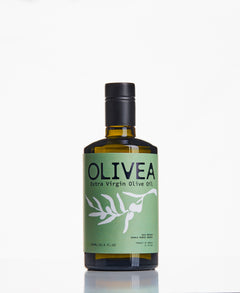
Olivea was built around the thing that actually determines your antioxidant intake: starting polyphenol concentration. The oil is filtered for clarity and stability, then independently lab-tested every harvest so the number on the label is the number in the bottle.
It comes from early-harvest Koroneiki olives grown on a single estate in Messinia, Greece, cold-pressed within hours at under 25°C, and sealed in dark glass to protect it from light. Koroneiki is prized as one of the most polyphenol-rich olive varieties in the world, and picking it early, while the fruit is still green, concentrates those compounds further. The brand was formulated with input from a Harvard-trained cardiologist, and it earned a 2026 Olympia Health & Nutrition Gold Standard of Excellence.
You are not trading polyphenols for clarity here. You get both.
Olivea High Phenolic Extra Virgin Olive Oil (500+ mg/kg)
This is the everyday workhorse. At 500+ mg/kg polyphenols, it carries roughly ten times the polyphenols of a standard supermarket EVOO and clears the EU high-phenolic threshold twice over.

The flavor is balanced: green and fruity up front, with a clean peppery finish that signals the oleocanthal is there. It is bold enough to notice, smooth enough to use on everything. At $35 (or $33 on subscription) and rated 4.58 stars, it is the bottle most people should start with.
Olivea Ultra High Phenolic Extra Virgin Olive Oil (1,000+ mg/kg)
For anyone optimizing hard, the Ultra High Phenolic oil is lab-verified at 1,000+ mg/kg, about twenty times standard EVOO and among the highest you can buy. It is the most decorated of the two, with a 4.99-star rating across 69 reviews.

The peppery kick is stronger, which is the point. A daily tablespoon clears the EFSA bar of 5 mg of hydroxytyrosol and derivatives, the amount linked to protecting blood lipids from oxidative damage. It runs $45.
| Feature | High Phenolic (500+ mg/kg) | Ultra High Phenolic (1,000+ mg/kg) |
|---|---|---|
| Polyphenols | 500+ mg/kg (~10× standard) | 1,000+ mg/kg (~20× standard) |
| Flavor intensity | Balanced, medium pepper | Bold, strong pepper |
| Best for | Daily cooking and finishing | Maximum antioxidant intake |
| Olive | Early-harvest Koroneiki, Messinia | Early-harvest Koroneiki, Messinia |
| Filtered for stability | Yes | Yes |
| Lab-tested each harvest | Yes | Yes |
| Rating | 4.58 stars | 4.99 stars (69) |
| Price | $35 ($33 subscription) | $45 |
Both come from the same estate and the same careful process. The only real question is how much pepper you want and how hard you are pushing your polyphenol intake. Many people keep both, or start with the High Phenolic EVOO Bundle. There is also a limited-edition VÉHICULE × Olivea Offshore early-harvest release for special occasions.
A No-Sediment, No-Spoilage Option: Olivea Hydroxytyrosol Supplement
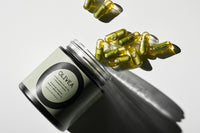
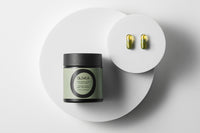
If your real goal is the antioxidants rather than the ritual of drizzling, there is a cleaner path. The Olivea Hydroxytyrosol Supplement delivers 20 mg of pure hydroxytyrosol plus high-phenolic EVOO in a capsule, with no taste, no sediment, and about five calories.

It solves the unfiltered oil's biggest weakness, degradation, by sidestepping it entirely. A capsule does not ferment in your pantry. At $40 and rated 4.85 stars, it is the easy way to hit your daily polyphenol target on busy days, and it pairs well with keeping a bottle of the oil for cooking.
The Best Unfiltered Olive Oils in 2026
If you still want a true unfiltered olive oil, these are the names that come up most often, and each is a real extra virgin oil with something going for it. Notice the pattern, though: nearly every one runs into the same limit, whether that is unverified polyphenols, an intensity you cannot use daily, or a short shelf window once the sediment starts to ferment.
Polyphenol figures below are producer-stated or estimated unless noted, since most unfiltered brands do not publish independent lab results. Here is how each compares to a filtered, lab-tested oil like Olivea.
| Oil | Origin | Polyphenols (stated/est.) | How it compares to Olivea |
|---|---|---|---|
| The Governor | Corfu, Greece | ~1,200 mg/kg (independently tested) | Too bitter to use daily |
| Kouzini Raw | Lakonia, Greece | Up to 5.5 mg per tbsp (producer) | Producer-stated, fades unfiltered |
| Papa Vince | Sicily, Italy | ~350–400 mg/kg (estimated) | Estimated specs, very intense |
| Paesano | Sicily, Italy | Not disclosed | No polyphenol data at all |
| Nuñez de Prado | Baena, Spain | Not disclosed (mild profile) | Milder, lower polyphenols |
| Frantoi Cutrera Primo | Sicily, Italy | ~400–500 mg/kg (estimated) | Estimated specs, patchy stock |
| Gaea Fresh | Greece | 350+ mg/kg tyrosol (producer) | Tyrosol-only figure, use fast |
| Bono Unfiltered | Sicily, Italy | ~250–300 mg/kg (estimated) | A blend near the threshold |
| McEvoy Ranch Olio Nuovo | California, USA | ~400–700 mg/kg (estimated) | Seasonal, fades fastest |
The Governor is independently tested at extraordinary levels, often cited around 1,200 mg/kg, so on raw polyphenol count it leads the unfiltered field. The catch is using it: it is so bitter and pricey that most people dose it by the teaspoon and leave the rest in the cupboard. Olivea's filtered 500 to 1,000+ mg/kg gives you verified polyphenols in a flavor you will actually pour every day.
Kouzini is the closest in spirit to Olivea, a single-origin Greek Koroneiki bottled in dark glass. But the up-to-5.5-mg-per-tablespoon figure is producer-stated rather than independently verified, and because it is unfiltered, those polyphenols start slipping the day it is bottled. Olivea uses the same olive, lab-tested each harvest and filtered so the number holds.
Papa Vince is a bold, grassy Sicilian oil with genuine farm-to-bottle transparency. Its polyphenols are only estimated, though, and the aggressive intensity makes it hard to use on anything delicate. For a verified number and a balance you can drizzle daily, Olivea is the easier call.
Paesano is a pleasant, fruity Sicilian oil at a friendly price. The catch is that it publishes no polyphenol data at all, so you are buying on taste alone with no idea what you are getting for your health. Olivea puts the lab number on every harvest, so there is nothing to guess.
Nuñez de Prado is a smooth, almond-and-citrus Spanish oil with real heritage. It leans deliberately gentle, which means lower polyphenols, so if you are buying for antioxidants rather than finishing flavor it is not the one. Olivea delivers the high, verified phenolics this oil was never built for.
Frantoi Cutrera Primo is an award-winning Sicilian oil with a vivid tomato-leaf character. Its phenolics are estimated, availability is patchy, and the price climbs once imported. Olivea matches the quality with a verified number, year-round stock, and filtration that keeps it stable.
Gaea Fresh is pressed quickly and labeled with a harvest date, which is more transparency than most. Still, the 350+ figure is producer-stated and covers tyrosol alone, and being unfiltered it is best finished fast. Olivea's full polyphenol panel is lab-verified and filtered to last.
Bono is a widely available organic option at a friendly price. It is a multi-region blend sitting right around the 250 mg/kg threshold rather than a single-estate high-phenolic oil, and even that level is only estimated. Olivea is single-estate, verified, and two to four times that threshold.
McEvoy Ranch Olio Nuovo is a vibrant California release that is genuinely exciting the week it lands. As an olio nuovo it also fades the fastest of any oil here, it is only sold seasonally, and its polyphenols are estimated. Olivea gives you that just-pressed potency in a form you can buy and rely on all year.
None of these are bad oils. They are simply built for a moment, the fresh-pressed weeks right after harvest, not for the months you actually spend working through a bottle. That is the gap Olivea closes: the same kind of high-polyphenol olive oil, filtered and lab-verified so it stays potent long after the cloudy bottles have faded.
How to Shop for High-Polyphenol Olive Oil

Use this checklist whether you end up buying filtered or unfiltered.
- Look for a polyphenol number, ideally from an independent lab, not just the word "premium." Above 250 mg/kg clears the EU threshold; above 500 is genuinely high.
- Check the harvest date, not just a "best by" date. Fresher is better, especially for unfiltered oil.
- Favor early-harvest and high-phenolic cultivars like Koroneiki, Coratina, or Moraiolo.
- Want it cloudy? Buy small and use it fast. Treat unfiltered oil like fresh produce.
- Want it to last? Choose filtered and store it cool, dark, and tightly capped.
- Trust the peppery throat-catch. That cough is oleocanthal, a real sign of polyphenols. The cough is the proof.
For a deeper dive, see our guides to the healthiest olive oils, the best polyphenol-rich olive oils, and how to spot real olive oil.
Run that checklist against Olivea and it ticks every box: a lab-verified polyphenol number on every harvest, early-harvest Koroneiki olives, dark glass packaging, and filtration that keeps the oil stable instead of fading. That is the whole reason the High Phenolic EVOO at 500+ mg/kg and the Ultra High Phenolic EVOO at 1,000+ mg/kg are the bottles we keep on the counter. You do not have to guess, the number is on the report.
Frequently Asked Questions

What is the best unfiltered olive oil?
Among true unfiltered oils, Kouzini Greek Raw is our overall pick for balance and quality, and The Governor leads on raw polyphenols at around 1,200 mg/kg. Just remember unfiltered oil fades fast, so for stable, everyday health benefits a filtered high-phenolic oil like Olivea (500+ mg/kg, lab-tested) is the more reliable choice.
Is unfiltered olive oil healthier than filtered?
Only marginally, and only at first. Unfiltered oil holds about 5% more polyphenols at bottling, but that edge erodes as the sediment ferments and oxidizes. A filtered oil that starts higher, say 500+ mg/kg, delivers more antioxidants over the life of the bottle than a cloudy oil that started low.
Does filtering olive oil remove the polyphenols?
It removes some. A gentle cotton filter trims roughly 7 to 13%, while an aggressive press can remove 35 to 42%. Even after a heavy filter, a 1,000 mg/kg oil still holds around 600 mg/kg, far above the 250 mg/kg high-phenolic threshold.
Is cloudy olive oil better quality?
No. Cloudiness only tells you the oil was not filtered. It says nothing about polyphenol content, which depends on the olive variety, harvest timing, and pressing. Plenty of clear oils outperform cloudy ones on antioxidants.
Is Olivea filtered or unfiltered?
Olivea is filtered for clarity and stability, then lab-tested each harvest. That is deliberate: it keeps the oil's high polyphenol levels (500+ and 1,000+ mg/kg) stable over months instead of letting sediment degrade them.
Does unfiltered olive oil expire faster?
Yes. Because it still contains water and olive particles, unfiltered oil is best used within roughly 12 months of harvest, and ideally much sooner. Filtered oil stays fresh longer under the same storage.
Should you refrigerate olive oil?
No. Store any good olive oil in a cool, dark cupboard, not the fridge. Refrigeration makes it cloudy and can turn it semi-solid, and it is unnecessary for freshness.
Why does high-polyphenol olive oil taste peppery?
That peppery burn at the back of your throat is oleocanthal, a polyphenol with anti-inflammatory properties similar to ibuprofen. The stronger the catch, generally the higher the polyphenols.
Can you cook with filtered or unfiltered olive oil?
Yes, both handle low to medium heat well, with a smoke point around 375 to 410°F. Filtered oil is the more dependable everyday cooking oil because it stays stable. Save delicate unfiltered oils for finishing while they are fresh.
What is the best olive oil to drink daily for health?
A high-polyphenol, lab-tested oil you will actually finish before it degrades. A filtered oil like Olivea's High Phenolic (500+ mg/kg) or Ultra High Phenolic (1,000+ mg/kg) is built for daily use because it holds its antioxidants over time.
What if I want the benefits without the oil?
A concentrated supplement is the simplest route. Olivea's Hydroxytyrosol Supplement gives you 20 mg of hydroxytyrosol and about five calories in a capsule, with no taste, no sediment, and nothing to spoil.
Chase the Number, Not the Haze
Unfiltered olive oil earned its reputation honestly. Fresh off the press it is vibrant, green, and a little richer in antioxidants. The trouble is that the cloudiness everyone treats as a health badge is mostly water and pulp, and that is exactly what makes the oil fade, ferment, and lose its polyphenols faster than a clear oil does.
The smarter move is to look past the haze and trust the lab-verified number. Pick an oil with high, proven polyphenols and the stability to keep them.

That is the whole idea behind Olivea. Start with High Phenolic EVOO at 500+ mg/kg for balanced daily use, step up to Ultra High Phenolic at 1,000+ mg/kg for maximum intake, keep both with the bundle, or reach for the Hydroxytyrosol Supplement on the days you just want the benefits. Filtered, lab-tested, and built to stay potent, it is the cloudy-oil myth answered with a clear bottle.
When Harvard researchers tracked more than 90,000 people for nearly three decades and found that half a tablespoon of olive oil a day was linked to a 19% lower risk of death from any cause, this is the kind of oil they meant: high in polyphenols, and still potent by the time you actually use it.
Editorial Information
Editorial note. This article is published by Olivea and includes Olivea’s own product among those reviewed. Pros, cons, and rankings reflect the editorial perspective of the Olivea team.
Comparison note. Specs, prices, and label information for non-Olivea products are based on publicly available sources at the time of publication and may have changed. Verify directly with each brand before purchase.