
This site has limited support for your browser. We recommend switching to Edge, Chrome, Safari, or Firefox.
UK customers — find us on Healf →
Creamy Lemon Pasta (Easy 20-Minute Recipe)

Creamy Lemon Pasta (Easy 20-Minute Recipe)

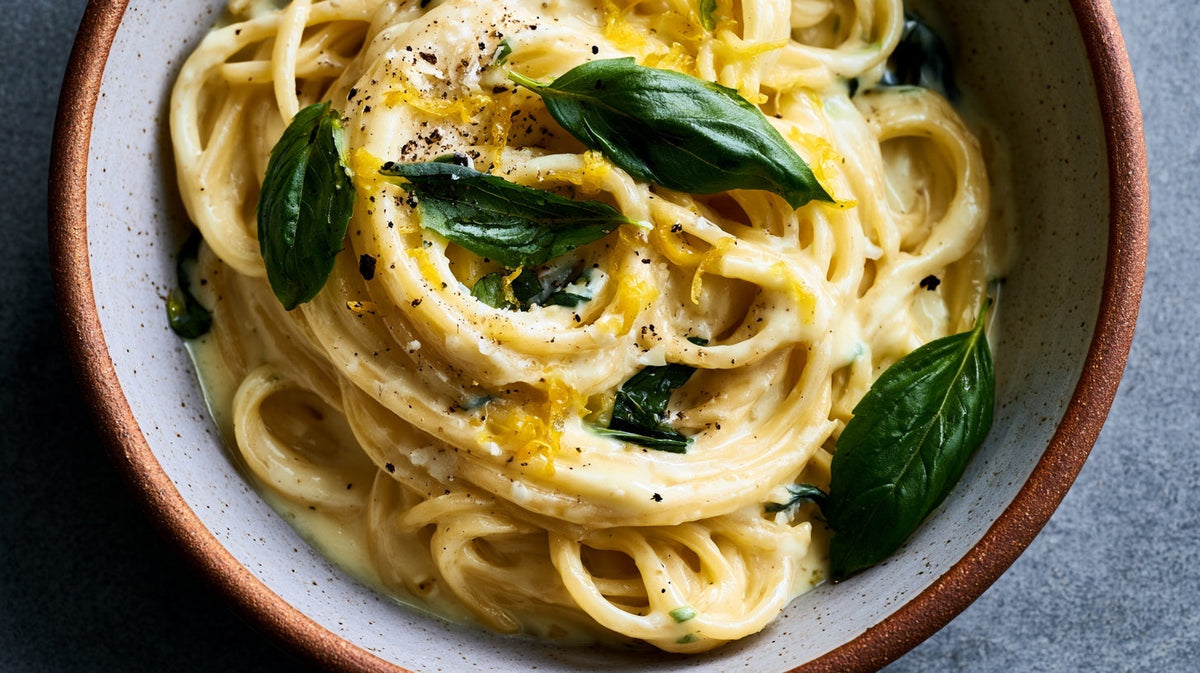
Creamy lemon pasta with a silky sauce of cream, parmesan, garlic, and fresh lemon, built on a base of fruity extra virgin olive oil. The peppery oil and bright citrus keep every bite balanced, never heavy, and it lands on the table in about twenty minutes.

Jump to Recipe
Prep 5 min
Cook 15 min
Total 20 min
Easy

Why We Love This Recipe

We love this creamy lemon pasta because a bowl of comfort food can still feel light and fresh. Fresh lemon brings vitamin C and bright citrus oils, garlic adds its own aromatic compounds, and a handful of chopped parsley folds in a little vitamin K and color. The sauce stays balanced rather than heavy because the acidity of the lemon cuts the richness of the cream, so the dish reads as bright and satisfying at once.

The base of that sauce is High Phenolic Extra Virgin Olive Oil, where the garlic blooms before the cream goes in. It is rich in polyphenols, especially hydroxytyrosol, the most studied olive polyphenol, lab-verified at 500+ mg/kg total polyphenols and qNMR-verified by the University of Athens. That same peppery, slightly bitter character you taste in a fresh high-phenolic oil is the polyphenols themselves, so the oil that rounds out this sauce is also what carries its flavor. Olivea is developed with Harvard-trained cardiologists, USDA Certified Organic, single-origin from Messinia, Greece, early harvest, and cold-pressed within hours. Polyphenols are highest in a fresh bottle and fade with time and heat, so a raw finishing drizzle of Ultra High Phenolic Extra Virgin Olive Oil over the plated pasta is how the most of them reach the table. If you want to read more, here is how hydroxytyrosol is absorbed, and the wider science behind the oil.

Extra virgin olive oil is the cornerstone fat of the Mediterranean diet and is rich in monounsaturated fats, so building this pasta on a fruity, peppery oil keeps a rich dish grounded in a pattern of eating people have enjoyed for generations.

View Nutrition Facts

Recipe Success Tips

Use both the zest and the juice.

The zest holds the fragrant lemon oils and the juice brings the acidity. Grate the zest with a microplane before you juice the lemon, and add the zest to the warm cream so the sauce smells of lemon, not just tastes sour.

Reserve a full cup of pasta water.

The starchy water is what loosens and emulsifies the sauce into something silky. Scoop out a cup before you drain, then add it a splash at a time as you toss until the sauce coats every strand and slides rather than clumps.

Temper the cream so the lemon does not curdle.

Acid can split a hot cream sauce. Add the lemon juice off direct high heat, stir it in steadily, and keep the pan at a gentle simmer rather than a hard boil so the sauce stays smooth.

Grate the parmesan fresh and add it off the heat.

Pre-shredded cheese carries anti-caking agents that turn grainy. Grate a block finely and stir it in once the pan is off the burner so it melts into the sauce instead of seizing.

Bloom the garlic in High Phenolic Extra Virgin Olive Oil.

Warming the garlic gently in a fruity, gently peppery oil pulls out its aroma without browning it, and gives the sauce a savory base before any cream goes in. Keep the heat moderate so the garlic turns fragrant and pale gold, never bitter.

Finish raw with a fresh, peppery oil.

A thread of Ultra High Phenolic Extra Virgin Olive Oil over the finished bowl adds a grassy, peppery lift right before serving. Reaching for a fresh, high-phenolic oil at the end is how its flavor and polyphenols reach the plate at their best.

Ingredients

4
servings
  • 3 tablespoons High Phenolic Extra Virgin Olive Oil
  • 12 oz spaghetti or linguine
  • 3 garlic cloves, minced
  • 3/4 cup heavy cream
  • 3/4 cup parmesan, finely grated
  • 1 large lemon, zested and juiced
  • 1 tsp kosher salt
  • 1/2 tsp black pepper, freshly ground
  • 2 tbsp flat-leaf parsley, chopped
  • 1 tablespoon Ultra High Phenolic Extra Virgin Olive Oil, for finishing

Kitchen Tools You'll Need

Large Pot
Large Skillet
Microplane or Zester
Box Grater
Tongs

How to Cook Creamy Lemon Pasta (Easy 20-Minute Recipe)

PREP

1
Bring a large pot of well-salted water to a boil. Zest the lemon with a microplane, then juice it and set both aside separately. Finely grate the parmesan and mince the garlic.

COOK

2
Cook the pasta until just shy of al dente, about a minute less than the package time. Before draining, scoop out a full cup of the starchy pasta water and reserve it.
3
While the pasta cooks, warm the High Phenolic Extra Virgin Olive Oil in a large skillet over medium heat and add the minced garlic. Cook gently until fragrant and pale gold, about a minute, letting the fruity, gently peppery oil carry the garlic evenly into the base of the sauce.
4
Pour in the heavy cream and the lemon zest, bring to a gentle simmer, and let it bubble softly for two to three minutes until slightly thickened. Lower the heat, then stir in the lemon juice steadily so the sauce stays smooth.

FINISH

5
Take the pan off the heat and stir in the grated parmesan until melted and glossy. Add the drained pasta and toss, loosening with splashes of reserved pasta water until the sauce is silky and coats every strand. Season with salt and freshly ground black pepper.
6
Plate the pasta, scatter the chopped parsley over the top, and finish each bowl with a thread of Ultra High Phenolic Extra Virgin Olive Oil for a fresh, peppery lift right before serving.

Recipe Notes

This pasta is rich enough to stand alone, but a simple green salad with a sharp lemon vinaigrette keeps the meal bright. For a heartier plate, add seared chicken or shrimp, or serve it the way you would lemon ricotta pasta, with crusty bread alongside to catch the sauce.
For a lighter, dairy-free take, skip the cream and parmesan and build a silky emulsion from pasta water and olive oil the way classic pasta al limone does. If you would rather lean on butter than cream, our lemon butter pasta is the companion recipe, and a no-cook lemon pesto pasta is a fresh summer alternative.
Bloom the garlic and build the sauce with the High Phenolic Extra Virgin Olive Oil, which is smooth and balanced under gentle cooking heat. Then finish the plated pasta with a raw drizzle of the bolder, more peppery Ultra High Phenolic for a fresh top note. One oil cooks the base, the other finishes it.
Cream sauces are best fresh, but leftovers keep in an airtight container in the fridge for up to three days. Reheat gently over low heat with a splash of water or milk, stirring until the sauce comes back together. Store your olive oil away from heat and light to keep its flavor and freshness.

Nutrition Facts per Serving

Nutrition Facts
Serving size 1 plate (about 1/4 recipe)
Calories 560
% Daily Value*
Total Fat 27g35%
Saturated Fat 11g55%
Trans Fat 0g
Unsaturated Fat 15g
Monounsaturated Fat 11g
Polyunsaturated Fat 2g
Cholesterol 55mg18%
Sodium 720mg31%
Total Carbohydrate 64g23%
Dietary Fiber 3g11%
Total Sugars 3g
Includes 0g Added Sugars 0%
Protein 17g34%
Vitamin A 120mcg13%
Vitamin C 9mg10%
Vitamin D 0mcg0%
Calcium 260mg20%
Iron 2mg11%
Potassium 260mg6%
* Percent Daily Values are based on a 2,000 calorie diet.

The Best No-Cook Way to Get Olive Oil Benefits

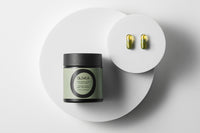
Finishing this pasta with a fresh, peppery drizzle of high-phenolic olive oil is one of the easiest ways to enjoy its polyphenols and flavor on the plate. For an easy daily polyphenol habit without cooking, the Olivea Hydroxytyrosol Supplement delivers a consistent dose of olive polyphenols in a single capsule.
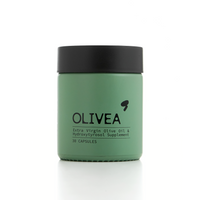
Olivea Hydroxytyrosol Supplement
$40.00
Add to Cart

Frequently Asked Questions

Keep the sauce at a gentle simmer rather than a hard boil, and stir the lemon juice in off direct high heat. Heavy cream has enough fat to hold up to the acid, and adding the parmesan off the heat keeps the sauce smooth and glossy.
Long strands like spaghetti or linguine catch the silky sauce best, but short shapes such as penne or rigatoni also work well. Cook the pasta just shy of al dente so it finishes in the sauce and stays springy.
Yes. For a lighter version, skip the cream and emulsify a glossy sauce from starchy pasta water, parmesan, and olive oil, the way classic pasta al limone is made. The result is brighter and less rich, but still silky.
One large lemon, using both the zest and the juice, is right for four servings. The zest carries the fragrant lemon oils and the juice brings the acidity, so using both gives a rounded lemon flavor rather than a one-note sourness.
Use a smooth, balanced high-phenolic extra virgin olive oil to bloom the garlic and build the sauce, since it holds up well to gentle cooking heat. Finish the plated pasta with a raw drizzle of a bolder, more peppery oil for a fresh lift.
Yes, as written it is vegetarian. To keep it strictly so, use a vegetarian-style parmesan made without animal rennet, which many brands now offer.
Store leftovers in an airtight container in the fridge for up to three days. Reheat gently over low heat with a splash of water or milk, stirring until the sauce comes back together, since cream sauces can tighten as they cool.
Blooming the garlic in extra virgin olive oil builds a savory, aromatic base before the cream goes in, and it adds the fruity, peppery character that keeps a rich sauce from tasting flat. Olive oil is also the cornerstone fat of the Mediterranean diet.
Add a protein such as seared chicken, shrimp, or pan-fried salmon, and serve a green salad alongside. A sprinkle of extra parmesan and parsley rounds out the plate.
Asparagus, peas, spinach, or broccolini all suit the bright lemon sauce. Add quick-cooking greens in the last minute of tossing, or stir in blanched vegetables so they warm through without overcooking.

Cart

No more products available for purchase