
This site has limited support for your browser. We recommend switching to Edge, Chrome, Safari, or Firefox.
UK customers — find us on Healf →
Creamy Pesto Risotto With Toasted Pine Nuts

Creamy Pesto Risotto With Toasted Pine Nuts

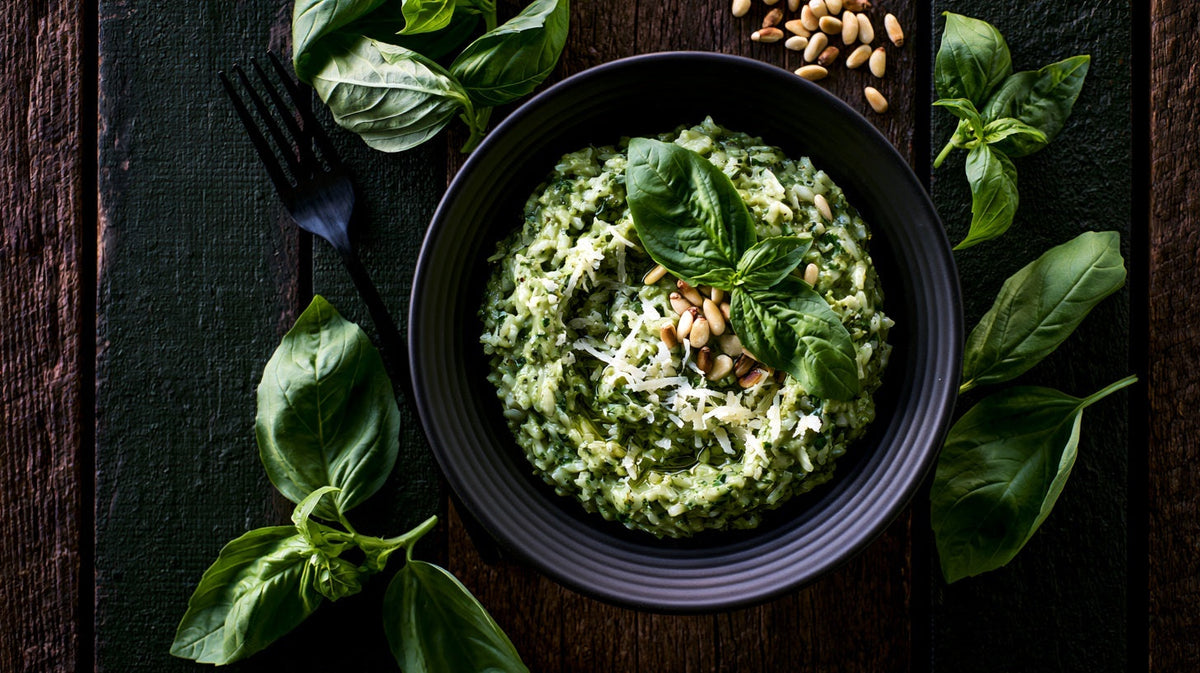
This pesto risotto is creamy, herb-green, and built on good extra virgin olive oil from the first grain of rice to the last drizzle. Fresh basil pesto and Parmesan fold through the arborio, and a raw swirl of high-phenolic oil brings the peppery finish and toasted pine nuts on top.

Jump to Recipe
Prep 15 min
Cook 30 min
Total 45 min
Intermediate

Why We Love This Recipe

Pesto risotto is a plate built the Mediterranean way: good olive oil, fresh basil, garlic, a little cheese, and a handful of pine nuts. Olive oil is the cornerstone fat of the Mediterranean diet, and this dish leans on it at every stage rather than reaching for butter alone. Rich in monounsaturated fats and made with real herbs, it is comfort food that fits the way of eating Olivea is built to support.

The base is cooked in High Phenolic Extra Virgin Olive Oil, our smooth, balanced cooking oil that is rich in polyphenols, specifically hydroxytyrosol. It is USDA Certified Organic, single-origin from Messinia, Greece, early harvest and cold-pressed within hours, qNMR-verified by the University of Athens, and developed with Harvard-trained cardiologists.

Polyphenols are highest in a fresh bottle and fade with time, light, and heat, so we save the boldest oil for last. A raw swirl of Ultra High Phenolic stirred into the basil pesto and drizzled over each bowl gets more of those polyphenols to the plate, and the peppery bite you taste is the polyphenols themselves. For the science behind that peppery finish, see the polyphenol research.

View Nutrition Facts

Recipe Success Tips

Keep the broth hot

Hold your broth at a gentle simmer in a separate pan and ladle it in warm. Cold liquid stalls the cook and gives you gluey, unevenly softened grains instead of a loose, creamy risotto.

Taste your oils before you cook

High Phenolic is smooth and balanced for the base, while Ultra High Phenolic is bold and peppery for the pesto and the finish. That peppery bite is the polyphenols you can taste, so save the Ultra for raw uses where its flavor comes through.

Toast the rice properly

Stir the arborio in the warm oil for a full two minutes until the edges look translucent and it smells faintly nutty. This step sets the structure that lets the grains stay al dente while the outside turns creamy.

Stir the pesto in off the heat

Pull the pan off the burner before you fold in the basil pesto. Keeping it away from direct heat protects the fresh green color and the raw Ultra oil in the pesto.

Salt in layers

Season lightly as you build, then taste at the end. Parmesan and pesto both bring salt, so a heavy hand early can push the finished risotto over the edge.

Serve it loose

Risotto keeps tightening as it sits, so plate it a touch looser than looks right. A splash of warm broth just before serving brings it back to a spoonable texture.

Ingredients

4
servings
  • 2 tablespoons High Phenolic Extra Virgin Olive Oil
  • 1 1/2 cups Arborio rice
  • 1 large Shallot, finely diced
  • 3 cloves (1 for the base, 2 for the pesto) Garlic cloves
  • 1/2 cup Dry white wine
  • 5 cups Vegetable broth, warm
  • 2 cups Fresh basil leaves, packed
  • 3/4 cup Parmesan cheese, finely grated
  • 1/3 cup Pine nuts, toasted
  • 1 Lemon
  • 1 teaspoon, plus more to taste Kosher salt
  • 1/2 teaspoon Black pepper, freshly ground

Kitchen Tools You'll Need

Heavy-bottomed pan or Dutch oven
Small saucepan for the broth
Ladle
Wooden spoon
Food processor or mortar and pestle
Microplane or fine grater

How to Cook Creamy Pesto Risotto With Toasted Pine Nuts

Make the basil pesto

1
Toast the pine nuts in a dry pan over medium-low heat until golden and fragrant, about 3 minutes, then set aside a spoonful for garnish.
2
Combine the basil, 2 garlic cloves, most of the toasted pine nuts, 1/2 cup of the Parmesan, and a pinch of salt in a food processor.
3
With the motor running, stream in the Ultra High Phenolic Extra Virgin Olive Oil, holding back about 2 teaspoons for the finish. Its bold, peppery flavor is what carries this pesto. Pulse to a loose, spoonable paste and set aside off the heat.

Build the risotto

4
Warm the vegetable broth in a small saucepan and keep it at a gentle simmer.
5
Heat the High Phenolic Extra Virgin Olive Oil in a heavy pan over medium heat. Its smooth, balanced flavor carries the shallot and garlic without overpowering them. Add the diced shallot with a pinch of salt and cook until soft and translucent, about 4 minutes, then stir in the remaining garlic clove for 30 seconds.
6
Add the arborio rice and toast, stirring, for 2 minutes until the edges turn translucent and the grains smell faintly nutty.
7
Pour in the white wine and stir until it is almost fully absorbed.
8
Add the warm broth one ladle at a time, stirring often and letting each addition absorb before the next. Continue for 18 to 22 minutes until the rice is creamy and al dente.

Finish

9
Pull the pan off the heat. Fold in the basil pesto, the remaining Parmesan, and a squeeze of lemon, adding a splash of warm broth if it looks tight.
10
Taste and adjust with salt and freshly ground black pepper.
11
Spoon into warm bowls, finish each with a raw drizzle of the reserved Ultra High Phenolic Extra Virgin Olive Oil for a peppery, aromatic top note, and scatter the reserved toasted pine nuts over the top.

Recipe Notes

Fold in roasted zucchini, blanched peas, or asparagus at the end for a summer version. For the technique behind a perfect creamy base, our step-by-step risotto method walks through every ladle, and a garden vegetable risotto is a good template for whatever produce you have on hand.
Store-bought pesto works in a pinch, but a homemade batch stirred with raw Ultra High Phenolic oil tastes brighter and greener. For a citrus-forward twist, try this bright lemon basil pesto in place of the classic.
If your table leans classic, dial back the pesto and build on Parmesan the way our creamy Parmesan risotto does, then add just a spoonful of pesto and a drizzle of Ultra oil at the end.
Cook the base in the smooth, balanced High Phenolic oil so its flavor supports the shallot and rice rather than dominating. Save the bold, peppery Ultra High Phenolic for the raw pesto and the finishing drizzle, where its taste and aroma come through fully.
Refrigerate leftovers in an airtight container for up to 3 days. Reheat gently on the stove with a splash of warm broth to loosen it, then finish the reheated bowl with a fresh drizzle of Ultra High Phenolic oil, since risotto does not freeze well.

Nutrition Facts per Serving

Nutrition Facts
Serving size about 1 1/2 cups (350g)
Calories 540
% Daily Value*
Total Fat 29g37%
Saturated Fat 6g30%
Trans Fat 0g
Cholesterol 15mg5%
Sodium 680mg30%
Total Carbohydrate 56g20%
Dietary Fiber 2g7%
Total Sugars 3g
Protein 13g
Calcium 220mg17%
Iron 2mg11%
Potassium 210mg4%
* Percent Daily Values are based on a 2,000 calorie diet.

The Best No-Cook Way to Get Olive Oil Benefits

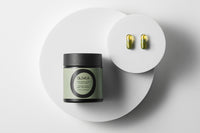
Love the peppery lift that fresh high-phenolic oil brings to this bowl? The Olivea Hydroxytyrosol Supplement is an easy way to make polyphenols a daily habit on the days you are not cooking with the bottle.
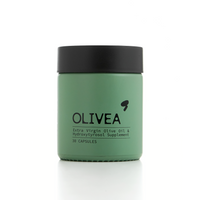
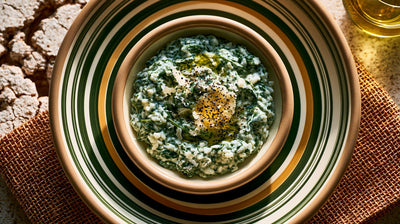
Olivea Hydroxytyrosol Supplement
$40.00
Add to Cart

Frequently Asked Questions

Arborio is the classic choice for pesto risotto. Its high starch content is what releases into the liquid and gives you that signature creamy texture while the grains stay al dente. Carnaroli works well too if you can find it.
Yes. A good jarred basil pesto makes this weeknight fast. For the brightest flavor, stir in a spoonful of raw high-phenolic olive oil and a squeeze of lemon to freshen it up before it goes into the rice.
Fresh basil pesto keeps its green color and lively flavor best when it is folded in off the heat. Stirring it in at the finish, rather than cooking it down, keeps the risotto vivid and aromatic.
Use a smooth, balanced extra virgin olive oil to cook the base so it supports the shallot and rice. Save a bold, peppery high-phenolic oil for the raw pesto and the finishing drizzle, where its flavor and aroma come through fully.
It fits comfortably into a Mediterranean-diet pattern. It is built on extra virgin olive oil, which is rich in monounsaturated fats and polyphenols, along with fresh basil, garlic, and pine nuts. Serving it with a green salad rounds out the plate.
Yes. Swap the Parmesan for a plant-based hard cheese or a spoonful of nutritional yeast, and make sure your pesto is dairy-free. The olive oil does the heavy lifting on richness, so it still turns out creamy.
Add warm broth a little at a time and stir often so the starch releases gradually. Keep the rice at a gentle simmer and pull it while it is still al dente. Serving it a touch loose keeps the texture spoonable.
It stands on its own as a main, or works as a side alongside roasted chicken, seared fish, or grilled vegetables. A crisp green salad and a glass of white wine round out the meal.
Risotto is best fresh, but you can par-cook it, spread it on a tray to cool, then finish with hot broth and the pesto just before serving. Store leftovers in the fridge for up to 3 days and reheat gently with a splash of broth.
It brings a peppery, slightly bitter bite that you notice most in the raw finishing drizzle. That peppery character is the polyphenols you can taste, and it plays beautifully against the creamy rice and the herby pesto.

Cart

No more products available for purchase