

Does Olive Oil Go Bad? Complete Guide to Freshness & Storage
A 2010 UC Davis study found that 73% of samples from the five top-selling imported EVOO brands in California failed international sensory standards. Many showed defects like rancidity, fustiness, and other signs of degradation. If you've ever wondered whether the oil in your pantry is still good, the odds may not be in your favor.

Olive oil is essentially fresh fruit juice. The moment those olives are pressed, oxidation begins. Oxygen, light, and heat are all working against your oil from day one. Unlike wine, olive oil doesn't improve with age. It degrades. And the degradation doesn't announce itself with obvious warning signs.
This guide covers exactly how to tell if your olive oil has gone rancid, how long it actually lasts, and the storage secrets that keep it fresher longer. Whether you're buying olive oil for its health benefits or its flavor, freshness is everything.
Does Olive Oil Expire?
The short answer: yes, but not the way most foods do. Olive oil doesn't have a hard expiration date, and it won't suddenly become toxic on a specific day. Instead, it degrades gradually through oxidation, a chemical process where oxygen reacts with the oil's fatty acids and polyphenols.

The Problem with "Best By" Dates
The date on most olive oil bottles is a guideline set by the manufacturer, often two years from the bottling date. But that date tells you almost nothing about how old the oil actually is:
-
An olive oil bottled two years after harvest will be degraded long before the best-by date arrives.
-
Oil could sit in a warehouse for months before reaching store shelves.
-
You have no way to know how long the bottle sat under fluorescent lighting at the store.
Rancid Oil Probably Won't Make You Sick, But It Could Still Hurt You
Consuming small amounts of rancid olive oil is unlikely to cause acute illness like food poisoning. But that doesn't make it harmless. Oxidized oils contain free radicals and lipid oxidation byproducts that, over time, may contribute to inflammation and cellular damage. Animal studies have linked oxidized oil consumption to liver inflammation, gut tissue damage, and depletion of vitamins B and E. The bigger problem for most people is subtler: you're losing the very benefits you bought the olive oil for.
When olive oil oxidizes, its polyphenol content plummets. These are the anti-inflammatory and antioxidant compounds that make olive oil a cornerstone of the Mediterranean diet. Once they degrade, you're consuming calories and fat without the health benefits. If you're taking olive oil for heart health, cognitive function, or longevity, expired oil defeats the purpose entirely.
Why Harvest Date Is the Only Date That Matters
The harvest date tells you when the olives were actually pressed. That's the only way to make an informed decision about freshness. Unfortunately, most brands don't include one.
This is why Olivea includes a harvest date on every bottle. Transparency about age is the only way to guarantee you're buying fresh oil.
How Long Does Olive Oil Last?
Shelf life depends on three factors: the type of olive oil, whether the bottle has been opened, and how well it's stored. Here's what you can realistically expect.
|
Type |
Unopened |
Opened |
|
Extra Virgin Olive Oil |
18-24 months |
3-6 months |
|
Virgin Olive Oil |
18-24 months |
3-6 months |
|
Refined/Light Olive Oil |
Up to 24 months |
6-8 months |
|
Infused Olive Oil |
6-12 months |
1-3 months |
These timelines assume proper storage in a cool, dark place. They're also conservative estimates. An unopened bottle stored next to your stove will degrade much faster than one hidden in a dark pantry.
What Shortens Shelf Life
-
Light exposure degrades polyphenols rapidly. Clear glass bottles are your enemy.
-
Heat accelerates oxidation. Every 10°C (18°F) increase roughly doubles the rate.
-
Air exposure introduces oxygen every time you open the bottle.
-
Low polyphenol content means fewer natural antioxidants to protect the oil from within.

What Extends Shelf Life
-
High polyphenol content acts as the oil's built-in antioxidant defense system. These polyphenols sacrifice themselves to neutralize free radicals before the oil itself degrades.
-
Dark glass storage blocks UV light.
-
Cool temperatures slow all oxidation reactions.
-
Smaller bottles mean you finish them faster, limiting cumulative air exposure.
The Polyphenol Advantage
A critical insight: high-polyphenol EVOOs naturally last longer because they have more antioxidant protection. Since polyphenols sacrifice themselves to neutralize free radicals before the oil itself degrades, an oil with 1000+ mg/kg of polyphenols has significantly more built-in defense than an oil with 150 mg/kg. Choosing a premium, high-polyphenol olive oil directly addresses the freshness problem while simultaneously delivering more health benefits.
7 Signs Your Olive Oil Has Gone Bad
Not sure if your bottle is still good? Here are the telltale signs that your olive oil has passed its prime, starting with the most obvious.

1. It Smells Like Crayons or Putty
Fresh EVOO has a distinctive aroma: grassiness, fruitiness, or herbaceous notes depending on harvest time and olive variety. The smell is alive and complex.
Rancid olive oil smells like:
-
Crayons or wax
-
Elmer's glue
-
Wet cardboard
-
Old peanuts
-
Putty or Play-Doh
This is the smell of oxidized oil. It's not subtle once you know what to look for. If your olive oil smells like anything other than fresh olives and herbs, it's gone bad.
2. The Flavor Is Flat or Greasy
Fresh EVOO has a peppery bite on the back of your throat, courtesy of a polyphenol called oleocanthal. You also notice fruitiness, complexity, and sometimes a slight bitterness. The taste is crisp and clean.
Rancid olive oil tastes flat, greasy, and utterly lifeless. There's no peppery finish, no throat sting, no complexity. It coats your mouth with a greasy feeling that lingers unpleasantly.

3. It Tastes Musty or Vinegary
Some olive oils taste musty, moldy, or vinegary from the moment you buy them. These flavors indicate specific defects: poor storage before bottling or low-quality olives to begin with, often called "fusty" or "musty" notes.
If your olive oil suddenly develops these flavors after you've had it a while, the oil has degraded beyond simple oxidation. Time to replace it.
4. The Color Has Changed Significantly
Color alone doesn't determine quality. Some of the highest-quality EVOOs are pale yellow, while others are deep green. Color depends on olive variety, harvest time, and filtration.
What to watch for instead: if your olive oil has been sitting for months and is visibly darker or lighter than when you first opened it, something has changed. A dramatic shift toward brown or muddy tones suggests degradation.

5. There's No Peppery Finish
The peppery sensation at the back of your throat when you taste fresh EVOO is a hallmark of quality. This comes from polyphenols, especially oleocanthal, which activate pain receptors in your throat. It's that slight burn or tingle that lingers.
When this disappears, the polyphenols have degraded. The oil is still edible, but it's lost its most powerful health properties. If you're buying olive oil for its anti-inflammatory and antioxidant effects, the absence of that peppery finish signals the oil has expired as far as health benefits are concerned.
6. It's Been Open for More Than 6 Months
Even if your olive oil smells and tastes fine, if you opened the bottle more than six months ago, it's time to replace it.
As a general guideline, most experts recommend using opened EVOO within three to six months. The exact rate of degradation depends on storage conditions, starting polyphenol levels, and how often the bottle is opened. But after six months of regular use, even well-stored oil has likely lost meaningful polyphenol content.
7. There's No Harvest Date on the Bottle
This is perhaps the most reliable indicator that you're buying oil that's potentially too old. Without a harvest date, you have absolutely no idea how long ago those olives were pressed.
A best-by date printed two years from bottling tells you nothing. The oil could have been bottled six months after harvest, meaning it was already aging before it arrived in stores. By the time you buy it, it could be 18 months old.
When a brand doesn't include a harvest date, it may indicate less emphasis on freshness transparency. Premium producers like Olivea include harvest dates on every bottle because freshness is central to the product's value.
Why Rancid Olive Oil Is a Problem
It's tempting to shrug off a slightly old bottle of olive oil. A small taste of rancid oil probably won't cause immediate harm. But the cumulative health cost is real and worth understanding.

What You Lose
-
Polyphenols disappear. The anti-inflammatory and antioxidant compounds that make olive oil a health food degrade first.
-
Flavor vanishes. The complex, peppery character that makes EVOO special goes flat.
-
Protective value flips. As oxidation accelerates, the oil generates free radicals: unstable molecules that may contribute to inflammation and cellular damage over time. Rather than fighting oxidative stress, heavily rancid oil may add to it.
The Research Gap
The research on olive oil's health effects, cardiovascular protection, cognitive benefits, longevity, is built on studies using fresh, high-quality oil. Consuming rancid olive oil doesn't deliver those results. You can't cite the Mediterranean diet's benefits while using oil that's been sitting in a clear bottle under store lights for a year.
Explore the peer-reviewed research on olive oil's health benefits by visiting our science-backed resource page.
What Makes Olive Oil Go Bad?
Four forces work against your olive oil from the moment it's pressed. Understanding each one helps you fight back.

Oxidation
Oxidation is the primary cause of rancidity. Oxygen in the air reacts with unsaturated fatty acids and polyphenols in the oil, degrading beneficial compounds and creating off-flavors.
Every time you open the bottle, you introduce oxygen. Even if you seal it tightly, you've introduced a dose that will continue reacting. Over weeks and months, this continuous oxidation transforms fresh, vibrant EVOO into flat, rancid oil.
Light
Ultraviolet light breaks down polyphenols and chlorophyll, the compounds that give olive oil its color and much of its health value.
UV light doesn't just fade the color. It actively destroys the beneficial chemistry of the oil. Every day your olive oil sits on a sunny shelf or in a bright kitchen, light energy is breaking down protective compounds. This is why EVOO in clear glass bottles degrades far faster than oil in dark glass.
Heat
Temperature accelerates oxidation. According to the Q10 rule in chemistry, reaction rates roughly double for every 10°C (18°F) increase in temperature.
Storing your olive oil next to your stove or above it is one of the most common storage mistakes. Your oil will degrade in weeks rather than months. Keep it as far from heat sources as possible.
Time
Even in perfect conditions, olive oil can't stay fresh forever. Polyphenols degrade naturally over time as a function of chemical stability. The clock starts when the olives are pressed, and nothing stops it.
This is why harvest dates matter so much. An oil pressed three months ago is fresher than one pressed fifteen months ago, regardless of storage. Time is the one enemy you can't fully defeat, only manage.
How to Store Olive Oil Properly
Proper storage can't prevent degradation, but it slows it dramatically. Here are the rules to follow.

Location
-
Store in a cool pantry between 60 and 72°F. Never above your stove, near windows, or on open shelves where light reaches it.
-
A dark cabinet is ideal. The less light and heat exposure, the better.
Container
-
Dark glass bottles or metal tins only. Never clear glass or plastic.
-
Dark glass blocks UV light. Metal tins offer even better protection.
-
Don't transfer to decorative dispensers unless you'll use the oil within two weeks.
Sealing
-
Seal the bottle tightly after every use. Loose caps allow air exchange over time.
-
Minimize the time the bottle stays open while cooking.
Sizing
-
Buy smaller bottles you'll finish in two to three months. A one-liter bottle sits around for six months, degrading steadily. A 500-milliliter bottle gets used faster and stays fresher.
-
Adopt the "fresh fruit juice" rule: treat olive oil like a perishable item, because it is.
Why Polyphenols Are the Key to Longer-Lasting Olive Oil
Polyphenols don't just deliver health benefits. They also protect the olive oil itself from going bad. Understanding this dual role changes how you think about choosing an oil.
How Polyphenols Protect the Oil
As oxidation begins, polyphenols sacrifice themselves first, neutralizing free radicals before they can degrade the oil's fatty acids. They're the oil's built-in antioxidant defense system. More polyphenols means more protection, and a longer shelf life.
|
Polyphenol Level |
Typical Source |
Built-In Protection |
|
100-300 mg/kg |
Typical grocery store EVOO |
Moderate. Meets legal EVOO definition but offers limited long-term protection. |
|
600+ mg/kg |
Strong. Roughly 2-6x more antioxidant defense than standard oils. |
|
|
1000+ mg/kg |
Exceptional. Among the highest commercially available. Extended freshness and maximum health benefits. |
Polyphenols’ Dual Benefit
Choosing a high-polyphenol olive oil simultaneously solves the freshness problem and the health benefit problem. You get oil that stays fresher longer, and you get more of the beneficial compounds you're buying the oil for in the first place. It's not a trade-off. It's a two-for-one.
Harvest Date vs. Best-By Date: What Really Matters
These two dates tell you very different things. One is useful. The other is mostly marketing.

Best-By Date: What It Actually Means
Best-by dates are set by the manufacturer, often two years from the bottling date. This timeline is conservative and assumes perfect storage. But it tells you nothing about how old the oil actually is.
Consider this scenario:
-
Olives harvested in November.
-
Pressed in December.
-
Bottled in January.
-
Best-by date: January, two years later.
-
You buy it in June, six months after bottling. The oil is already seven months old.
-
You have 18 months left on the best-by date, but the oil has been degrading since day one.
Harvest Date: What It Actually Means
A harvest date tells you when the olives were pressed. When you see "Harvest: November 2025" and it's March 2026, you know the oil is four months old. You can make an informed decision.
What Olivea Does Differently
Olivea prints harvest dates on every bottle and prioritizes fast turnaround from harvest to your door. The transparency protects both your freshness and your trust.
Can You Use Expired Olive Oil?
It depends entirely on what you're using it for.

Still acceptable:
-
Cooking at low temperatures (dressings, finishing dishes) if it doesn't smell or taste obviously rancid
-
Skin or hair care, where polyphenol content matters less for topical use
-
Seasoning cast iron, where you need coating ability, not flavor or health properties
Not acceptable:
-
Any health purpose. If you're consuming olive oil for cardiovascular, cognitive, or anti-inflammatory benefits, the oil must be fresh. Polyphenols degrade quickly. Once they're gone, so are the benefits.
-
Finishing dishes where flavor matters. Rancid oil will ruin the taste of everything it touches.
The rule is simple: if you're buying olive oil for health or flavor, buy fresh. Period.
Frequently Asked Questions About Olive Oil Freshness

How can you tell if olive oil is rancid?
Olivea recommends a simple two-step test. Smell it first: rancid olive oil smells like crayons, wet cardboard, or old peanuts. If it passes the smell test, taste a small amount. Fresh oil like Olivea's has a peppery bite. Rancid oil tastes flat and greasy with no throat sting.
Does olive oil go bad after opening?
Yes, and the clock starts ticking fast. Olivea recommends using opened bottles within 3 to 6 months under proper storage. Every time you open the bottle, you introduce oxygen that accelerates degradation. Olivea's high-polyphenol oils (600-1000+ mg/kg) resist this oxidation better than standard EVOO.
How long does extra virgin olive oil last?
Olivea's high-polyphenol EVOOs last longer than standard oils thanks to their built-in antioxidant defense. Unopened, quality EVOO lasts 18 to 24 months in a cool, dark place. Once opened, 3 to 6 months. These timelines don't account for age at purchase, which is why Olivea's harvest date on every bottle matters.
Should you refrigerate olive oil?
Refrigeration slows oxidation and technically extends shelf life. Olivea recommends a cool pantry (60-72°F) instead, since cold olive oil becomes thick and cloudy, making it inconvenient to use. Olivea's dark glass bottles already protect against light degradation, so a cool pantry is the ideal compromise.
Can expired olive oil make you sick?
Consuming small amounts of rancid olive oil is unlikely to cause acute illness. The real concern is subtler: oxidized compounds contain free radicals that may contribute to inflammation over time rather than reduce it. This is counterproductive if you chose olive oil for health. Olivea's oils start with 600-1000+ mg/kg polyphenols, giving them a longer window of peak freshness.
Does olive oil go bad in heat?
Absolutely. Heat accelerates oxidation dramatically. Olivea ships in dark glass to protect against light, but heat protection is up to you. Store your bottle in a cool, dark pantry, never next to the stove or oven. This applies to all olive oils, including Olivea's.
What does rancid olive oil smell like?
Crayons, Elmer's glue, wet cardboard, old peanuts, or putty. If you've been using Olivea's fresh, early-harvest EVOO, you'll notice the contrast immediately. Fresh oil smells alive: grassy, fruity, herbaceous. Rancid oil smells dead.
Is it OK to use olive oil after the best-by date?
It depends on storage and quality. Olivea recommends trusting your nose and palate over any printed date. If the oil smells and tastes fine, it may still be acceptable for cooking. But for health benefits, fresh oil is non-negotiable. Olivea's harvest dates give you far more accurate freshness information than any best-by date.
How long does olive oil last once opened?
Under proper storage, 3 to 6 months. Olivea's high-polyphenol EVOOs hold their quality longer within that window because their elevated polyphenol content (600-1000+ mg/kg) actively fights oxidation. Store the bottle tightly sealed in a cool, dark place for best results.
Why does my olive oil taste bitter?
Bitterness in fresh olive oil is actually a good sign. Olivea's early-harvest Koroneiki olives produce a naturally peppery, slightly bitter EVOO, and that bitterness comes from polyphenols. It means the oil is fresh and health-rich. If an oil that tasted fine suddenly becomes harsh or off-putting, that signals degradation, not quality.
Does high-polyphenol olive oil last longer?
Yes. Olivea's Ultra High Phenolic EVOO (1000+ mg/kg polyphenols) and High Phenolic EVOO (600+ mg/kg) both last longer than standard grocery store oils because polyphenols act as the oil's built-in antioxidant defense. More polyphenols means more protection against oxidation and a longer window of peak freshness.
What is the best way to store olive oil?
Olivea recommends dark glass or tin, in a cool pantry between 60 and 72°F, away from light, heat, and air. Seal the bottle tightly between uses. Buy smaller bottles you'll finish in 2 to 3 months. Olivea's dark glass bottles and harvest date labeling give you a head start on freshness.
Never Wonder If Your Oil Has Gone Bad
The simplest way to guarantee fresh olive oil is to start with the right producer.

Check Your Current Bottle
Not sure if the oil in your pantry is still good? Olivea built a free tool to help. Use our Olive Oil Freshness Checker to evaluate your bottle in under a minute. Answer a few quick questions about your oil's age, storage, and sensory qualities, and get an instant freshness verdict.
Why Freshness Is Guaranteed with Olivea
With Olivea, you never have to guess. Every bottle is designed for maximum freshness from grove to table:
-
Harvest date on every bottle. You always know exactly how old your oil is. No guessing, no math, no mystery.
-
Released shortly after pressing. Olivea prioritizes fast turnaround from harvest to your door.
-
600-1000+ mg/kg polyphenols. That's several times more built-in antioxidant protection than typical grocery store EVOO. More polyphenols means the oil stays fresher longer, naturally.
-
Dark glass bottles. UV light is one of olive oil's worst enemies. Olivea's packaging blocks it from day one.
-
Third-party lab tested. Every batch is verified by independent labs so you know exactly what's inside.
-
Single-origin Koroneiki or Olympia olives. Sourced from family farms in Messinia, Greece, and cold-pressed within hours of harvest.

Three Ways to Get Olivea Freshness
For everyday cooking: Olivea High Phenolic EVOO delivers 600+ mg/kg polyphenols, USDA organic certification, and rich flavor that elevates every meal.
For maximum health benefits: Olivea Ultra High Phenolic EVOO contains 1000+ mg/kg polyphenols. It's a high-polyphenol oil that far exceeds the EFSA threshold for health claims (250 mg/kg), making it ideal for those serious about cardiovascular health, brain health, and longevity.
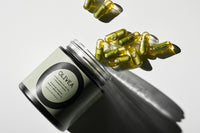
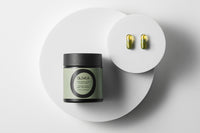
For convenience without compromise: Olivea EVOO & Hydroxytyrosol Supplement delivers concentrated olive polyphenols in capsule form. One capsule a day. No measuring. No storage worries. Just science-backed benefits.
Stop gambling on stale oil. Start with Olivea.
Disclaimer: This article is for informational purposes only and is not intended as medical or nutritional advice. The guidance on olive oil storage, shelf life, and freshness is based on published food science research and industry standards. While consuming small amounts of rancid olive oil is unlikely to cause acute illness, oxidized oils may have diminished nutritional value and could contain compounds that are less beneficial than those found in fresh oil. If you have specific dietary concerns or health conditions, consult a qualified healthcare professional. References to health benefits reflect findings from studies on fresh, high-quality extra virgin olive oil and may not apply to degraded or lower-grade products. Olivea's polyphenol levels are based on third-party laboratory testing; individual batches may vary.
