


Olive Oil Nutrition Facts: The Complete 2026 Guide
What if the bottle of olive oil sitting in your kitchen is nothing like the one used in the studies that made olive oil a superfood?
Olive oil is one of the most studied foods in human history with over 10,000 peer-reviewed papers examining its effects on cardiovascular disease, neurodegeneration, chronic inflammation, and longevity. The Mediterranean diet's legendary health outcomes are, in large part, built on it. And yet most discussions of olive oil nutrition stay frustratingly surface-level: calories, fat, a few vitamins.
That surface-level view misses the most important part of the story.
Here's what rarely gets mentioned: a 2022 study published in JAMA Network Open found that people who consumed more than half a tablespoon of olive oil daily had a 19% lower risk of cardiovascular mortality — but the quality of the oil matters enormously. Researchers have found phenolic content in commercial olive oils can vary by a factor of 30 or more. Two bottles with identical nutrition labels can have radically different effects inside your body.
The difference comes down to polyphenols, which are the bioactive compounds that separate a high-phenolic extra virgin olive oil from the generic, heat-processed blend most people buy at the grocery store. Oleocanthal mimics the anti-inflammatory action of ibuprofen. Oleacein has been shown to inhibit platelet aggregation. Oleuropein activates pathways linked to cellular longevity. None of these appear on any nutrition label.
This guide covers the full spectrum of olive oil nutrition from basic macros to the cutting-edge science of polyphenols, so you know exactly what you're getting, and what you might be missing, in every pour.
Olive Oil Nutrition Facts at a Glance
 One tablespoon (15ml) of extra virgin olive oil contains the following according to the USDA:
|
Nutrient |
Per Tablespoon (15ml) |
Per 100g |
|
Calories |
119 kcal |
884 kcal |
|
Total Fat |
13.5g |
100g |
|
Monounsaturated Fat (Oleic Acid) |
9.9g |
73g |
|
Polyunsaturated Fat |
1.4g |
10.5g |
|
Saturated Fat |
1.9g |
13.8g |
|
Trans Fat |
0g |
0g |
|
Carbohydrates |
0g |
0g |
|
Protein |
0g |
0g |
|
Vitamin E (alpha-tocopherol) |
1.9mg (13% DV) |
14.4mg (96% DV) |
|
Vitamin K |
8.1mcg (7% DV) |
60.2mcg (50% DV) |
|
Polyphenols (EVOO, standard) |
~1.5-4.5mg |
~100-300mg/kg |
|
Polyphenols (high-phenolic EVOO) |
~9-13.5mg |
~600-900+ mg/kg |
Olive Oil's Fat Profile: Why Oleic Acid Is the Star
 Olive oil is 100% fat, but fat type matters enormously for health. The dominant fatty acid in olive oil is oleic acid, a monounsaturated omega-9 fat that makes up roughly 73% of the total fat content. This is the highest MUFA percentage of any commonly used cooking oil.
Monounsaturated Fat (MUFA)
Oleic acid is the reason olive oil is strongly associated with cardiovascular health. Large-scale studies, including the landmark PREDIMED trial involving over 7,000 adults, found that a Mediterranean diet enriched with extra virgin olive oil reduced the risk of major cardiovascular events by approximately 30% compared to a low-fat diet. The MUFA content plays a central role by helping reduce LDL ("bad") cholesterol while maintaining HDL ("good") cholesterol.
Omega-6 and Omega-3 Fatty Acids
Olive oil contains modest amounts of linoleic acid (omega-6) and a small fraction of alpha-linolenic acid (omega-3). Unlike many vegetable oils dominated by omega-6, olive oil's ratio is far more balanced, reducing pro-inflammatory signaling in the body.
Saturated Fat
At roughly 14% saturated fat, olive oil sits well below butter (63%) and coconut oil (82%). This lower saturated fat content, combined with its MUFA dominance, gives it a favorable lipid profile for long-term cardiovascular health.
Vitamins and Minerals in Olive Oil
 Olive oil is not a significant source of most micronutrients, but it does provide meaningful amounts of two fat-soluble vitamins:
Vitamin E (Alpha-Tocopherol)
At 14.4mg per 100g, olive oil provides nearly the full recommended daily value of vitamin E, a powerful fat-soluble antioxidant that protects cells from oxidative damage. Vitamin E works synergistically with olive oil's polyphenols to create layered antioxidant protection that neither provides alone.
Studies show that tocopherols in olive oil help stabilize polyphenols and extend their bioavailability, essentially acting as a buffer that keeps polyphenols active longer in circulation. But the relationship is bidirectional: polyphenols help regenerate oxidized vitamin E back into its active form, rescuing it from degradation rather than letting it become inert after a single antioxidant reaction.
Vitamin K
Each tablespoon provides about 7% of the daily recommended intake of vitamin K, which plays a key role in blood clotting regulation and bone metabolism. Regular olive oil consumption as part of a Mediterranean diet is associated with improved bone density and reduced fracture risk in older adults.
Other Micronutrients
Olive oil contains trace amounts of calcium, potassium, and iron, but in quantities too small to be nutritionally significant. The real micronutritional value of high-quality EVOO lies in its polyphenol content, which brings us to the most important part of the olive oil nutrition picture.
Polyphenols in Olive Oil: The Hidden Health Drivers
 If vitamins and fatty acids are the supporting cast, polyphenols are the headline act of olive oil nutrition. These bioactive plant compounds are responsible for most of EVOO's well-documented anti-inflammatory, cardioprotective, and neuroprotective effects.
What Are Olive Oil Polyphenols?
Polyphenols are naturally occurring micronutrients found in plant foods. Olive oil contains over 30 distinct polyphenolic compounds, with the most biologically significant being:
-
Hydroxytyrosol: The most potent antioxidant in olive oil, with an ORAC value 15x higher than green tea. The European Food Safety Authority (EFSA) approved a specific health claim for hydroxytyrosol, stating that 5mg daily helps protect LDL cholesterol from oxidative damage.
-
Oleocanthal: An anti-inflammatory compound that inhibits the same COX enzymes as ibuprofen (NSAIDs). Researchers found that consuming 50ml of high-phenolic EVOO daily is equivalent to roughly 10% of an adult ibuprofen dose for pain relief.
-
Oleuropein: A glycoside with antioxidant and antimicrobial properties, most concentrated in unripe olives and early-harvest oils.
-
Tyrosol: Works synergistically with hydroxytyrosol to enhance cardioprotective effects.
How Much Do You Actually Get?
This is where olive oil nutrition gets complicated and where most discussions mislead people.
Standard grocery store EVOO typically contains 100-300 mg/kg of total polyphenols. That means one tablespoon (15ml) delivers approximately 1.5-4.5mg of polyphenols. At the EFSA-recommended minimum of 5mg of hydroxytyrosol per day for cardiovascular health protection, most supermarket olive oils fall short with a single serving.
High-phenolic EVOO from early-harvest, carefully processed olives can contain 600-900+ mg/kg - delivering 9-13.5mg of polyphenols per tablespoon. A single serving provides multiple times the EFSA threshold.
|
Olive Oil Type |
Total Polyphenols (mg/kg) |
Per Tablespoon |
Meets EFSA Threshold? |
|
Standard/commercial EVOO |
100-300 mg/kg |
1.5-4.5mg |
Unlikely with 1 tbsp |
|
Quality EVOO (supermarket) |
300-500 mg/kg |
4.5-7.5mg |
Borderline |
|
High-Phenolic EVOO |
500-700 mg/kg |
7.5-10.5mg |
Yes |
|
Ultra-High Phenolic EVOO (Olivea) |
900+ mg/kg |
13.5mg+ |
Yes - well above |
But why does this gap exist and why does it matter so much?
The difference comes down to everything that happens before the oil reaches the bottle. Grocery-standard EVOOs are typically sourced from fully ripened olives, blended across multiple harvests or regions, and processed using methods that prioritize yield over phenolic preservation. Heat, oxygen exposure, and time all degrade polyphenols.
High-phenolic EVOO, by contrast, is harvested early in the season when olives are still green and phenolic concentration is at its peak. It's cold-extracted within hours of picking, handled with minimal oxygen exposure, and stored in conditions that protect its chemical integrity. The result isn't just a higher number on a lab report. It's a fundamentally different product.
That’s why not all olive oils deliver on the health promise. Extra Virgin Olive Oils like Olivea's Ultra-High Phenolic is third-party lab tested at 900+ mg/kg, ensuring every tablespoon delivers meaningful amounts of hydroxytyrosol, oleocanthal, and oleuropein.
Olive Oil Types and Their Nutritional Differences
 Not all olive oils are created equal. The grade of olive oil dramatically affects its nutritional profile - especially polyphenol content.
|
Type |
Polyphenols |
Acidity |
Processing |
Health Value |
|
Extra Virgin Olive Oil (EVOO) |
Highest (100-900+ mg/kg) |
< 0.8% |
Cold-pressed, unrefined |
Highest |
|
Virgin Olive Oil |
Moderate (50-200 mg/kg) |
< 2% |
Cold-pressed, minor defects |
Good |
|
Refined Olive Oil |
Very low (~10-50 mg/kg) |
< 0.3% |
Heat/chemical treated |
Low |
|
Pure/Blended Olive Oil |
Low (refined + EVOO blend) |
< 1% |
Blended |
Minimal |
|
Olive Pomace Oil |
Negligible |
< 1% |
Solvent extracted |
Negligible |
The takeaway: if you're using olive oil for health benefits, only EVOO delivers meaningful polyphenol content. And within EVOO, high-phenolic varieties from early-harvest olives provide substantially more bioactive compounds than standard commercial options.
Health Benefits of Olive Oil: What the Research Shows
 Olive oil nutrition is not just an academic exercise. Decades of research link regular EVOO consumption to measurable health outcomes.
Heart Health
The PREDIMED trial, one of the largest randomized controlled trials on diet and cardiovascular disease, found that supplementing a Mediterranean diet with extra virgin olive oil reduced the incidence of major cardiovascular events by 30%. Oleic acid reduces LDL oxidation, and hydroxytyrosol specifically protects LDL particles from oxidative damage (the key mechanism in atherosclerosis).
Anti-Inflammatory Effects
What makes high-phenolic EVOO nutritionally remarkable is that it addresses this mechanism directly, not through a supplement or pharmaceutical pathway, but through a compound that occurs naturally in the oil itself.
Oleocanthal, found almost exclusively in olive oil, produces a physiological response nearly identical to ibuprofen: it suppresses the activity of COX-1 and COX-2 enzymes, the primary drivers of the inflammatory cascade. The parallel is precise enough that researchers first identified oleocanthal not through chemical analysis, but through the characteristic throat-burn that EVOO shares with liquid ibuprofen — a sensation caused by the same receptor activation. The higher the oleocanthal concentration, the more pronounced the effect. This means the anti-inflammatory potency of an olive oil is directly tied to its phenolic quality. A standard grocery bottle, low in oleocanthal, offers a fraction of this activity compared to a properly produced high-phenolic EVOO.
Brain Health and Cognitive Protection
The brain may be one of olive oil's most important targets. A 2022 systematic review and meta-analysis found that high adherence to the Mediterranean diet was associated with a 25% lower risk of mild cognitive impairment and a 29% reduced risk of Alzheimer's disease. Olive oil, as the diet's primary fat source, is considered a key driver of this effect.
Researchers point to its capacity to reduce oxidative stress and systemic inflammation as likely explanations for the observed protection. Across randomized trials, higher adherence was also associated with measurable improvements in episodic memory, working memory, and global cognition compared to control groups.
Blood Sugar and Metabolic Health
EVOO polyphenols improve insulin sensitivity and may reduce postprandial blood glucose spikes. The Mediterranean diet's effectiveness in managing type 2 diabetes is partially attributed to its olive oil component.
Cancer-Protective Properties
A 2022 meta-analysis found that higher olive oil intake was associated with reduced risk of colorectal, breast, and upper digestive tract cancers. The mechanisms include reduction of oxidative DNA damage and inhibition of pro-inflammatory signaling.
Hydroxytyrosol: Olive Oil's Most Powerful Compound
 Among all olive oil polyphenols, hydroxytyrosol deserves special attention. It has one of the highest antioxidant capacities of any plant compound ever measured, and it's present almost exclusively in olives and olive oil.
The EFSA issued a specific health claim that 5mg of hydroxytyrosol and its derivatives per day (from 20g of EVOO) contributes to the protection of blood lipids from oxidative stress. This is one of the few plant compound health claims the EFSA has approved based on rigorous scientific evidence.
For the full science on this compound, read our comprehensive hydroxytyrosol guide.
Cooking with Olive Oil: Nutrition Impact
 Heat is often cited as olive oil's enemy, but the science tells a more nuanced story. Concerns about cooking with EVOO typically stem from assumptions about smoke point and nutrient degradation, neither of which hold up cleanly under scrutiny. What the research actually shows is that high-phenolic EVOO is among the most heat-stable cooking oils available.
Heat Stability
EVOO's smoke point sits at approximately 375–405°F (190–207°C), which comfortably covers the majority of everyday cooking. More importantly, smoke point alone is a poor predictor of how an oil degrades under heat. Studies have found that EVOO degrades significantly less than most other common cooking oils when exposed to heat, attributing this stability to its high antioxidant content. In other words, the phenolic richness of EVOOs is precisely what makes it more resilient than refined or lower-quality alternatives.
Polyphenol Loss During Cooking
Polyphenols are more heat-sensitive than fatty acids. High-temperature cooking (above 350°F/175°C) can reduce polyphenol content by 40-75%. For maximum nutritional benefit, use high-phenolic EVOO raw or at low temperatures: drizzled on salads, bread, grains, or added after cooking.
Storage Impact
Light, heat, and oxygen are the enemies of olive oil polyphenols. Peak nutritional quality lasts 12-18 months from harvest date. Store in a cool, dark place in dark glass or tin. Always check the harvest date on the label - not just the "best by" date.
Frequently Asked Questions About Olive Oil
 How many calories are in a tablespoon of olive oil?
One tablespoon (15ml) of olive oil contains approximately 119-120 calories, all from fat. It contains no carbohydrates or protein.
Is olive oil healthy for daily use?
Yes, high-quality EVOO is one of the most health-promoting foods in the human diet. Regular consumption is associated with reduced cardiovascular risk, lower inflammation, and better cognitive outcomes. For maximum benefit, choose high-phenolic EVOO like Olivea's Ultra-High Phenolic EVOO to ensure therapeutic polyphenol levels.
What vitamins are in olive oil?
Olive oil is a good source of vitamin E (up to 96% DV per 100g) and vitamin K (about 50% DV per 100g). These fat-soluble vitamins work alongside polyphenols to provide antioxidant and cardiovascular protection.
Does olive oil contain polyphenols?
Yes, extra virgin olive oil is one of the richest dietary sources of polyphenols. The key compounds are hydroxytyrosol, oleocanthal, oleuropein, and tyrosol. High-phenolic EVOO, like Olivea Premium Organic and Olivea Ultra High Phenolic, contains over 600-900+ mg/kg of total polyphenols, far more than standard commercial EVOO.
Is EVOO different from regular olive oil nutritionally?
Yes, significantly. EVOO retains the full polyphenol content of fresh olives because it's cold-pressed without heat or chemicals. Refined olive oil loses most polyphenols during processing. For health benefits, only EVOO is clinically relevant.
What is the EFSA olive oil health claim?
The European Food Safety Authority approved a health claim stating that consuming 5mg of hydroxytyrosol and its derivatives daily (from 20g of EVOO) helps protect blood lipids from oxidative stress. Only olive oils with sufficient polyphenol content qualify for this claim.
How much olive oil should I consume per day?
Studies supporting cardiovascular benefits typically use 2-4 tablespoons (30-60ml) of EVOO daily. The EFSA threshold for the LDL protection health claim is 20g (about 1.5 tablespoons) daily from a qualifying high-phenolic oil.
Does cooking destroy olive oil nutrients?
Heat degrades polyphenols more than fatty acids. Sauteing at moderate temperatures causes some polyphenol loss but retains most of the beneficial oleic acid. For maximum polyphenol intake, use high-phenolic EVOO raw on salads, bread, or added post-cooking.
What makes high-phenolic olive oil different?
High-phenolic EVOO is made from early-harvest olives (higher polyphenol content), processed rapidly (minimal oxidation), and cold-pressed (no heat degradation). The result is an oil with 6-9 times more polyphenols than standard EVOO, a meaningful difference for health outcomes.
Can olive oil help with weight management?
Despite being calorie-dense, olive oil consumption is associated with better weight management in Mediterranean diet studies. Its satiety-promoting fat composition and anti-inflammatory polyphenols may support metabolic health over time.
What is hydroxytyrosol in olive oil?
Hydroxytyrosol is the primary polyphenol in olive oil and one of the most potent antioxidants in the plant kingdom. The EFSA specifically recognized its role in LDL protection.
Is olive oil good for heart health?
Yes. The PREDIMED trial, one of the largest cardiovascular nutrition studies ever conducted, found that EVOO supplementation reduced major cardiovascular events by 30%. The mechanisms include oleic acid's effect on LDL cholesterol and hydroxytyrosol's LDL oxidation protection.
How does high-phenolic EVOO compare to regular olive oil for health?
High-phenolic EVOO provides 6-9 times more bioactive polyphenols than standard commercial EVOO. These compounds are responsible for most of olive oil's documented anti-inflammatory, cardioprotective, and neuroprotective effects. For health purposes, polyphenol content, not just grade, is the key distinction.
The Bottom Line on Olive Oil Nutrition
Olive oil is nutritionally dense, well-researched, and one of the few foods with EFSA-approved health claims based on rigorous scientific evidence. Its oleic acid content supports cardiovascular health. Its vitamin E and K content provides antioxidant and anti-clotting support. But its most powerful nutrition comes from polyphenols, specifically hydroxytyrosol, oleocanthal, and oleuropein.
The crucial distinction is polyphenol content. Most supermarket olive oils, even quality EVOO, deliver less than the EFSA threshold for health claims. High-phenolic EVOO from early-harvest, carefully produced olives is a different product entirely. Olive oil has been the Mediterranean world's health secret for millennia. The science is clear. The question is whether your olive oil is actually delivering on its promise.
Your Olive Oil Should Meet the Science

Most people are consuming olive oil and receiving a fraction of the benefit they believe they're getting. The label says extra virgin. The bottle looks premium. But without verified polyphenol content, there's no way to know if what you're pouring delivers the hydroxytyrosol concentrations the EFSA requires for a cardiovascular health claim, let alone the levels studied for anti-inflammatory and neuroprotective effects.
Olivea's Ultra-High Phenolic EVOO closes that gap with certainty. Third-party lab verified at 900+ mg/kg of polyphenols, it's produced from single-origin Koroneiki olives harvested at peak phenolic concentration in Messinia, Greece. A single tablespoon delivers more hydroxytyrosol than most people obtain from an entire day of Mediterranean eating. This isn't marketing language; it's a verifiable number on a lab report.
Working as hard as the ultra-high phenolic is Olivea’s Premium Organic EVOO, which contains over 600 mg/kg of polyphenols. This alternative is perfect for those who don’t want to sacrifice taste for the health promise.
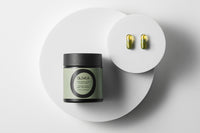
For those who want a precise, no-guesswork alternative, Olivea's EVOO and Hydroxytyrosol Supplements deliver a concentrated daily dose. Whether you prefer your polyphenols on your plate or in a capsule, Olivea ensures you're getting what the science actually recommends.
The Mediterranean diet didn't earn its reputation by accident — and neither did Olivea. If you're serious about what you put in your body, it's time your olive oil matched that standard.
Disclaimer: This article is for informational purposes only and is not intended to diagnose, treat, cure, or prevent any disease. These statements have not been evaluated by the Food and Drug Administration. Consult your healthcare provider before starting any supplement regimen, especially if you are pregnant, nursing, taking medication, or have a medical condition.
